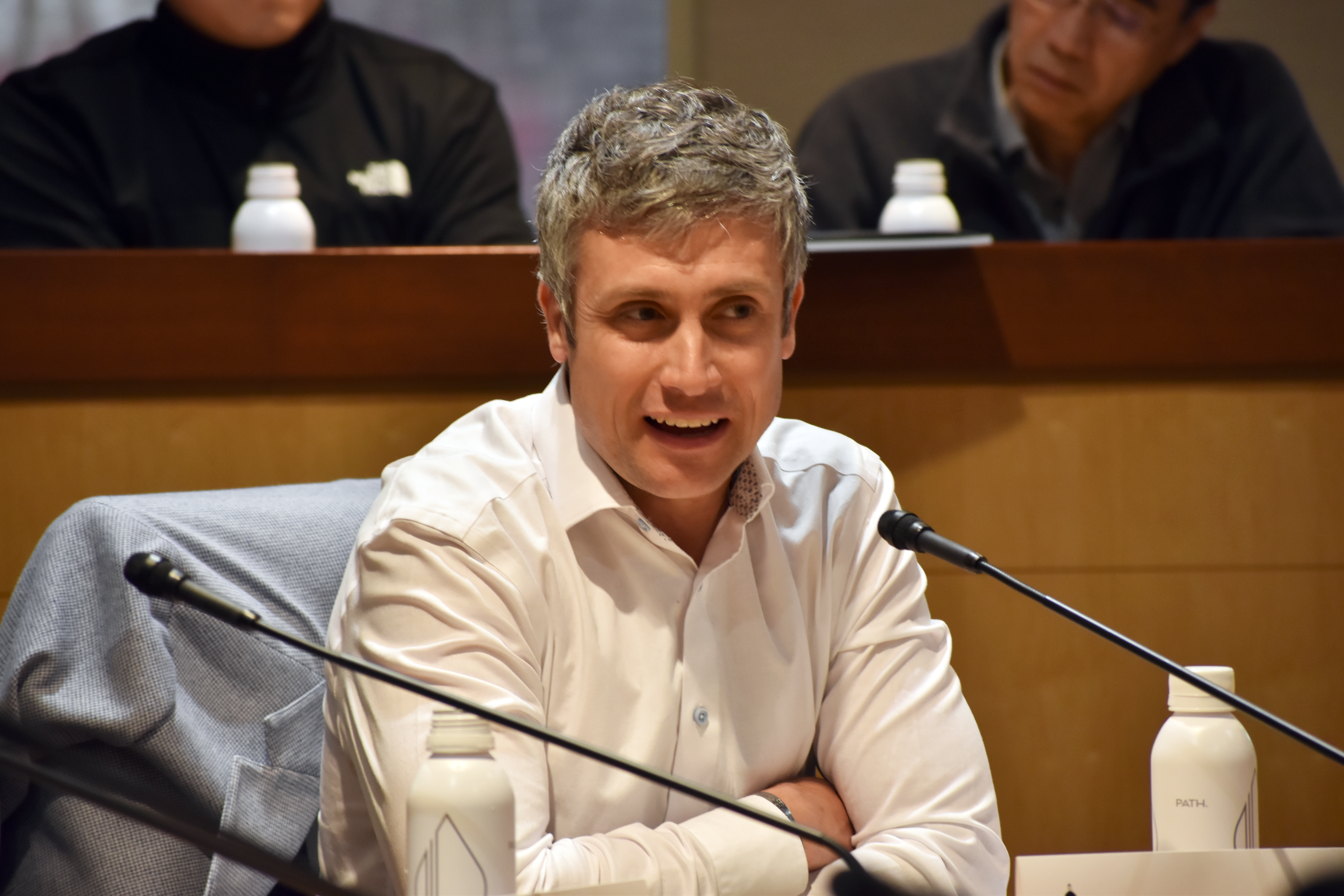
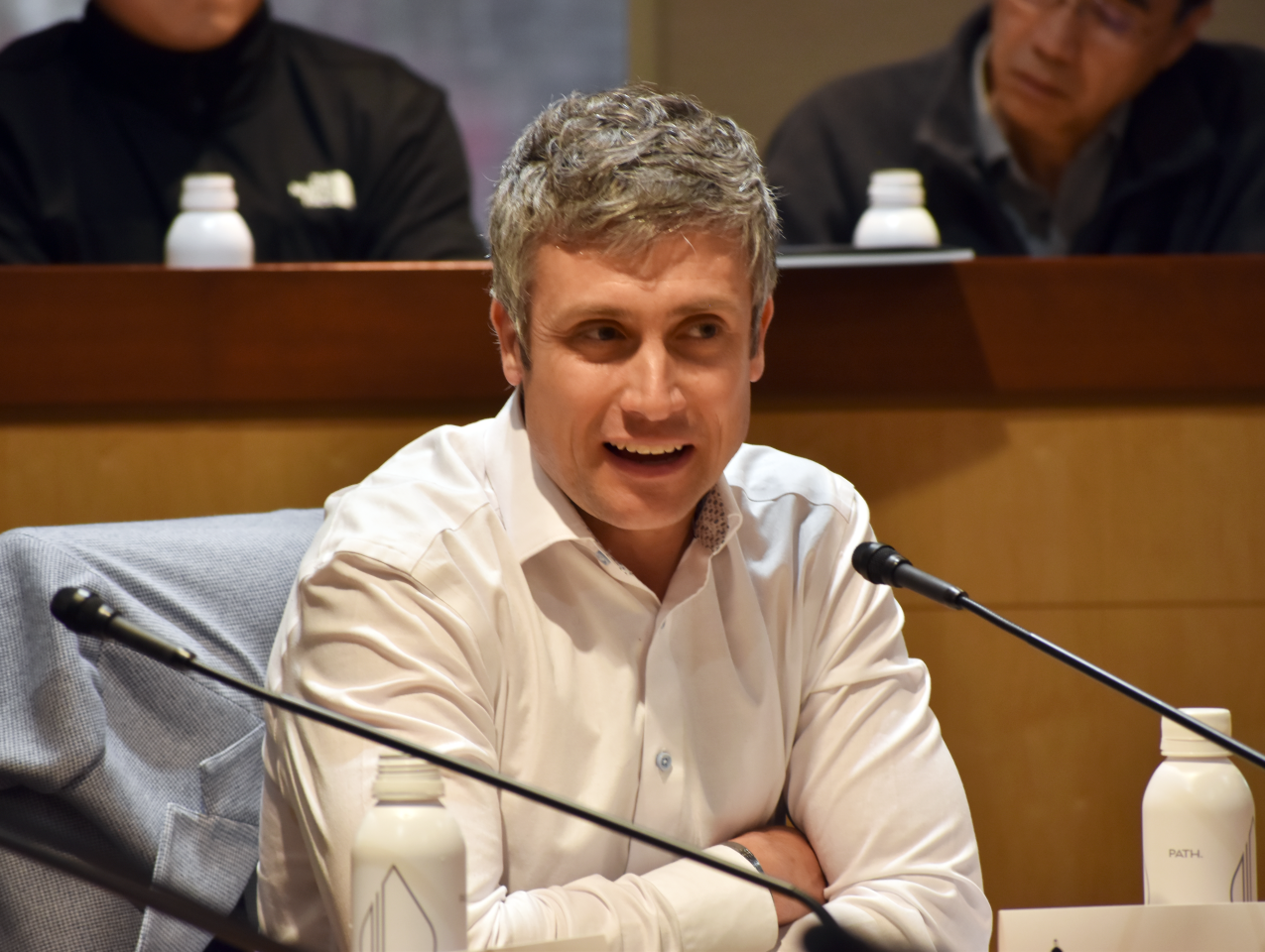
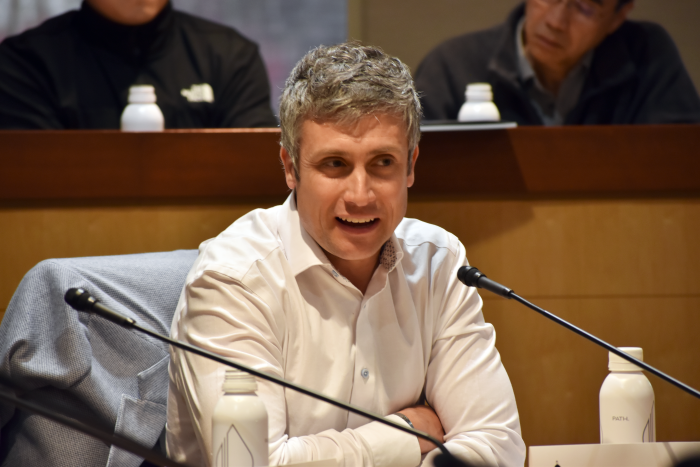
Hoover Institution (Stanford, CA) — The Hoover Institution’s Bio-Strategies and Leadership (BSL) initiative convened a discussion on January 29, 2026, with founders and CEOs working at the intersection of biotechnology, defense, and artificial intelligence. The conversation focused on how private-sector innovation can help prevent and respond to biological threats now and in the future.
Titled “Biosecurity Innovation: Advancing the Public Good Through Private Leadership,” the lunch brought together nearly 70 participants, both in person and online. The discussion centered on a shared recognition that securing biology is possible but that doing so often hinges less on scientific advancements and more on ownership, incentives, and deployment at scale.
The conversation was moderated by Drew Endy, Hoover Institution science fellow and senior fellow (courtesy). The discussion built on the Biosecurity Really report released last year by Endy and the BSL team.
“Progress in biosecurity will require private-sector actions complementing traditional government capacities,” Endy said. He noted that success will depend on “doing things at scale … that the private sector has never done before.”
Jake Adler, founder of Pilgrim, a defense-focused biotechnology startup, argued that many biosecurity failures result not from a lack of technical capacity but from institutional dysfunction. “Advanced research institutions have calcified and degraded,” Adler warned. Innovations that could aid warfighters are often “orphaned, languishing on the benchtop.” He called for more effective translation and stronger ties between innovators and end users.
Eric Nguyen, CEO and cofounder of Radical Numerics, emphasized that many risks attributed to AI are actually failures to secure biology. Nguyen’s company is developing large-scale “world models” of biology that integrate DNA, RNA, and other biological data. His team keeps biosecurity considerations central to its work on generative biology.
Erik Malmstrom, Hoover Institution veteran fellow and CEO of SafeTraces, outlined a new approach to biosecurity focused on real-time environmental surveillance. SafeTraces is a dual-use technology company integrating autonomous biosensor technology with AI and machine learning to detect and prevent biological threats. Malmstrom called for greater investment and prioritization in indoor air bio-monitoring given the critical importance of this threat vector for high-risk pathogens.
Panelists also stressed the importance of public communication and narrative. Improving bio-literacy and connecting biosecurity to public priorities will be essential for long-term progress.
The event was one in a series of BSL quarterly policy meetings. These events reflect the program’s commitment to advancing bio-literacy and bringing key stakeholders together for meaningful discussions on policy solutions.
For more information about Bio-Strategies and Leadership, visit victory.stanford.edu or contact Sarah Moront at smoront@stanford.edu.
To learn more about the Hoover Institution’s Technology Policy Accelerator and its work on all critical and emerging technologies, visit tpa.stanford.edu.