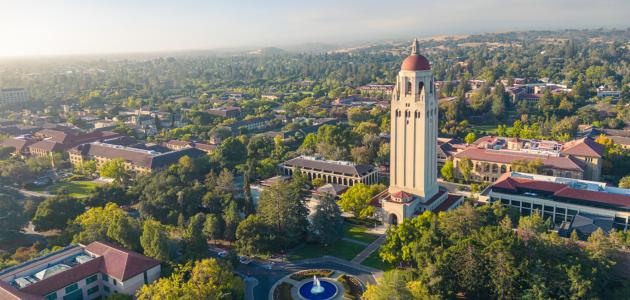




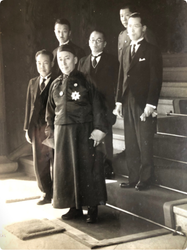
Hoover Institution (Stanford, CA) — The Hoover Institution Library & Archives has obtained a set of rare materials related to the Mengjiang puppet government established in Inner Mongolia by the Japanese Empire during World War II.
visits the Japanese Imperial Palace
February 1941
After achieving the occupation of Manchuria and the creation of Manchukuo in 1932, the Japanese sought to expand their influence further into Inner Mongolia. In spring 1936, Tokyo orchestrated a group of Inner Mongolian nobles to set up a Mongol Military Government in Ulan Chab to further divide and weaken China. On September 1, 1939, the new Mengjiang United Autonomous Government was established in Kalgan, with Mongol prince Demchugdongrub as the head of state.
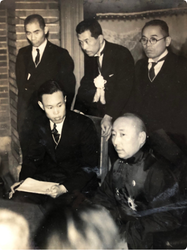
meets Japanese reporters in Tokyo
February 1941
The regime controlled Inner Mongolia and the predominantly Han Chinese territories of South Chahar and North Shanxi provinces. In 1940, the regime was nominally incorporated into Wang Jingwei's Nationalist Government in Nanjing (also sponsored by the Japanese) but continued to retain autonomous status. The Mengjiang puppet regime fell in August 1945, when the Soviet Red Army and the Chinese Communist Eighth Route Army marched into Inner Mongolia. Prince Demchugdongrub fled Kalgan before the regime collapsed and sought asylum from the Kuomintang (KMT), led by Chiang Kai-shek. Considering that Prince Demchugdongrub might be instrumental in stabilizing the KMT's power position in postwar Inner Mongolia, Chiang turned a blind eye to his previous collaboration with the Japanese without prosecuting him as a national traitor.
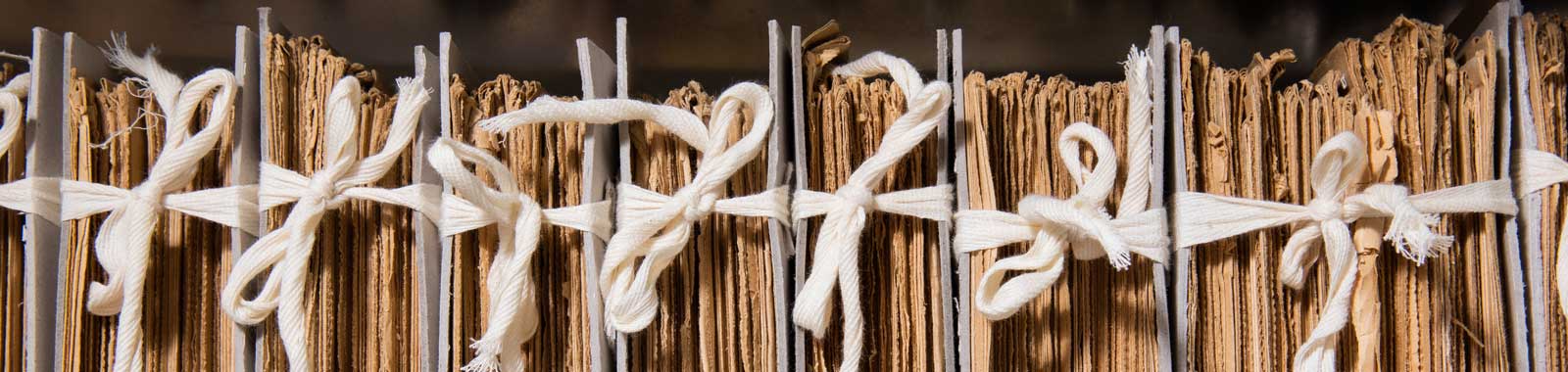
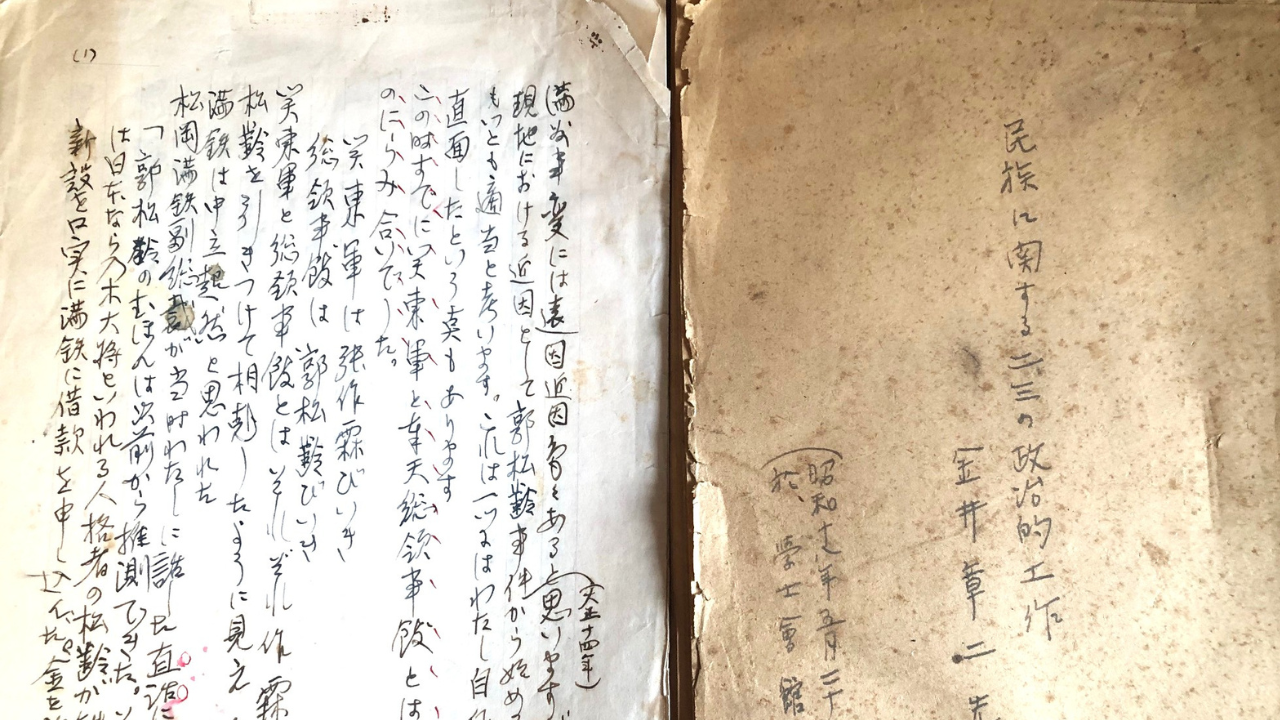
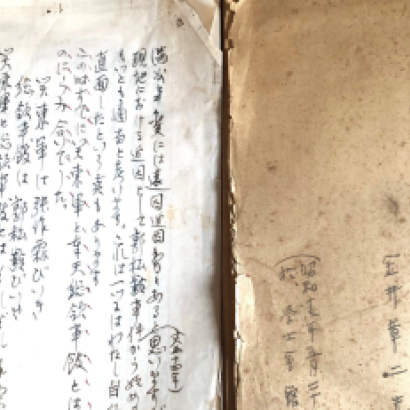
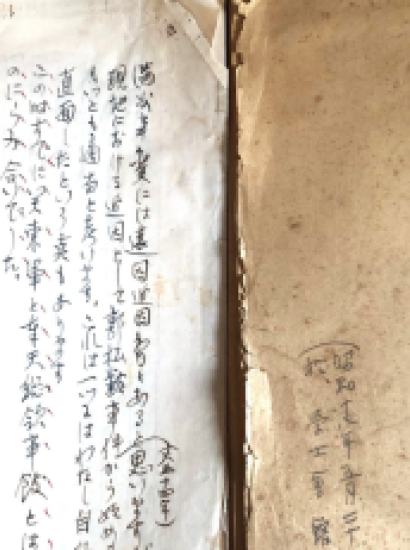
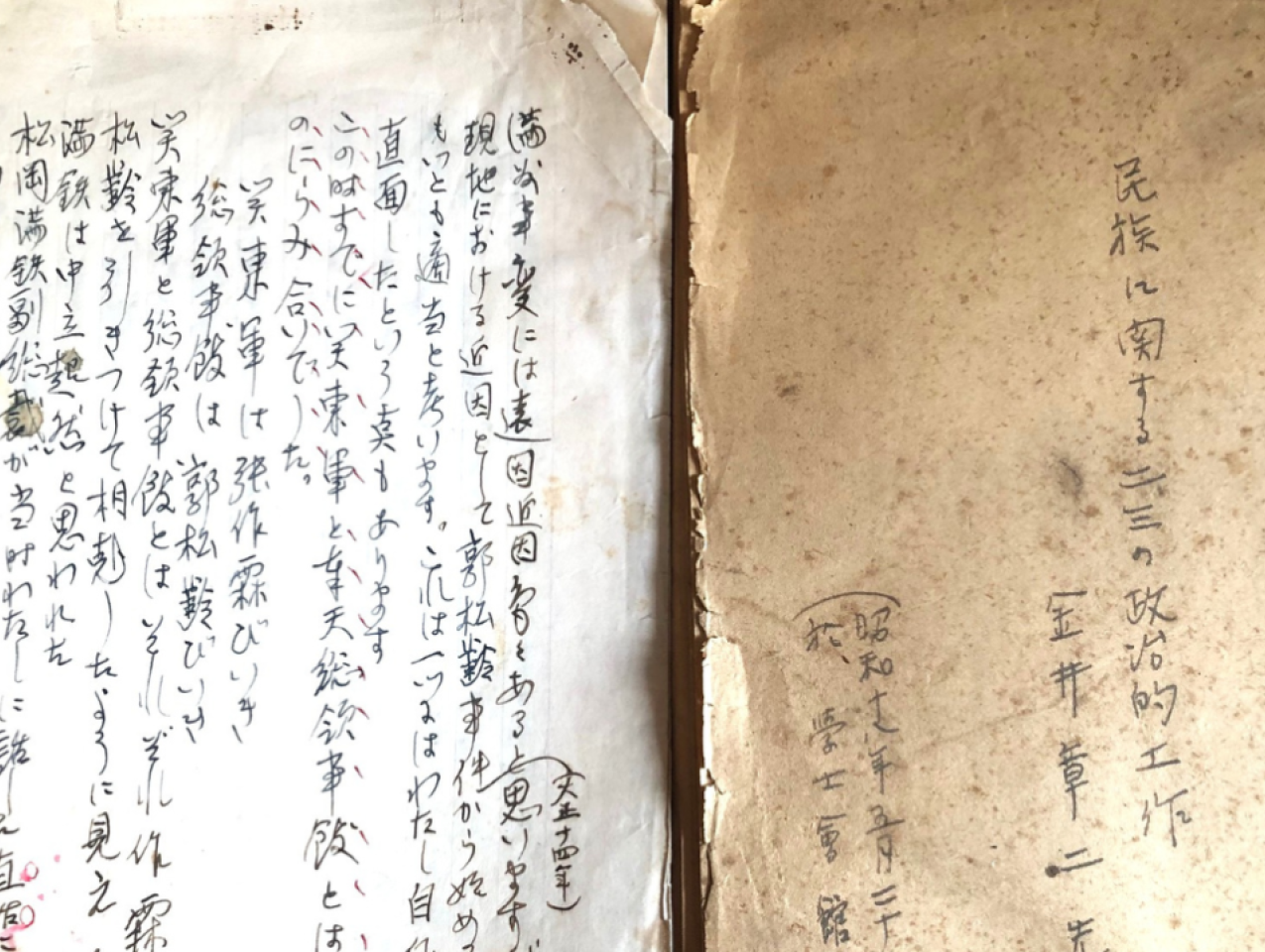
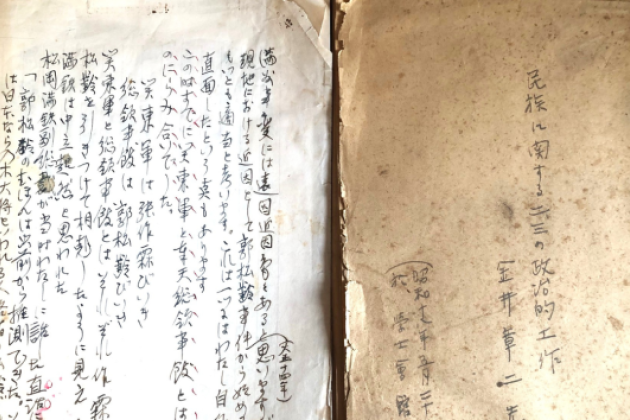
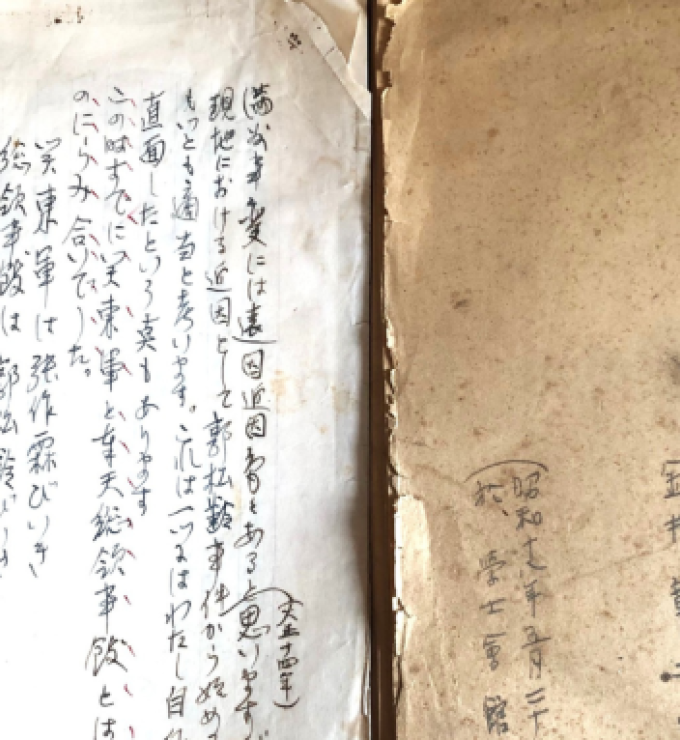
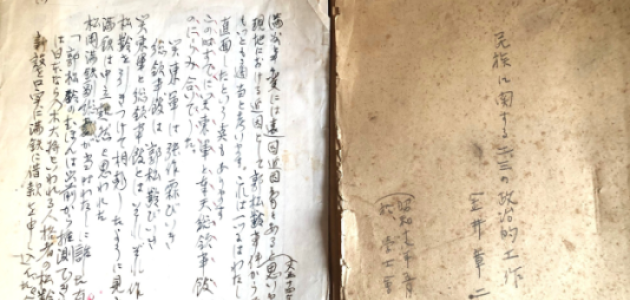
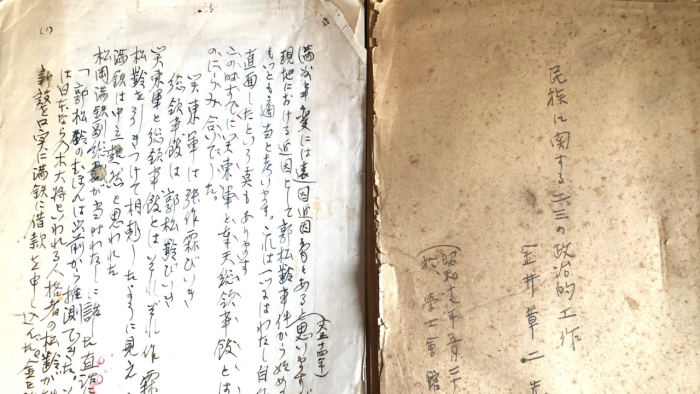
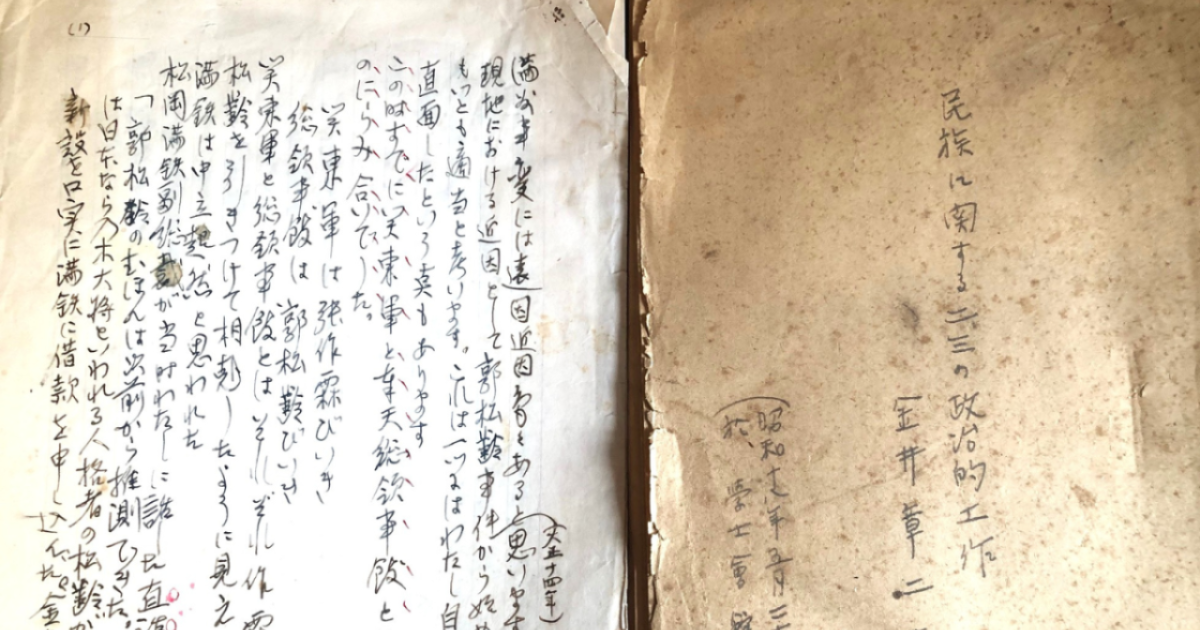
The materials Hoover has acquired include a unique original photo album documenting Prince Demchugdongrub's state visit to Tokyo in February 1941, and a manuscript and report by Shōji Kanai, supreme political advisor to the Mengjiang government between 1939 and 1941. These extremely rare and valuable historical materials are a welcome addition to Hoover's existing holdings on Japanese-sponsored puppet regimes in China during World War II, such as the personal papers of Wang Jingwei, Chan Cheong-choo, and Daniel Ching, among others. They will be integrated into Hoover's existing Chinese subject collection (1900–2003).