


Hoover Institution (Stanford, CA)—How can America increase civic knowledge and encourage civic participation? The answer is a comprehensive approach that brings together K–12 educators, postsecondary institutions, civil society organizations, policymakers, and researchers to work together.
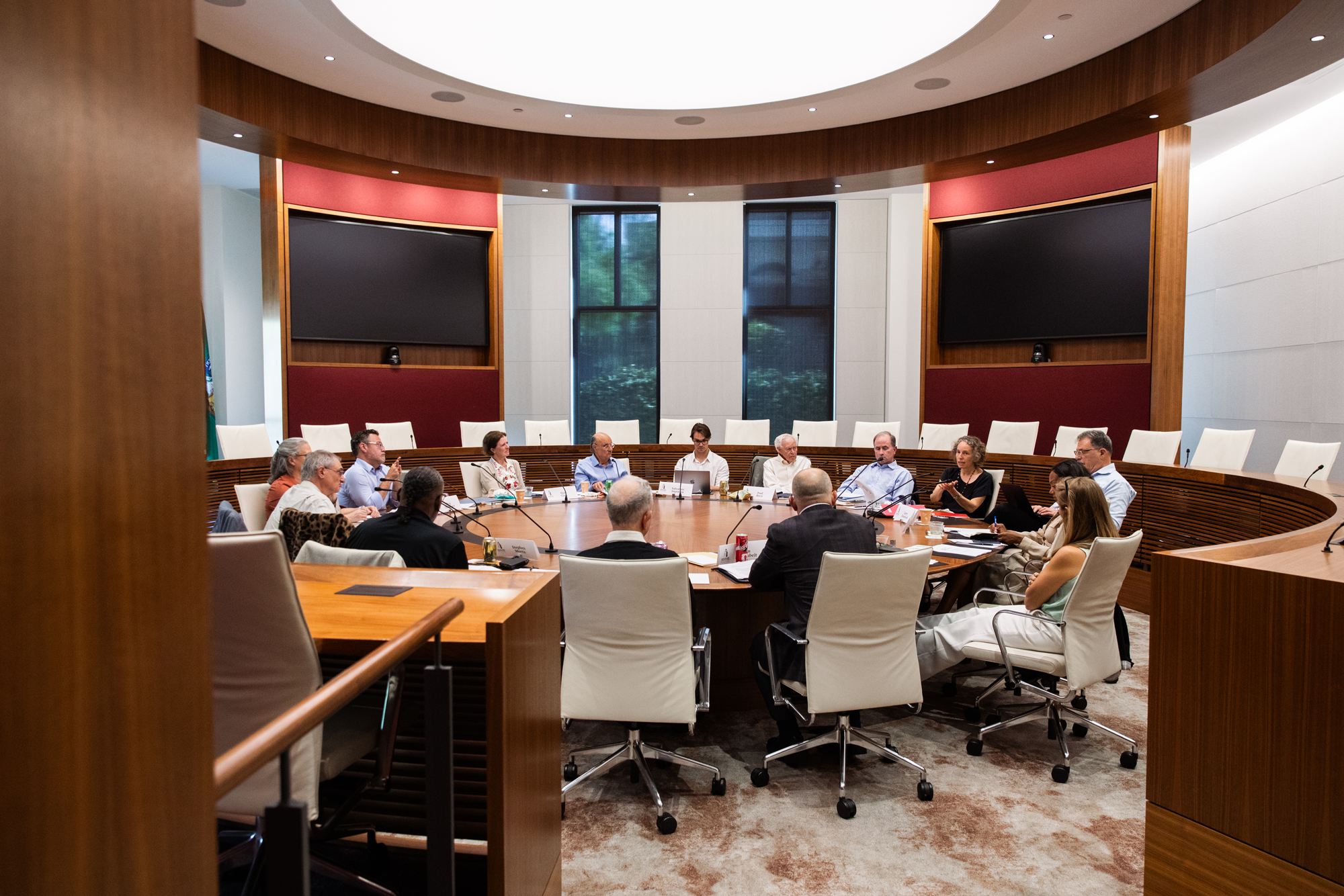
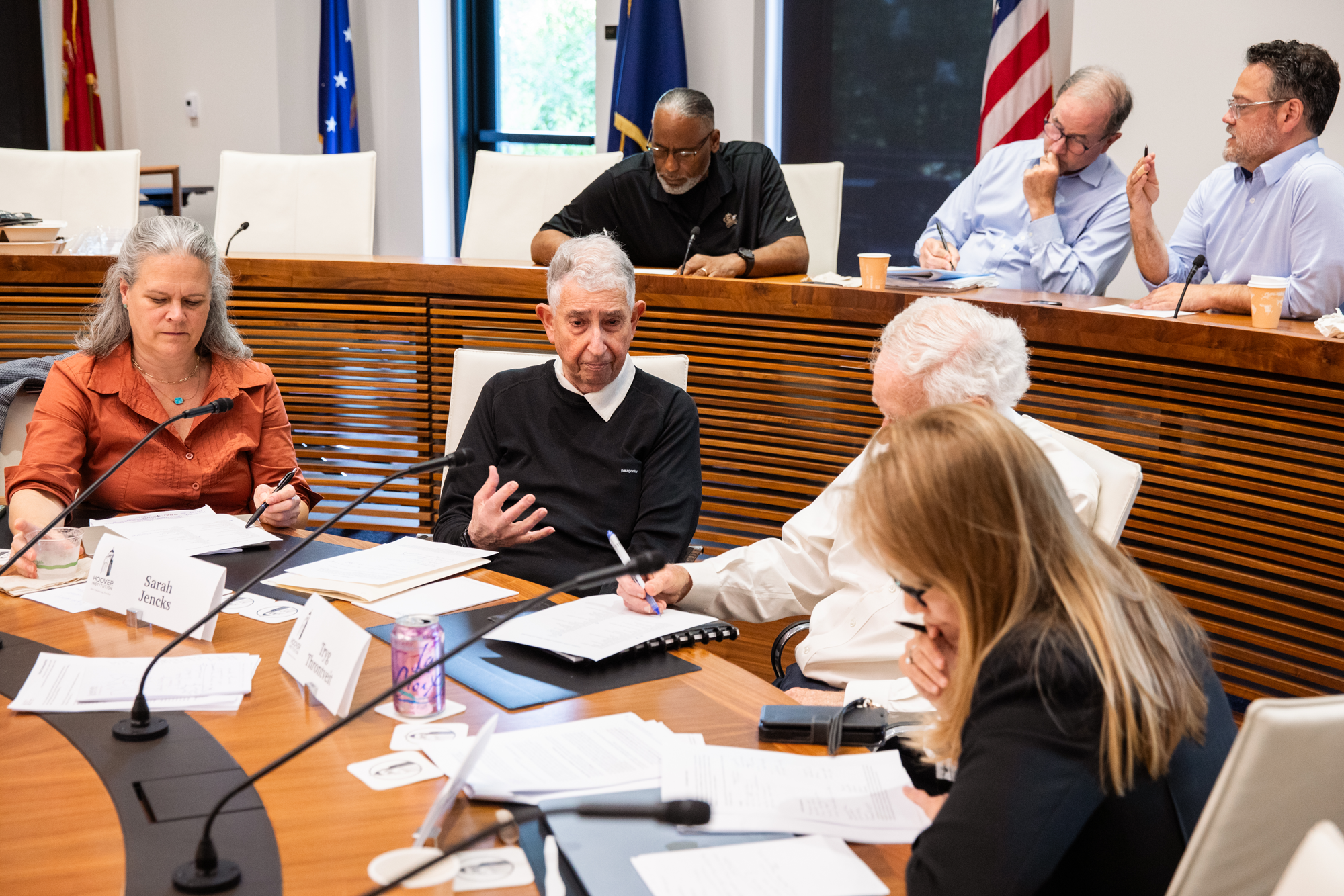
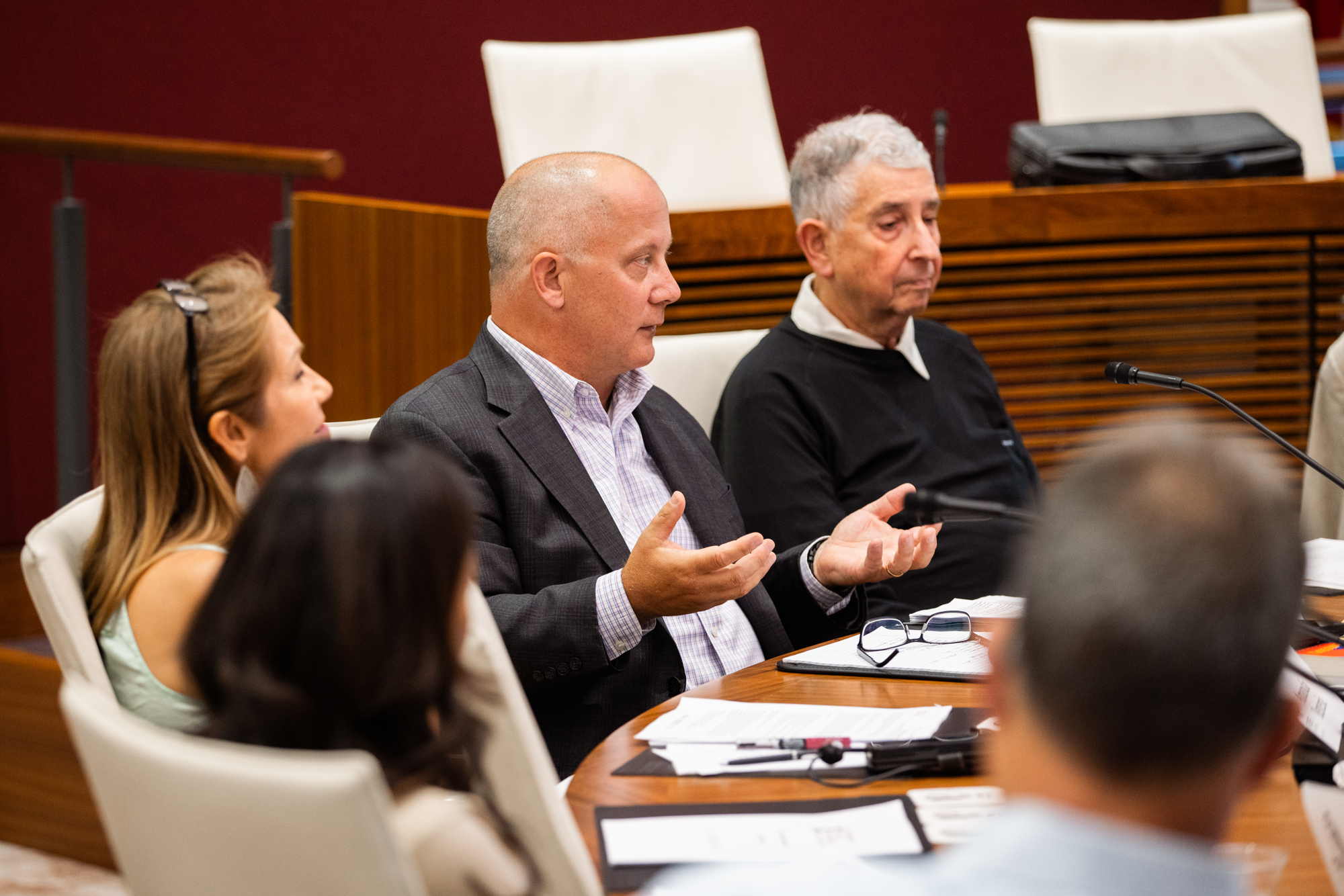
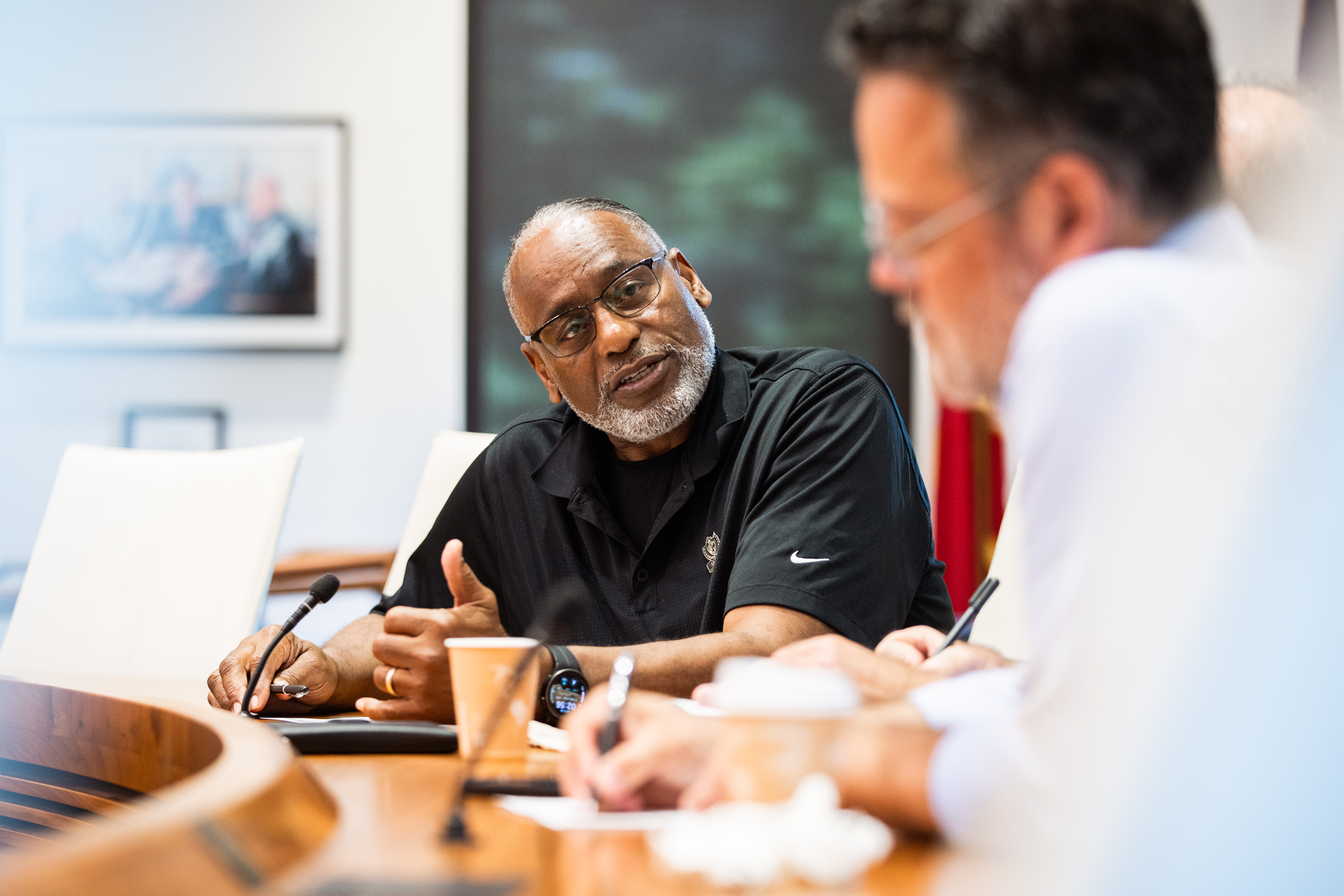
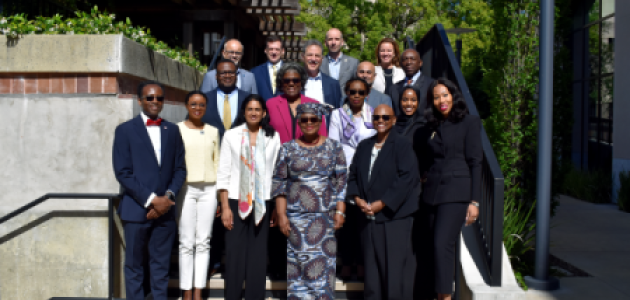
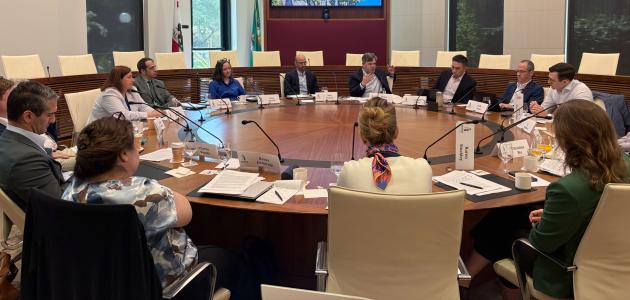
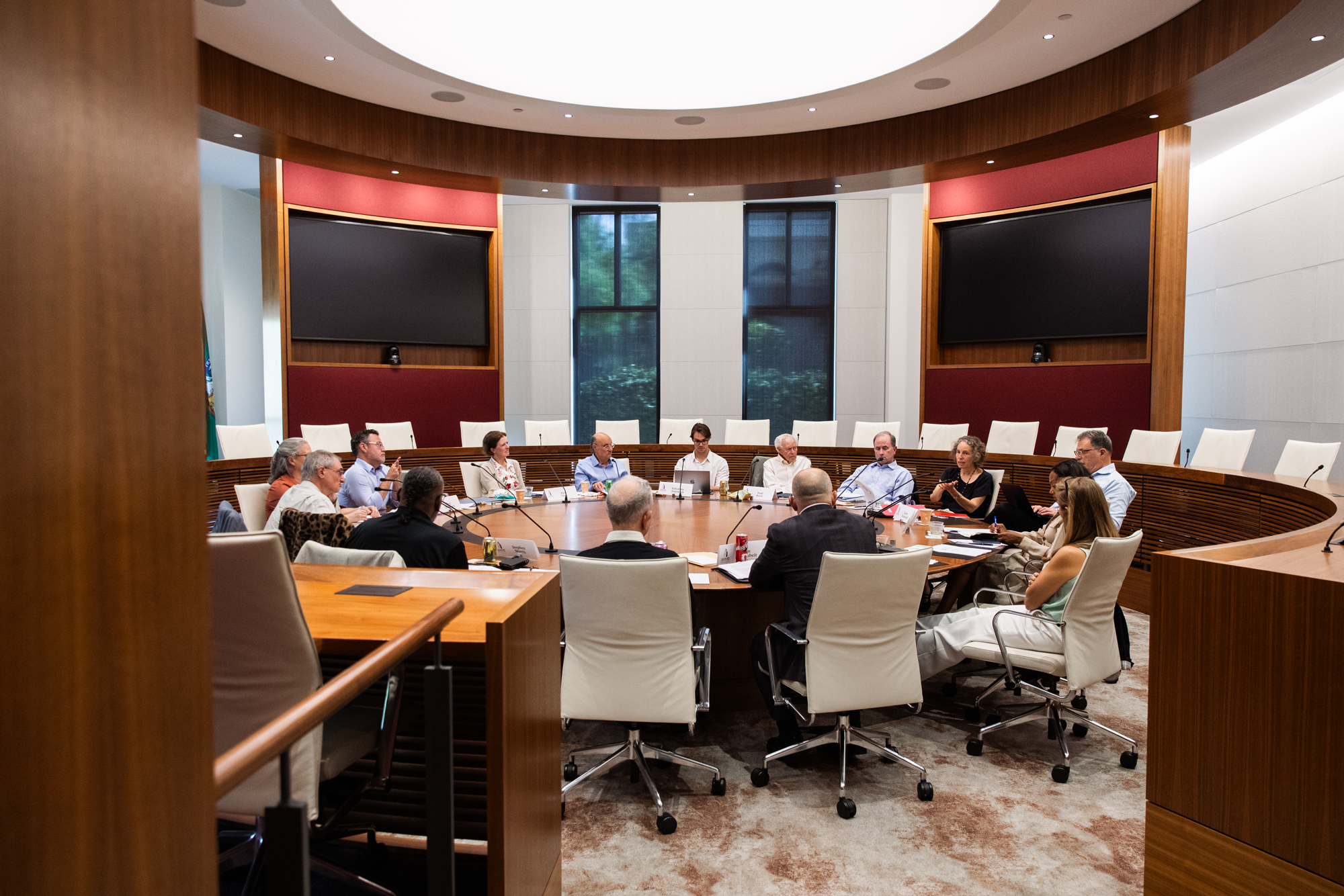
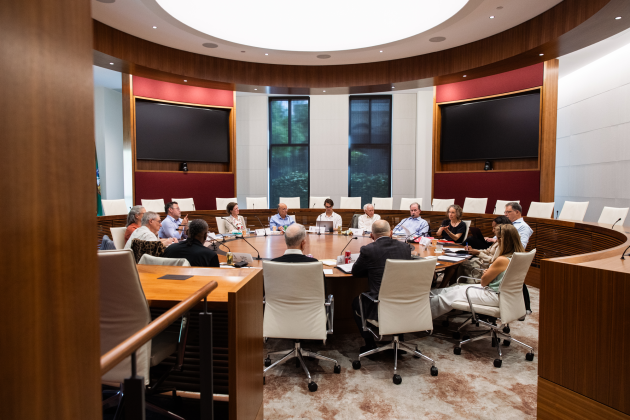
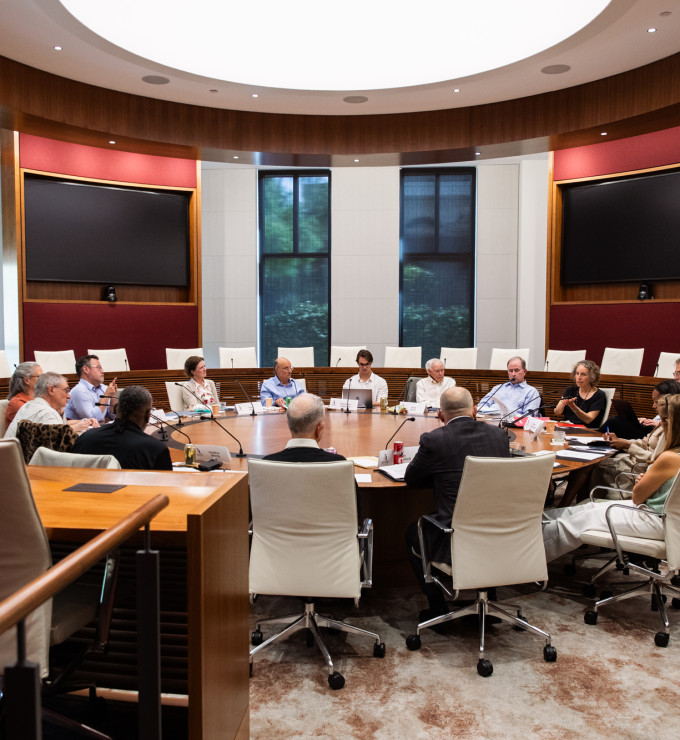
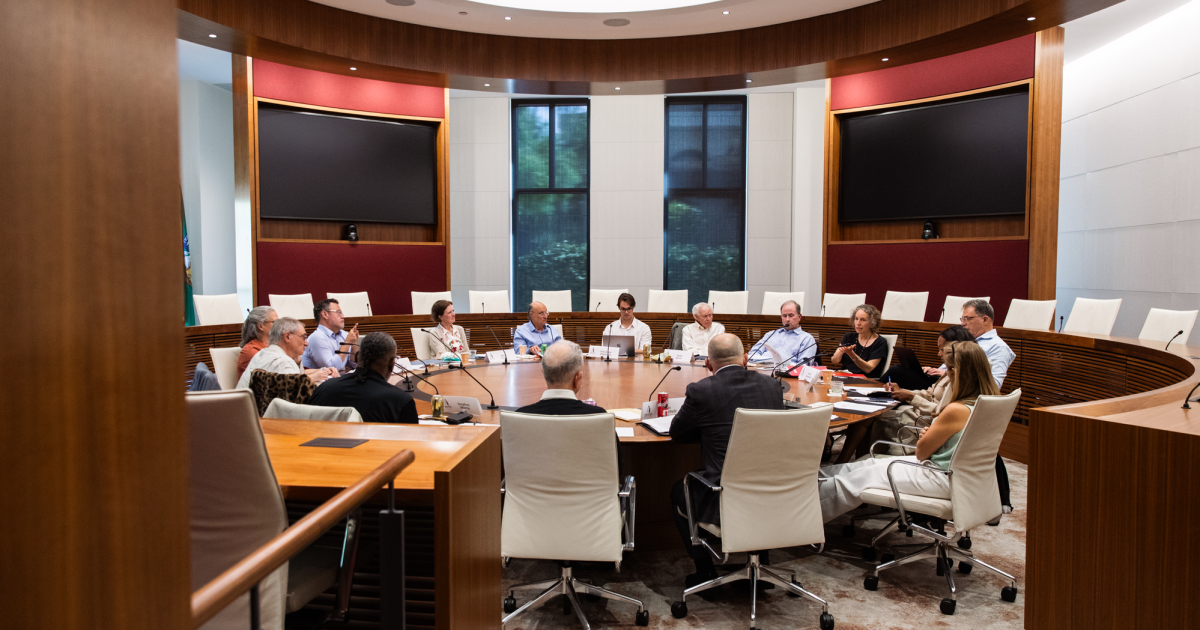
That was the conclusion of a July 20 meeting and discussion that was part of a regular gathering of Hoover’s National Civics Fellows, supported by Hoover’s Center for Revitalizing American Institutions (RAI) and the Working Group on Civics and American Citizenship.
In the discussion, participants—who also included Stanford faculty, Hoover fellows, and community partners—asked how different groups (educators, civil society, researchers, and policymakers) can best collaborate and reinforce one another.
Civic education takes place across a wide range of institutions and is deeply enmeshed in politics. Civics lacks an overarching structure: it’s amorphous, decentralized, and fragmented. The interested parties may or may not collaborate with each other. These problems contribute to poor civics performance: since 1998, scores on the National Association of Educational Progress’s (NAEP) Civics Report Card, a standardized test administered to eighth-graders across the country, have remained largely flat.
In the most recent test, in 2022, eighth-grade scores declined slightly after modest increases in the 2014 and 2018 assessments. Even the top 10 percent of pupils showed a small decline in civics knowledge. This stall in achievement in primary and secondary grades results in citizens who know less, participate less, and engage less with their communities on civic matters.
Participants in RAI’s Civics Conversation were asked to explore the distinct and shared roles and responsibilities of all the elements of civic education, and the methods that could improve civic knowledge, encourage discourse, and increase participation.
One participant noted that other fields of study benefit from far more robust infrastructure and membership to engage American youth. For example, roughly 21,000 organizations in the United States focus on promoting and studying history—more than the number of McDonalds’s restaurants in the continental United States (fewer than 14,000). That density of history-focused organizations makes it easier to introduce and promote the subject among young people.
Other speakers pointed to the role that museums and civil society groups such as Rotary, Kiwanis, Scouts, 4-H, and labor unions play in fostering civic knowledge and participation, even though they are often overlooked or unconnected to efforts in formal school settings.
During a lunch plenary, Michael Gallagher, co-founder of the Citizens' Assemblies and Deliberation Allies, described how citizen assemblies are used in Ireland, elsewhere in Europe, Mongolia, and several US cities and counties. These gatherings of ordinary people, chosen by lottery, learn about, discuss, and make recommendations on hard public policy issues such as zoning, health care, and immigration. They are most effective when participants are randomly selected and when decisionmakers are genuinely committed to acting on recommendations about contentious topics.
In the day’s final discussion, participants explored which civic values should be cultivated through civic education, how they should be measured, and how America can pursue this work without it seeming to be an exercise in political advocacy or deepening political polarization.
Participants received an expansive list of potential civic dispositions, values, and virtues and were asked to identify five they would prioritize in teaching high school civics. Working in small groups, they combined individual lists into a single shared list. The results mirrored national patterns: there was broad but not universal agreement on priorities (one group was unable to reach consensus).
The most common dispositions across groups included epistemic humility; tolerance, pluralism and respect; integrity; individual rights; democracy, civic participation; and rule of law. One value showed up on every group’s list: evidence-based reasoning.
One participant noted the difficulty of teaching and measuring concepts like humility and courage, observing that schools are now being asked to teach things once considered the purview of churches.
Participants in the day’s discussion included the 2026 cohort of RAI’s National Civics Fellows: Trygve Throntveit, Sarah Jencks, Stephen Morris, Joseph Kahne, and Mia Charity.
Also present were Senior Fellows Chester E. Finn Jr., Larry Diamond, and RAI Executive Director Thomas Schnaubelt. Scholars from across Stanford University’s civics ecosystem joined Civics Conversation participants for a reception at the close of the day.