US Defense banner

US Defense

The United States must reassure its allies and deter its adversaries by making its commitments clear and providing the resources and willpower to support them.

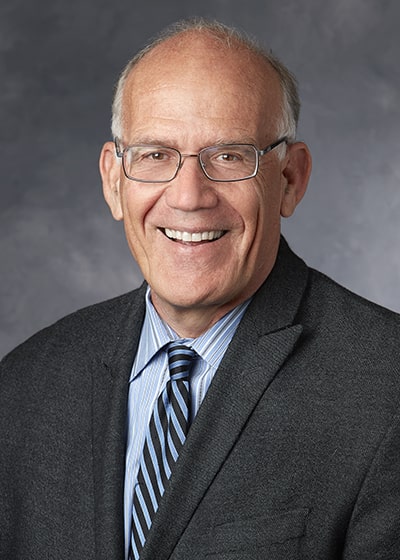
victor

Victor Davis Hanson

Martin and Illie Anderson Senior Fellow
Learn more
victor

Victor Davis Hanson

Martin and Illie Anderson Senior Fellow

Victor Davis Hanson is the Martin and Illie Anderson Senior Fellow at the Hoover Institution; his focus is classics and military history. Hanson was a National Endowment for the Humanities fellow at the Center for Advanced Studies in the Behavioral Sciences, Stanford, California (1992–93), a visiting professor of classics at Stanford University (1991–92), the annual Wayne and Marcia Buske Distinguished Visiting Fellow in History at Hillsdale College (2004–), the Visiting Shifron Professor of Military History at the US Naval Academy (2002–3), and the William Simon Visiting Professor of Public Policy at Pepperdine University (2010). In 1991 he was awarded an American Philological Association Excellence in Teaching Award. He received the Eric Breindel Award for Excellence in Opinion Journalism (2002), presented the Manhattan's Institute's Wriston Lecture (2004), and was awarded the National Humanities Medal (2007) and the Bradley Prize (2008). Hanson is the author of hundreds of articles, book reviews, and newspaper editorials on Greek, agrarian, and military history and essays on contemporary culture. He has written or edited twenty-four books, the latest of which is The Case for Trump (Basic Books, 2019). His other books include The Second World Wars (Basic Books, 2017); The Savior Generals: How Five Great Commanders Saved Wars That Were Lost - from Ancient Greece to Iraq (Bloomsbury 2013); The End of Sparta (Bloomsbury, 2011); The Father of Us All: War and History, Ancient and Modern (Bloomsbury, 2010); Makers of Ancient Strategy: From the Persian Wars to the Fall of Rome (ed.) (Princeton, 2010); The Other Greeks (California, 1998); The Soul of Battle (Free Press, 1999); Carnage and Culture (Doubleday, 2001); Ripples of Battle (Doubleday, 2003); A War Like No Other (Random House, 2005); The Western Way of War (Alfred Knopf, 1989; 2nd paperback ed., University of California Press, 2000); The Wars of the Ancient Greeks (Cassell, 1999; paperback ed., 2001); and Mexifornia: A State of Becoming (Encounter, 2003), as well as two books on family farming, Fields without Dreams (Free Press, 1995) and The Land Was Everything (Free Press, 1998). Currently, he is a syndicated columnist for Tribune Media Services and a weekly columnist for the National Review Online. Hanson received a BA in classics at the University of California, Santa Cruz (1975), was a fellow at the American School of Classical Studies, Athens (1977–78), and received his PhD in classics from Stanford University (1980).


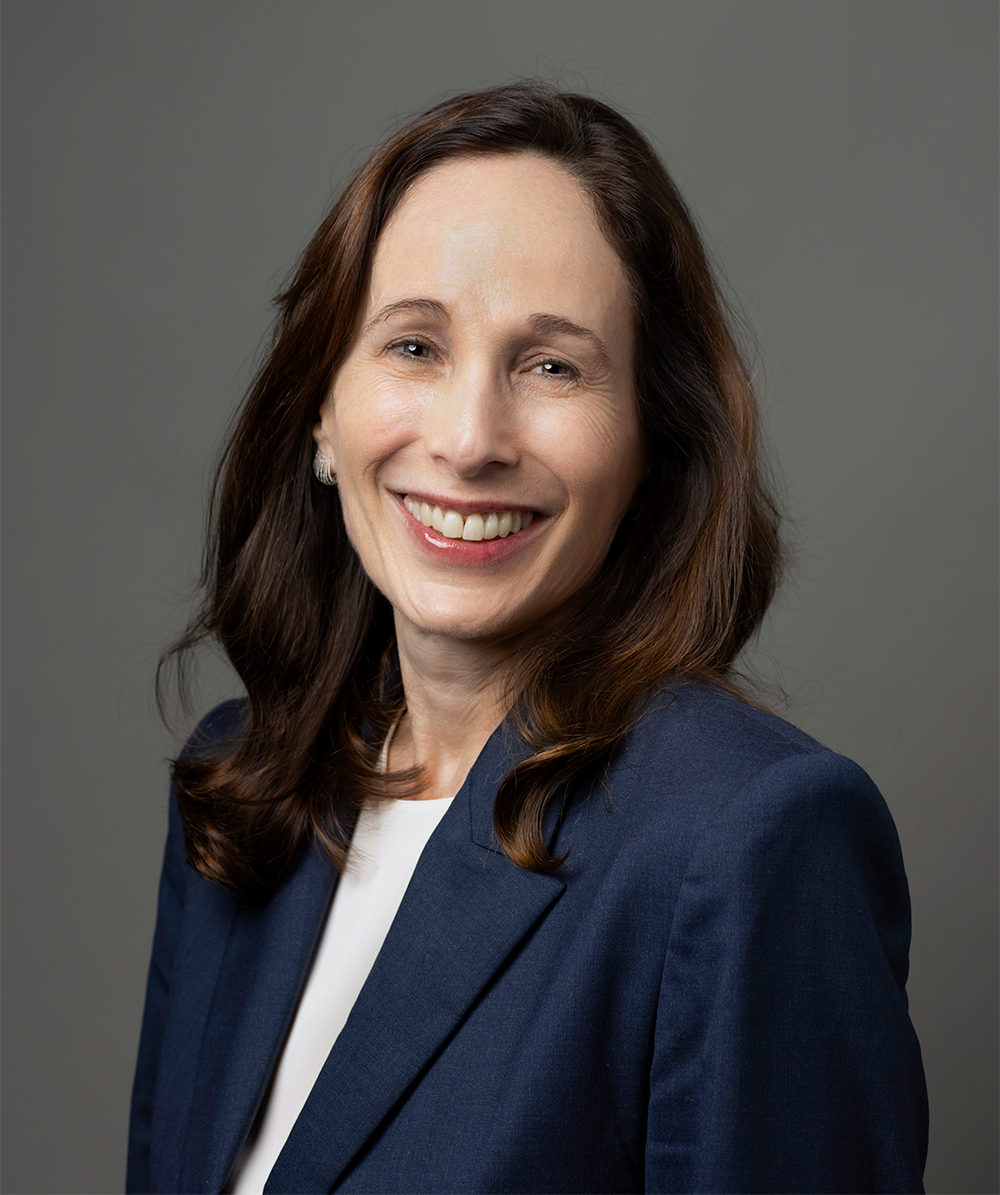
Image

Amy Zegart

Morris Arnold and Nona Jean Cox Senior Fellow
Learn more
Image

Amy Zegart

Morris Arnold and Nona Jean Cox Senior Fellow

Dr. Amy Zegart is the Morris Arnold and Nona Jean Cox Senior Fellow at the Hoover Institution. The author of five books, she specializes in US intelligence, emerging technologies, and national security. At Hoover, she leads the Technology Policy Accelerator and the Oster National Security Affairs Fellows Program. She also is an associate director and senior fellow at the Stanford Institute for Human-Centered AI; a senior fellow at the Freeman Spogli Institute; and professor of political science, by courtesy, teaching one hundred students each year about how emerging technologies are transforming espionage. Zegart’s award-winning research includes the leading academic study of intelligence failures before 9/11: Spying Blind: The CIA, the FBI, and the Origins of 9/11 (Princeton, 2007) and the bestseller Spies, Lies, and Algorithms: The History and Future of American Intelligence (Princeton, 2022), which was nominated by Princeton University Press for the Pulitzer Prize. She also coauthored Political Risk: How Businesses and Organizations Can Anticipate Global Insecurity, with Condoleezza Rice (Twelve, 2018). Her op-eds and essays have appeared in Foreign Affairs, Politico, The New York Times, The Washington Post, and The Wall Street Journal. Zegart has advised senior officials about intelligence and foreign policy for more than two decades. She served on the National Security Council staff and as a presidential campaign foreign policy advisor and has testified before numerous congressional committees. Before advancing her academic career, she spent several years as a McKinsey & Company consultant. Zegart received an AB in East Asian studies from Harvard and an MA and a PhD in political science from Stanford. She serves on the boards of the Council on Foreign Relations, Kratos Defense & Security Solutions, and the American Funds/Capital Group.

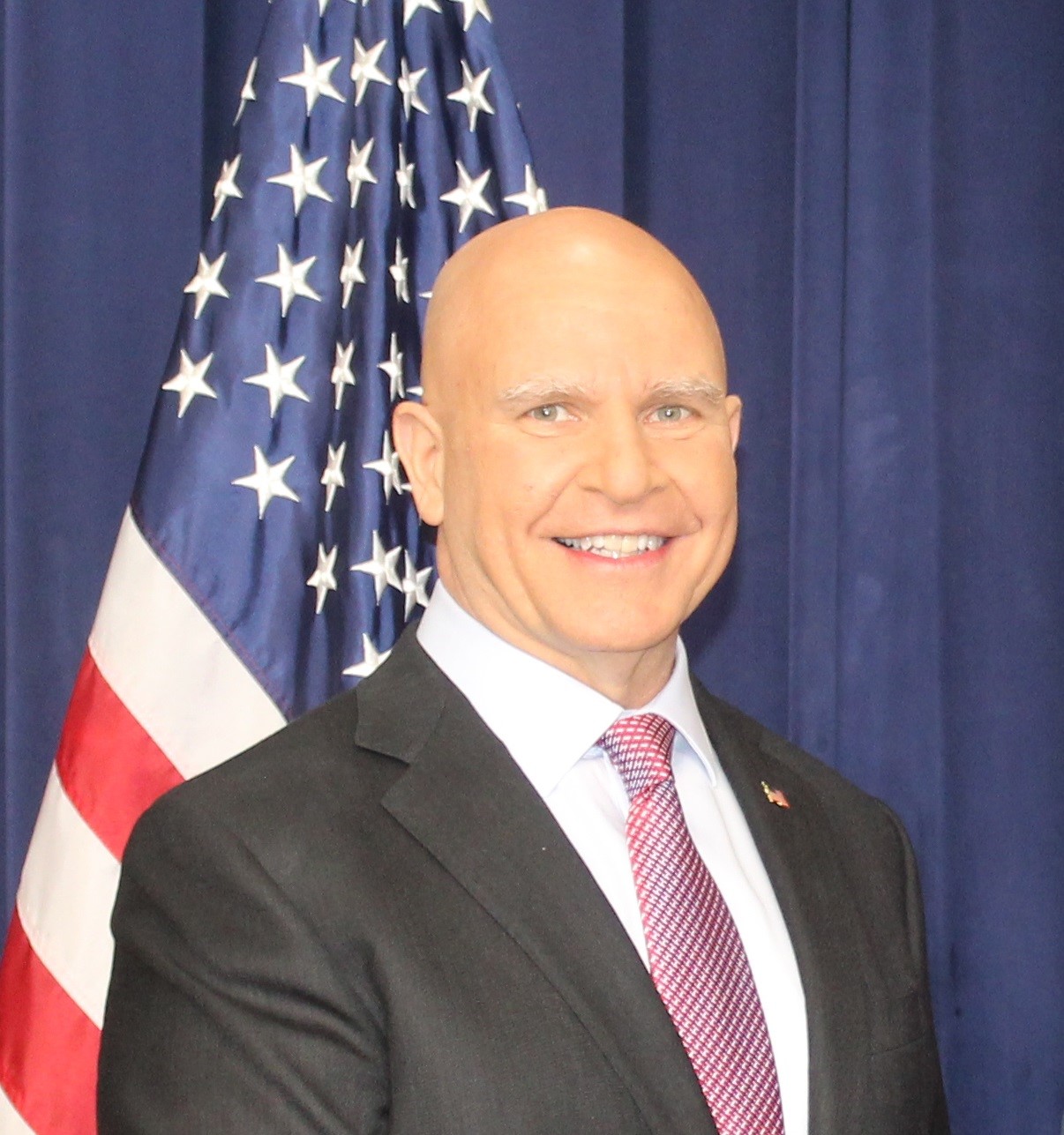
HR McMaster Hoover Headshot

H.R. McMaster

Fouad and Michelle Ajami Senior Fellow
Learn more
HR McMaster Hoover Headshot

H.R. McMaster

Fouad and Michelle Ajami Senior Fellow

H.R. McMaster is the Fouad and Michelle Ajami Senior Fellow at the Hoover Institution. At Stanford, he is also the Bernard and Susan Liautaud Fellow at the Freeman Spogli Institute and lecturer at the Graduate School of Business. He is the host of Today's Battlegrounds and is a regular on GoodFellows, both produced by the Hoover Institution. McMaster served as a commissioned officer in the US Army for thirty-four years and as the twenty-fifth assistant to the US president for national security affairs. As the director of the Army Capabilities Integration Center, McMaster designed the future army; and as commanding general of the Maneuver Center of Excellence at Fort Benning, Georgia, he oversaw training, education, and modernization for the Army’s infantry, armor, and cavalry force. He has commanded organizations in wartime including the Combined Joint Inter-Agency Task Force–Shafafiyat in Afghanistan; the Third Armored Cavalry Regiment in Iraq; and Eagle Troop, Second Armored Cavalry Regiment in Operation Desert Storm. McMaster holds a PhD in military history from the University of North Carolina at Chapel Hill. He was an assistant professor of history at the US Military Academy. He is author of Dereliction of Duty: Lyndon Johnson, Robert McNamara, the Joint Chiefs of Staff and the Lies that Led to Vietnam; Battlegrounds: The Fight to Defend the Free World; and At War with Ourselves: My Tour of Duty in the Trump White House. His many essays, articles, and book reviews on leadership, history, and the future of warfare have appeared in The Atlantic, Foreign Affairs, Foreign Policy, National Review, The Wall Street Journal, The Washington Post, The Free Press, The New York Times, and The Economist.

Jim Mattis Hoover Headshot

General Jim Mattis

Davies Family Distinguished Fellow
Learn more
Jim Mattis Hoover Headshot

General Jim Mattis

Davies Family Distinguished Fellow

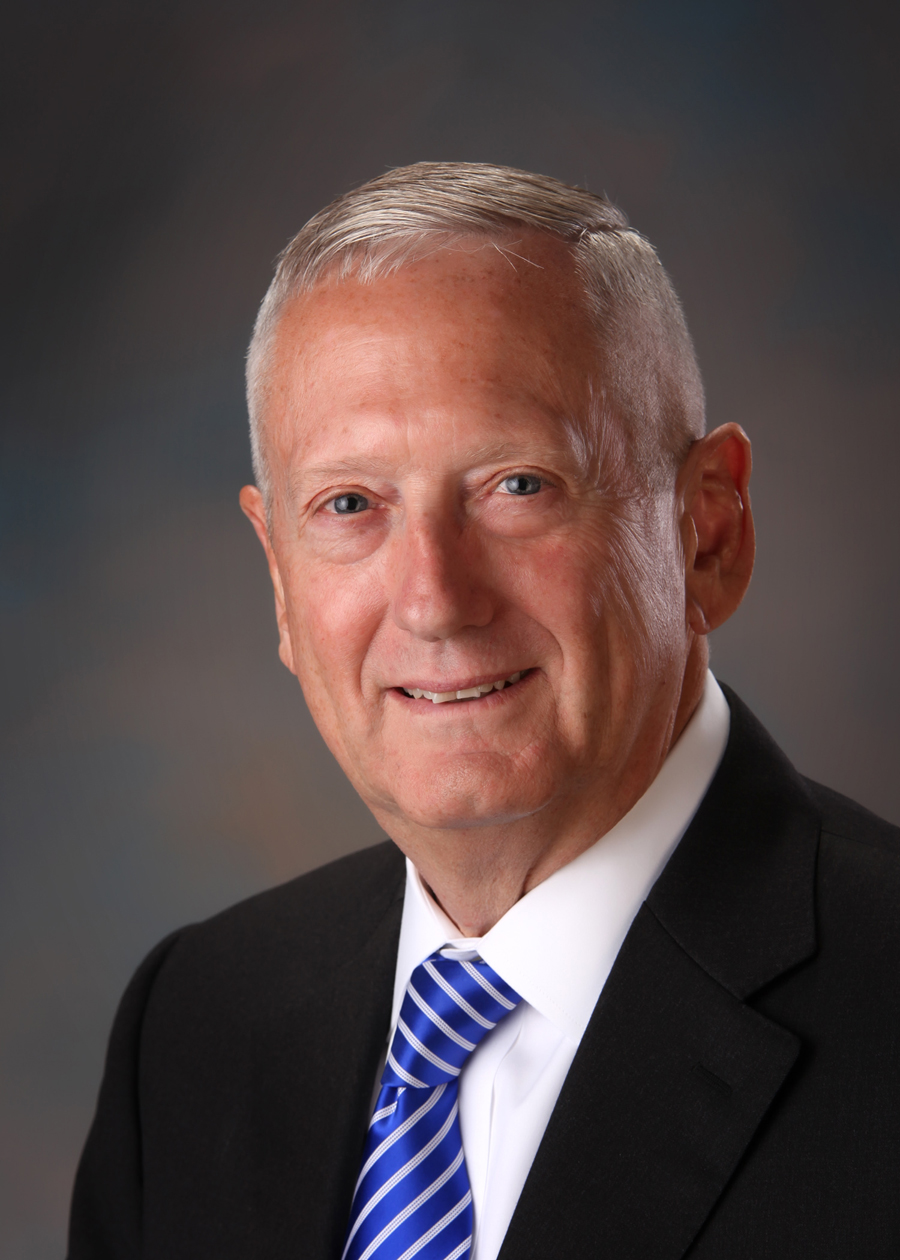
General Jim Mattis, US Marine Corps (Ret.), is the Davies Family Distinguished Fellow, after having served as the nation’s 26th Secretary of Defense in the administration. In December of 2016, President Donald J. Trump nominated Mattis for Secretary of Defense and he was confirmed a month later. Mattis left Hoover to apply his knowledge and experience to help the President shape his national defense policy. General Mattis commanded at multiple levels in his forty-three year career as an infantry Marine. As a lieutenant in the western Pacific, he served as a rifle and weapons platoon commander in the Third Marine Division. As a captain in the Pacific and Indian Ocean, he commanded a rifle company and a weapons company in the First Marine Brigade. As a major he was the battalion officer at the Naval Academy Prep School and commanded Marine recruiters in the Pacific Northwest and Hawaii. As a lieutenant colonel he commanded an assault battalion breaching the Iraqi minefields in Operation Desert Storm. As a colonel he commanded 7th Marine Regiment and, on Pentagon duty, he served as the Department of Defense Executive Secretary. As a brigadier general he was the Senior Military Assistant to the Deputy Secretary of Defense. Following 9-11 he commanded the First Marine Expeditionary Brigade and Naval Task Force 58 in operations against the Taliban in southern Afghanistan. As a major general, he commanded the First Marine Division during the initial attack and subsequent stability operations in Iraq. In his first tour as a lieutenant general, he was in charge of Marine Corps Combat Development at Quantico and subsequently served as Commander, I Marine Expeditionary Force/Commander, U.S. Marine Forces in the Middle East. As a general he served concurrently as the Commander of U.S. Joint Forces Command and as NATO’s Supreme Allied Commander for Transformation. Before retiring in 2013 he was the Commander of U.S. Central Command, directing military operations of over 250,000 soldiers, sailors, airmen, Coast Guardsmen, Marines and allied forces across the Middle East. He is the author of the New York Times bestseller, Call Sign Chaos: Learning to Lead, and the co-editor of the book, Warriors & Citizens: American Views of Our Military.

Key Research Teams
learn more
Global Policy and Strategy Initiative on International Security

Global Policy and Strategy Initiative

learn more
National Security, Technology & Law Working Group

National Security, Technology & Law Working Group

Explore

Edit Filters

Refine Results

BY CONTENT TYPE
BY TOPIC
BY KEY FOCUS AREAS
BY PUBLICATION
BY REGION
BY RESEARCH TEAM
Additional Filters

Filtering By:

Sort by Date

overlay image