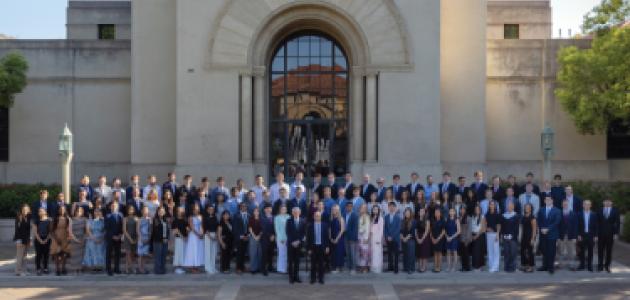

Hoover Institution (Stanford, CA)— A multiday conference at the Hoover Institution brought together journalists and scholars to examine how declining local news coverage is impacting American democracy and explore possible pathways to reinvigorate news at the community and even national levels.
The May 14–15 gathering was hosted by Hoover’s Center for Revitalizing American Institutions (RAI).
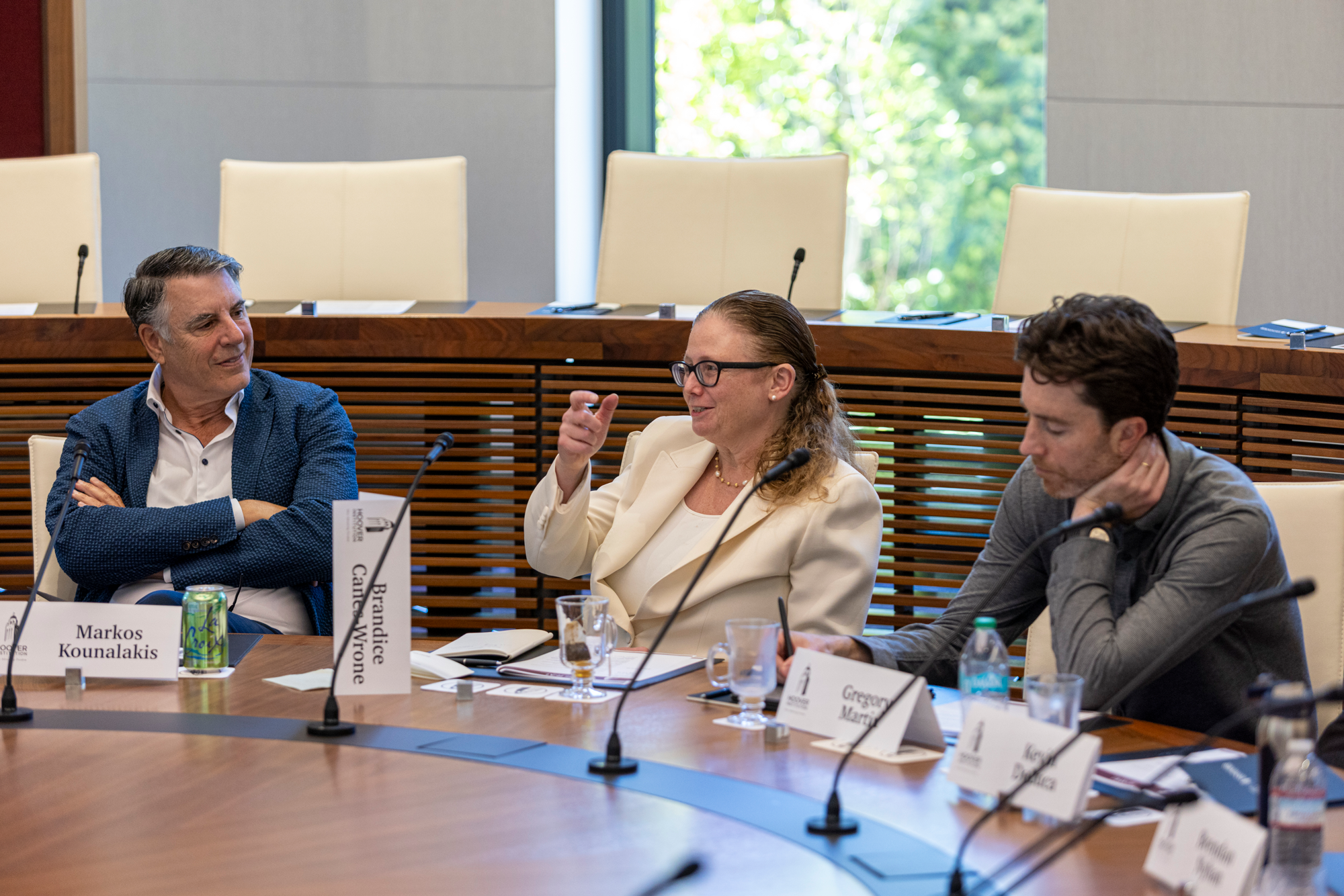
“Perhaps no period in US history has been so consequential to the existence of local and state media as the twenty-first century, when many outlets have closed or significantly reduced capacity,” said RAI Director Brandice Canes-Wrone. “In their wake, however, innovators have been leading the way with novel media developments to bring news to the people.”
The conference was made possible by the organizational efforts of Canes-Wrone, Visiting Fellow Markos Kounalakis, and Gregory J. Martin of Stanford’s Graduate School of Business (GSB).
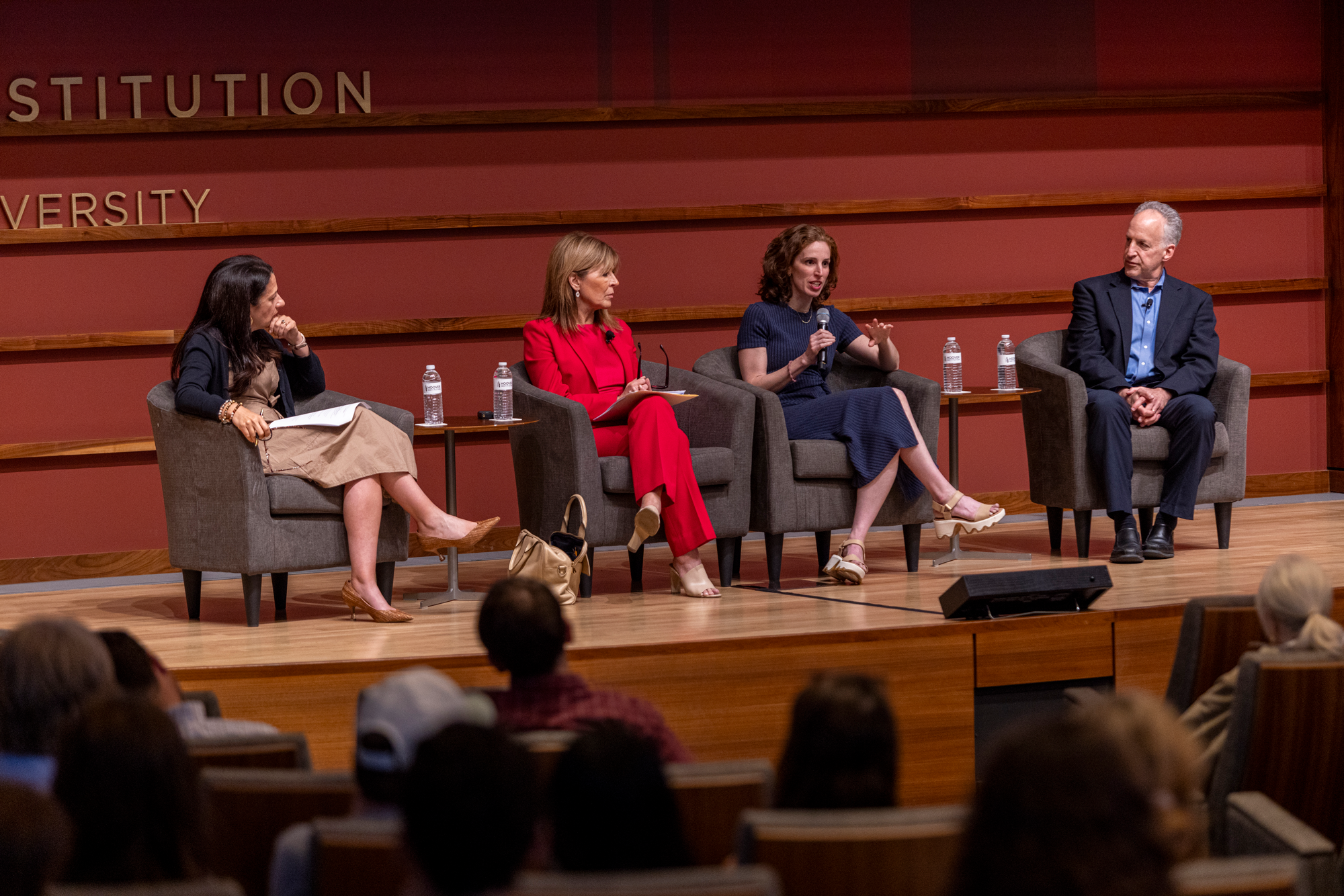
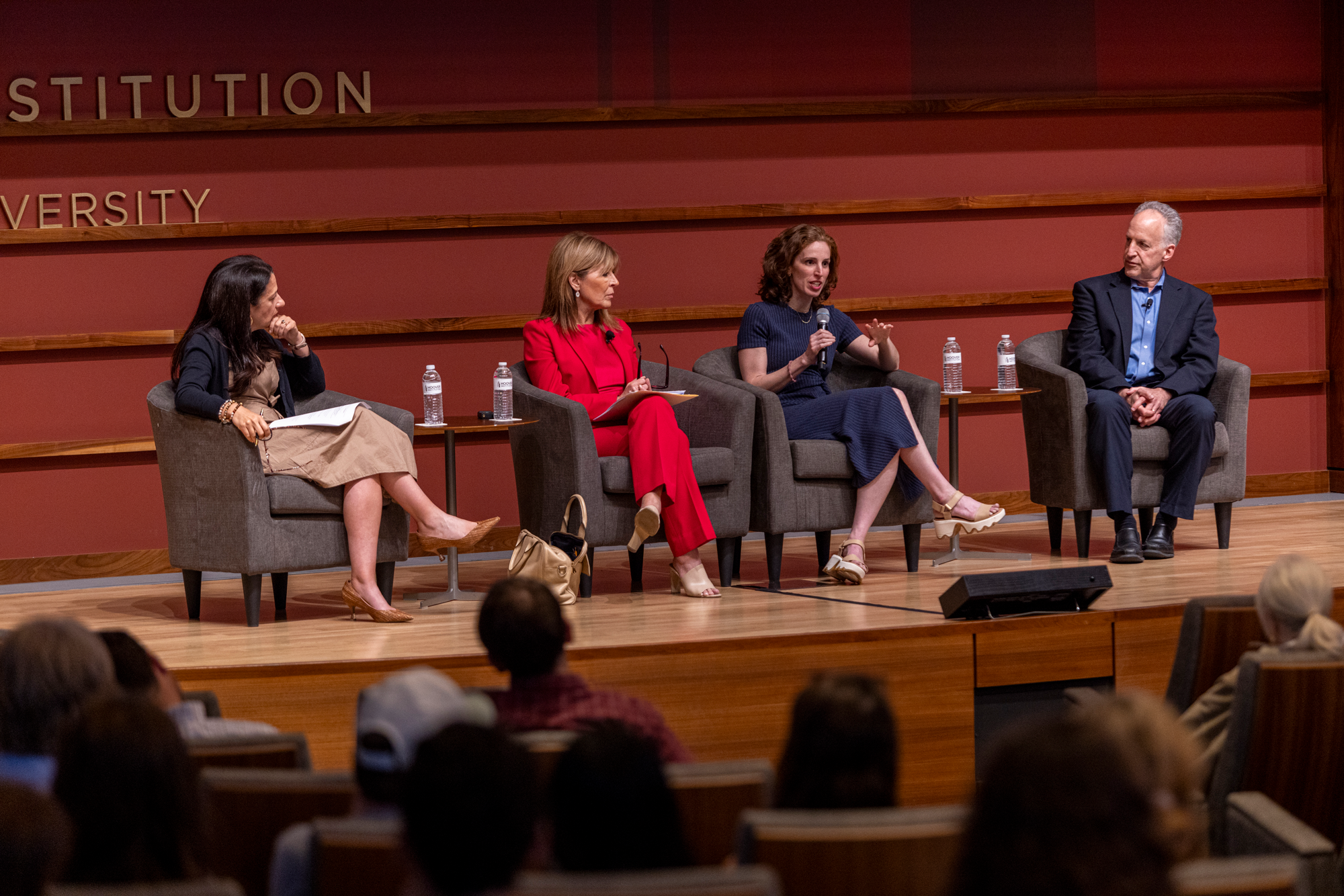
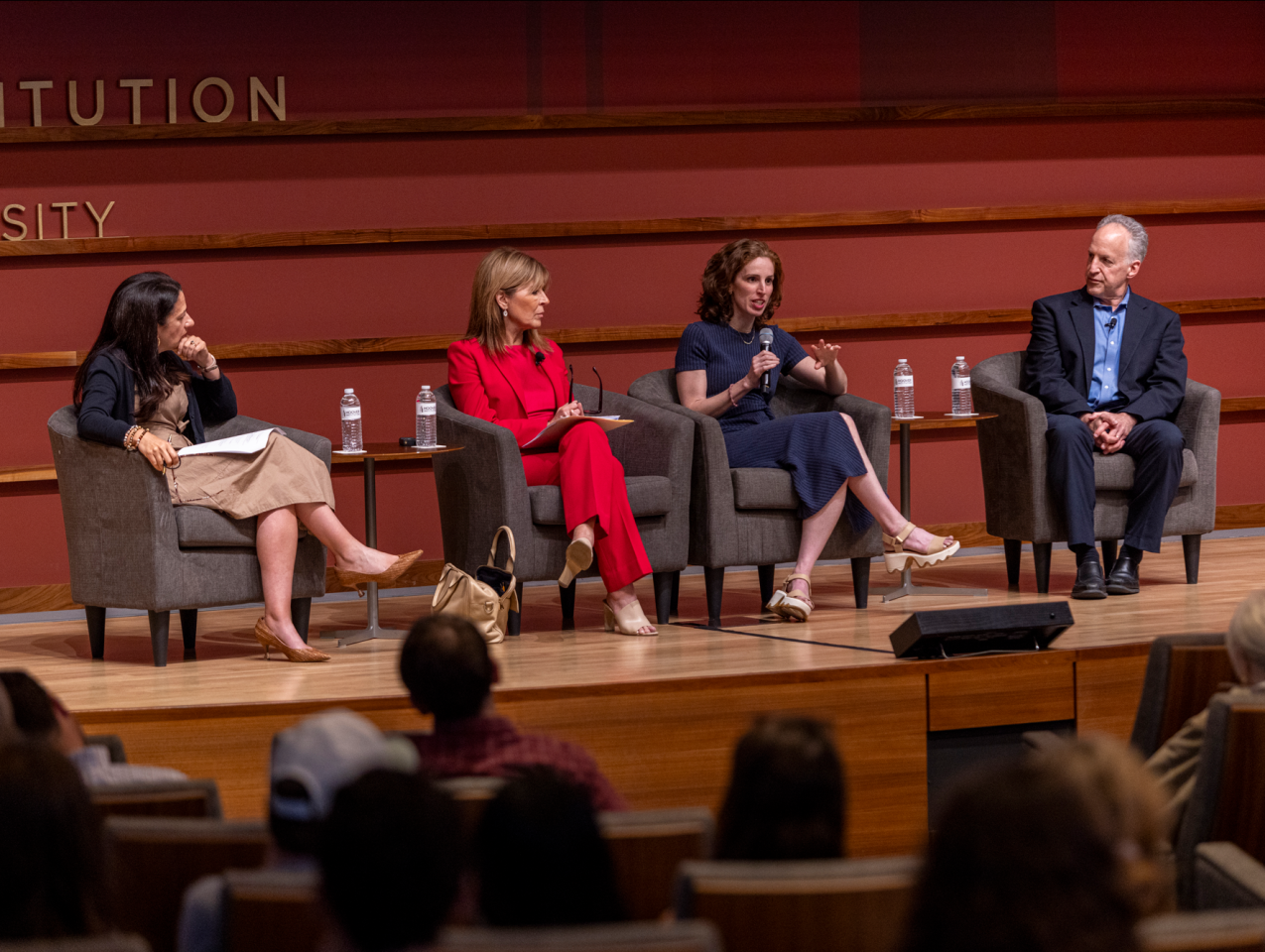
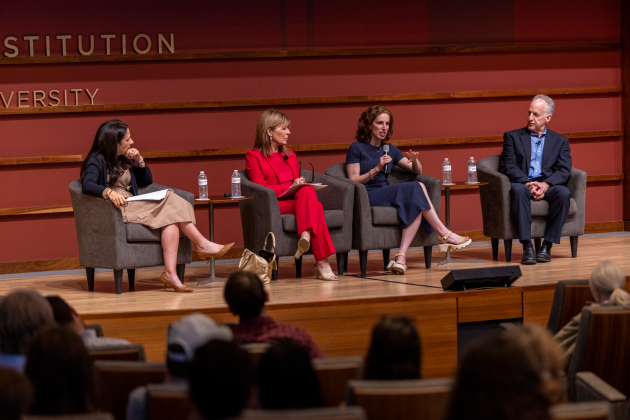
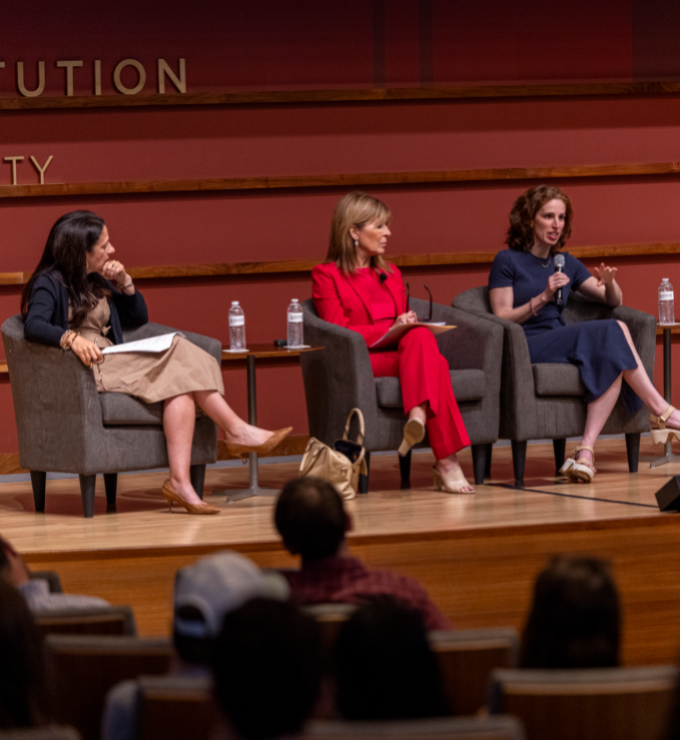
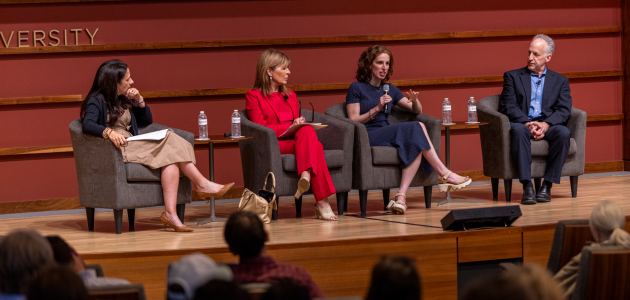
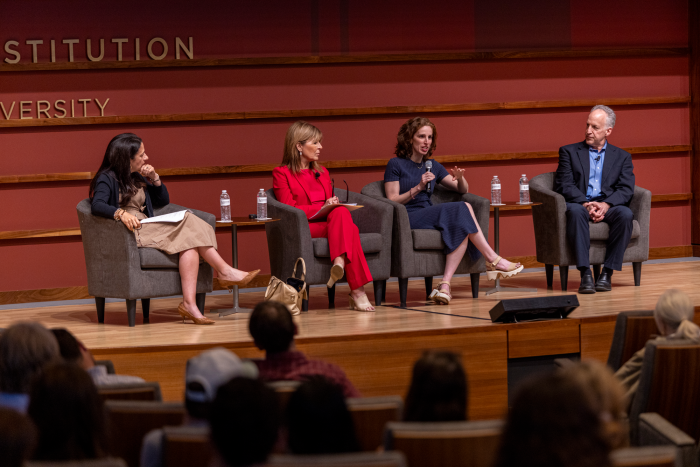
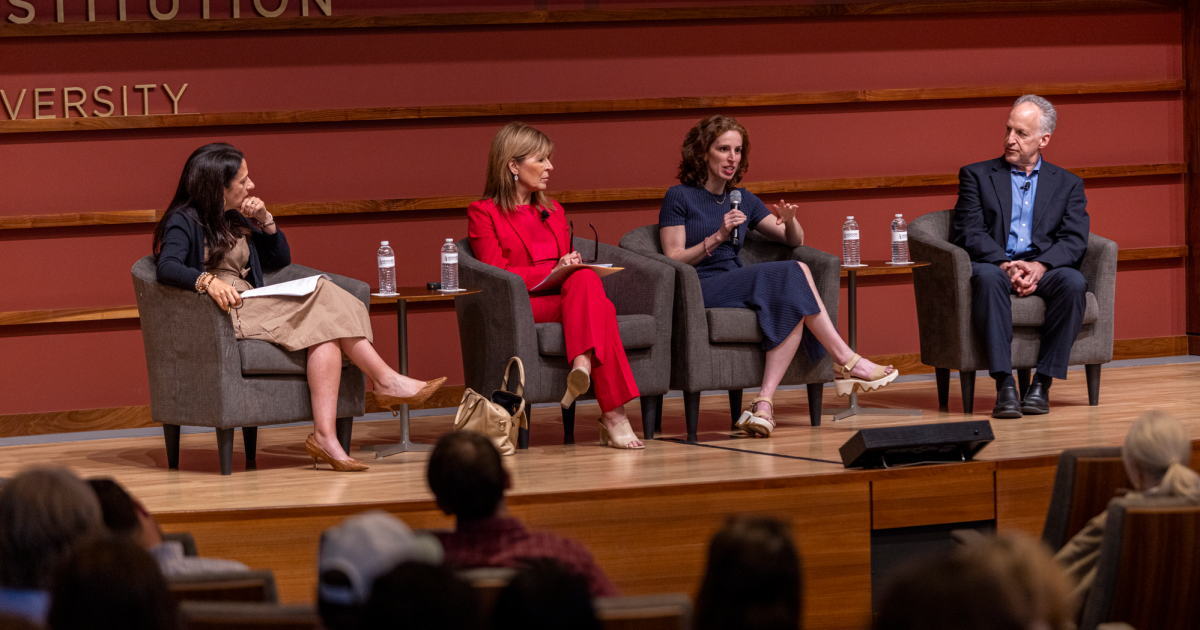
It kicked off with a public discussion at Hoover, moderated by Stanford journalism professor Janine Zacharia, about the drastic changes to the media landscape that have occurred over the past several decades.
She estimated that today, up to 50 million Americans find themselves living in “news deserts,” where all local media—including outlets that cover local municipal councils, school boards, and courts—have shut down entirely, leaving communities totally in the dark about what is going on.
Springing up to replace shuttered news outlets are a range of nonprofit and start-up local news outlets. Speaking to their value in restoring news coverage in underserved areas were panelists Neil Chase, CEO of CalMatters, and Elizabeth Green, founder of Civic News.
The panel also discussed how changes to media production, ownership, and distribution at the community level are impacting electoral politics across the nation.
Vicki Liviakis of KRON4 News (San Francisco Bay Area) spoke about how reporters can do more to make the basic comings and goings of local democracy, from school board meetings to the most routine city council hearing, more engaging for voters, in a bid to nudge them out of apathy and get them engaged in their communities.
Green highlighted the success of Civic News Company’s topic-centered newsrooms, which embed reporters in local communities to cover education, elections, and public health. Rather than chasing mass audiences, she explained, the organization targets the roughly 15 percent of Americans who are civically active and serve as trusted information sources within their communities. Liviakis spoke to the physical dangers journalists increasingly face, citing as an example the killing of a KRON4 security guard, and reflected on how the erosion of public trust, accelerated by rhetoric labeling journalists as enemies, has made the work both harder and more urgent.
Despite the whirlwind of change the industry is experiencing, all panelists agreed they love their craft, saying that “accountability journalism,” where local reporters hold local officials accountable for their decisions, remains a key function within American democracy.
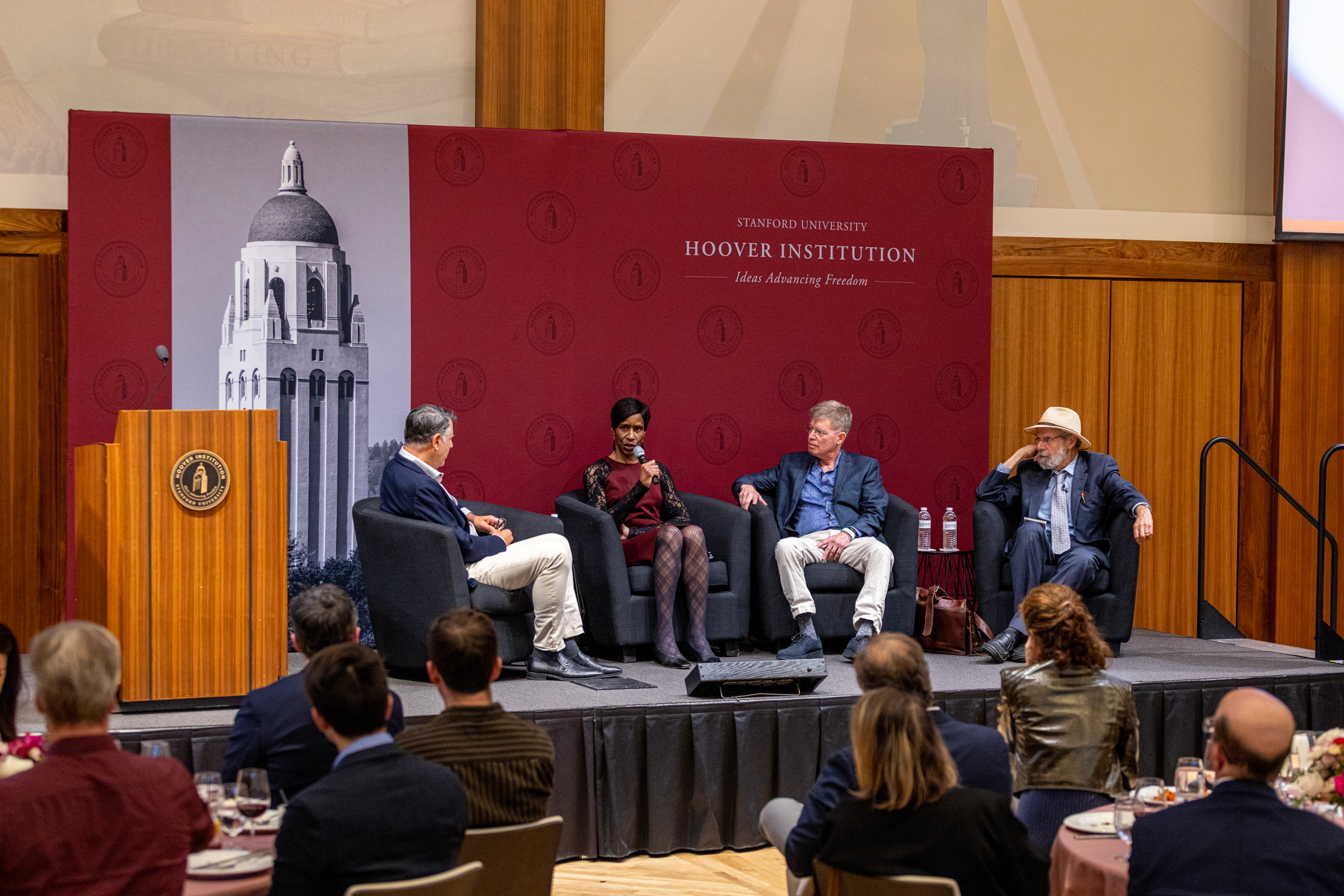
In the evening, Kounalakis convened a dinnertime panel asking journalism executives, practitioners, and academics how they can continue to hold power to account when many institutions find themselves under siege and lacking public trust.
Speaking were Ann Simmons, former Moscow bureau chief for The Wall Street Journal and now executive editor at Northeastern Global News; Peter Laufer of the University of Oregon’s School of Journalism and Communication; and Mark Bauman, formerly of Smithsonian Media and CEO of Virtual Wonders.
Simmons spoke of being pulled from Russia after her colleague Evan Gershkovich was arrested by the regime in March 2023. She wanted to remain in Russia, arguing with her superiors that her mere presence—being able to watch prices change at the supermarket and overhear chatter on public transit—enriched her coverage in a way that could not be replicated if she covered Russia from the outside. She characterized the current sentiment among foreign correspondents as one of fear, with many outlets cutting back on spending for foreign news coverage.
Bauman said that the age-old mantra in journalism—that there are two sides to every story—is often not the case. In the Lebanese Civil War, where numerous factions fought each other, there were sometimes multiple sides to the story. In the tobacco hearings of the 1990s, there was only one: smoking unequivocally causes cancer.
Laufer said the ongoing breakdown of traditional news business models is reflected in the desires of his current crop of students. Most want to work in public relations or advertising, and of those who do want to pursue journalism, most want to cover sports. Today’s students no longer covet journalism’s public accountability role because they see it can no longer provide them even a modest stable living.
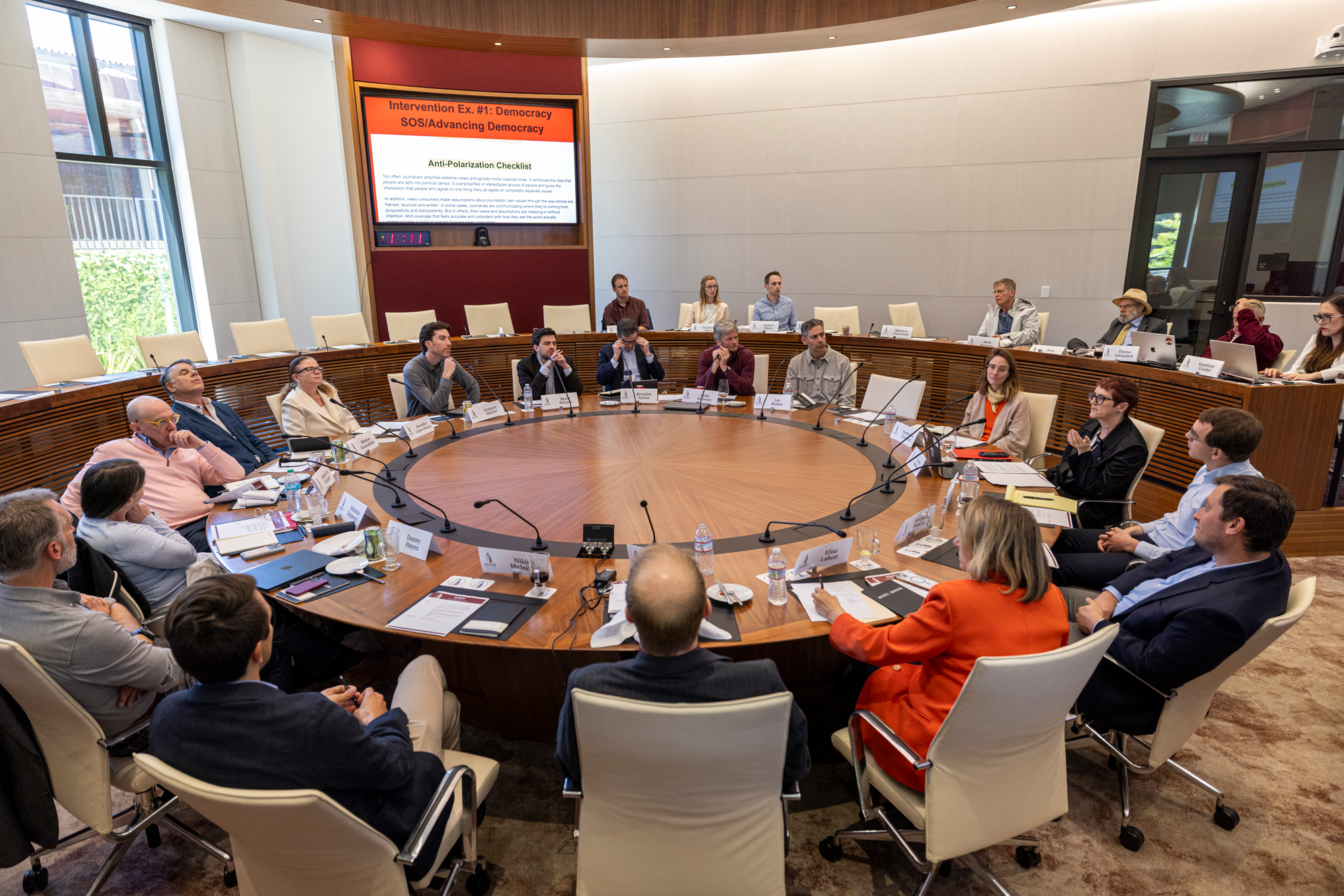
The next day, a group of scholars researching the impact of a changing media environment on American politics continued the discussion by presenting their findings alongside colleagues from RAI.
The presentations covered a range of topics, from how different approaches to journalist training and news coverage could improve public understanding of political issues to how higher-quality broadband access improves the electoral chances of incumbents.
Presenters Johanna Dunaway of Syracuse University, Danny Hayes of the George Washington University, Nikita Melnikov of the Nova School of Business and Economics in Carcavelos, Portugal, and C. Dan Myers of the University of Minnesota each presented research that highlighted how technological and economic changes to the news environment and even smartphone adoption have changed the local political arena.
In Melnikov’s study, he observed the effect of increased internet access (specifically 3G smartphone coverage) on the incumbency advantage of electoral officials. Her paper finds that greater internet penetration can strengthen incumbents, likely because online information environments favor established politicians who already have name recognition and digital presence.
But what do these changes mean for how local news outlets cover politics, the decisions they make, and whether remedial efforts can improve how newsrooms cover politics? The second panel of the conference featured presentations on these topics from Michael Auslen of the University of Texas at Austin, Erik Peterson of Rice University, Sue Robinson of the University of Wisconsin–Madison, and Stephanie Zonszein of the University of California, Berkeley.
For example, Auslen’s paper investigated how newspapers allocate coverage across different local governments within their market areas. He found that coverage varies dramatically based on population size, with smaller municipalities receiving far less attention. Though understandable in a circulation-driven business environment, this creates accountability disparities, as places with less coverage experience lower public goods provision and weaker electoral responsiveness.
The final grouping of the conference included papers from Kevin DeLuca of Yale University, Brendan Nyhan of Dartmouth College (alongside an international team of collaborating scholars), Lee Shaker of Portland State University, and Carlo Schwarz of Bocconi University, Italy, with international contributors. These final presentations sought to tie the quality of local news to voters’ understanding of issues, perceptions of local candidate quality, and ability to counter misinformation.
On the topic of informational effects, Shaker investigated whether exposure to election administration information affects voter confidence. Through survey experiments, he found that providing factual information about how elections work can modestly increase trust in the electoral processes. However, partisan identity mediates these effects, with Republicans being less responsive to reassuring information.
The conference concluded having established a better understanding of the consequences of a changing media landscape, with the decline of local media and the advent of social media reshaping electoral competition, civic participation, and public trust in democratic institutions.