







- The Presidency
- Revitalizing American Institutions
As America prepares to celebrate its Presidents’ Day holiday, let’s look back at two choices that the most recent former occupant of the Oval Office likely regrets.
One of Joe Biden’s missteps you likely already know: after abandoning a re-election that seemed destined to fail, he endorsed his vice president, Kamala Harris, as his heir rather than let his fellow Democratics have a brief competition to decide the best candidate to do battle with Donald Trump (a year after Harris’s drubbing, it’s still open season on her political skills—or lack thereof).
Biden’s previous gaffe: choosing to run again in 2024 rather than, at some point in 2023, announcing the opposite. Why was that a blunder? Besides sullying Biden’s legacy by feeding criticism that he was a cognitively challenged octogenarian who had no business on a debate stage, it distracted from something presidents confront while in office: laying the groundwork for their presidential libraries.
Thirteen months after Biden left office, a Biden presidential library is a virtual concept with little to show other than a National Archives website. No locale has been chosen, nor any ground broken (reportedly, it will be somewhere in Biden’s home state of Delaware—his aides envisioning an “immersive museum” and “a hub for leadership, service, and civic engagement”).
Then there’s the arduous task of raising money. Recent presidential libraries’ price tags range from $165 million (Bill Clinton’s library in Little Rock) to $500 million (George W. Bush’s presidential complex in Dallas)—and then there are Barack Obama’s even pricier digs in Chicago. More on that in a moment.
Biden’s unceremonious exit from the presidential race, coupled with Harris’s stunning loss, apparently left some Democratic donors with a bad taste in their mouths, and in no mood to shower the former president with construction money. As one would-be donor acidly noted, “I don’t believe a library will ever be built unless it’s a bookmobile from the old days.”
Add to that one other variable complicating a future Biden library: the former president’s health. Having turned eighty-three last November and saddled with advanced prostate cancer, Biden does not have time on his side (it took nearly two-and-a-half years for the Bush library to go from groundbreaking to its public opening).
All of which is 180 degrees opposite of what will be the nation’s fourteenth presidential library when it is scheduled to open its doors this summer: Barack and Michelle Obama’s shrine, about seven miles south of downtown Chicago alongside Lake Michigan. Obama’s library broke ground nearly four-and-a-half years ago, some four years and eight months after America’s forty-fourth president left office.
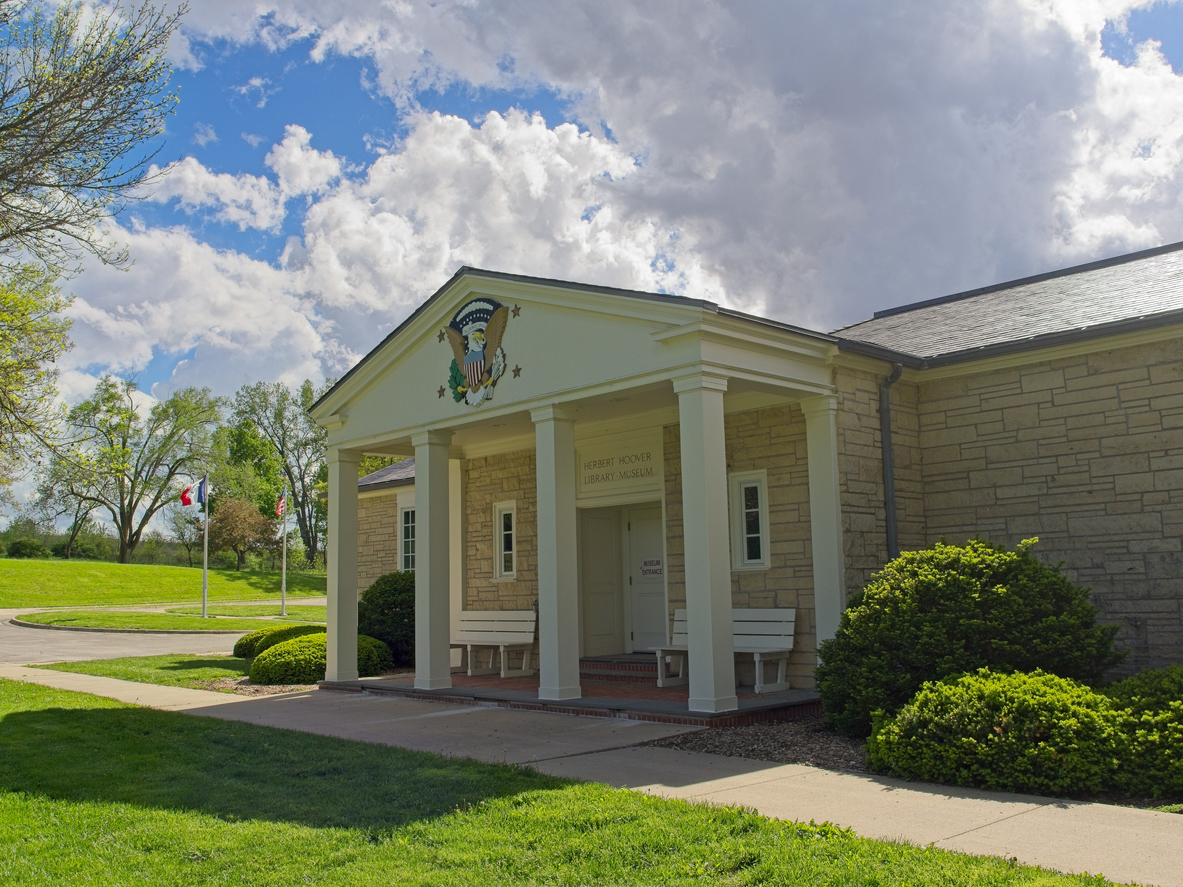
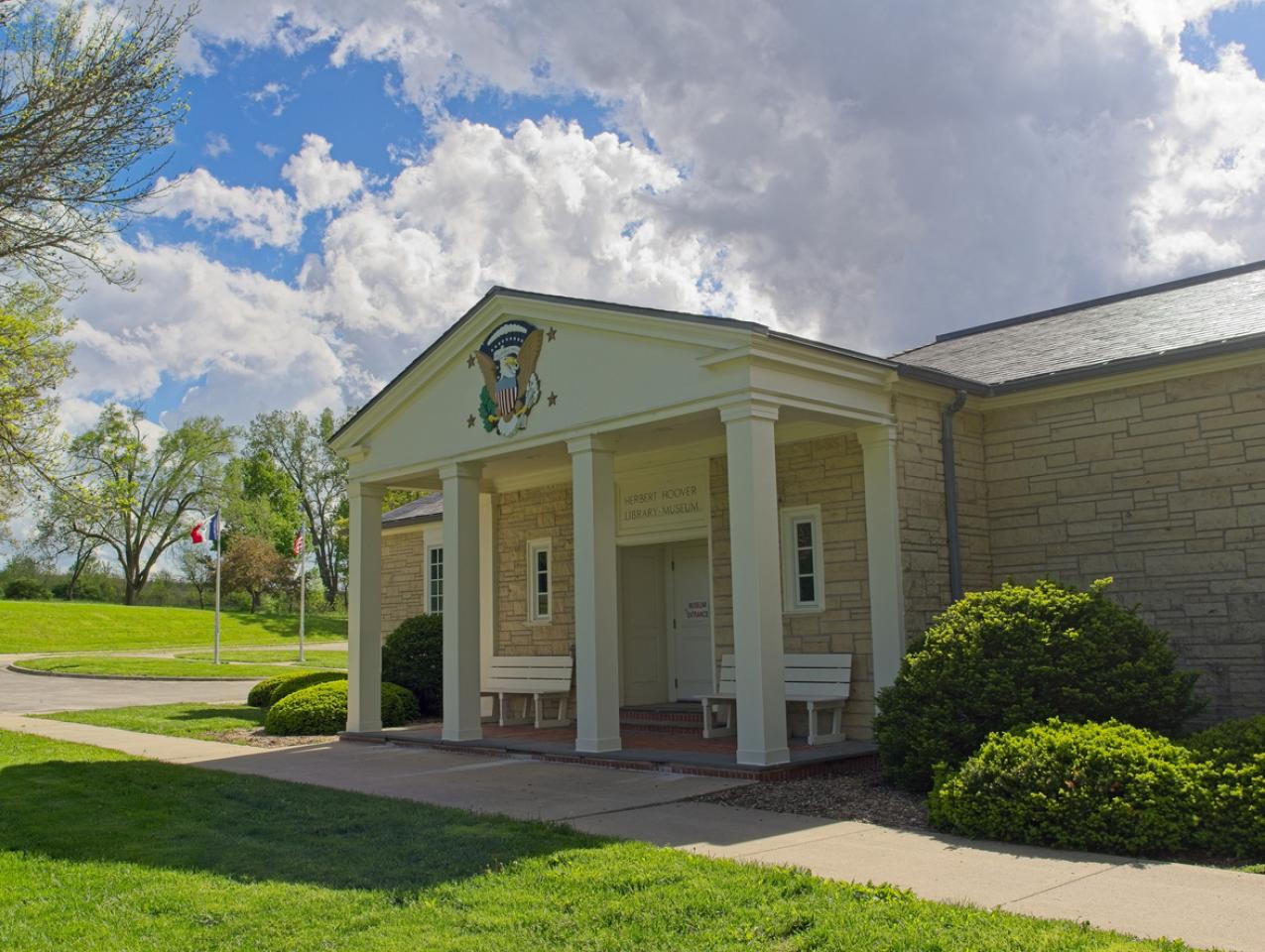
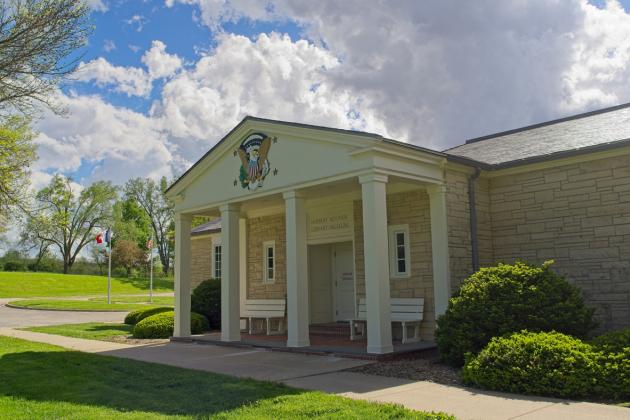
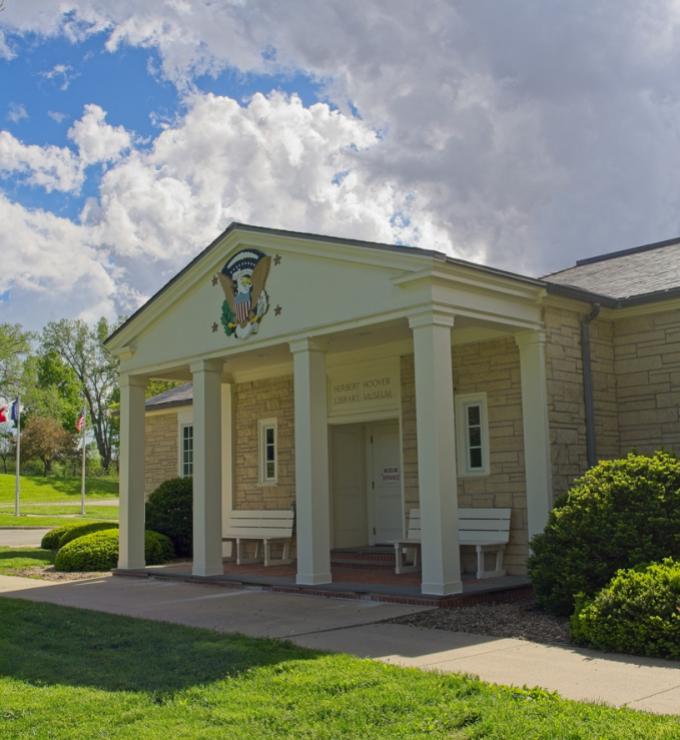
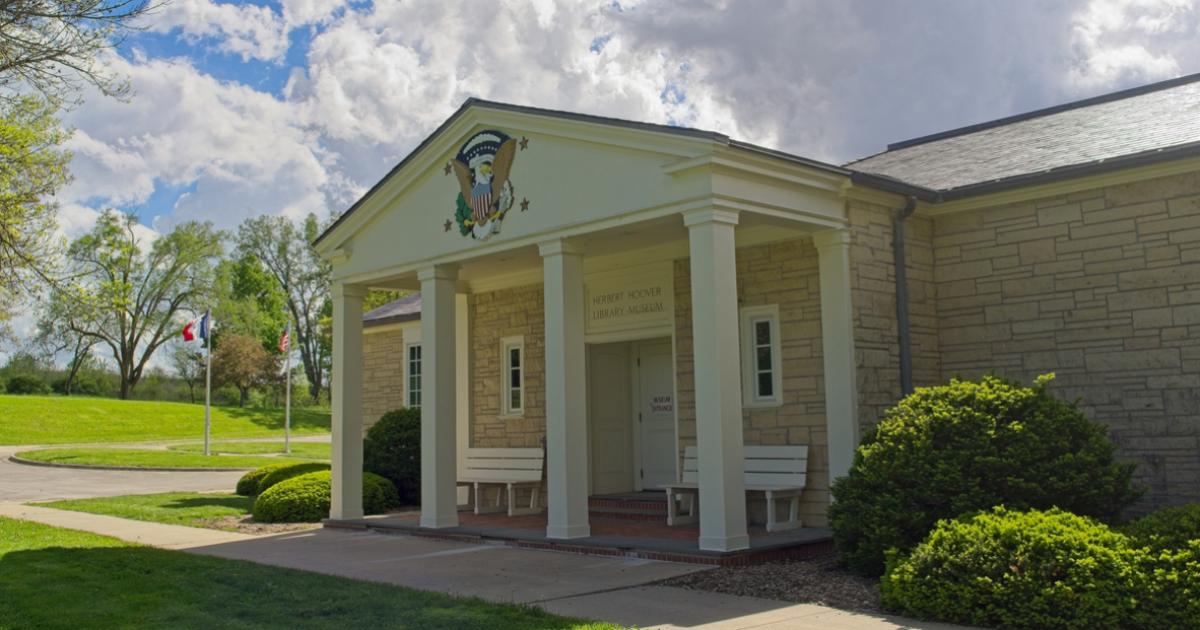
Every president dating back to Herbert Hoover has a library. The collections of pre-Hoover presidents either reside in the Library of Congress or can be found in universities, libraries, and other private repositories. Three things set the Obama undertaking apart from its thirteen cousins:
First, the Obama library (formally, the Obama Presidential Center) is not part of the National Archives and Records Administration, which establishes a presidential materials project to house and index documents until they’re made available to the public, either in a library building or digitally. Translation: Obama is the first president since Calvin Coolidge not to have a federally owned facility.
Second, and not to be mistaken for the library of the spendthrift Calvin Coolidge, whose presidential library in Northampton, Massachusetts (his home after leaving the White House in 1929), is actually a library within a library, the Obama facility is a testament to fiscal recklessness: originally projected to cost $300 million, the final price tag may be triple that estimate.
And for what, you might ask? The third distinction is the space itself. A twenty-acre “living, breathing, cultural and gathering space” features a library, a “Home Court” featuring an NBA-sized basketball court (the building heated and cooled by geothermal energy, of course), and, most controversially, a 225-foot-tall beige concrete- and stone-clad tower (a.k.a. the “Obamalisk”) that’s double the height of the 115-foot granite obelisk atop the final resting place of fellow Illinoisan Abraham Lincoln in Springfield. Among the architectural reviews: a University of Chicago art historian likening the Obamalisk to “a cenotaph, a tombstone, a crusader fortress in brutalist style,” and an Australian TV host declaring it a “North Korean guard tower.”
Such is the current dilemma with the latest presidential libraries. Obama’s project is a study in excess, while Biden’s project speaks to a lack of strategic planning.
And then there’s the forty-seventh president. As usual, Donald Trump and controversy go hand in hand.
According to Trump’s son Eric, the future library will be “one of the most beautiful buildings every built” and “an Icon on the Miami skyline.” Never mind such sideshows as the dignity of the office (the future Trump complex might include a forty-seven-story tower, a hotel, and a rooftop restaurant) or jurisprudence (a judge issued and later withdrew an injunction against the land transfer from Miami Dade College). But add a smidgeon of irony, since the proposed library site would be adjacent to Miami’s Freedom Tower, which honors the city’s melting-pot legacy.
Is this the future of presidential libraries—ever more expensive, and furthermore vain, tributes to ex-statesmen? The good news: another former president (well, his descendants and admirers) has bucked the trend with a library that’s decidedly modest in its undertaking and far from any population center.
This July 4, in addition to being the 250th anniversary of the founding of the American republic, will mark the opening of the Theodore Roosevelt Presidential Library in, of all places, Medora, North Dakota. Why there? In part because it’s adjacent to Theodore Roosevelt National Park, but also because it’s vital to understanding the saga of America’s twenty-sixth president. Roosevelt, the future conservationist, first came to America’s Badlands as a twenty-four-year-old East Coaster with little appreciation for the land’s beauty, then returned a year later to pursue a more “strenuous life” as he processed the death of his wife and mother, who both passed away on the same day in February 1884.
About the new Roosevelt library: there is no rising obelisk or adjacent hotel. In fact, the structure is more a museum than a mecca for presidential scholars. In the organizers’ words, “TR’s library should be the people’s library, not a box in the Badlands with artifacts under glass. . . . We can embrace immersive storytelling and new technologies and build a first-of-its-kind digital library for an analog president.” (In case you’re curious, the Library of Congress houses approximately 276,000 TR-related documents including personal and official correspondence, diaries, book drafts, articles, and speeches, with the bulk of the material covering the last four decades of Roosevelt’s life, ending in 1919).
Perhaps this is a model for presidential libraries moving forward: rather than elaborate centers that necessitate nine-figure spending and fall short of good taste and decorum, instead create museums in honor of former presidents, leaving the paper trail in some other research center—the Library of Congress, the University of Virginia’s Miller Center—for scholars to do their sleuthing.
Such an approach might have spared America from an Obamalisk looming over Lake Michigan, or from the sad spectacle of former Biden acolytes chasing dollars they’ll likely never see (Biden’s presidential foundation tells the IRS that it expects to raise only $11.3 million by the end of 2027), or maybe even from MAGA-imagined excess.
And maybe, just maybe, it could return Presidents’ Day to what it should be: a celebration of America’s leaders, as opposed to another excuse for Americans to go shopping.

