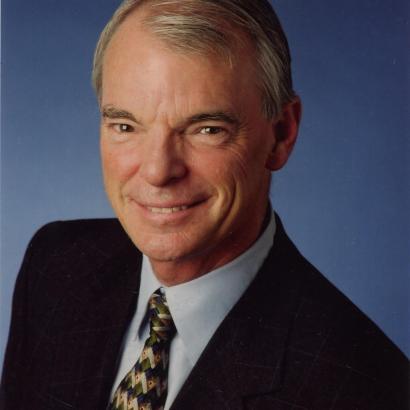
A fellow at the Hoover Institution and a professor of economics at New York University Stern School of Business, Michael Spence won the Nobel Prize in Economic Sciences in 2001. His latest book is The Next Convergence: The Future of Economic Growth in a Multi-Speed World.

Recorded on Thursday, June 23, 2011

Cast

Michael Spence

Michael Spence

Related

VIDEO

Should We Regulate AI (Before It's Too Late)?

Artificial intelligence could become one of the most consequential drivers of productivity and economic growth in a generation. Yet concerns about job displacement, misinformation, and political disruption have prompted calls to regulate the technology before its effects are fully understood. History shows that major innovations disrupt existing industries while creating new forms of work and enterprise that policymakers rarely anticipate. Premature regulation risks entrenching established firms, limiting competition, and expanding government influence over information. The challenge is to address genuine harms while preserving the freedom and experimentation that allow innovation to advance.

VIDEO

Is Minimum Wage A Dead End?

Minimum wage policy is intended to increase earnings for low-wage workers and reduce poverty. Evidence from state-level increases, however, shows that businesses may respond by changing how many people they employ, how many hours they offer, whom they hire, and how much work they automate. Workers who remain employed may earn more per hour, but others may lose income or job opportunities, while many of those who benefit do not live in poor households. The Earned Income Tax Credit (EITC) directs support toward low-income working families without putting other workers’ jobs or hours at risk.

Articles

Money and Power: Historical Lessons for Stablecoins and U.S. Dollar Dominance

Economics Working Paper 26126

September 8, 2026