


The Hoover Institution hosted "The White House and the Administrative State: Lessons Learned, from Reagan to Trump" on Thursday, May 17, 2018 from 12:15pm - 1:30pm EST.
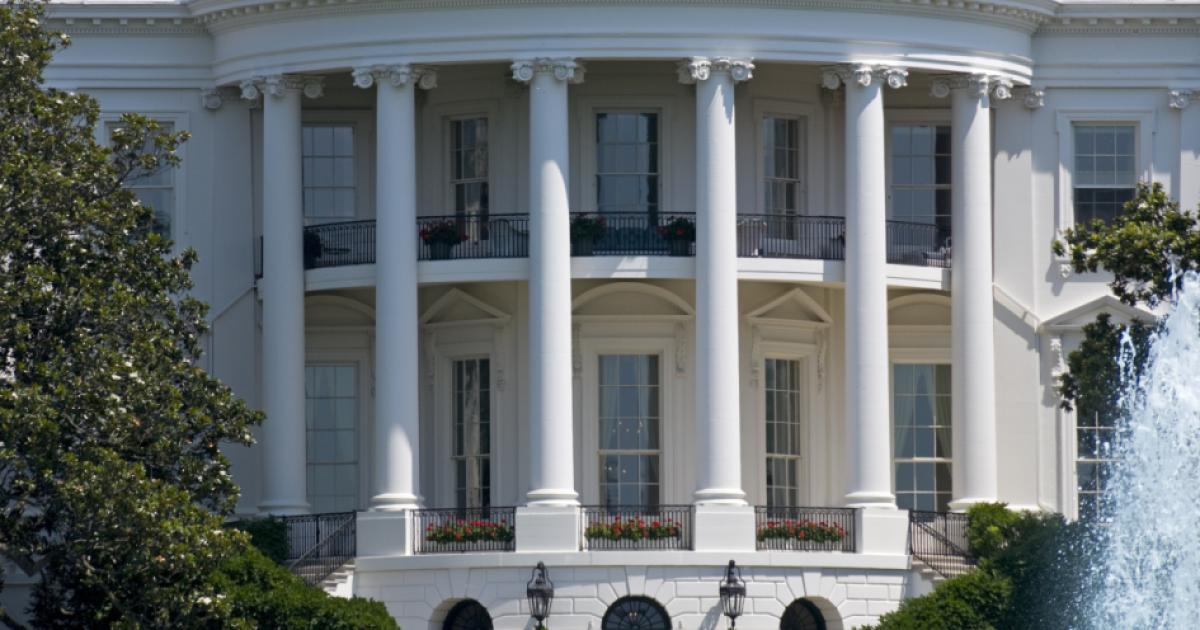
In 1981, President Reagan signed Executive Order 12291, which established the modern framework for centralized White House oversight of executive agencies' regulations through the newly created Office of Information and Regulatory Affairs. When it was created, it was highly controversial; but today, nearly forty years later, OIRA is widely accepted and celebrated by Democrats and Republicans alike.
What explains OIRA's success? And what lessons can we apply to the more recent executive orders signed by President Trump to expand OIRA's powers?
In a recent essay in National Affairs, political scientist Andrew Rudalevige analyzes OIRA's history and finds that "lasting reform comes only from institutionalization, which requires the long-term investment of organizational resources, ranging from staff expertise to political capital." And, he adds, "whether those resources will be provided depends on how much good government a president really wants to buy."
On May 17, Professor Rudalevige joined us to discuss his article with Hoover Institution research fellow Adam White and former OIRA Administrator Susan Dudley.
This event is part of the Hoover Institution's monthly discussion series: "Opening Arguments: Conversations on American Constitutionalism."
Andrew Rudalevige is the Thomas Brackett Reed Professor of Government at Bowdoin College.
Susan Dudley directs George Washington University's Regulatory Studies Center, and she is a Distinguished Professor of Practice at the Trachtenberg School of Public Policy & Public Administration. She served as OIRA Administrator from 2007 to 2009.
Adam White is a research fellow at the Hoover Institution.