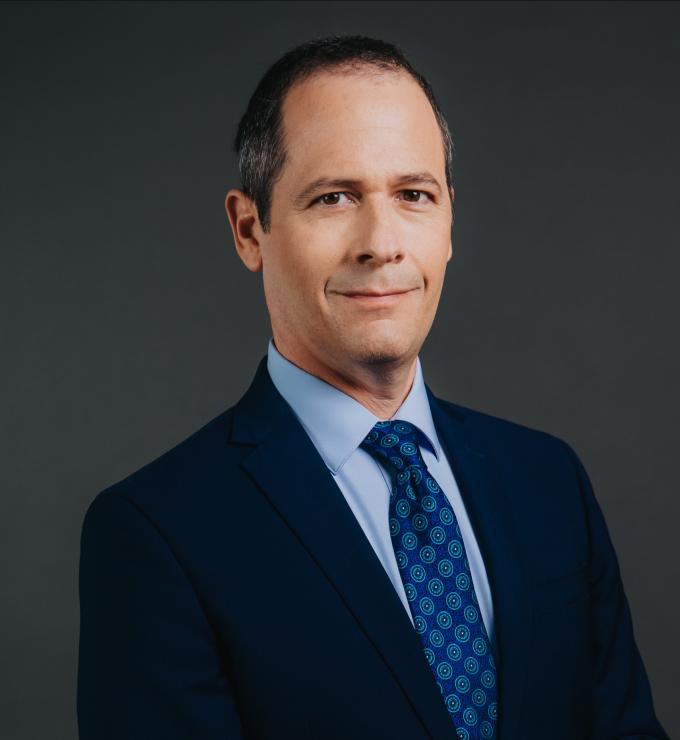
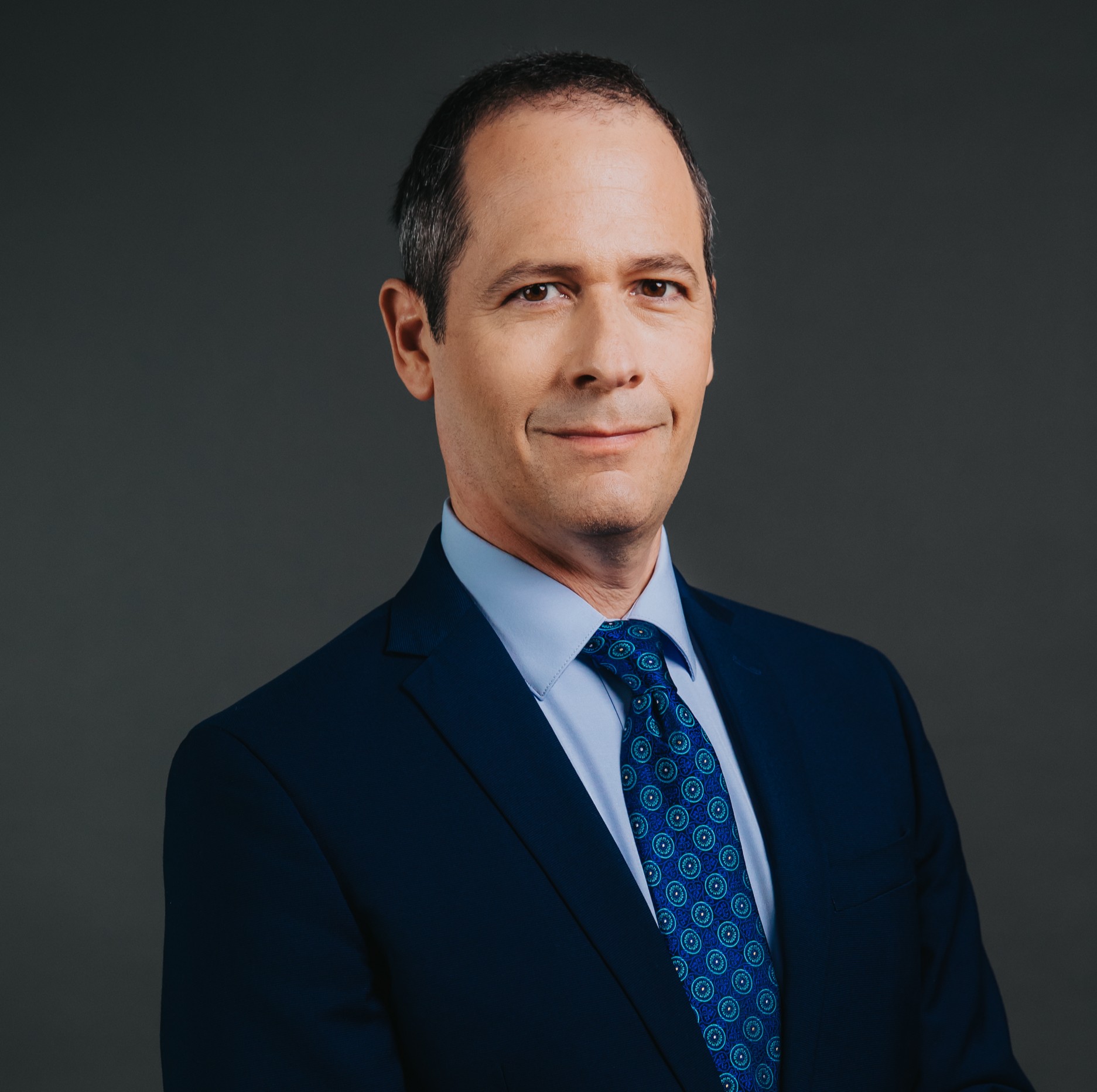
Joshua D. Rauh

Senior Fellow
Biography: 

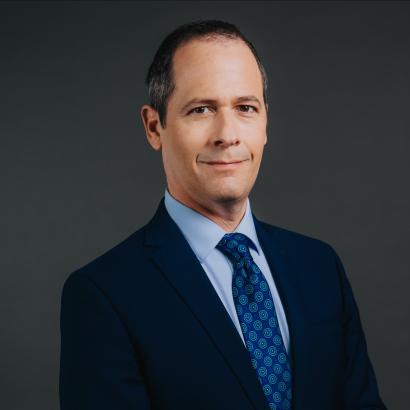
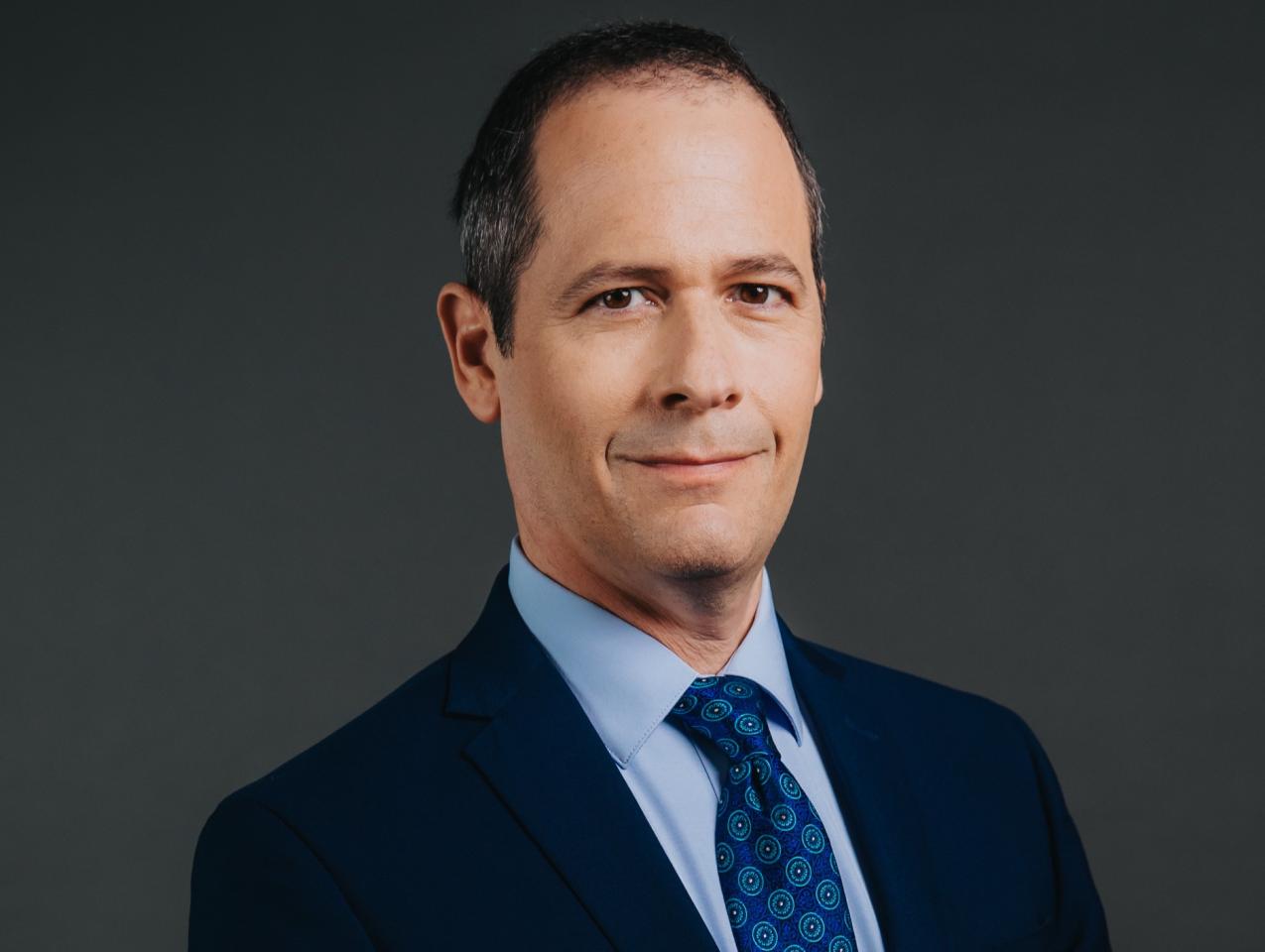
Joshua Rauh is the Ormond Family Professor of Finance at Stanford’s Graduate School of Business and a senior fellow at the Hoover Institution.

He formerly served at the White House where he was principal chief economist on the President’s Council of Economic Advisers (2019-20), and taught at the University of Chicago’s Booth School of Business (2004–9) and the Kellogg School of Management (2009–12). At the Hoover Institution he has served as Director of Research (2018-19). Rauh studies government pension liabilities, corporate investment, business taxation, and investment management. His research on pension systems and public finance has received national media coverage in outlets such as the Wall Street Journal, the New York Times, the Financial Times, and The Economist, and he has testified before Congress on these topics. His PragerU video “Public Pensions: An Economic Time Bomb” has been viewed over four million times on the PragerU website and over three million times on YouTube. He has published numerous journal articles and has received various awards recognizing his scholarship including the Brattle Prize and the Smith Breeden Prize of the American Finance Association. His scholarly papers have appeared in journals such as the Journal of Political Economy, the Quarterly Journal of Economics, the Journal of Finance, the Journal of Financial Economics, the Review of Financial Studies, and the Journal of Public Economics.

Prior to his academic career, he was an associate economist at Goldman Sachs in London. Rauh received a BA from Yale University and a PhD from the Massachusetts Institute of Technology, both in economics.

Filter By:

Topic

Type

Recent Commentary

Featured

Joshua Rauh On The John Batchelor Show

interview with Joshua D. Rauhvia The John Batchelor Show
Monday, November 15, 2021

Hoover Institution fellow Joshua Rauh discusses his Wall Street Journal article "‘Net Zero’ Will Make Wall Street Richer at Main Street’s Expense."

Featured

‘Net Zero’ Will Make Wall Street Richer At Main Street’s Expense

by Joshua D. Rauhvia The Wall Street Journal
Thursday, November 11, 2021

[Subscription Required] Follow the money and note who benefits from creating an artificial demand for renewable energy.

Co-Author: Mels de Zeeuw

Featured

Private Investigations: Can Institutional Investors Fill The Infrastructure Gap?

by Joshua D. Rauh, Aleksandar Andonovvia Stanford Institute for Economic Policy Research (SIEPR)
Friday, October 29, 2021

Policymakers around the world are concerned about a mismatch between infrastructure investment needs and actual investment. In the U.S., the American Society of Civil Engineers estimates cumulative infrastructure investment needs at $2.6 trillion between 2020 and 2029 (American Society of Civil Engineers 2021).

Co-Author: Mels de Zeeuw

The Tax Cartel Cometh

by Joshua D. Rauh, Aharon Friedmanvia Hoover Digest
Monday, October 18, 2021
Big-government control of the international tax system looks a lot like imperialism—and a bad deal for American workers and consumers.
In the News

A Bridge Too Far: The Pitfalls Of Private Infrastructure Funds

featuring Joshua D. Rauhvia Stanford Graduate School of Business
Friday, October 1, 2021

A new study finds that investing in public works fails to deliver on its promise of steady returns.

Policy InsightsFeatured

State Budget Woes

featuring Joshua D. Rauh, Lee Ohanian, Michael J. Boskin, John H. Cochrane, Richard A. Epstein, Daniel Heilvia PolicyEd
Thursday, July 1, 2021

State and local officials continue to face significant budget challenges that predate the pandemic. What are these budget challenges and what can state lawmakers do to address them?

State Budget Woes

by Daniel Heil featuring the work of Joshua D. Rauh, Lee Ohanian, Michael J. Boskin, John H. Cochrane, Richard A. Epsteinvia Policy Insights | A Succinct Guide to Important Policy Questions
Wednesday, June 30, 2021

State and local officials continue to face significant budget challenges that predate the pandemic. What are these budget challenges and what can state lawmakers do to address them?

Policy StoriesFeatured

Tax Flight: Behavioral Responses To State Income Taxation

by Joshua D. Rauhvia PolicyEd
Tuesday, June 29, 2021

Tax rate increases in California led many high earners to move, bringing in less revenue than expected.

Featured

The Biden Administration’s Global Tax Imperialism

by Joshua D. Rauh, Aharon Friedmanvia National Review
Monday, June 28, 2021

The U.S. Treasury is effectively ganging up with international bureaucrats and like-minded foreign governments to bully countries into increasing their taxes.

Featured

Biden's Confiscatory Tax Plans Unleash Class Warfare

by Joshua D. Rauh, Aharon Friedmanvia The Hill
Wednesday, June 9, 2021

In his latest economic policy proposals, President Biden has laid out a wish list of tax increases to help pay for his administration’s proposed massive spending increases. His rhetoric, which accuses “corporate America and the wealthiest 1 percent of Americans” of not paying their “fair share,” is a well-worn page from the class warfare playbook. Unfortunately, it perpetuates many misconceptions about the U.S. tax system and ignores the extreme negative effect that these tax hikes would have on investment, work and wages.

Pages