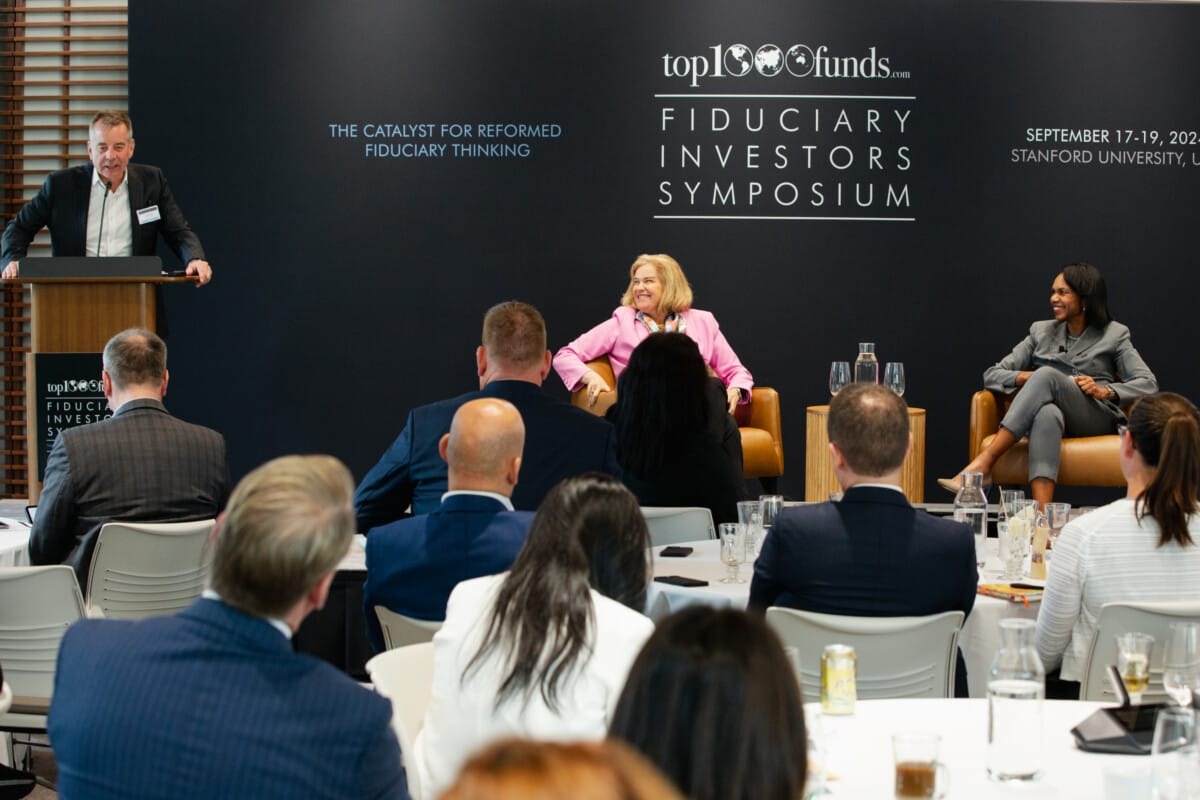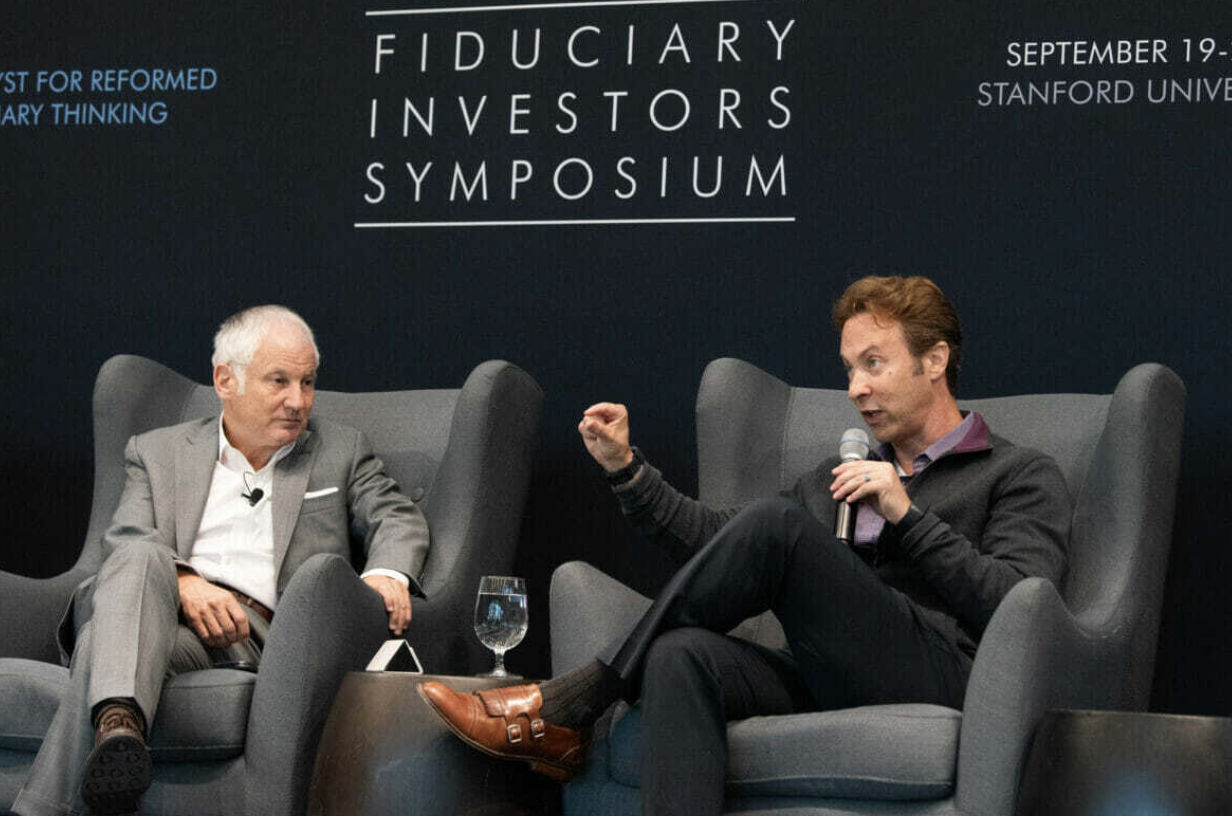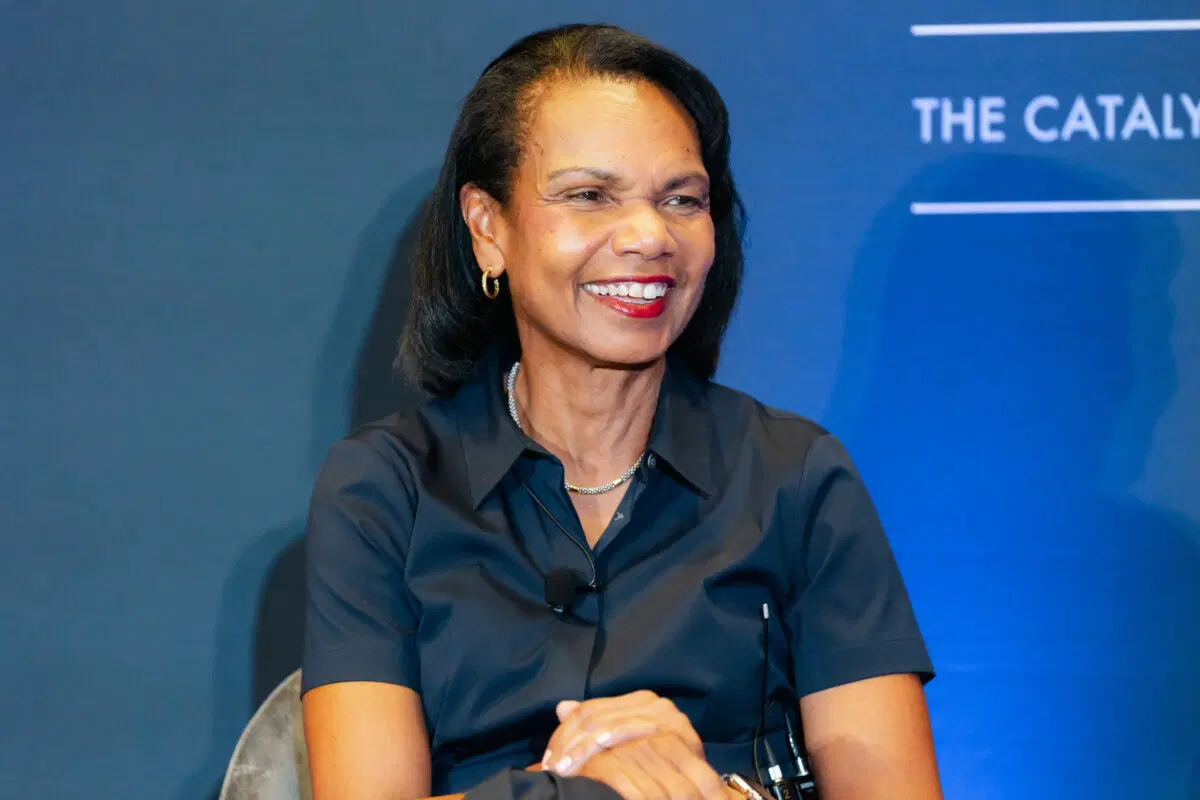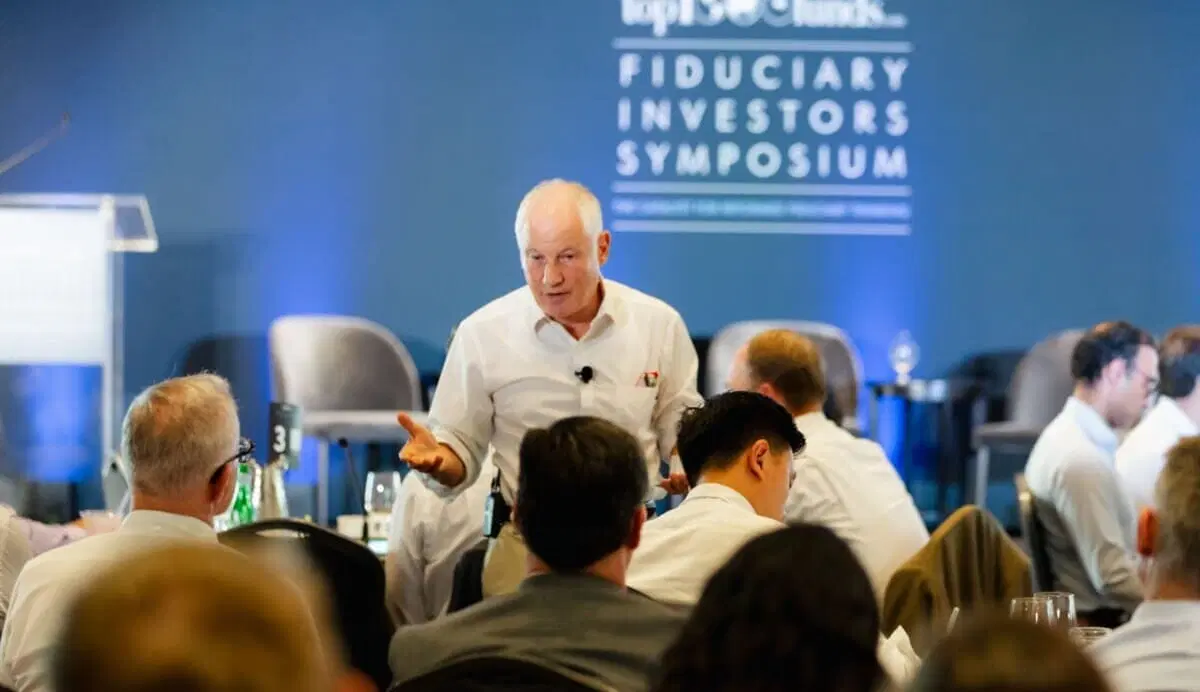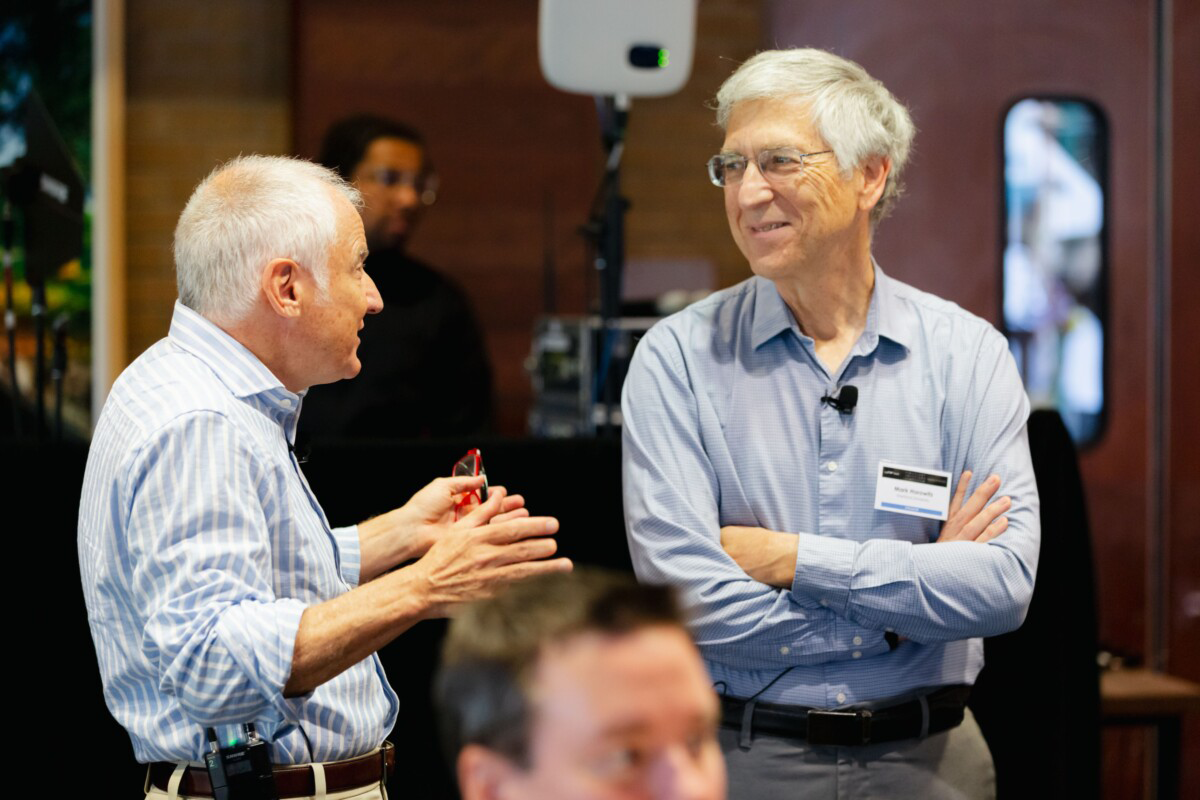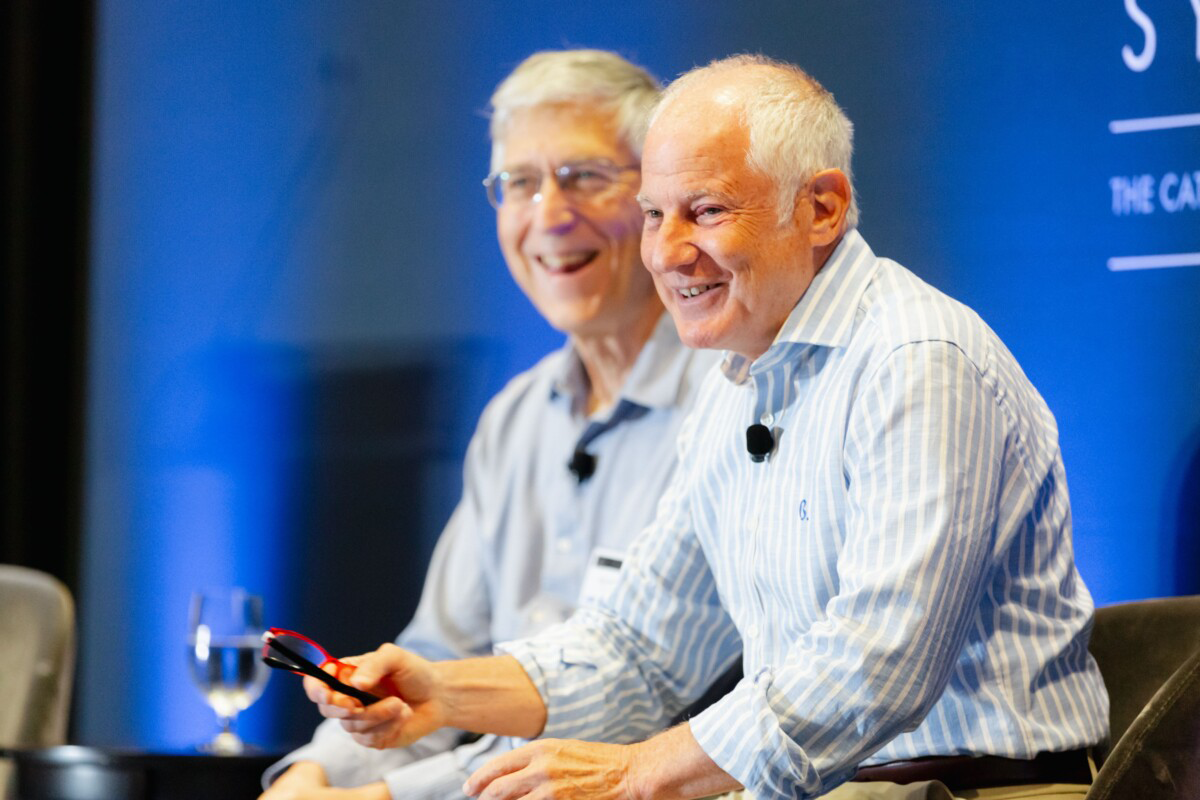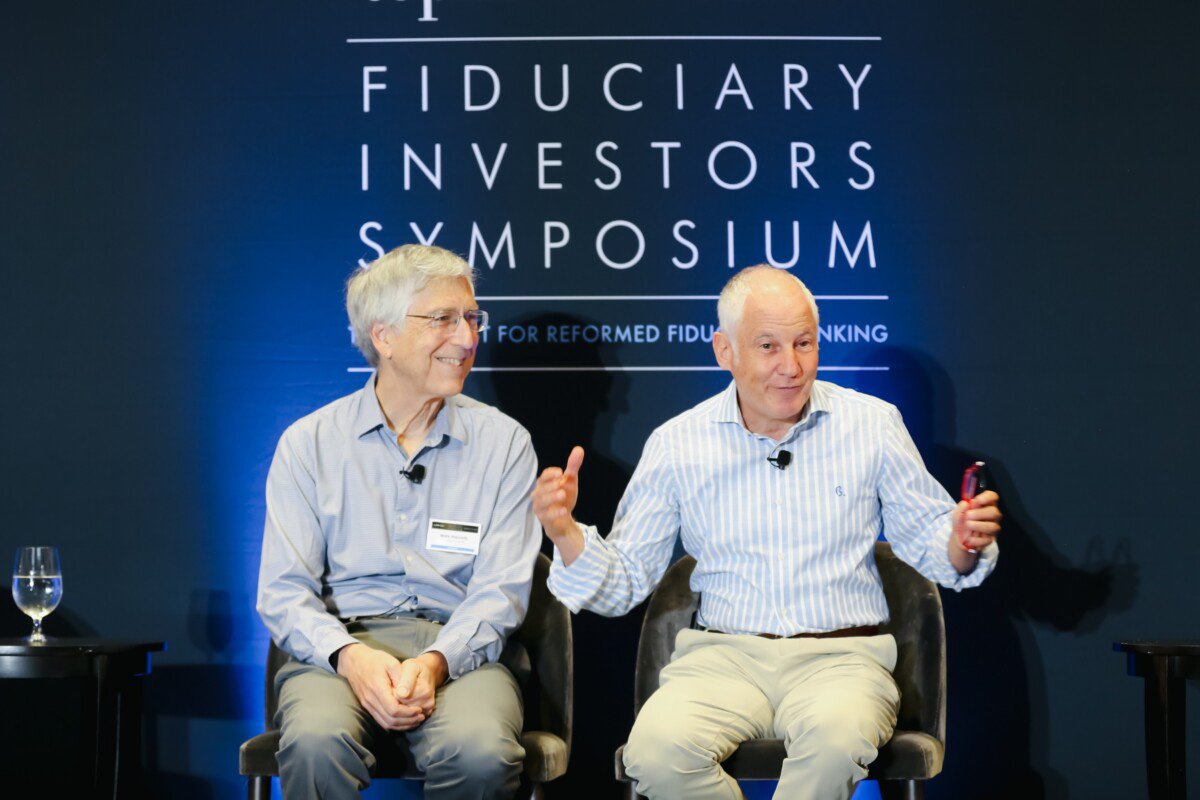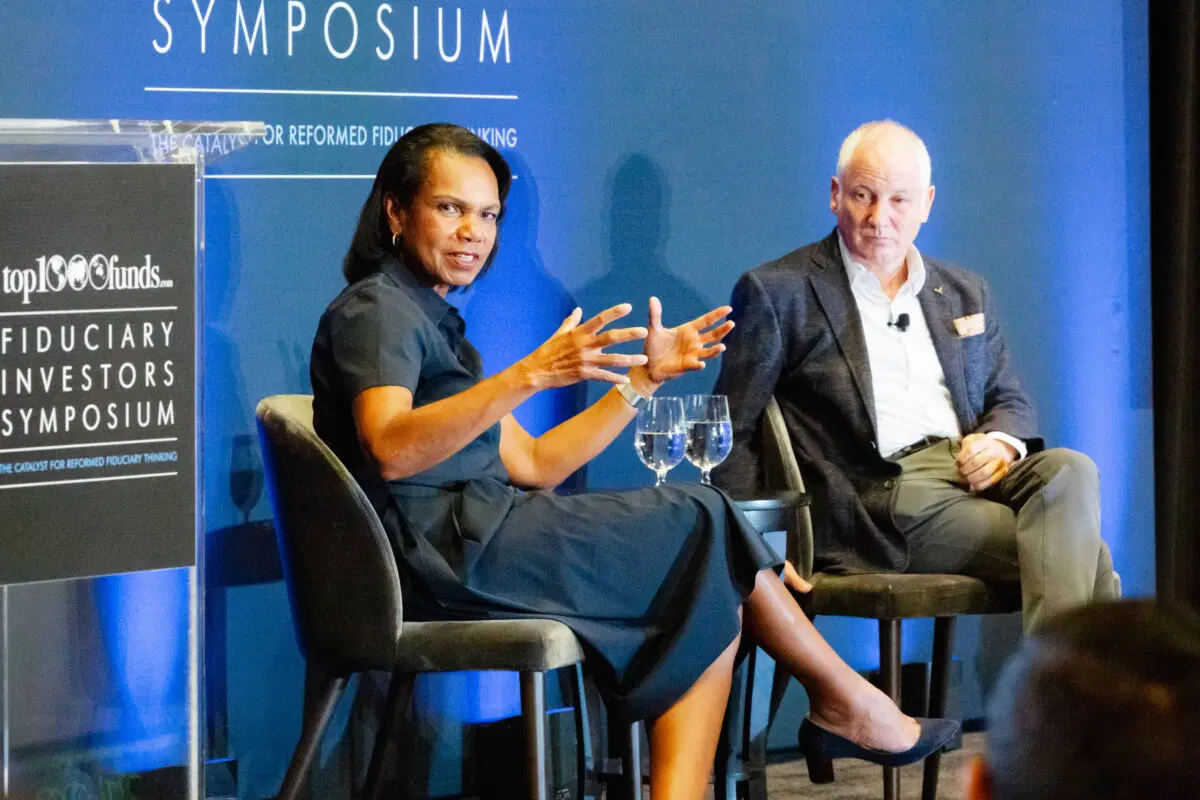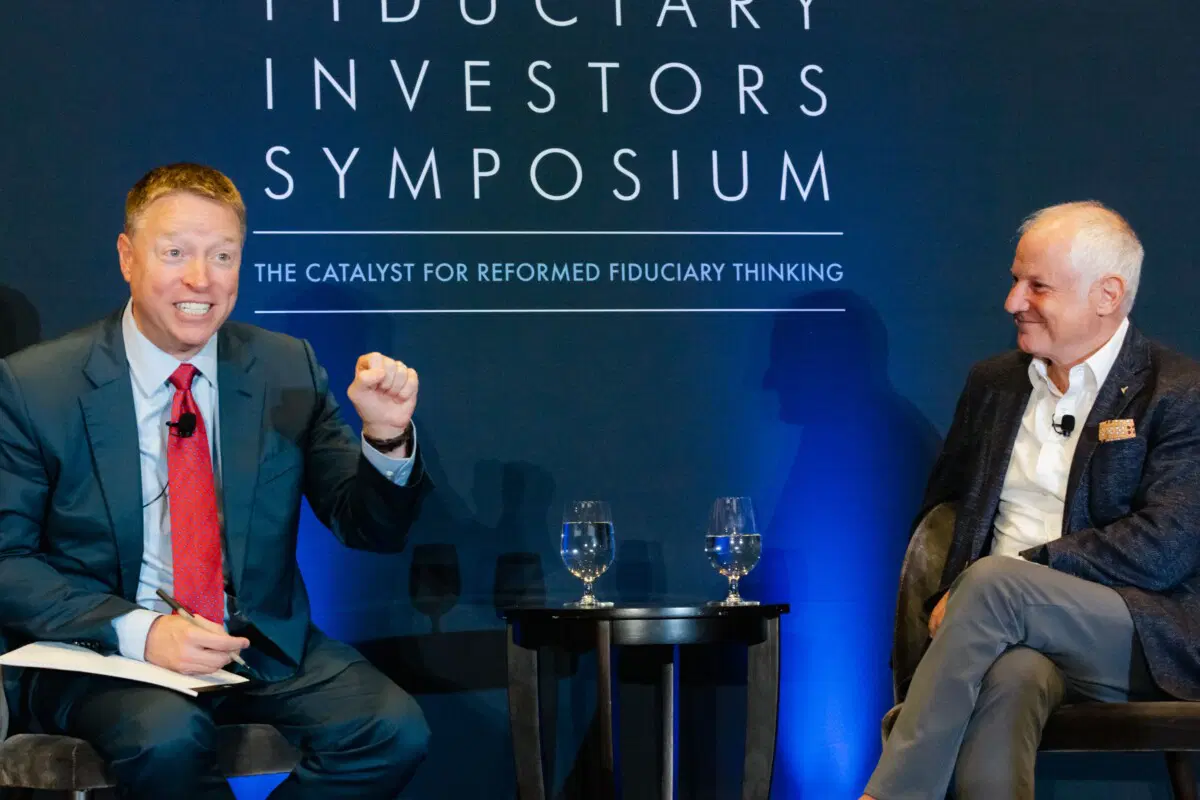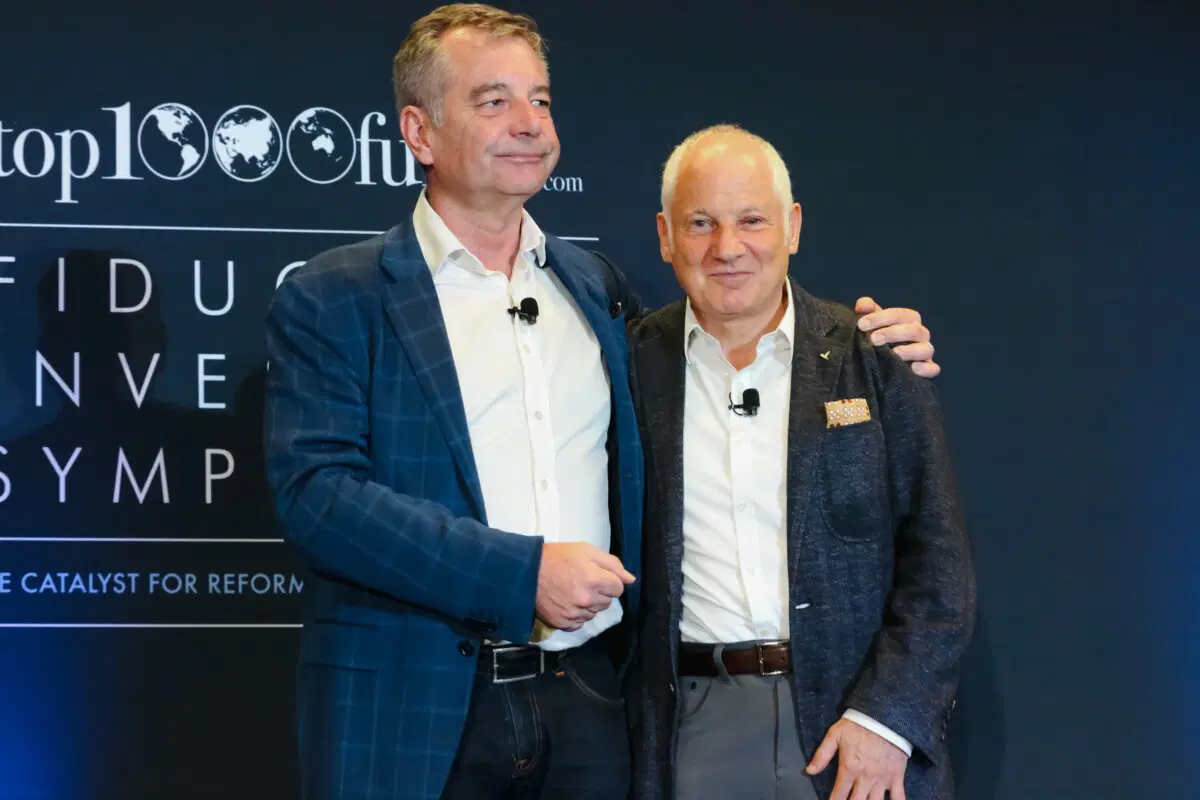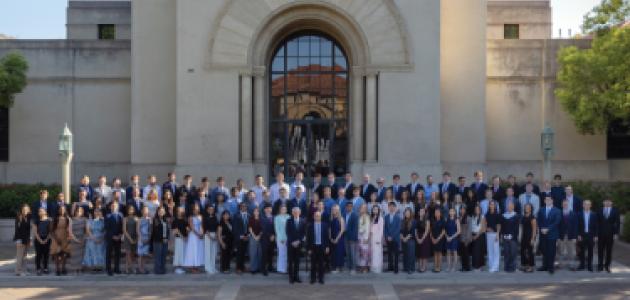
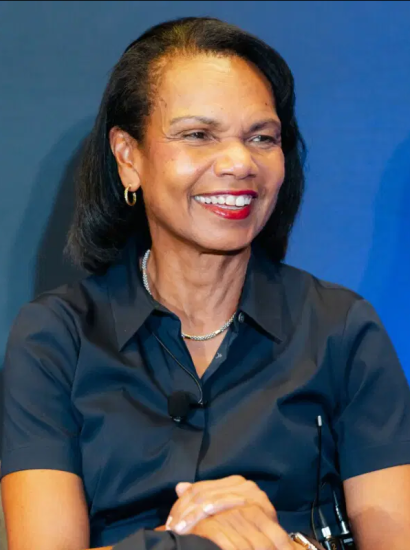
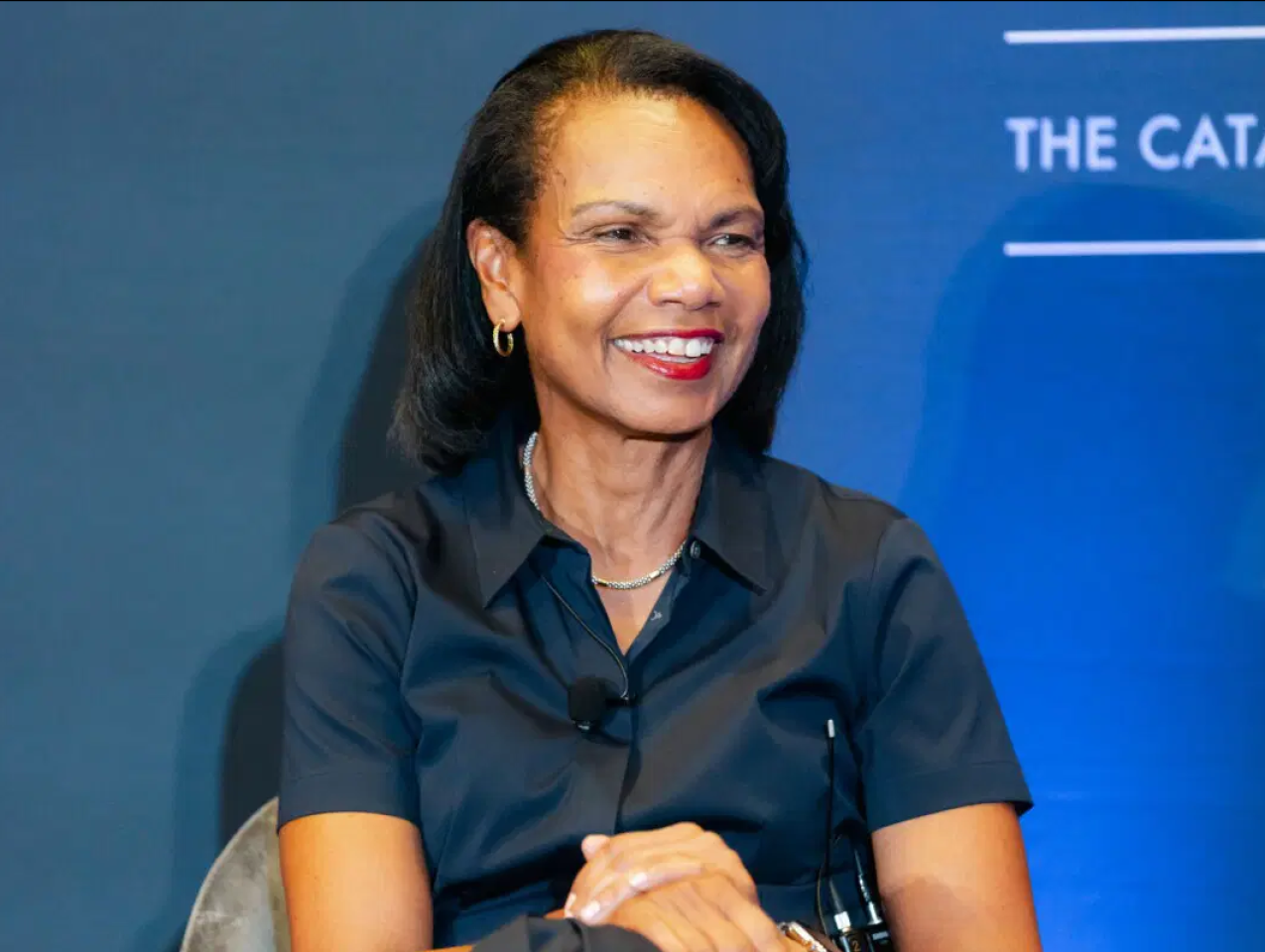
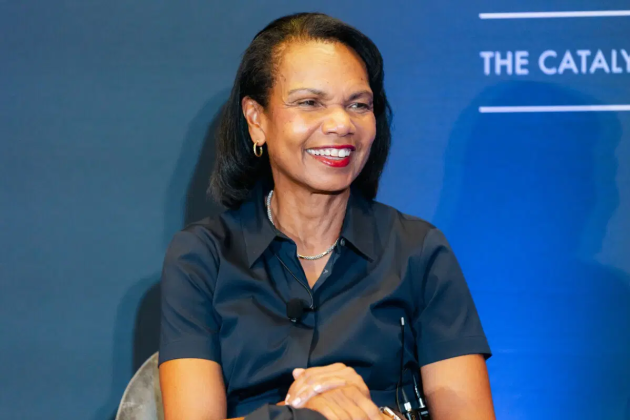
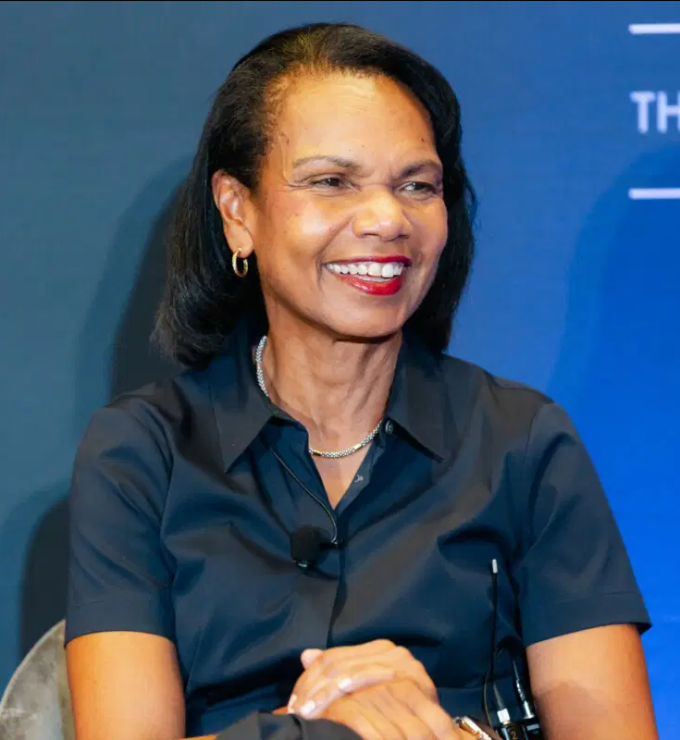
The Hoover History Lab (HHL), in partnership with Conexus Financial, a private Australia-based media company that organizes educational conferences for the world’s largest institutional investors, held a conference September 16-18 for chief investment officers and other senior investment professionals from the world’s largest pools of capital—sovereign wealth funds, pension funds, endowments—representing more than 20 countries. This highly influential group of decision makers overseeing trillions of dollars in investment capital convenes multiple times a year at university settings including Stanford, Harvard, Oxford, and Singapore, a model conceived by Stephen Kotkin, HHL’s director. The Stanford symposium has been hosted four times, and annually since 2022, by the Hoover Institution (the inaugural local gathering took place in 2018). The symposium makes available the expertise of the Hoover Institution, Stanford, and leading Silicon Valley entities to inform strategies among institutional investors.
This year’s event, with more than one hundred attendees once again, explored now multiyear geopolitical uncertainty, some unusual macroeconomic trends, and increasing policy risk. AI, quantum computing, and technological disruption were recurrent themes, along with concrete examples for managing today’s geopolitical and macroeconomic environment, and the way tech is revolutionizing institutional investment itself.
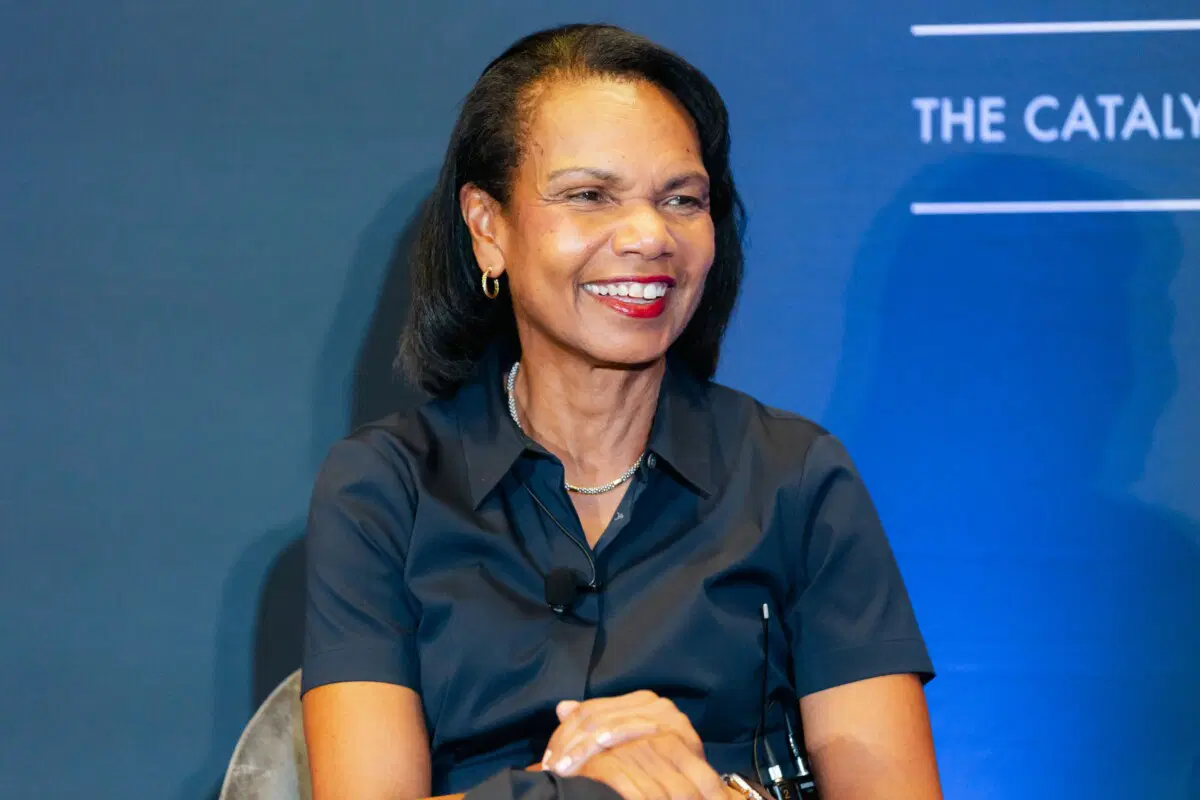
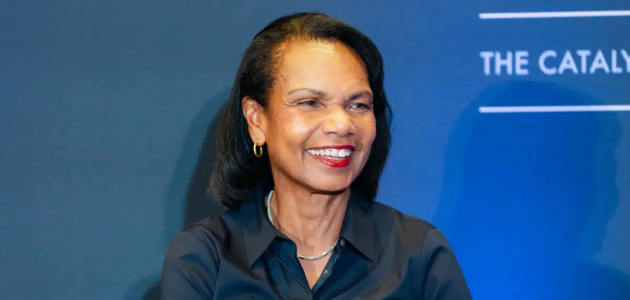
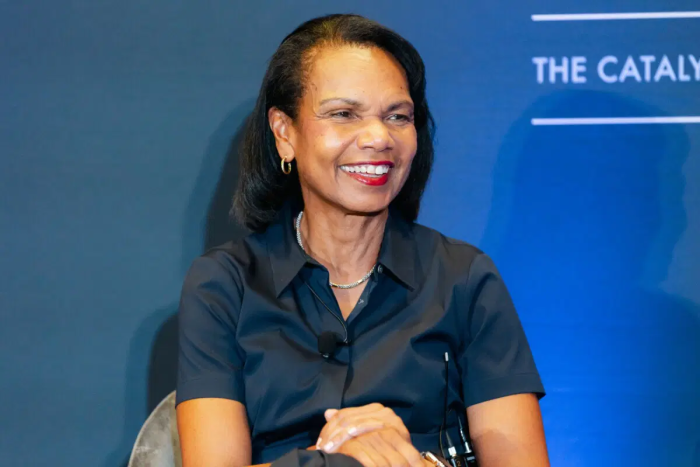
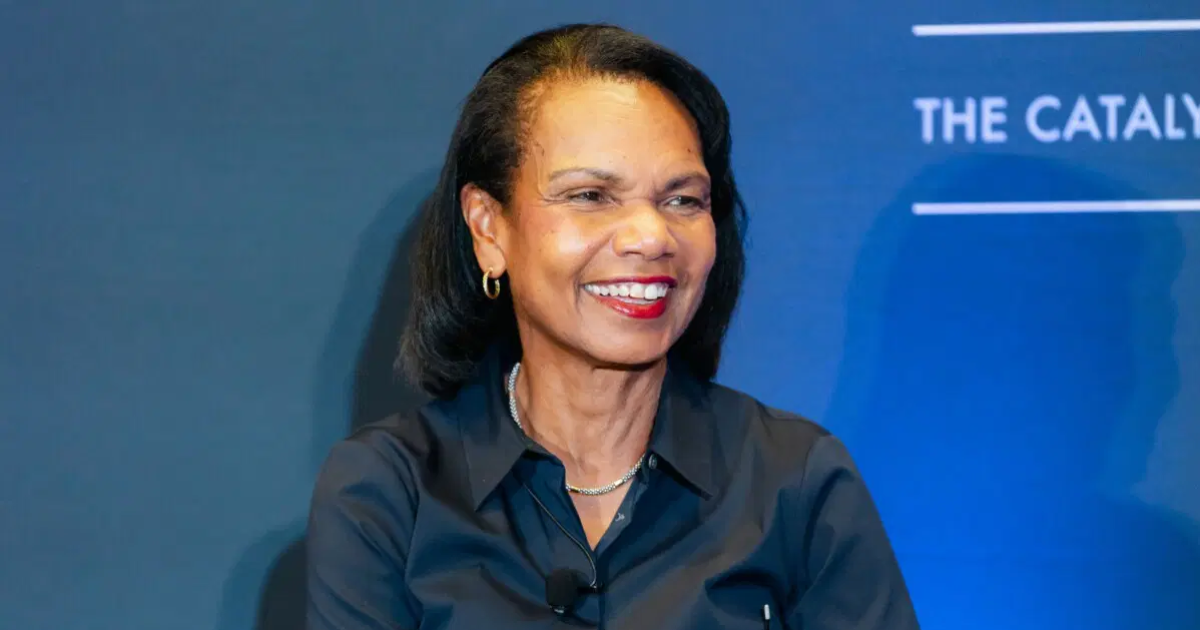
Hoover- and Stanford-affiliated participants included Hoover Institution director Condoleezza Rice; university president Jonathan Levin; former U.S. deputy national security adviser and Hoover affiliate Matt Pottinger; Stanford electrical engineering department chairman Mark Horowitz, the chair of a report on quantum computing for the U.S. National Academies of Sciences, Engineering, and Medicine; Hoover Institution visiting fellow in economics and former Federal Reserve governor Kevin Warsh; and Stephen Kotkin, a conference organizer along with Amanda White and Colin Tate of Conexus Financial. Legendary figures from the venture capital community also joined.
Key takeaways include:
- Director Rice’s observation that our world order is already showing signs of key shifts: countries are becoming more protectionist and defensive over trade and immigration; the world is seeing a redistribution of security burdens; and the voices of those not receiving the benefits of globalization are becoming louder.
- President Levin’s reflections on how the university’ s top priority is maintaining the mutually advantageous partnership with the federal government while safeguarding operational freedom, and how sustaining broad public support for federal research investment is vital to preserving the US’s long-term innovation advantage.
- Stephen Kotkin’s observations on the worsening governability challenges in high-income democracies where governments suffer from declining performance in core functions because of ever-expanding tasks, a circumstance that often leads to the election of populists of various guises, who surface problems but rarely solve them.
- Matt Pottinger’s detailed elucidation of publicly stated and oft-repeated CCP aims for reshaping the world order and how Beijing could spark a very serious crisis in Taiwan without resorting to a full-scale war—an escalation he warned could occur in the next four years.
- Mark Horowitz’s declaration that Moore’s Law is “basically over” and observation that not only are most companies losing money on their AI bets but that their liability costs will skyrocket as the world moves toward agentic AI applications because service providers will be compelled to start taking responsibility for decisions and suggestions of their AI agents.
- Kevin Warsh’s multisided overview of the Fed’s evolving role, mixed macroeconomic leadership, and imperative to come to grips with the consequences of its policies, as well as the meaning of ongoing geopolitical change for long-term investors.
For a full conference summary see FIS Stanford 2025 - Top1000funds.com, with key takeaways for each session at FIS Stanford 2025 - Key Takeaways.