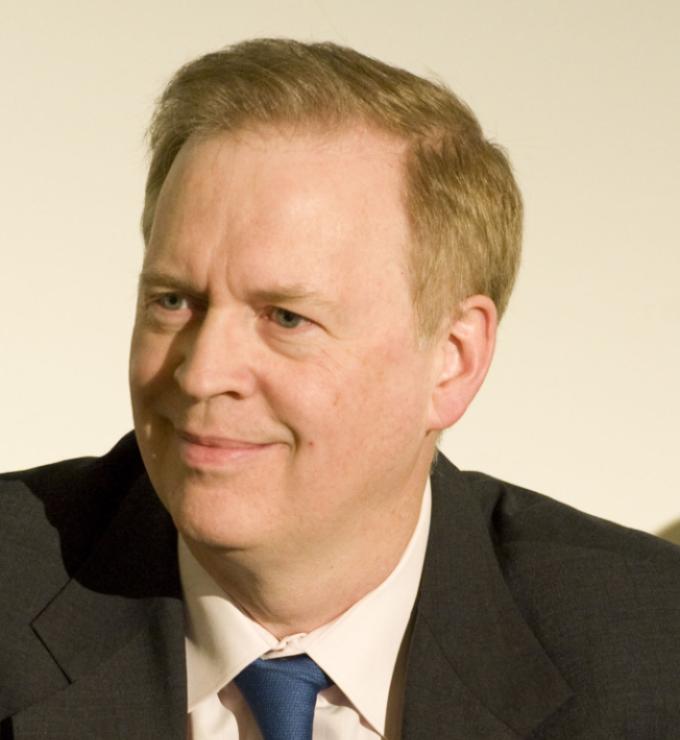
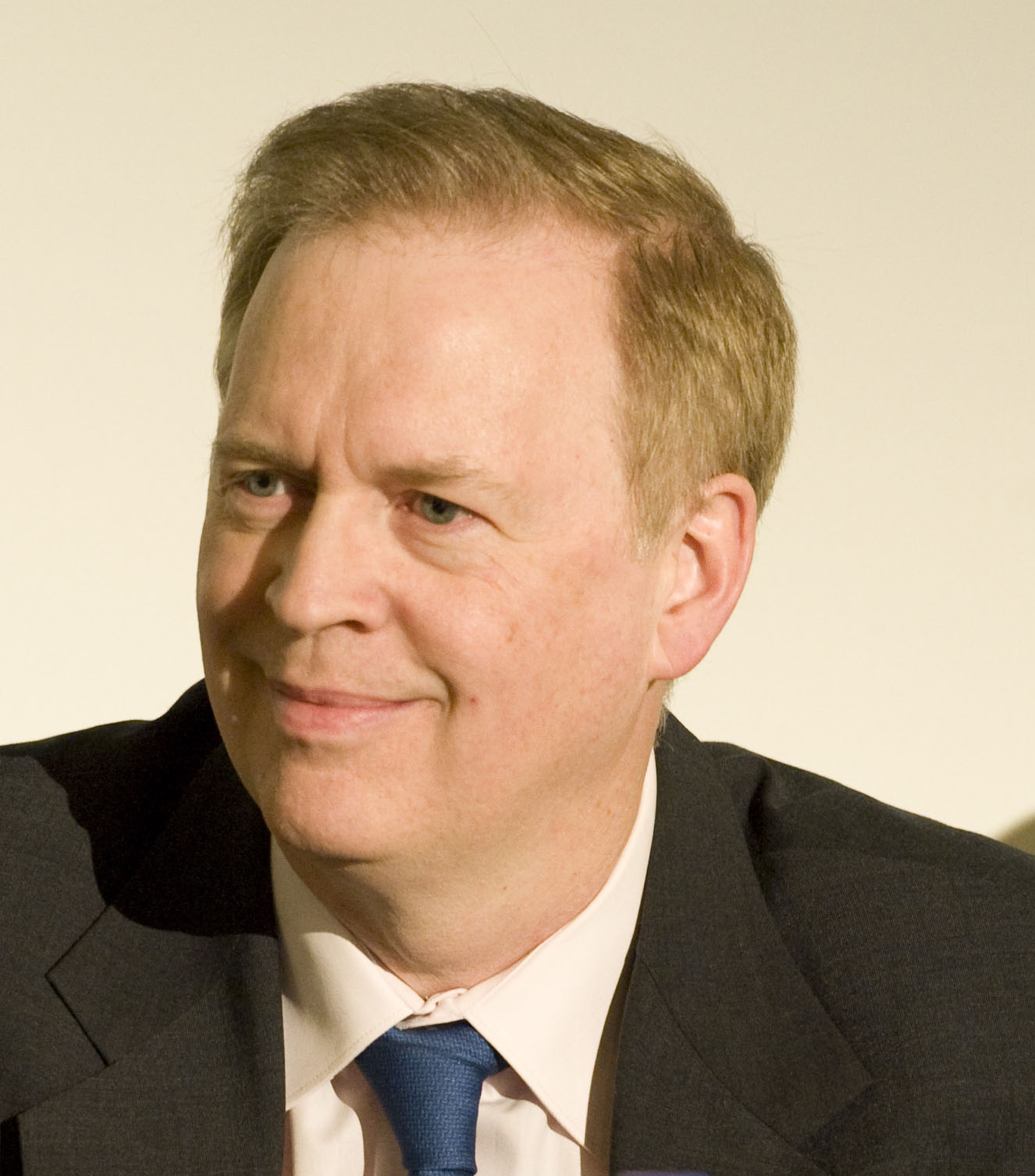
Steven J. Davis

Senior Fellow
Biography: 

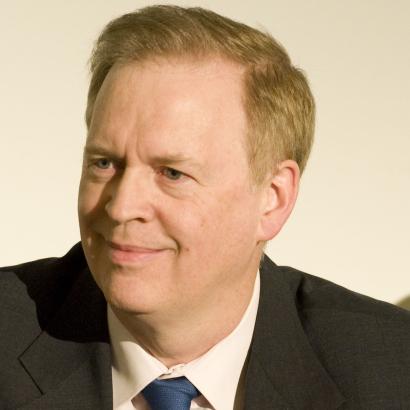
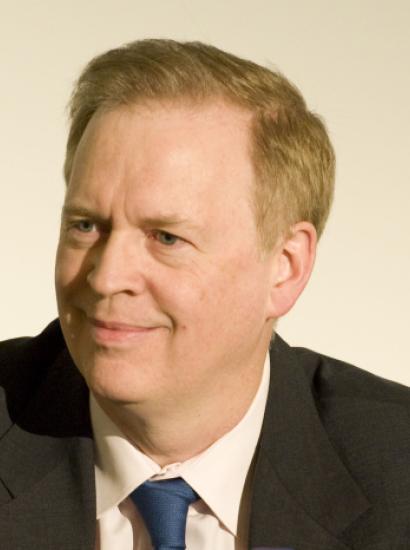
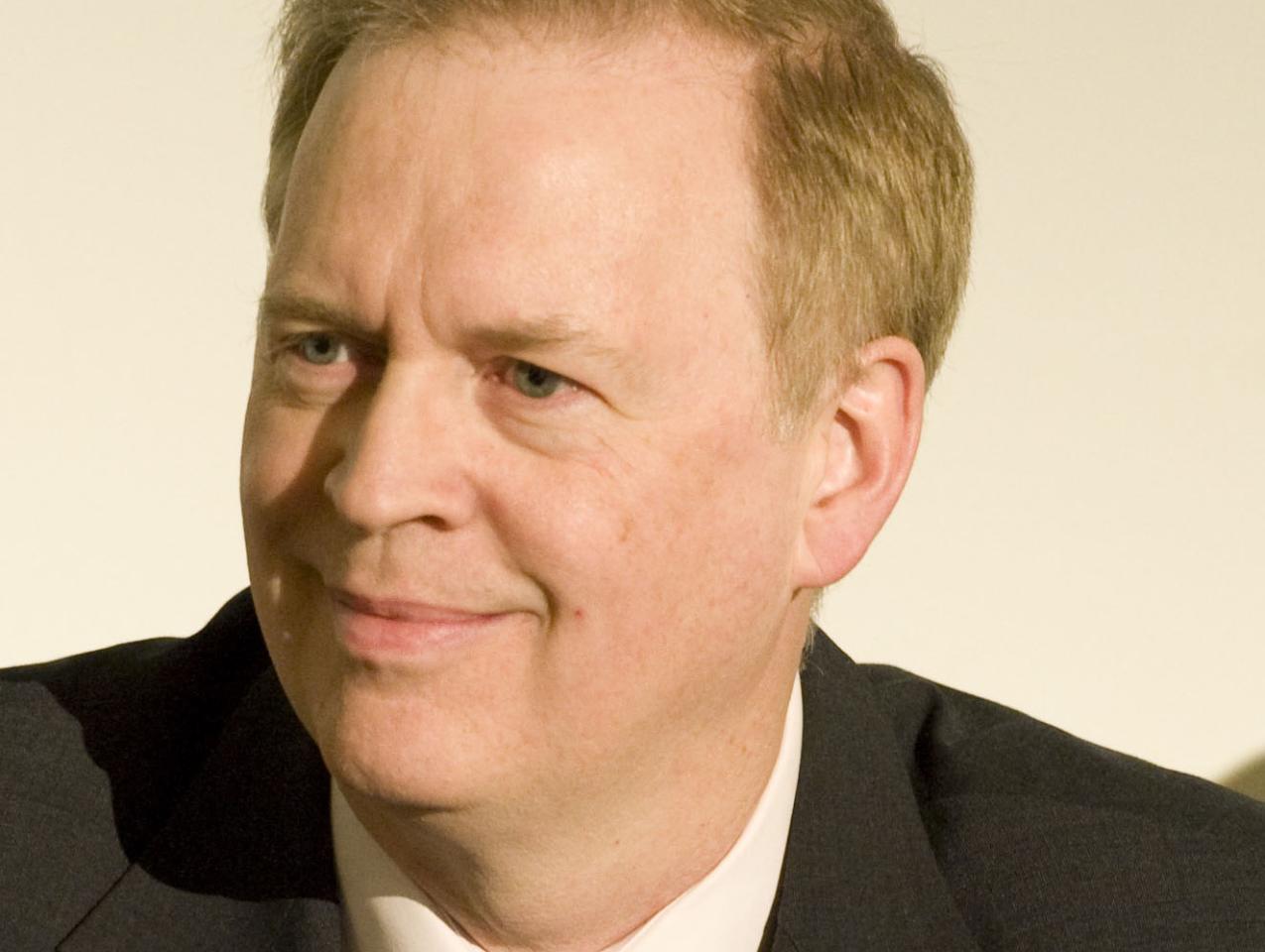
Steven Davis is a senior fellow at the Hoover Institution and William H. Abbott Distinguished Service Professor of International Business and Economics at the University of Chicago Booth School of Business.  

He is a research associate of the National Bureau of Economic Research, an economic adviser to the U.S. Congressional Budget Office, visiting scholar at the Federal Reserve Bank of Atlanta, elected fellow of the Society of Labor Economics, member of the CNE Growth Commission for Puerto Rico, senior adviser to the Brookings Papers on Economic Activity, and senior academic fellow of the Asian Bureau of Finance and Economic Research (ABFER). He also serves on the ABFER executive committee.

Past positions include Deputy Dean of the Faculty at Chicago Booth from 2012 to 2015, member of the governing committee of the Becker Friedman Institute at the University of Chicago from 2012 to 2015, and editor and founding co-editor of the American Economic Journal: Macroeconomics from 2006 to 2011.

Davis studies business dynamics, labor markets, economic fluctuations and public policy.

He is known for his influential work using longitudinal data on firms and establishments to explore job creation and destruction dynamics and their relationship to economic performance. He is a creator of the Economic Policy Uncertainty Indices and the DHI Hiring Indicators. He co-organizes the Asian Monetary Policy Forum, held annually in Singapore. In 2013, he received the Addington Prize in Measurement for his research on “Measuring Economic Policy Uncertainty.” 

In addition to his scholarly work, Davis has written for the Atlantic, Bloomberg View, Chicago Tribune, Financial Times, Forbes, Los Angeles Times, and the Wall Street Journal and appeared on Bloomberg TV, Channel News Asia, CNBC, CNN, Fox News, NBC Network News and the U.S. Public Broadcasting System.

Davis was a national fellow at the Hoover Institution in 1988-89 and has held visiting faculty appointments at the Massachusetts Institute of Technology, the University of Maryland at College Park and the National University of Singapore. He received his undergraduate degree in economics from Portland State University and his masters and PhD degrees in economics from Brown University.


Awards and Honors:

Addington Prize in Measurement (2013)
Society of Labor Economics, Elected Fellow (2015)

Filter By:

Topic

Type

Recent Commentary

Analysis and Commentary

Onboarding Remote Workers: A Hassle? Maybe. A Barrier? No.

by Steven J. Davis, David Altig, Jose Maria Barrero, Nick Bloom, Brent Meyer, Emil Mihaylov, Nick Parkervia Federal Reserve Bank of Atlanta
Thursday, July 15, 2021

As the need for social distancing recedes and government restrictions ease, most people look to regain some notion of normalcy in their day-to-day lives. At the same time, many workers have come to like their office away from the office. And the COVID work-from-home experiment has gone well enough for it to stick around, possibly in a hybrid form. 

Blank Section (Placeholder)

The (Heterogenous) Economic Effects of Private Equity Buyouts

by Steven J. Davis, John Haltiwanger, Kyle Handley, Ben Lipsius, Josh Lerner, Javier Mirandavia Economics Working Papers
Thursday, July 8, 2021

Economics Working Paper 21112

Analysis and Commentary

The Asian Monetary Policy Forum

by Steven J. Davis, Edward S. Robinson, Bernard Yeungvia World Scientific
Tuesday, June 1, 2021

The Monetary Authority of Singapore, Asian Bureau of Finance and Economic Research, University of Chicago Booth Business School, and National University of Singapore Business School have organised the Asian Monetary Policy Forum (AMPF) annually since 2014. The Forum brings together eminent academics, policymakers and private sector economists to deliberate pressing monetary policy issues particularly relevant for Asian countries.

Analysis and Commentary

The Distinctive Character Of Policy-Driven Stock Market Jumps

by Scott R. Baker, Nicholas Bloom, Steven J. Davis, Marco Sammonvia VoxEu.org (Centre for Economic Policy Research)
Friday, May 21, 2021

When the stock market moves in a big way, journalists try to explain why. This column uses next-day newspaper accounts to characterise the drivers of more than 6,000 big daily moves (‘jumps’) across 16 national stock markets. Policy-driven jumps account for a greater share of upward than downward jumps in all countries. Jumps attributed to monetary policy foreshadow much lower levels of future stock market volatility than other jumps. 

Interviews

Steven Davis: Management Conference 2021: Chicago Booth Faculty Research: Lessons From The Pandemic

interview with Steven J. Davisvia The University of Chicago Booth School of Business
Tuesday, May 11, 2021

Hoover Institution fellow Steven Davis discusses the lessons learned from COVID-19 and the implications for people, businesses, and the economy.

Interviews

Steven Davis On Working From Home (1:45)

interview with Steven J. Davisvia KNX 10.70
Thursday, April 22, 2021

Hoover Institution fellow Steven Davis discusses why we are more productive working from home.

In the News

Working From Home? This Study Says You're Boosting The Economy

quoting Steven J. Davisvia Crain's Chicago Business
Thursday, April 22, 2021

The boom in remote workers will lift U.S. productivity by 5 percent. But not everyone is a fan, and the experience has aggravated economic and racial fault lines.

Analysis and Commentary

Why Working From Home Will Stick

by Jose Maria Barrero, Nicholas Bloom, Steven J. Davisvia Becker Friedman Institute for Economics at the University of Chicago
Thursday, April 22, 2021

Surveys reveal that 20 percent of full workdays will be supplied from home after the pandemic ends, compared with just 5 percent before.

Blank Section (Placeholder)

Why Working From Home Will Stick

by Jose Maria Barrero, Nicholas Bloom, Steven J. Davisvia Economics Working Papers
Wednesday, April 21, 2021

Economics Working Paper 21108

Pages