- Don't look now, but there's something funny going on over there at the bank, George.
- Hmm?
- [Driver] I've never really seen one, but that's got all the earmarks of being a run.
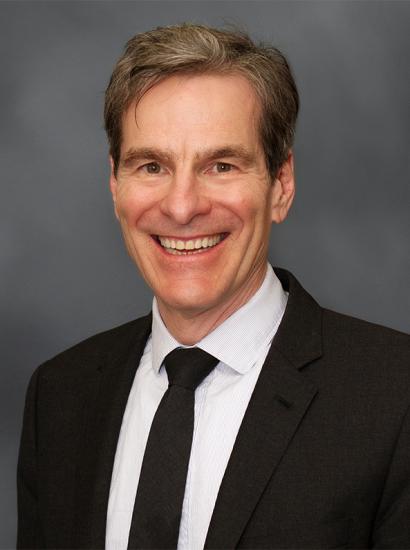
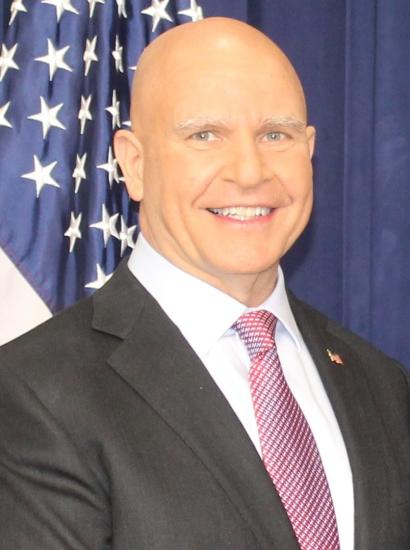
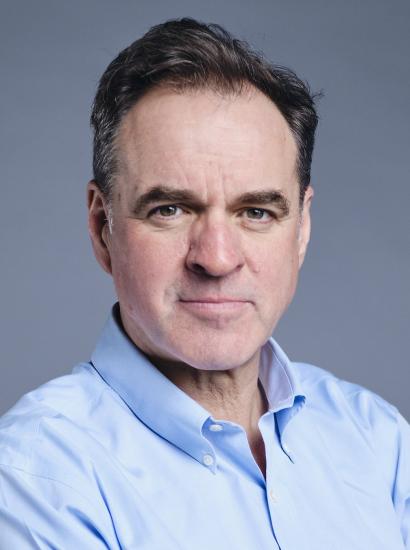
- [Bill] It's Tuesday, December 16th, and welcome back to Good Fellows, a Hoover Institution broadcast examining matters of history and current events, economics, and geopolitics. I'm Bill Whalen, I'm a Hoover Distinguished Policy Fellow and I'll be your moderator today, moderating a conversation featuring three very wise men, who here at Hoover Institution, we call the "Good Fellows", referring of course to the historian, Sir Niall Ferguson, the economist John Cochrane, and former Presidential National Security Advisor, Lieutenant General HR McMaster, Niall, John and HR are all Hoover Senior Fellows. Gentlemen, good to see you, and welcome to the last show of 2025 in our B-Block, we're going to look back on the year and review, and get your choices for various categories like Story of The Year, Individual of The Year, and so forth. But, for our opening segment? Well, nothing says "spreading holiday cheer" like talking about an economic calamity of nearly a century ago, and that is the Market Crash of 1929, and the possibility of it happening again, perhaps in the near future. Joining us to talk about this, it's a great honor to welcome to Good Fellows, Andrew Ross Sorkin.
- Thank you for having me, guys.
- Mr. Sorkin is a business and financial columnist, and the Founder & Editor of The New York Times Deal Book Business & Policy Newsletter, he's also Co-host of CNBC's Squawk Box, and co-creator of one of my favorite shows, the Showtime series "Billions", Team-X. He's here to discuss his bestselling book, "1929, Inside The Greatest Crash inside the greatest crash of Wall Street History, And How It Shattered A Nation". Mr. Sorkin, welcome to Good Fellows.
- [Andrew] Thank you so much for having me, I mean, I'm such huge fans of all yours', it's kinda crazy to be with you.
- Thank you. You should know that I have a screen behind the screen on which I'm talking to you, and on it is a piece of notepad paper, which has written in giant letters, "Andrew Ross Sorkin" because nothing is worse as a moderator than to get somebody's name wrong, God forbid I confuse you with the other guy named Sorkin who writes for a living, but-
- [Andrew] There's a more famous Sorkin, and his name is Aaron, nice guy too by the way.
- Let me ask you this question then Andrew, if I were to include a movie in a time capsule about money and America, and the first decade of the 20th century, would it be Aaron Sorkin's "The Social Network", the screenplay about the founding of Facebook? Or, would it be two movies based on your fine work, "The Big Short" and "Too Big To Fail", about the '08 financial crisis?
- I'm gonna choose one other, there was a fabulous movie called "Margin Call" that actually touches on the financial crisis in it's own way, it's a dramatic version of it fictionalized, but I actually think that it... It does a remarkable job at sort of capturing that moment, and the feeling of that moment in a very special way.
- [Bill] Okay, good choice. All right Mr. Sorkin, so you know the rules of Good Fellows, I want you to interact with John, Niall, and HR, I will now drop the puck and then, turn it over to them. Let me now ask you this question, I've read your excellent book over the holidays, perfect for airplane ride, early in the book, you say, "The market crash in 1929," is in the exact word you'd choose is a misunderstood financial disaster. Question, what is not understood about 1929, and are you concerned that this generation of investors doesn't understand current working conditions?
- I think both, and I think they're interrelated to some degree, I think that the greatest misunderstanding just in the popular conception of what happened in 1929, is I think a lot of people think there was a crash that happened on one day in October, and that somehow, magically we had a Great Depression, and I think that, that's a complete myth, and I think when you get under the covers of it, you realize that the crash was just the first of a series of dominoes, with the other series of dominoes being policy choices that ultimately led to The Great Depression, it wasn't pre-ordained that, that crash unto itself had to create a depression of the kind of magnitude that we had back in 1932, and 1933, and beyond. So, I would say that's sort of one misunderstanding. As to the sort of misunderstanding of today, I think the interrelated part of this is that you know, back in 1929, and arguably in 2008, every financial crisis is a function of leverage in the system, I think we saw that in both of those contexts, and I think there's now a question in terms of today and how the investor class thinks about it, of whether we have a full appreciation of what really creates a panic, how systemic a panic in crash can be, and what are the component parts of what's happening in our economy today, that might have some similarities, that is not to suggest that we have to have anything like what happened in 1929, but I think we're getting closer to something that might feel a little panicky sooner or later.
- Andrew, one of the things I really loved about your book which kinda takes "Too Big To Fail" and applies it to the Roaring '20s, is you capture that there's a sort of tech mania, there's a kinda tech boom to the '20s, it's RCA, which is one of the really hot stocks of that time, something that I don't think gets enough attention in standard accounts of the 1920s economy, and that I started to see patterns that were recognizable that I hadn't quite expected to see, particularly in the kind of interaction of Wall Street, and increasing the retail-focused financial sector, drawing people in to enter the equity market, with stories about technological wonders to come. As you were writing it, were you thinking to yourself, "Hang on, this is actually more familiar, this is more 2020s than I was expecting when I set out to write the book."?
- Oh goodness, way more. I mean, I think you and I spoke about this project probably close to a decade ago when I first started thinking about it, I don't think that I went into it expecting to see these parallels, but the very phrase that was used in the 1920s about democratizing finance, which was sort of the watch-word, or watch-phrase of the day about trying to get ordinary investors into the markets, and creating all sorts of new financial instruments to do that, set against the backdrop as you said, of the sort of remarkable, technological shift taking place, radio being you know, probably the greatest example, it was sort of the Nvidia of it's time, and people were betting on the future, and that's so much of what I think is happening today, we have you know, AI is that technological backdrop, and then, layered on top of that right now is this idea that we're trying to democratize finance again, in some ways, we're taking some of the guardrails off that we had, to create all sorts of new products to get more people in, and there's a sense, maybe also similarly, you know, there was a remarkable amount of inequality in the '20s, there's a remarkable amount of inequality today in just the sort of psyche of how I think a lot of people felt back then and feel today, that their opportunity out, or their only opportunity out is to buy the lottery ticket, right? Is to get in... Is to engage themselves in all of this. And so, I think you know, when I think about some of the parallels, that's sort of the middle-U, which I think they live in.
- Well, let me ask then, my job as ex finance professor, I read the book over the weekend, and it's beautifully written, I gotta really hand it to ya on that, and it seems to be mostly the story of the people involved.
- Yep.
- Which is fun. I learned a lot sort of institutional detail, but it's not... I hope your next book will dig in more to the mechanism, there's remarkably little cause and effect language, or kind of factual language in there. Although, I do... I gotta, you know, the first thing you said, "Leverage, we are right now slashing capital standards once again, here we go." But, okay close parentheses. And, I wonder if you can dig in, I mean, there is sort of a standard narrative, Coolidge didn't anything, greed, and inflated of the bubble, it popped, the recession came, Hoover did nothing, Roosevelt saved us, financial regulation means this'll never happen again. Now, that's false, and sort of a whole generation of scholarships said it's false, it's a whole bunch of new ideas on, "Why do stocks... What are these repeated phenomenon of these stocks, booms, and busts? Why did The Great Depression happen?" I noticed you know, Milton Freeman doesn't show up in your bibliography, or Ben Bernanke, which is find, I just... I'm hoping the next book, or today you can get a little more on cause and effect, and this is to me, a couple specifics, on the boom, so just optimism, and people coming in, that's kinda empty. Their speculation is natural, that's... The markets are there for information about interesting, new technologies to get in the prices, but there are features of the markets that mean speculative activity in huge volume, which you document, you know, optimism doesn't create volume, volume is churned. There's mechanisms in the market that they cause a biased to upward prices, including the margin lending that you explained, it's just amazing what was going on. The Fed was lending money to banks in our... So that banks could then lend money to stock speculators, I really wasn't quite clear how open the discount window. So, the credit... And, short sales are hard, as you documented, you couldn't just sit there and say, "This is overpriced." So, there's that bias towards up, which I... Which, a lot of those features are not there anymore, so that's one reason for hope. But then, on The Great Depression, you know, the standard narrative says, "Oh, the crash is the first domino." But, it wasn't the first domino, the other policy choices were really important, and there, I think you sorta showed the tale... Of course, this isn't a book about The Great Depression, but I think it's worth emphasizing, it wasn't the stock market crash that caused the... The big New York City banks did not fail, how a national city didn't fail is just beyond me me. It was the small banks throughout the country that failed, and their... You know, that if you're... The book is lying, 'cause I don't know what your book is about, but I think it's worth emphasizing, this wasn't inevitable, given the stock market crash, we coulda had 1921 all over again, we coulda had 2000 all over again, but the Fed failed in it's job as lender of last resort, banking regulations meant that small banks could not recapitalize, couldn't be bought out, the bank crashes clearly caused the economy to fail, and the stock market's pretty rational once all the banks have closed down for other reasons, it's perfectly rational for stock prices to keep on falling down. And then, you know, that a whole bunch of scholarship kinda likes Coolidge these days, and Hoover, and Roosevelt's energetic efforts seem to have really hurt things. So anyway, I'm... That was a long introduction, but I'm hungry for more of the cause and effect, and the you know, what's the real narrative of the financial markets and The Great Depression?
- So, let me just add to that, a couple things. One piece of this, 'cause you mentioned technology that I actually think it's important, doesn't get enough attention is actually that one of the reasons I think we had a crash, was actually a technology problem unto itself, the actual, physical technology undermined confidence to a degree that I don't think is appreciated, and as a result, people just were selling stocks almost indiscriminately, because they didn't know what the actual price was. You know, today we have our phones and we can look at you know, by the millisecond, exactly what the stock price was, back then it was you know, so very different, even people who were standing on the floor of the exchange, looking up at the big board, were looking at numbers that were often three, four, five-hours behind, I had never appreciated it actually 'til I would start working this project, every time you'd see those famous pictures of thousands of people standing in the street outside of the New York Stock Exchange, you know, on those crash days in October of 1929, what they were doing there. The reason they had all gone down there, the reason they were standing there, was 'cause they were tryna find out what was happening to their money, like literally/physically, 'cause even if they were at a brokerage at 57th Street, they were... You know, if you were three or four-hours in the wrong direction on the floor of the exchange, you know, a couple blocks away you were even worse, and so, I think that actually really did suck some of the oxygen out of the system. But, I think you're 100% right that it wasn't the crash unto itself that created The Great Depression, in fact, the other sort of component part that I don't think I appreciated was by the end of the year of 1929, the stock market was only down 17%, and in fact I think Hoover interestingly looked at the stock market as a barometer or indicator of how he felt things were going. What I think was missed though in that thinking, to some degree, was the down draft between September of 1929, and call it November 13th, which was the lowest day of the market, was about 50%. And, because everybody was so... Living on borrowed money, that's so on-margin, oftentimes 10 to 1, they were caught in it... The reason that people were selling their homes, and mortgaging their houses was because... And, they couldn't benefit when the stock came back, because they... They already... They had already had to sellout. So, I do think that sucked some of the confidence out of the system, but it doesn't answer the question, how we got to The Great Depression, I think it's a confluence of raising taxes, or wanting to raise taxes, implementing tariffs, I think what the Fed did in terms of sitting on it's hands... We haven't talked about the debate over the gold standard, I mean, that is a huge component part to this, had we been able to print money earlier, I don't think we would've been talking about necessarily the kind of bank failures that we did in 1932, that ultimately led to the unemployment picture being 25%.
- Yeah, 'cause 30% deflation is huge when you have to pay back borrowed money. I just wanna... Here's how to not win the New York Times Bestseller, write a book about financial plumbing. But, there's a lesson in here, kinda beautifully between the lines, the plumbing matters, and when you're... Instead of buying a call option, if you think you have a free call option by being on margin, and then, I'll sell on the way down, sorry, nobody understood that, but Andrew... But, I had to say it.
- Yes.
- That is an illusion, a perpetual illusion, they didn't have good call options. And then, you have to be ready to sell instantly, and if the market's closed, or if the tape is behind, you can't do that. So, those plumbing issues matter a lot.
- Yeah Andrew, hey what I loved about it is the description of the people, and the sense of agency, that people make decisions, right? And, that has an effect. And you know, I'm kind of the... I'm kind of the resident optimist here, you know? But, optimism was not really a virtue in this book man, I'm thinking of like you know, sunshine, Charlie Mitchell, you know? And so, what I'd like to ask you is, who do you think is... Was responsible at certain critical elements of the story? And, what they could've done differently? I'm thinking of like the opening scene in Steinbeck's "Grapes of Wrath", remember when the guy's getting... His farm's getting repossessed? And, he comes out with his rifle you know, the guy behind the... He wants to shoot somebody? And he says, "Well, who do I shoot?" Like, who... So, I guess, who should... Who should we shoot in retrospect for making particularly poor decisions?
- But see, there's two questions. One, is you know, what could you do on the front-end to prevent the crash unto itself? But then, as John said, if you don't believe that the crash is what ultimately led to The Great Depression, that unto itself is a... So, I do believe it's a domino of a sort, I don't think it's the... But, I don't think it's even the most instrumental domino, I think it's the one that sucks the confidence first, that then leads to a whole series of almost irrational decisions. You know, sometimes I think to myself, "What could've Hoover done? Or, if Benjamin Strong was still alive in the spring of 1929, was there something they could've done to really tamp down the speculation?" By the way, one of the reasons the Fed did nothing was 'cause they were scared. This goes to the sort of question about politics and even Fed independence, they were worried that if they raised interest rates too much, that they would actually tip the economy over, and not just that they'd get hauled in front of congress, but that they'd you know, the great experiment that was the Federal Reserve would just end, they had lived through being blamed in 1921 and I think didn't wanna repeat that, so that was sort of in terms of trying to understand that, Hoover's... You know, he's only in office starting March 4th, you know, the inauguration was different back then, in terms of the timing. And so, I don't know how much time he really had to sort of jump in front of the train, if you could've even done that.
- Wanting the government to notice bubbles happening, and stop them ahead of time is pretty ambitious. I think that policy mistakes in the wake of the crash are more significant.
- One of the things I love about the book Andrew, is precisely the people... You'll notice that Professor Cochrane's objection to it, is that it has people in it and not plumbing, but of course, people make history really, plumbing? Not so much. And, you show really rather importantly, congress mattered, and that's part of the pressure that's on policy-makers, that there's a lot of congressional suspicion of the Fed, and I think one of the beauties of the book is that we get the full dramatized persona, a lot of characters involved in American government, it's not just that the president sits there, and either does well, or does badly. Herbert Hoover after whom our institution is named, gets a very bad press, as if the president is king, but in fact, you show that congress is a very important player, you give appropriate billing in your drama to Carter Glass the Senator, very interesting figure, you properly bring him out, who ends up being one of the co-authors of the famous Glass-Steagall Act. But, I think it's the beauty of the book that we see all of these different characters in their different roles, including the treasury's secretary, and another potential villain of the piece, Andrew Millen, all making these decisions that taken together make matters much worse, but you show why they take these decisions, and how their complex pasts, their personalities, ultimately influence the outcome. So, that's... That's why I think it's such a terrific book, why it's selling so well. I've read many books about The Great Depression, probably as many as John over the years, I can't think of many, including even some of the classic, like Galbraith's, that give us a sense of why the people did what they did, and you do that very well.
- And, I just wanna add, there's a temptation, as HR went you know, "Who are the villains here?" And you went after probably the most likely villains, the big, rich bankers, and my reading Niall, came off pretty sympathetic, I mean, yeah there were you know, doing shady stuff, but it was all basically legal.
- Wait, this is what I like though, because I mean, I like your attendance to human nature, right? You describe them in the book as flawed, self-interested, and complicated. And, in the portraits that you paint of these people, they're not simplistic, right? You understand like their family relationships, where they came from, their anxieties. I mean, you know... I mean, there was everything from you know, people who committed suicide, right? To those... To those who were sort of almost disinterested in what was happening to other people, because they were... You know, they made out okay. So, I mean, I just think it was... It's great in terms of the portraits of the people, and again, the sense of agency, right? 'Cause people made decisions. And just quick, I'd like to ask you to comment on Hoover as well, because Hoover struck me as you know, kind of a taciturn guy, you know? But, somebody who tried to do the right thing, and I'm thinking of like... Of the letter, the cable that he sends to Roosevelt, and says, "Hey, you know, here's my suggestion to you." Right? And it's delivered, it was a telegram, and Roosevelt was on a train maybe, I think, or something? It was a great story. And then, of course partisan politics man, I mean, Roosevelt doesn't do the right thing, so I mean-
- Doesn't do the right thing, and that to me is a fascinating glimpse into Hoover. I would argue by the way, Hoover made a series of terrible mistakes along the way, and then, recognized those mistakes, and in that moment, he had actually now lost the election to Roosevelt, and it was during that sort of interim period where he was handing over the reigns before the inauguration, where he realized, "We gotta save these banks." 'Cause, that's when things started to get you know, really, really terrible. By the way, one other surprise for me at least, was actually if... When you look at the time, people who were polled, thought the economy was getting better, and actually probably would've voted for Hoover based on the economy, the reason Hoover lost was not because of the economy, but because he was a fan of prohibition, which was another sort of revelation to me. But, in that four-month ignorant period, he realized there was a problem, and needed to save the banks, but also knew that the only way to save the banks was to get Roosevelt onboard, otherwise there wouldn't be enough continuity, nobody would believe what the government was ultimately gonna do, of course Roosevelt says, "Talk to the hand." Because he doesn't wanna get blamed with this, and then, it does... It does happen-
- It was interestingly noted that it was sort of the response that Hoover expected, right? I think you... In the book you say, before he even opened the response, he kinda knew what was in there-
- Knew the answer. But, one other thing to the motivation piece of this, which I think is interesting, and at least I went back to try to find somebody on the other end of it, oftentimes I try to think to myself, put myself in their shoes back then, even when you see people making terrible decisions, or even things you might think of are immoral, or wrong, especially retrospect today with the laws we have, back then, there was no SEC, there was no insider trading rules, there was you know, no bank capital requirements, there was no nothing, there was no prospectuses for companies, and I say that only because, I think in a... You know, I often think of the markets are a game of people trying to outwit the other side. And so, whoever is buying a stock thinks they're smarter than the person selling the stock, and whoever's selling the stock in that moment, oftentimes thinks they're smarter than the person who's buying it from 'em, right? That's just what it is. And so, when you see them doing things that today we would think of as manipulation, I think a lot of them justified it in their head as just another way of outwitting the other side. And, I went looking for people, I wanted to find some example of some person who didn't participate in these things, because they somehow thought it was immoral, and I couldn't find them. And, I only say that because I think it goes to the concede, or concept of just you know, what was going on in that day in age with people, and how people thought about these rules of engagement.
- Andrew, I'd like to shift now and talk about a few things happening in the 2020s as opposed to 1920s, let's begin with Scott Bessent, who recently you interviewed at your summit. That was quite a summit by the way, between him, and Halle Berry, and Gavin Newsom, well done.
- [Andrew] Thanks.
- Can you explain the difference between a treasury secretary's role in the 2020s versus the 1920s? Bessent versus Andrew Mellen? And then secondly, I want your opinion on what kind of... How good of a job the Trump Administration does on selling the economy.
- Oh goodness, that's such a great question. You know, I'm not sure actually Scott Bessent's job is... I'm very curious to hear what everyone here thinks, I don't think his job is actually that different than the role that Andrew Mellen played, I mean, he's... I think in this case, Bessent has a much better relationship it seems like with President Trump than Mellen ever had with President Hoover, President Hoover sort of kept Mellen around because he thought he needed somebody like that to...
- But he's very much out front pushing back against you in the economy, and then he's... John will probably tell us this, he's probably picking the next Fetcher, so it strikes me he's much more hands-on than Mellen was.
- Yes, but I think that's in part because Trump has you know, delegated some of these responsibilities, but not really, because in the end, the decision will be made by the president in a way that where I felt like Hoover was maybe hands-on... John, you're making-
- I'm gonna disagree. So, I think Bessent's job is to make sense of whatever Trump wants, and to sell the administration policy, we have a very active administration policy these days, unlike the previous one. Mellen really shown during Coolidge's time, that he worked with Coolidge to cut the federal budget dramatically, to cut the top marginal tax rate from 70% to 20%, bigger even than Reagan's cut, and to oversee a tremendous economic boom that no, did not sew the seeds inevitably of the recession that followed. So, his job was tax policy behind the scenes, and not to get on TV and explain you know, why we're having tariffs today.
- So, you think today he's become much more of just a spokesman for the White House? Or maybe every cabinet member has become that in this day and era/age?
- Well, there's much more get-on-TV, and you know, what are we doing today? Policy-policy-policy. I kind of... I think you were kinda mean on poor old Coolidge, I kinda look back fondly on being quiet and softly fixing the government.
- [HR] Yeah, his wife made up for his you know, for his personality, she was quite a bubbly personality, and a big socialite, you know?
- [John] There's a great quote from your book, I have three that I'm gonna wanna read, but one... "One thing was certain, Calvin Coolidge's style of governance, taciturn, aloof, and minimal, was about to be retired, and the US would get a chance to see what a president imbued with optimism, ideas, and energy could accomplish at a time when the rest of the nation seemed to be overflowing with them." Hmm, I wonder if the... If all this energy and ideas, and so forth has turned out so well-
- Well, that might've been a mistake, I'm not suggesting it wasn't. And by the way, it was interesting, prior to Hoover winning the election, and even it being inaugurated, there was a view on Wall Street that he might turn out to be a terrible president. And then, for whatever reason, in literally the weeks before his inauguration, the market started to move much higher, and people started to get... There was a... In the same way there was a Trump Bump, there was a Hoover Bump.
- Well, it should've ended, I mean, you know, it could... There's a counterfactual history where The Great Depression was another 1921 and all the banks didn't fail, and Smoot-Hawley didn't come in, and the National Reconstruction Act didn't destroy the economy, and we didn't have deflation of the gold standard, and you know, we went back.
- But, that's counterfactual about the Fed John, because remember, you brought up Milton Friedman, the reason you brought Milton up was that his monetary history of the United States co-authored with Anna Schwartz, tells the story of The Great Depression, primarily as a series of monetary policy disasters, and I often used to say to people, "In the period of 2008/2009, if you want to understand Ben Bernanke, just assume that he's doing the exact opposite of what the Fed did during The Great Depression. Andrew you, you know, had a ringside seat for that crisis, the Fed is the key institution, both in 1929 to '32 when it gets it all wrong. And then, in 2008, to I guess 2010/'11 when I think one has to say, does a lot better. What's you're view of the future of the Fed? It's a hot topic all across the country these days, or at least it is in New York, and Washington. Do you see a danger ahead for a Fed that might be losing it's independence?
- Well, I think... Look, I think one of the lessons is that the independence of the Fed does matter, and I think that was actually... I don't, you know... Hoover was not telling the Fed what to do back in '29, but it's clear that the right answer, at least thus far, in terms of the crisis we've had is to do things like Ben Bernanke did in 2008, and arguably by the way, what even Powell did during the pandemic to some degree, which is throw... When you have a crisis, you need to throw money at the problem, as politically, and palatable as that may very well be. The question to me is, that playbook has worked thus far, and that was the lesson of 1929, which was that we didn't throw money at the problem. What I don't know is, if there is some red line that we are going to cross in the future, you know, back then in 1929, there was a budget surplus in America, we weren't talking about debt the way we talk about debt today, and I just don't know when the bond-holders of the world raise their hand and say, "Excuse me, this doesn't work for us, we're very happy to loan you money in the future, but you know, we're gonna have to do it at a much higher interest rate." In which case, you create a really vicious, and painful cycle, potentially for the whole country. And so, I don't know... It's gonna be very interesting to see if that moment ever comes, I thought that moment would come a long time ago, and it hasn't. So, what do I know?
- Well, I wanna ask you what you know, 'cause this segues into financial regulation. We look at the Fed, and we're just up and down, the overnight interest rate, that's boring. The financial regulation is the interesting part. Yes, we are still stuck in bailout like crazy, and then, pass hundreds of thousands of regulations that don't work, and then, we bailout like crazy again, and exactly what you said, in the next crisis, Uncle Sam wants to throw another couple trillionaire dollars around, who knows if we actually have it without printing money, and it turning into inflation? So, I'm curious you know, you've watched the first crisis, you've watched the Dodd-Frank Act, which of course, made sure that we would never have any failures again, you know? You watched Silicon Valley Bank that shows that they have no idea what they're doing. And, there's the second quote I want to read, "As the major inevitability of reforms sank in, Aldrich, and the Rockefellers showed them the necessity of jockeying for whatever regulatory advantage they could get. This is how the game would be played." There's a certain... A certain rot in crony capitalism going on in our financial regulatory system. So, where do you see the state of that whole affair?
- Well, two things, one is, I had a view before I started writing this book, that somehow the good old days didn't have lobbying, and didn't have cronyism, and that somehow you know, our laws were passed by people of great you know...
- Virtue.
- Virtue.
- Virtue. And then, here I am... By the way, I had this impression that Carter Glass had created Glass-Steagall, and it was done for the right reasons, and all these other things, and then you realize that the bill... Half the bill was written by a banker, who was trying to screw over another banker, I mean, the whole thing was shocking to me. So you know, in terms of the laws, you know, we're always as you know, fighting... It feels like we're fighting the last war, maybe some of the laws that were put in place post-2008, I do think you know, hopefully help the system, some of them invariably went too far, I think the next question which we don't know about yet, is you know, what happens in the private credit industry? I mean, one of the things that happened post-2008 because of Dodd-Frank and all the other rules that were put in place is the entire loaning... Loan business has just moved from the banking system, which was regulated, to the private credit system, and now we don't have disclosure or transparency over there, and you know, I think a few of you talked to folks at the Federal Reserve, they don't have a dashboard to know where all of the leverage law... So, that to me is the next concern, and I imagine at some point we'll have a problem, and I imagine that point will have more legislation that will have you know, solved some problem, and created a new one.
- Andrew, I'd like to get your thoughts on something that's probably occupied a lot of your time on Squawk Box, and that's the bidding war for Warner Bros, what does it say about the times in which we live? I watched the story, I'm kinda reminded of Barbarians at the Gate, in the LBO regarding regarding RJR Nabisco, and now granted that was after the '87 Crashout began, but what is unique about this Warner Bros situation?
- Oh, to me what's most unique about the Warner Bros situation, to hear of as an asset that for the most part, the public investor class was not happy about, it's sort of a trophy asset given its you know, how close it is to the center of culture in some way, you have one family in the Ellison's that obviously wanna buy it, and then you have Netflix on the other end. To me, the most interesting feature is this Washington piece of this, you know? It's really the first time I think at least maybe the quiet part is being said aloud, I think in the past, there have been times where you've had bankers, or CEOs maybe quietly say certain things to the White House or the administration, typically through you know, other channels, HR McMaster could probably speak to this. But, this time you have both CEOs literally going to the White House itself though, sitting in the Oval Office, you know, effectively lobbying the president on their behalf.
- No, it wasn't Durant sneaking in at night, like that story you tell, which I love that, it's a great story, you know?
- [John] Let me pile in on this one, I think we're seeing the final utter emptiness of the entire anti-trust regime, that started under the idea of, "Oh, monopolies are bad, and we need to have regulators to stop monopolies." Ended it now completely falling apart to, it's just you know, crony capitalism, run to Washington, and it's entirely political, I wish we could throw the whole business out, totally rotten to the core.
- So, what would you do? What's the solution?
- The solution is competition, there is no durable monopoly, other than that offered by the Federal Government.
- I think it's wonderful to hear American professors of finance talk about there being insufficient competition in American finance, when the United States is the most de-centralized banking system of any developed country, it has the most competitive financial institutions of any peer country.
- But, Niall this is a competition in Hollywood, so does the Federal Government need to intervene to make sure that monopolies don't take over Hollywood, and raise prices on us? Come on, that's ridiculous.
- But, isn't the broader issue the one that you raised a minute ago, about financial regulation? Because I think... I think what we learnt in 2008/'9, was that perversely, it was the most highly-regulated institutions, banks, that turned out to be the problem, and my analysis at that time was that much of the regulation was the disease of which it purported to be the cure. It was unregulated entities like Headfonts was supposed to be the problem, and it turned out to be the banks that were the problem. When you go back to 1920s America, go back 100-years, it's a different issue, 'cause that is at least on paper, a very unregulated financial system that, you can't blame what happens after 1929 on the regulators, or perverse incentives and regulation, something else went on there, which is... Which is harder... In some ways harder to explain, and can I just put in a good word John, if you can let me?
- Yes-
- For an academic book that is coming out next year, by our former colleague Tyler Goodspeed, "RECE$SION". And, what Goodspeed does, it's gonna be a fantastic hit next year, is to show that, to explain a shock as big as The Great Depression, you need many, many different causes, here I think he agrees with your point Andrew that it's just one of the dominoes that come cascading down on the US economy, and the dominoes include all sorts of things that you wouldn't think of, like plagues of locusts devastating large parts of American agriculture, turns out that locusts probably were more responsible for bank failures than anything that anybody did in Washington. And so, I think we've got to understand financial crises as being more than can be explained, they're caused by more than just bad regulation, or bad monetary policy, you actually need a whole bunch of different shocks to tip something as big as the US economy into a 30% deflation of the sort that we saw in the early 1930s. I find this a very refreshing approach to the problem that we began by discussing, I mean, Locusts are not in Andrew's book, why should they be? 'Cause Andrew's book is about the people on Wall Street, and their part in the drama. But, Goodspeed's book shows that there's a whole lot of other things going on, particularly in American agriculture, which today would seem completely unimportant, but then, were a really big part of the economy.
- Let me just disagree there, what failed in the 1930s were the banks, and the banks were quite regulated, in fact, it's exactly the regulations against branch-making, against interstate banking, against banks you know, that caused all the small banks-
- [Niall] But, the point of those regulations John, was to keep... Was to avoid centralization, and to avoid-
- Okay, but they had been unintended, you know? You can't say it was completely deregulated, there was regulations, and they caused all the banks to fail. Second thing, I do think the book sort of painted all the regulation as inevitable, "Well, we had to have the SEC, we had to have deposit insurance, we had to have regulation." There was in fact a big debate, and I wanna you you know, put my finger in the air for the Chicago Plan, there was an alternative to where we went, guarantee all deposits, try to regulate assets, which has failed over, and over again, which was narrow-deposit-taking, equity-finance-making, we could've gone there, and perhaps we will sometime.
- [Andrew] Well look, by the way, Hoover, as you saw, Hoover, and Roosevelt were actually both against the idea of the FDIC, the whole idea of ensuring deposits was something that I think most people in the political class, in the investor class actually didn't want, in part because of the you know, moral hazard issues, and other things, the flip side was-
- They got the central problem, that if you have ensured deposits, then depositors don't care if the bank's any good, and the bank has free money to go and invest in whatever we want, and we count on regular-
- Even Carter Glass agrees with you.
- Yeah, they all understood the problem. Beautifully written.
- The public didn't, that was the... And, that was the problem.
- Well, when... Run, you had said it earlier, when a run breaks out, you gotta stop it with a flood of money, that's the only way to stop the run, and then try to bottle up the moral hazard.
- Andrew, we have about a couple minutes left, so final question for you, it's the same political lineup in 2026 as 1929 and Republican Congress Republican president, should the market go drastically south in 2026, what do you think Washington does differently?
- Well look, I think if the market goes drastically south, you'll see the Dems win the house, I don't think the Dems, even if the market goes drastically south, I'm not sure they win the senate, I think then you'll be in form of gridlock, which the truth is, the market will like the gridlock, the market would be very happy to have a little bit of gridlock in Washington, don't you think?
- I'm not so sure Andrew, because it might lead to yet another impeachment, and a general sense that the administration's a lame duck. I mean, market likes the administration if truth be told on a whole bunch of levels that we haven't touched on in this conversation, deregulation, more of which is supposed to be coming, I'm not sure, I think if the house is lost, then I think the administration's over, and what market won't like that?
- Right. Andrew, our time unfortunately is up, I wanna congratulate you again on the book, it's "1929, Inside The Greatest Crash of Wall Street History, And How It Shattered A Nation". If you're watching this, or listening to this, you still have time to get it, to put it under somebody's tree for Christmas. Question for ya Andrew before you bounce, I hope there is a video treatment of this great book, Netflix just showed that you can do a series, "Death by Lightning", there is an appetite out there for history, so hopefully the the veto treatment. Question for you sir, I don't know if you'll end up writing that video treatment, or maybe being an executive producer, but I am looking at three people who might wanna be in that show.
- We will find you some cameo spots, or maybe, I don't know, what do you think? John, who do you wanna be?
- Well, ideally Calvin Coolidge, but I think I'm very ill suited for the role.
- [Bill] I don't know, HR McMaster, what do you think?
- Hey, I'm the optimistic guy, I guess I'm Mitchell, right? If I'm the optimist, right?
- [Andrew] You could be Mitchell, totally. I think that Niall... Niall, are you-
- No, I'd like to be one of the guys standing in the street going, "Hey, what happened to my money?" That would be the perfect role for me.
- [Andrew] Bill, what do you say? You're not Carter Glass, are you?
- I'll just be in the pit screaming like everybody else.
- [Andrew] Okay.
- [Bill] Andrew, thanks again for joining us today, and congratulations again on an excellent book.
- Thanks guys, I'll see ya. Enjoy the rest of the show, you guys... You guys need to take on... I mean, you guys are better than the All-in Guys, so go for it, I'll see ya.
- Okay gentlemen, on with the B-Block of the show, BS and Bye-Bye 2025, I'm gonna ask you a series of questions, and I want your thoughts, beginning with this. What was the biggest, most important event of the year? Niall?
- I'm gonna say Trump's 100-days, because I can't think of another presidency since Franklin Roosevelt, talking of the 1930s that opened so explosively, with so many executive orders and actions, it was astonishing, and that I'm gonna say is the... It's the big event of the year, transformative, disruptive, call it what you like, it drove the year.
- Mhm. General McMaster?
- Yeah, I would say it was Israel's counter-offensive, and so, that's just not one event, but it's the counter-offensive against Hasbulla, which had a ripple effect into Syria, and then, the very successful 12-day campaign against Iran, which the US joined at the end, so I think that has fundamentally shifted the dynamics in the Middle East.
- John Cochrane?
- Well, since I can't have the 100-days, but that's okay, I always have something in my back pocket. I'll take the end of the 100-days, Liberation Day.
- My fellow Americans, this is Liberation Day, waiting for a long time.
- [John] When Trump turned to tariffs, which I regard as sort of beginning of the end, it'll be... Our successors will have this as the counterfactual history, sort of like you know, we all love to play this game, "What if Hitler had not bombed London, instead of wiping out the RAF?" Trump turned to tariffs, why? This is the idea of one man? Of course, produced by men in ministration that had learned that loyalty mattered over then honesty, but here's where the self-inflicted wound starts, and I think that the beginning of what will be regarded as the end of the Trump era.
- [Bill] Okay. My choice? June 22nd, Operation Midnight Hammer, the destruction of Iran nuclear facilities. All right, question two, the under-reported, or ignored story of the year? John?
- I'll choose the quiet revolution in the regulatory agencies, education, energies, SEC, small business, a lot is going on under the screen, I wish I knew more about it, I wish the media would report about it.
- Mhm, Niall?
- I still can't get over the fact that 38% of Stanford undergraduates are registered as having a disability, the Hoover Institution sits at the center of the Stanford campus, who knew that we were an island in a sea of disability? I don't think most of us have really got our heads around what's going on with Gen Z, it's bizarre, and it will take future historians a lot of hard work to sort out. But, that seems to me an amazing fact, and not by any means unusual if you look at universities across the country.
- Niall, let me forecast miraculous recovery starting graduation day and when job applications go in.
- HR, the under-reported story of the year?
- Hey, the astonishing degree to which this access of aggressors, and authoritarians are working together. You know, we keep trying to separate you know, what's happening in Ukraine, from the competition with China. Hey, China's underwriting the whole war effort. You know, you have... You have Iran providing the technology for Russia's drones, and North Korean slave laborers assembling those drones. And then, if you come to our hemisphere, you have medoral you know, propped up, by Russian intelligence an security forces, along with the Cubans underwritten to a large extent by China, and it's technologically enabled Orwellian police state. And, Iran also involved, and Hasbulla, involved with fundraising activity associated with the drug trade. So, I just think the connections between these adversaries are really important to expose, and for people to understand.
- Mhm. My choice is Jimmy Lai, the Hong Kong pro-democracy activist who, the other day was convicted by a Hong Kong court on charges of sedition and collusion with foreign countries, it's ignored. Which raises the question gentlemen, what, if anything, can the United States do?
- Hey, we can do a lot, you know? We can do a lot! I think... You know, actually, I think what's also under-reported is the degree to which these... This access of aggressors is weak at this moment, you know? And, I think China in this race to surpass us, has created real frailties in their economy. You know, Russia is a basket case economically, although Putin, his ruse is to try to appear... To appear strong. Israel exposed a profound weakness of Iran, which is I think on the brink of collapse, they're about to run out of water in Tehran. So hey, I think we can do a lot, I think we should be, you know, as I said many times on this show, Americans, not Americants, and when you treat somebody like Jimmy Lai the way he's been treated, somebody who's spoken here at Hoover, I think that... I think there's a lot that we can do to impose costs on I think, a Chinese communist party that is in a position of relative weakness at the moment.
- Mhm.
- And certainly don't ignore them. This is, as I've said multiple times, Cold War II, and there are dissidents aplenty, in all the authoritarian regimes HR has been talking about, and we do them a disservice if we don't speak out, and honor them as proponents of freedom in unfree societies.
- The Nobel Laureate who was just beaten, drug out by her hair and re-imprisoned in Iran, comes to mind as well.
- Yeah, there's thousands of Jimmy Lai's, and not just the ones who were in the news with good international connections, but all of them, we just... Let's start by caring, and talking about it.
- Well put, John. We don't have any actual hardware to give away, but gentlemen, your choices for the Good Fellows Person of The Year award? So Niall, you wanna go first?
- [Niall] You know, I think you have to give it to Scott Bessent, because John mentioned Liberation Day, I think Liberation Day, the reciprocal tariffs day came close to causing a major economic accident, and I think Scott Bessent played a key role in postponing the tariffs, and creating breathing space for the US, and the global economy. He's emerged, as I think the key figure in the administration, almost prime minister in the British sense. And, for somebody whose background was Wall Street, and hedge funds, he's turned out to be an extraordinarily adept political player in the... In the swamp that is Washington, so I'm gonna give it to Scott.
- Mhm. HR?
- It's predictable maybe, based on the theme that we've been talking about, but Maria Corina Machado, and obviously recognized for her profound courage, in remaining in Venezuela, in hiding, as the principal opposition figure who won the election against Maduro earlier this year. And then, made that harrowing sort of journey, you know, through the... Through the Caribbean in rough seas, to receive her Nobel Prize. So, she'd be the one that I... That I would give the honor to.
- Mhm. John?
- Well, I think these are people who deserve recognition. The most important person in the year was of course Trump himself. Niall's 100-Days... The 100-Day whirlwind was really amazing what happened, the slew of executive orders. And, Trump personifying the vibe shift, this is real... We live in really interesting times. The center-left elite that had kinda stagnated into a big blob is just imploded, it's a global vibe shift, I don't know where it's going, or what happens next, but he personified that, so you know, give credit where credit is due, he's still taking up all the air in the room.
- My choice is Andrzej Bargiel, who is he, you ask? He is a Polish mountaineer who on September 22nd, became the first person to descent from Mount Everest Summit back to base camp on skis, without using supplemental oxygen, and an 11,000ft drop over rugged snow and ice. Niall, for you I know it sounds like a slow day in Montana.
- Well, in Montana, you need snow to do that kind of thing, currently there ain't any, and it's a sort of considerable disgruntlement in the Ferguson household.
- Which seems to be a theme here, because John, we were talking before the show about what's going on up in Truckie, up in the Sierras, no snow.
- Yeah, I had a lovely weekend hiking in 60° weather with no snow evident, and rain in the forecast.
- Right. But then again, who cares about snow HR? Because there's always paddle-boarding.
- Absolutely.
- All right HR, let's stick with you. What is the best thing you read or watched this year?
- Oh gosh, well you know, I mean, so many great... I mean, I've plugged it so many times, our viewers are gonna get tired of it. But, the first two volumes of the trilogy on the revolution by Rick Atkinson, it's fantastic, you know, it's really well done. And then, just to stick with that theme, I did enjoy the Ken Burns documentary on the Revolution, I think he did a very good job you know, at hitting the critical themes of the Revolution, the experience, and bringing home the degree to which really, this was a very near-run thing, our independence, obviously. And, it took a lot of courage, and a lot of perseverance. And so, you know, I think these works, you know, Atkinson's books, he was interviewed you know, quite extensively in the Ken Burt series as well, I think oughta inspire us you know, to appreciate you know, the freedoms that we enjoy in this country, to recognize our republic was and always has been a work in progress, right? And, I think you know, get us in the right mood to celebrate the 250th anniversary of the founding.
- Mhm. John?
- I'm not much of a popular culture guy, and what I've-
- No, that can't be true-
- 1929.
- What I've seen this year, you know, everything I've seen this year has been an outbreak of bad writing, it's really a puzzle to me as an economist, that they spend hundreds of millions of dollars on movies, and they can't seem to have a decent script. And so, let's mention in memory of poor Rob Reiner, who I was really sad to hear of. What happened to movies where the central dangerous plot element was rodents of unusual size?
- Wesley, what about the ROUS'?
- Rodents Of Unusual Size? I don't think they exist.
- [John] Bring back movies like that.
- [Bill] John, do you have a favorite runner film? Ah, well Princess Bride, obviously.
- [Bill] Okay, so Niall?
- [Niall] Two Scottish items for your cultural delectation. A novel, Alexander Starritt's Drayton and Mackenzie, one of those rare forays into fiction of the business world, it's the story of a company formed by an odd couple, who go to Oxford together, then to Mackenzie, and then they end up founding an energy company. And, it's one of the most brilliant portrayals of a business partnership that I've ever read, and that's the best novel that I read this year. The best thing I watched this year, was Scotland qualifying for the World Cup by knocking out Denmark.
- [Announcer] And McTominay!
- [Niall] One of the most extraordinary football, and I use the term advisedly, football game, that I think Scotland fans have ever witnessed, with all the best goals that Scotland have ever scored in one astonishing game, nothing else came close.
- My choice, we mentioned it with Andrew Ross Sorkin, it's Netflix Death by Lightning, which details the shooting and malpractice that led to the death of James Garfield in 1881. If you're not a videant, you can read the book "Destiny of The Republic" by Candice Millard on which the story is based, Niall, let's stick with you, one thing you learned in 2025?
- I learnt not to take a long-haul flight every week, because you will get hypertension. That's what I learned.
- HR?
- I learned not to, along the same lines, you know, not to just leave home for like 3½-weeks in one suitcase, I felt like I was back in a... Like, in a past middle-aged version of ranger school, living out of my rucksack. So, like Niall, maybe a New Years resolution for both of us will be, travel a bit less, you know? And maybe maximize the grandkid time more.
- Amen.
- John?
- I had a more current events Good Fellows, rather than personal thing. Like you know, just reading the news was astonishing, we learned that the... The whole AID business early on, the way our government works, we don't actually to do anything anymore, we just hand out billions of dollars to politicize non-profits and don't... And, that's where it goes. The shutdown I thought was very revealing, 40... You know, that is, "Oh, 40-million Americans are on food stamps, and they'll go hungry." What? 40-million Americans are on food stamps? And then, "We have to extend the Obama Care subsidies." Wait-wait, you took over this market, and now it costs like 25-grand to get health insurance, and so, of course nobody can afford that, and taxpayers have to pay for everything? Budget? What happened here? So, there was lots of... I learned lots of... In the chaos, we learned lots of how actually, things are really stuck in Washington.
- What I learned in 2025 is I have to get more sleep, which means I'm seriously considering deleting YouTube from my series of apps that I'm also starting to think that that app may have to be reclassified as a drug.
- As long as you're not scrolling through TikTok videos, Bill, you're okay man, you're all right.
- All right gentlemen, one big prediction for 2026? HR, you wanna kick it off?
- Hey, so my prediction is that we're going to see real frailties, again, on this kind of same theme within authoritarian regimes. I do think that you know, they appear strong from the outside, but I think they're quite brittle, and I'm hoping that in the 250th anniversary, that we'll restore some confidence, confidence in our common identities. Americans, that's my prediction. And, confidence in our future as a nation, and as a free people.
- Mhm. John?
- Well, looming over us is when the next great financial crisis happens, but you never know when that's gonna come, so I won't forecast it for next year. I'll forecast, you wanted a forecast? I think the democrats will take over the house in the midterms, and party's over. And, I think we will start to see the interesting question, "What is the left's new cause?" They've gone from inequality, to the climate crisis, to gender, race, pacifism. What are they gonna do next? Affordability doesn't sound like their forte, though, that's where they're going, they'll have to figure out something, and we'll see what it is.
- Mhm. My big prediction for 2026, Condoleezza Rice's beloved Denver Broncos are going to the Super Bowl, and we have it on video that Sir Niall Ferguson has promised that he will go with her.
- [Niall] I think I'll have to reciprocate by taking our director to see Scotland beat Brazil in the World Cup. But actually, my one prediction of 2026 is... I'm gonna really stick my neck out here, I don't think Scotland will beat Brazil in the World Cup.
- I have to add one, 'cause I forgot, and it's very important, 'cause Beth reminds me. Just to annoy Bill, Travis, and Taylor will get pregnant.
- [Bill] That does annoy me.
- [John] Bill said no Taylor Swift forecasts.
- No Taylor Swift forecast. All right, finally gentlemen, your New Years resolution. HR?
- New Years resolution is really just to maximize time with grandkids who are just a joy, you know? And we're especially looking forward to the holidays with them. But yeah, that's it.
- Mhm. John?
- Prepare better, and do a better job on Good Fellows.
- Mhm. Sir Niall?
- Well, I used this program to announce the arrival of my first grandchild just the other day, but my New Years resolution is to take a new dog for a walk every day, that's the big reveal. But, please viewers, do not tell Campbell, it's supposed to be a Christmas surprise.
- All right, mine? My resolution is to get in better shape, that's an obvious one. But, I plan to spend the holidays reading some work by a Hoover colleague, Bill Damon, who has written a lot about what it means to live a more purposeful life, so that will be my holiday break. And, that's it for 2025... Oh, wait. Wait, we have a visitor, it's Hoover Visiting Fellow Chris Cringle. Mr. Cringle, thanks for dropping by.
- Ho ho ho, I heard that everyone's been very nice this year at Good Fellows. Niall has... Sir Niall's been very, very nice, although he's been a bit tardy to a few of our recording sessions here, I think. And, John? John is not the grumpy, he is as we've said... I've heard people say many times, he is the huggy economist. And I think Bill, you need something extra special in your stocking for the great job that you've done on Good Fellows throughout the whole season. But, you know who gets, I think the best presents of all? Are the Good Fellows audience who are just fantastic, I just love the questions that they send in to you Good Fellows. Ho ho ho, Merry Christmas to all.
- Okay, the good news Santa, because we're doing this virtually, Niall and John don't get to sit on your lap, that's a break for you. John, do you have a Christmas wish?
- Just more happiness and productivity to all of us.
- And, Sir Niall?
- You know, I just you know, wish HR were here to give Santa his wish for a new tank, but maybe I can just pass it on on his behalf? Santa, our fellow Good Fellow, he just misses his tank so bad, and the paddler board is just not doing it for him. So, could you... Could you just shove an Abrahams in the stocking for him? He'd so appreciate that. Merry Christmas.
- New one with the... The new one with the hybrid motor, I'm sure he'd like that one.
- The EV Tank!
- All right, and Santa, my wish given the events of the past weekend, just peace on earth and goodwill toward men, we just... We need a more restful, less stressful 2026.
- Absolutely. Let's all hope and pray for that.
- Amen.
- Well, I don't know what happened to General McMaster, I guess he is starting the holiday season early. So, I will conclude our 2025 by thanking you all for your patronage for Good Fellows, we couldn't do this show without you, and wishing you all the best in 2026. On behalf of the Good Fellows, Sir Niall Ferguson, Lieutenant General HR McMaster, and John Cochrane by the way, looking very California Christmassy I might add, by the way. We wish you all, all the best this season, we look forward to seeing you again in 2026. Mr. Cringle, save travels over the holidays. Gentlemen, the same to you, and we'll see you again in January, take care.
- Ho ho ho. Happy Hanukkah. Merry Christmas to everybody.
- You see, most blokes are gonna be playing at 10. You're on 10 here all the way up, all the way up.
- Yeah.
- All the way up. You're on 10 on your guitar, where can you go from there? Where?
- I don't know-
- Nowhere, exactly. What we do, is if we need that extra push over the cliff, you know what we do?
- Put it up to 11-
- 11, exactly. One louder.
- Why don't you just make 10 louder, and make 10 be the top number, and make that a little louder?
- These go to 11.