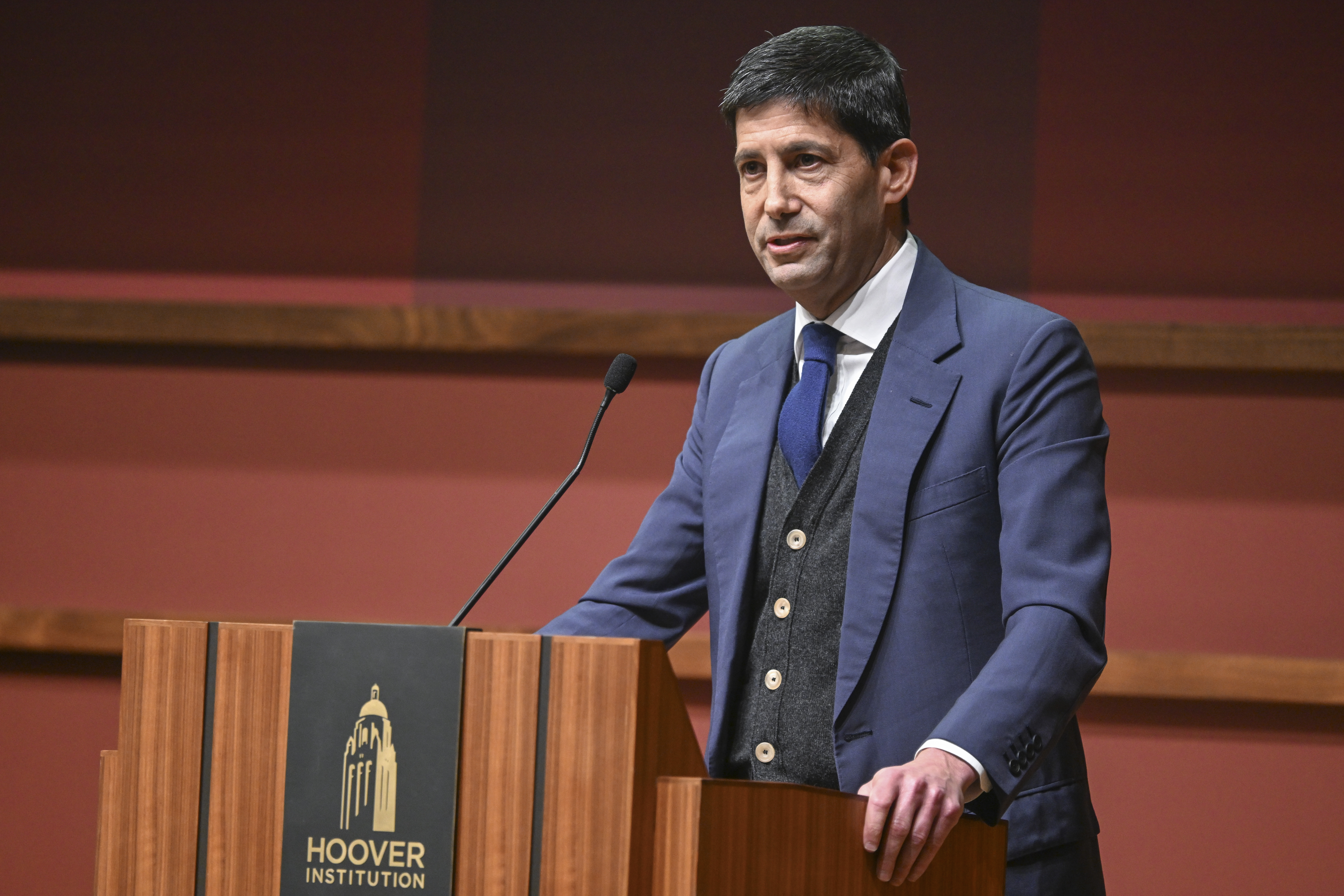
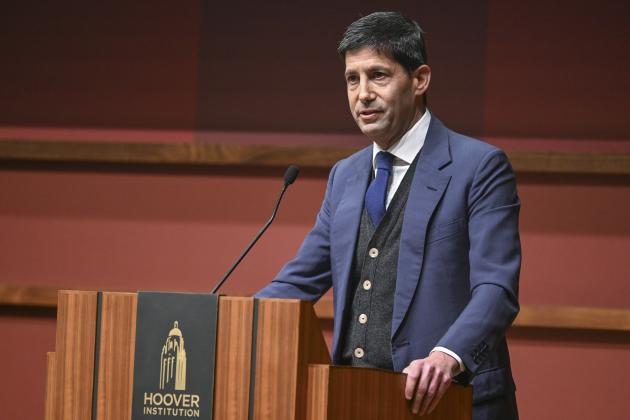
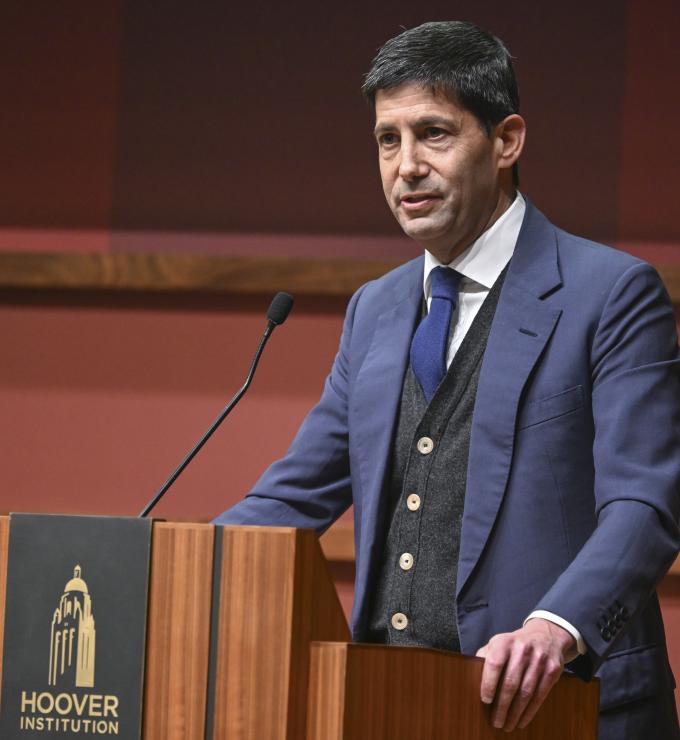
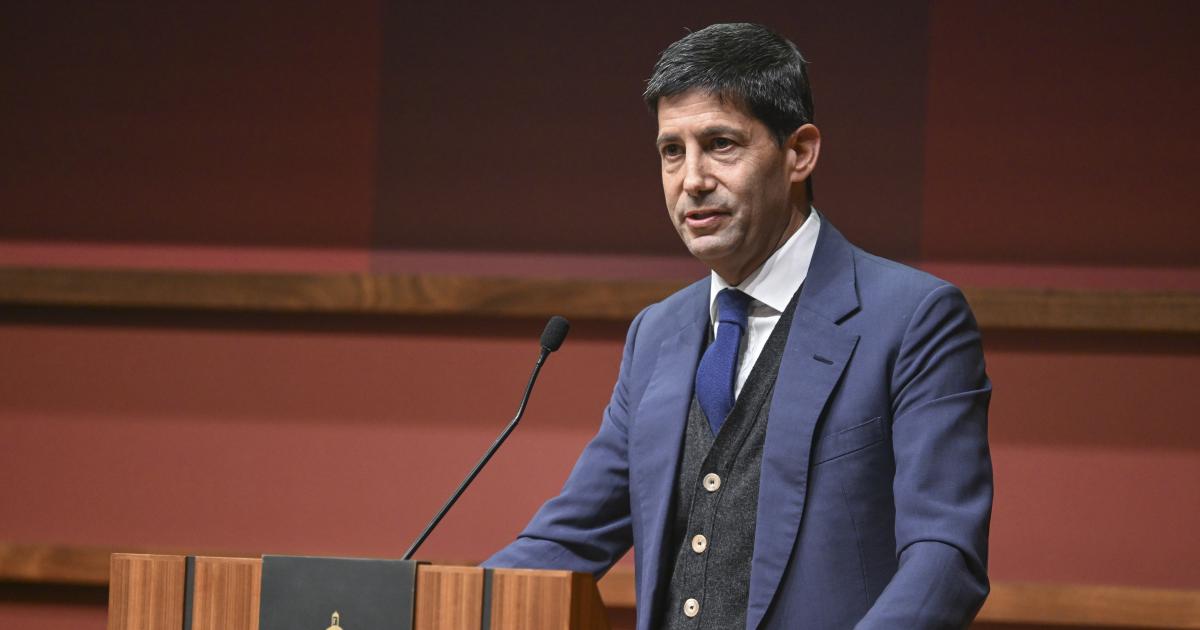
Hoover Institution (Stanford, CA)—The Hoover Institution congratulates Kevin Warsh, Shepard Family Distinguished Visiting Fellow in Economics at Hoover, for his nomination to serve as the next chairman of the Board of Governors of the Federal Reserve System.
“Congratulations to my close friend and trusted colleague of many years at Hoover on being nominated as the next Fed chair,” said Condoleezza Rice, Tad and Dianne Taube Director of the Hoover Institution. “Kevin is a dedicated public servant with the intellect, experience, and judgment to lead the Federal Reserve. He understands the central bank’s key role for the United States and our allies around the world.
“We will benefit from his steady, principled leadership.”
Warsh served as a member of the Federal Reserve Board of Governors from 2006 to 2011. During that period, he took part in key decisions during the financial crisis and the early recovery. He also represented the Federal Reserve at international meetings and worked on issues tied to market functioning, banking oversight, and central bank communications.
Warsh has contributed to research and public discussions focused on sound money, the role of central banks, and long-term growth. He has engaged with Hoover fellows, students, and visiting leaders through seminars, publications, and public programs. In 2022, he cowrote a paper with Senior Fellow John F. Cogan on a new framework for US economic governance.
A student of the late Milton Friedman while completing his undergraduate degree at Stanford, Warsh has addressed in his work over the years the importance of credible monetary policy, clear rules, honest communication with the public, and institutional accountability. Apart from engaging in his own studies, he’s participated in several longstanding Hoover initiatives, including the George P. Shultz Energy Working Group, the Digital Currency and Electronic Payments Working Group, and the Fiscal Policy Initiative.
Hoover economists study the practical challenges facing policymakers and the long-term consequences of economic choices. Warsh’s nomination reflects the continued relevance of Hoover’s scholarship in national debates over inflation, employment, financial regulation, and the resilience of the US economy.
The chairman of the Federal Reserve leads the nation’s central bank and plays a central role in setting monetary policy, supervising key parts of the financial system, and communicating policy decisions to the public and markets.
For more information, please contact Jeffrey Marschner, assistant director of media and government relations, at jmarsch@stanford.edu or 202-760-3200.