Hoover Institution (Stanford, CA) — Remote work is no longer a pandemic-era stopgap. It’s a durable shift reshaping how Americans organize workplaces, family life, and cities.
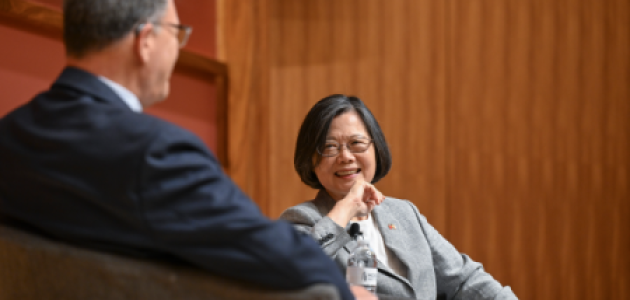
Those were the clear takeaways from a recent Hoover Institution conference at Stanford University, where scholars from around the world presented many new studies—and from a subsequent conversation between Stanford economist Nicholas Bloom and Hoover senior fellow and conference organizer Steven J. Davis, on his podcast, Economics, Applied, where Bloom stated the work from home phenomenon “is the biggest change to US labor markets” since the start of World War Two.
The conference and discussion underscored that the work-from-home (WFH) revolution has settled at levels far above its pre-2020 baseline. As of October 2025, Davis noted, the monthly Survey of Working Arrangements and Attitudes found that nearly 11 percent of US workers were fully remote, with another 25 percent working from home at least some of the time. Among workers in roles that can accommodate remote arrangements, 45 percent did so at least part of the time. Those rates have been three to four times higher than pre-pandemic norms since about 2023, and researchers see little sign of retreat.
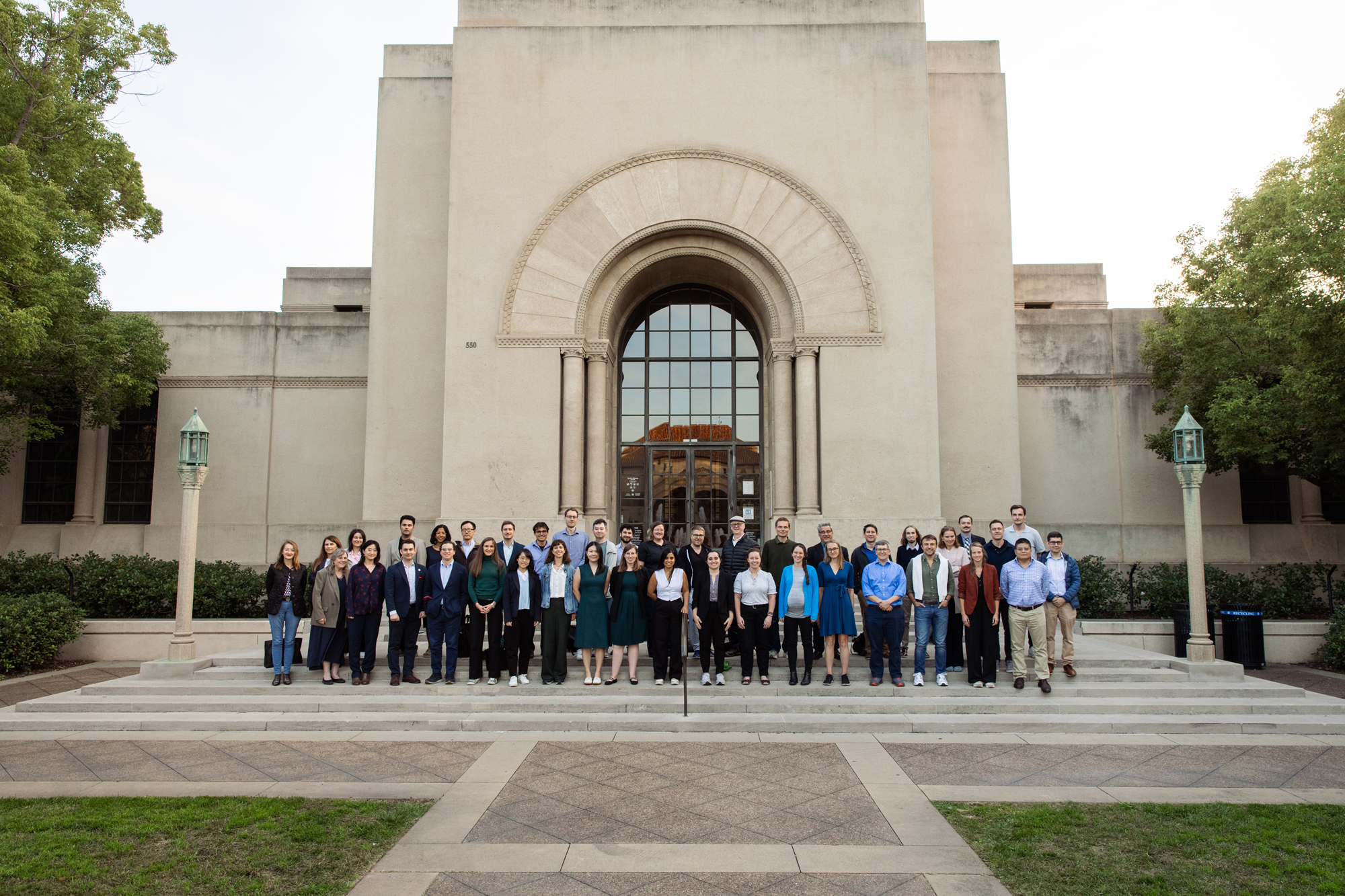
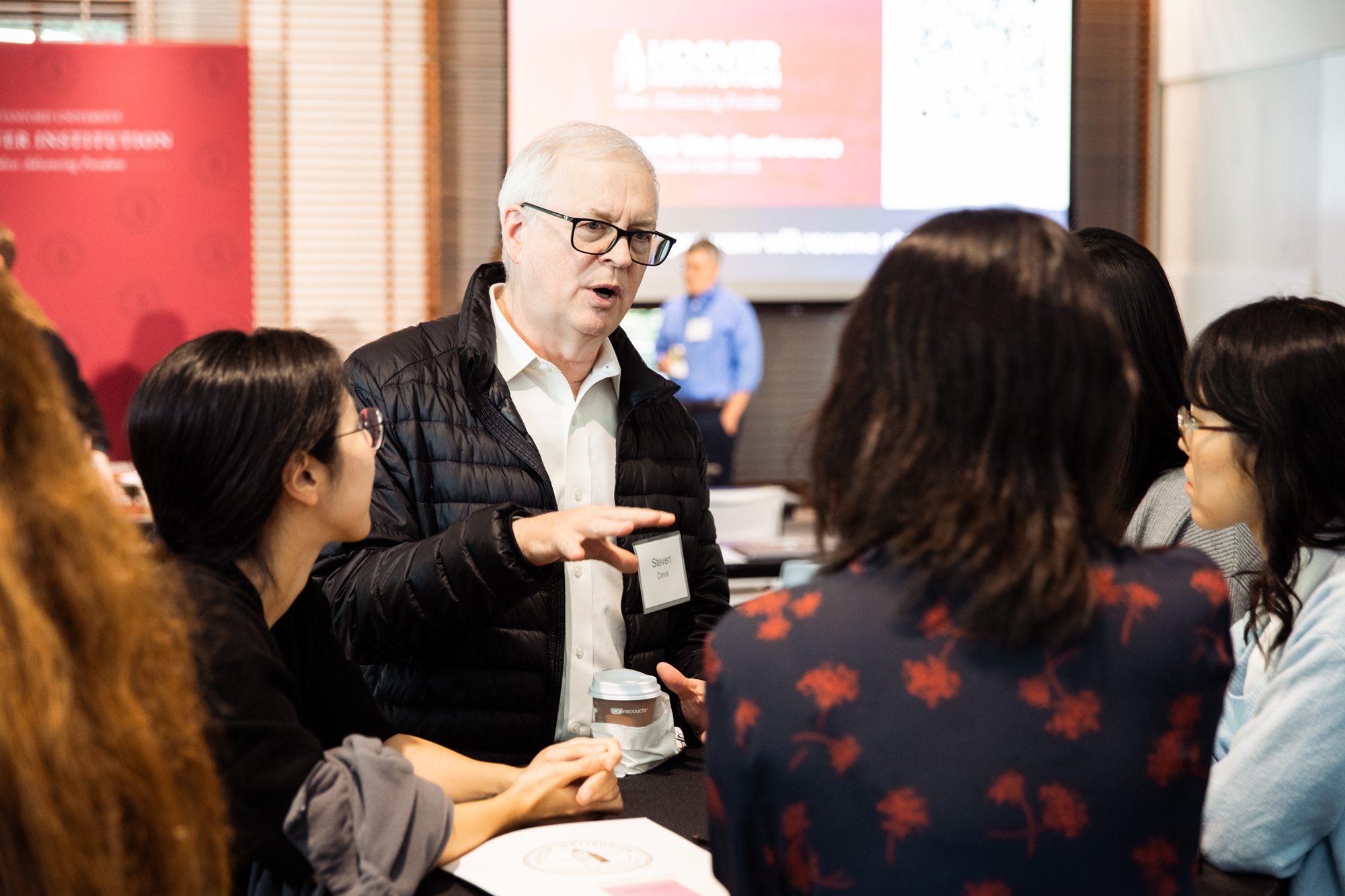
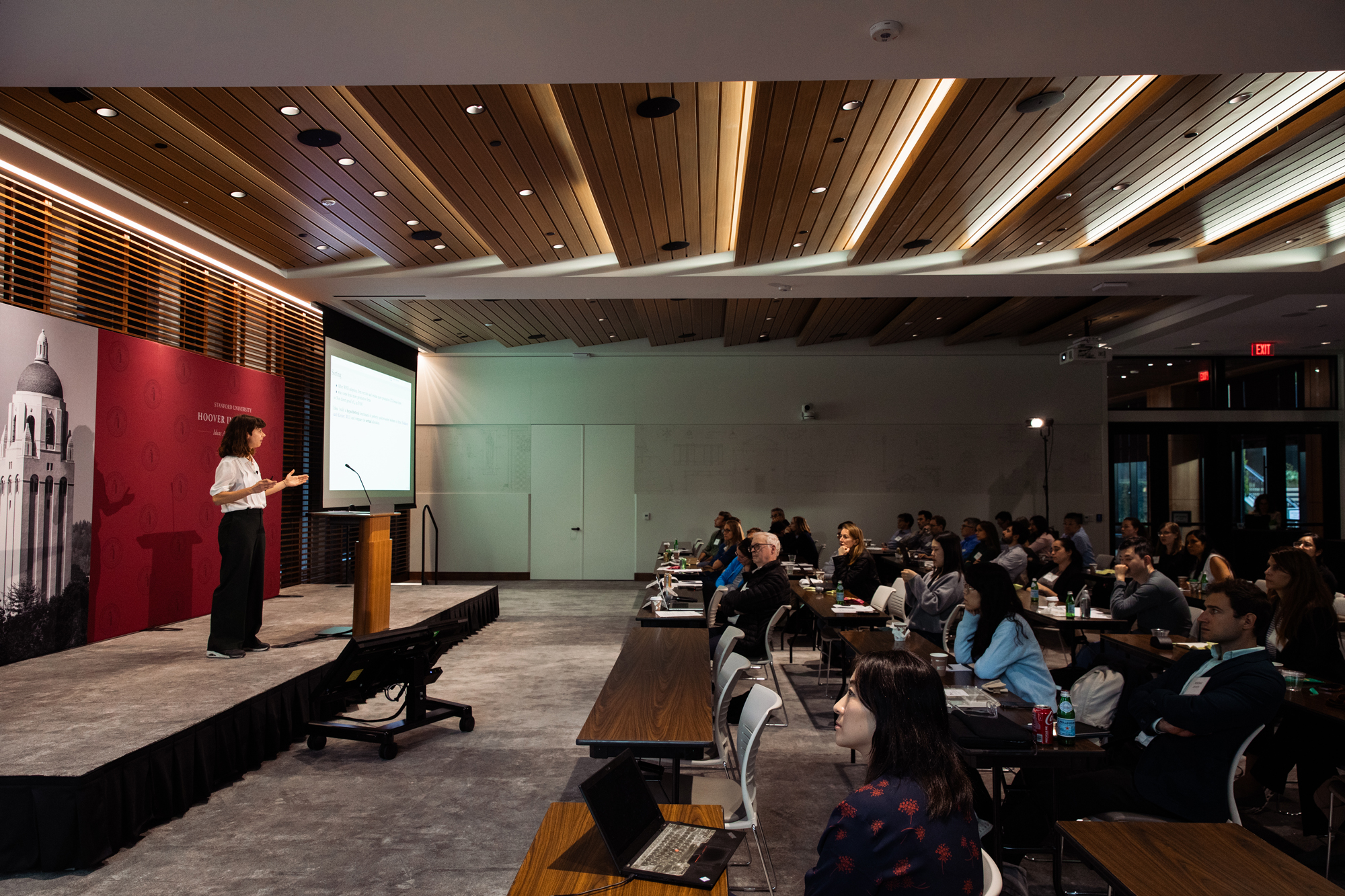
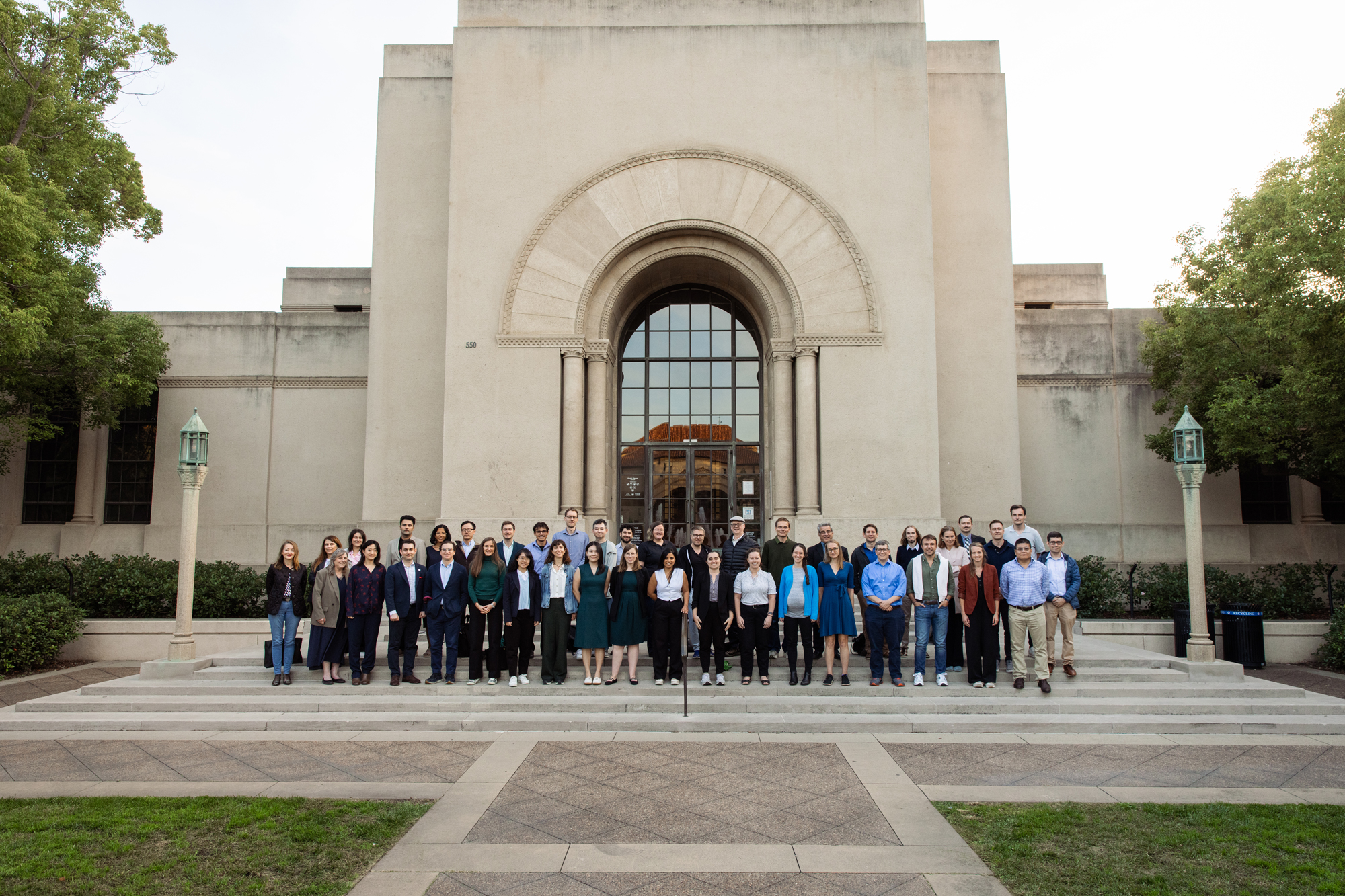
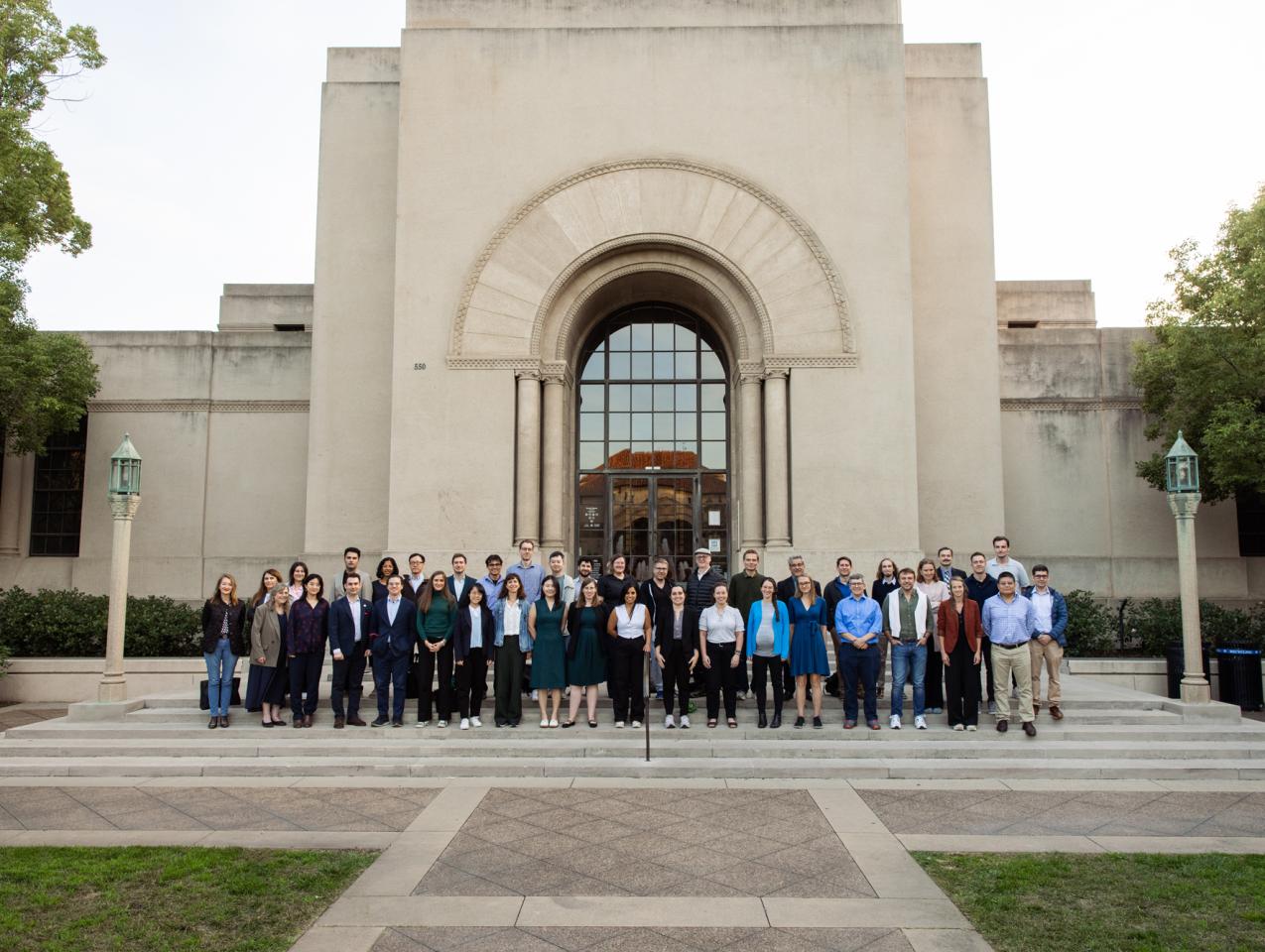
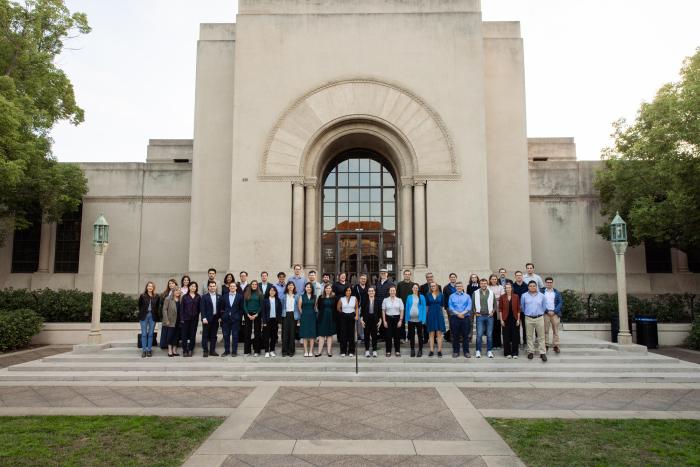
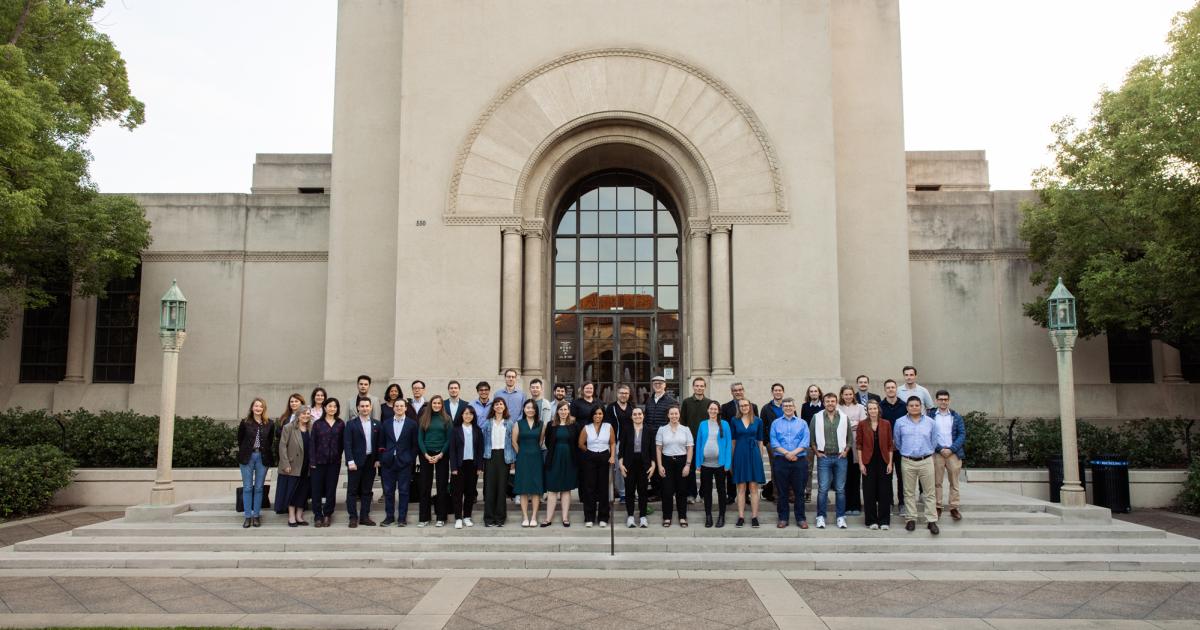
The annual Remote Work Conference ran from October 22-23, 2025, and was co-organized by the Hoover Institution and Stanford’s Institute for Economic Policy Research.
What’s replacing the old five-days-in-the-office model is a complex and varied assortment of fully remote, hybrid, and office-centric practices, each with benefits and tradeoffs that vary by job type, career stage, level of experience and personal circumstance. That heterogeneity was a recurring theme.
Several studies showed clear advantages of flexibility for workers with young children, while others highlighted performance and innovation challenges for certain high-skill, information-heavy roles when work goes fully remote.
Remote Work’s Impact on Family Life
Family life and fertility gained fresh attention. New research presented at the conference using US data from 2019 to 2021 found a small rebound in births in 2021 and into 2022, with increases concentrated among younger women, the higher educated, first-time mothers, and Latinas.
Building on those findings, work by Davis and coauthors indicates that household fertility is higher when both parents can work from home, compared with households in which neither parent has that option. While researchers cautioned that multiple factors influence fertility, the emerging evidence suggests that workplace flexibility may reduce some of the constraints (time cost of commuting, cost of childcare etc.) that dampened birth rates years prior to the explosion in availability of remote work that came with the onset of the COVID-19 pandemic.
Children’s academic outcomes surfaced in another line of research. A study presented at the conference found that students whose parents can work from home perform better on a high-stakes exam administered before high school. One plausible explanation is that parents working from home may be able to supervise, support, or tutor their children more effectively. The exam performance effects are modest, but they add to the picture of how flexibility can ripple through households in measurable ways.
Relatedly, scholars examined how remote work has affected the declining use of paid childcare across industrialized economies, pointing to shifting demand patterns and business models as parental work arrangements change. More broadly, remote work allows workers to select homes in a larger geographic area than before, allowing them better choice of neighborhoods and thus in the United States, better access to good schools.
The benefits of remote work can be different depending on gender, however. In one paper presented at the conference, called The Double-Edge of Flexibility, Task Design and Gendered Focus in Remote Work, working women with children can find that working from home brings with it expectations to continue with domestic work and child rearing. This effect is so pronounced that some working women opt to go into the office as a means of escaping the gendered work expectations of their home and male partner.
Work from Home and Productivity
Inside organizations, multiple papers explored how workers communicate and collaborate when they are remote versus on-site. In one study of a nonprofit in Bangladesh during the early pandemic period, emails were 12 percent longer when the sender and recipient were in different work settings—home versus office—suggesting that teams compensate for the loss of shared context with more written detail.
Managers, the researchers found, tend to write longer emails to their subordinates when working from home than when they are in the office. These differences may seem small, but they hint at the evolving norms and hidden costs of coordination that come with hybrid and remote workplace arrangements.
Perhaps the most pointed evidence on productivity tradeoffs came from studies of highly specialized financial analysts. Using data that compared firms with strict return-to-office (RTO) mandates to those without, researchers found that analysts compelled to return five days a week delivered significantly better forecast accuracy.
The effect was most pronounced among younger, less experienced, and female analysts. These results suggest that in some roles—especially those relying on tacit knowledge transfer, rapid feedback cycles, and dense informal learning—co-location can materially improve performance and accelerate skill development.
Innovation outcomes raised similar concerns. Research presented by an international team examined how remote arrangements affect the “networking” and “bridging” capacities of workers tasked with generating new ideas and products.
They found that remote work tends to degrade the quality of an innovator’s network compared with spending most work time in the office. Weaker networks can slow the exchange of ideas and reduce exposure to diverse perspectives, especially in fields where breakthrough creativity is often sparked by unplanned interactions and team-based problem-solving.
In the positive category, Bloom has authored several studies that show the potential of remote work to improve employee retention and raise productivity. In a recent study with Davis and others, the authors cooperated with a large Turkish call center firm to conduct a field experiment involving remote employees. Prior to the experiment, the employees worked at home five days a week. During the experiment, half the employees (randomly) gathered at an office location one day month. Attrition rates fell by half and productivity rose by about six percent for those who came to office one day a month, as compared to those who did not.
Trends in Cities and Consumer Behavior
The conversation also touched on cities and consumer behavior. One study showed that many central business districts continue to struggle—particularly in older office buildings lacking the top amenities— while some urban cores are finding a second wind, powered more by consumption by area residents than by commuting. As employers maintain hybrid arrangements and office utilization remains below pre-2020 levels, rents and prices in many city centers have softened relative to the suburbs. Yet restaurants, entertainment venues, and retail outlets in select “consumer cities” have shown resilience, reflecting a shift in urban demand from nine-to-five office traffic toward leisure and residential-driven activity.
How Managers and Employees Value Remote Work
Against this backdrop, labor market dynamics are adjusting. Scholars discussed how the growing value workers place on flexibility and remote-friendly amenities is filtering into wages and job offers. One study examined the wage “penalties” associated with workplace amenities that workers want, suggesting that if workers strongly prefer remote options, some are willing to accept lower pay in exchange for that flexibility.
Managers often underestimate how much employees value work-from-home arrangements. While flexibility represents a meaningful part of total compensation for many workers, managers’ own experiences often do not reflect those preferences. The conversation highlighted the risk of projecting personal views onto the broader workforce—especially in novel settings where norms and expectations are still evolving.
Lessons Learned on the Evolving Work-From-Home Landscape
Notably, the findings of the conference don’t add up to a simple verdict for or against remote work. Instead, they point to a nuanced map of where remote work excels, where hybrid arrangements strike a balance, and where sustained, intensive in-person collaboration remains critical. For families, the benefits can be immediate: more time at home, better supervision of children, and potentially higher fertility when both parents have flexibility.
For certain organizational tasks, especially those involving routine, independent work, remote work can be efficient and attractive. For early-career workers learning hard-to-codify skills, and for innovation-intensive roles dependent on dense networks, the costs of remote arrangements can outweigh the conveniences.
The enduring lesson from the conference is that remote work is not a monolith. Its effects depend on context: the nature of the job, the structure of the team, the life stage of the worker, and the surrounding economic ecosystem. For all the advances in digital communication, in-person interaction continues to play a pivotal role in skill formation, mentoring, and creative collaboration.
Davis, who has been a leading voice in tracking the rise of remote work, emphasized in the conference and on his podcast that the research frontier is still moving fast. The shifts underway touch fertility patterns, consumer behavior, education outcomes, and the future of urban centers. As more data accumulates and organizations refine their practices, researchers expect to uncover additional tradeoffs and opportunities. For now, the message is clear: remote work is here to stay, and understanding its varied impacts will be central to shaping work, family life, and economic policy in the years ahead.
See video from the conference here.