




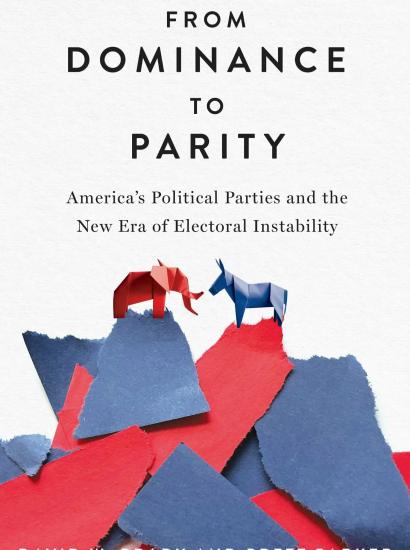




At the time Jimmy Carter was inaugurated as the 39th president of the United States, the Democratic Party had been enjoying a half-century of sustained electoral advantage. It had long controlled Congress and dominated measures of party identification. When Carter defeated Gerald Ford in 1976, 40% of Americans called themselves Democrats and another 12% told survey takers they leaned towards the party. To win the election of 1976, Carter just needed to hold the voters that started out on his side. Nearly fifty years later, American politics has inverted itself. Close electoral competition is the norm, and politics are at a stalemate. Brady and Parker call the existing deadlock the era of party parity, an age of division unseen since the late-nineteenth century. This book explains this profound shift in electoral politics. Drawing on fresh datasets and long-running surveys, the authors trace the decline of the Democratic majority and consider how this decline differed from past realignments. They show why modern American presidential elections are always close and argue that the rise of Donald Trump largely reinforced preexisting trends. Their work represents a significant contribution to the scholarly literature on party identification and realignment.


- Library & Archives
- Events
- Subscriptions
- Research Programs
- Support
-
MyHoover

-
MyHoover
What is MyHoover?
MyHoover delivers a personalized experience at Hoover.org. In a few easy steps, create an account and receive the most recent analysis from Hoover fellows tailored to your specific policy interests.
Watch this video for an overview of MyHoover.
Create AccountForgot Password
Login?

-
MyHoover
-
MyHoover
What is MyHoover?
MyHoover delivers a personalized experience at Hoover.org. In a few easy steps, create an account and receive the most recent analysis from Hoover fellows tailored to your specific policy interests.
Watch this video for an overview of MyHoover.
Create AccountHave questions? Contact us
Forgot Password
Login?
-
Support Hoover
Support Hoover
Learn more about joining the community of supporters and scholars working together to advance Hoover’s mission and values.
Learn More


