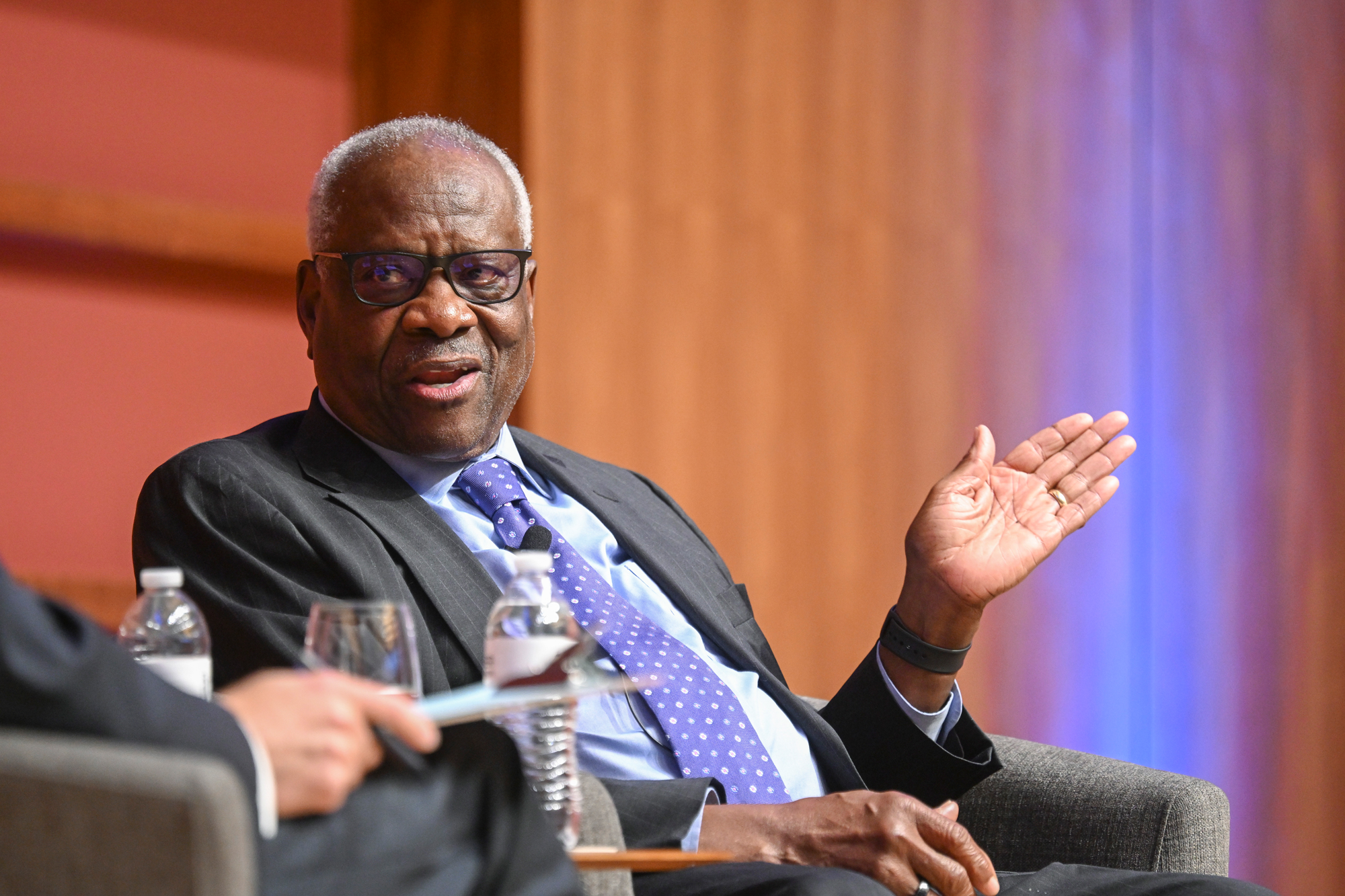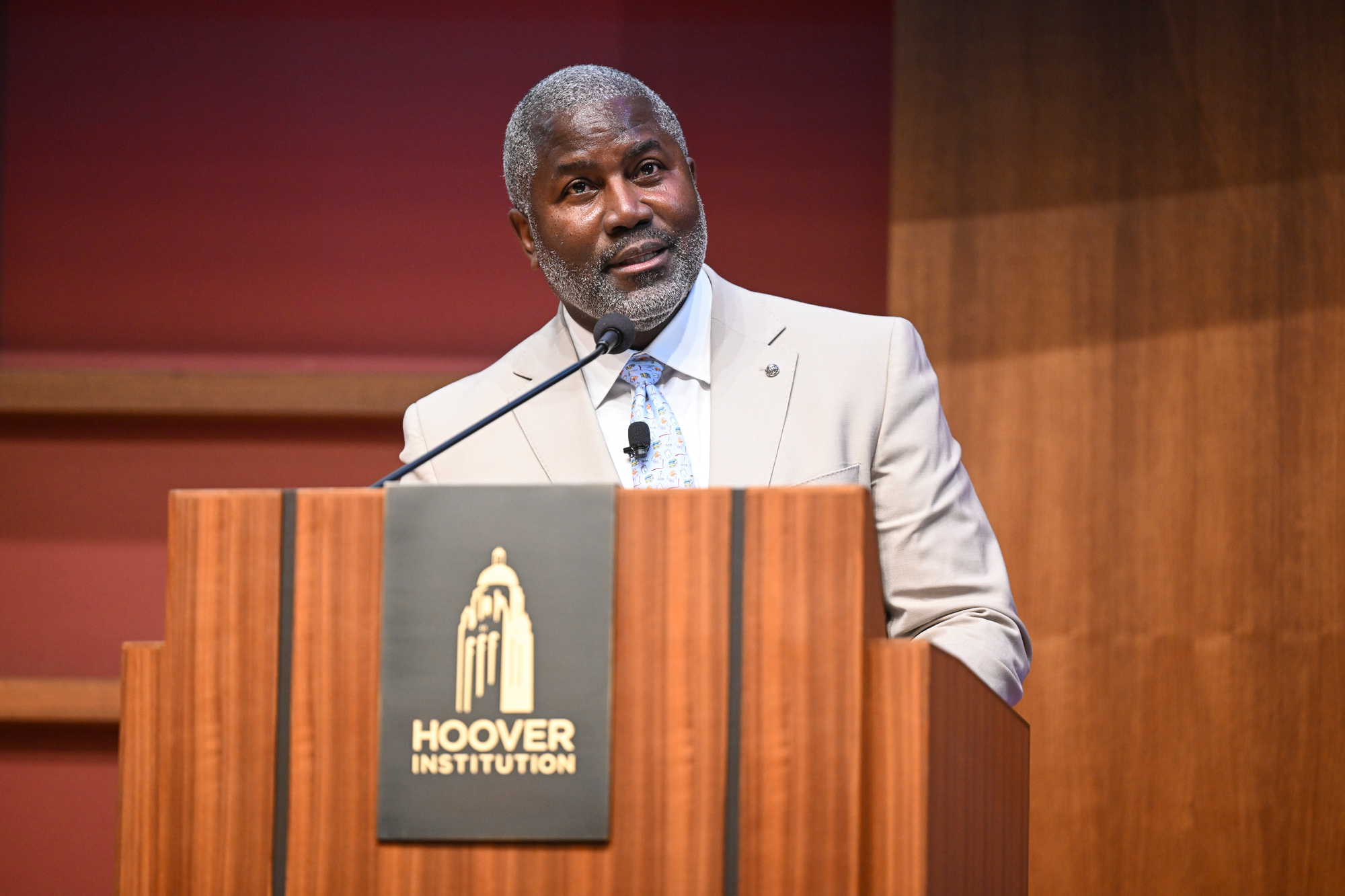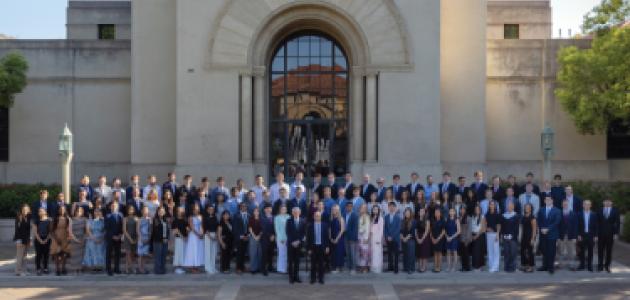
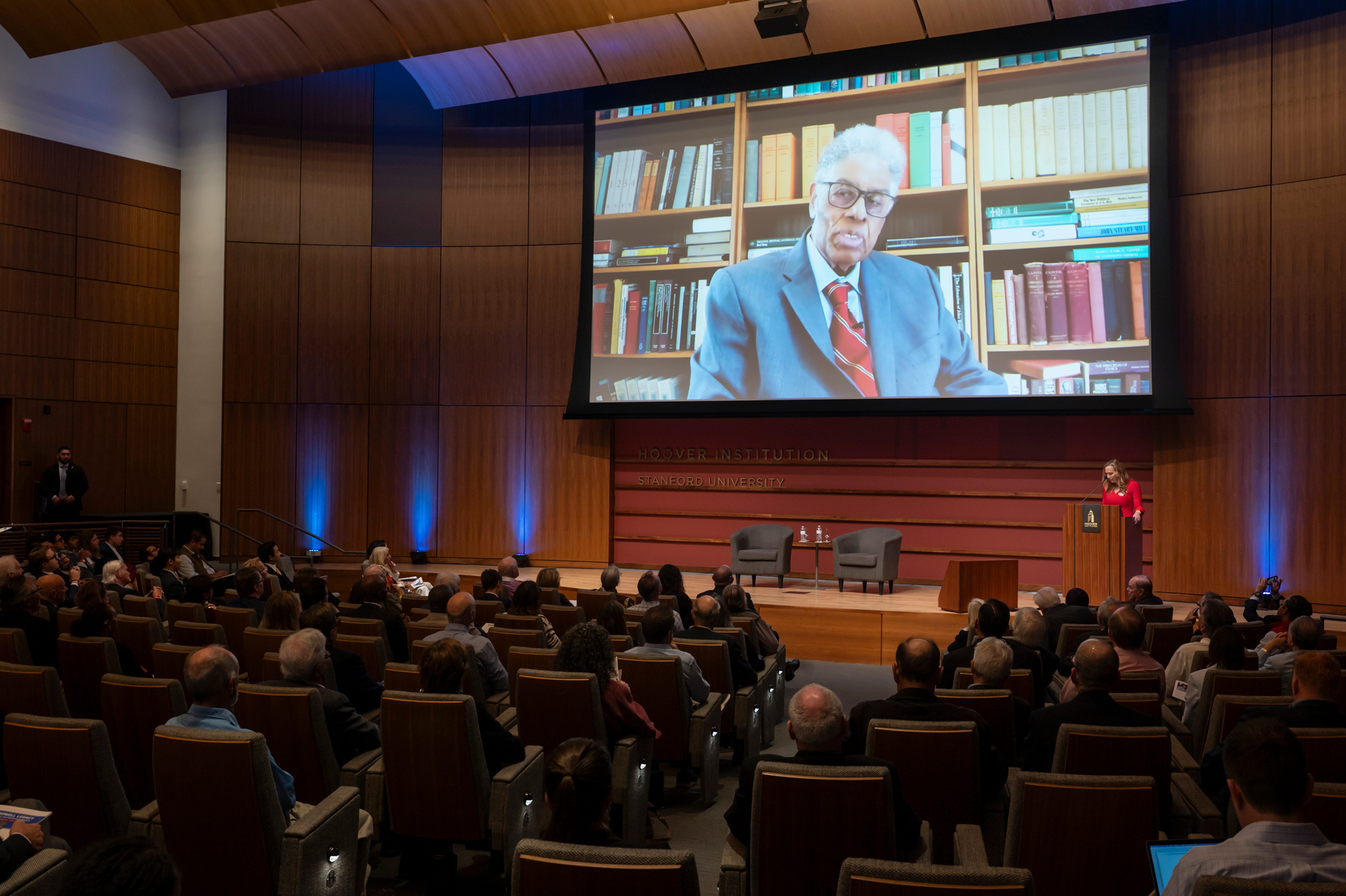
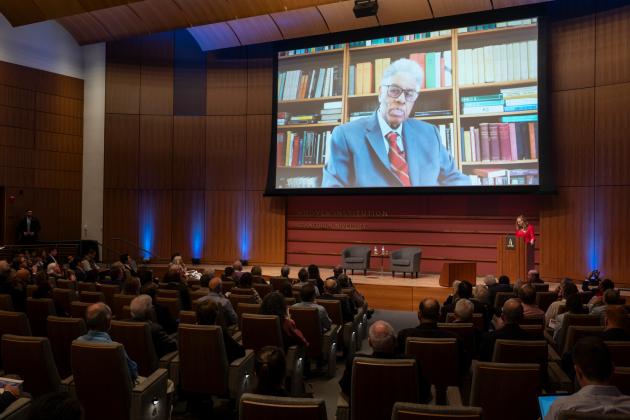
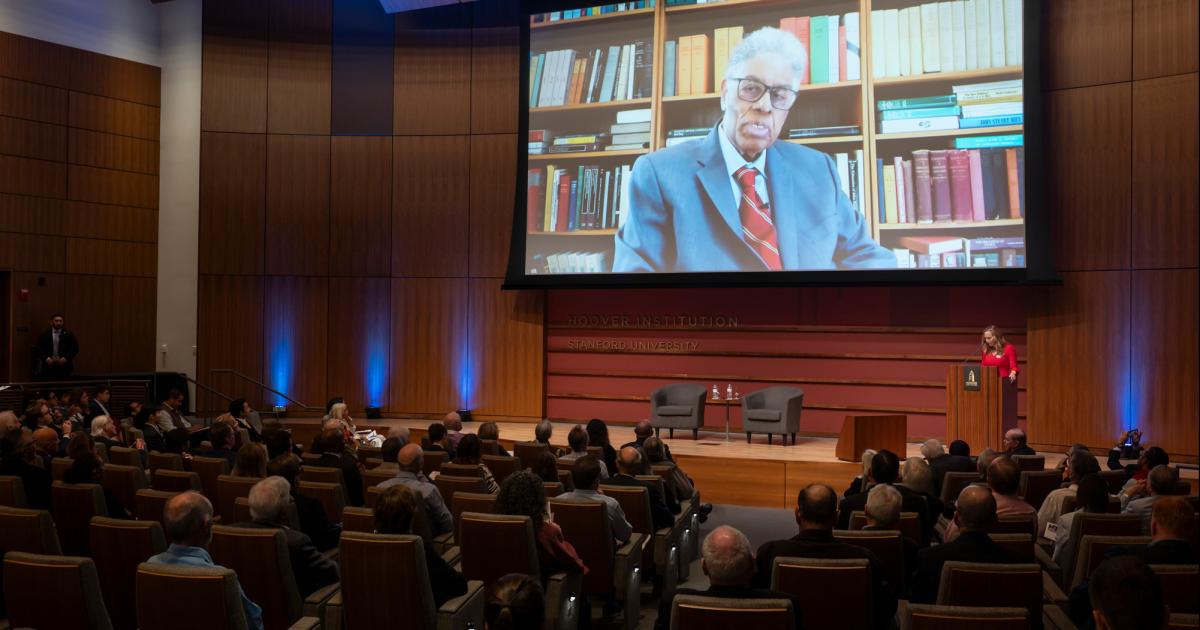
Hoover Institution (Stanford, CA)—Supreme Court Associate Justice Clarence Thomas spoke at the Hoover Institution’s celebration of Thomas Sowell on October 20, saying his writing gave him the fortitude and confidence in his own beliefs at a time in his life when he was beset with doubt.
Justice Thomas said as he was a young law student and lawyer, navigating what his teachers, peers, coworkers, and others expected him to think as a Black man, Sowell, now 95, paved the way for him to form his own views, and be proud of them.
“Here’s someone who’s thought it through and makes sense of what your instinct has been,” Thomas told a packed Hauck Auditorium. “[Sowell] demonstrated that in a logical analytical way, you’re not alone.”
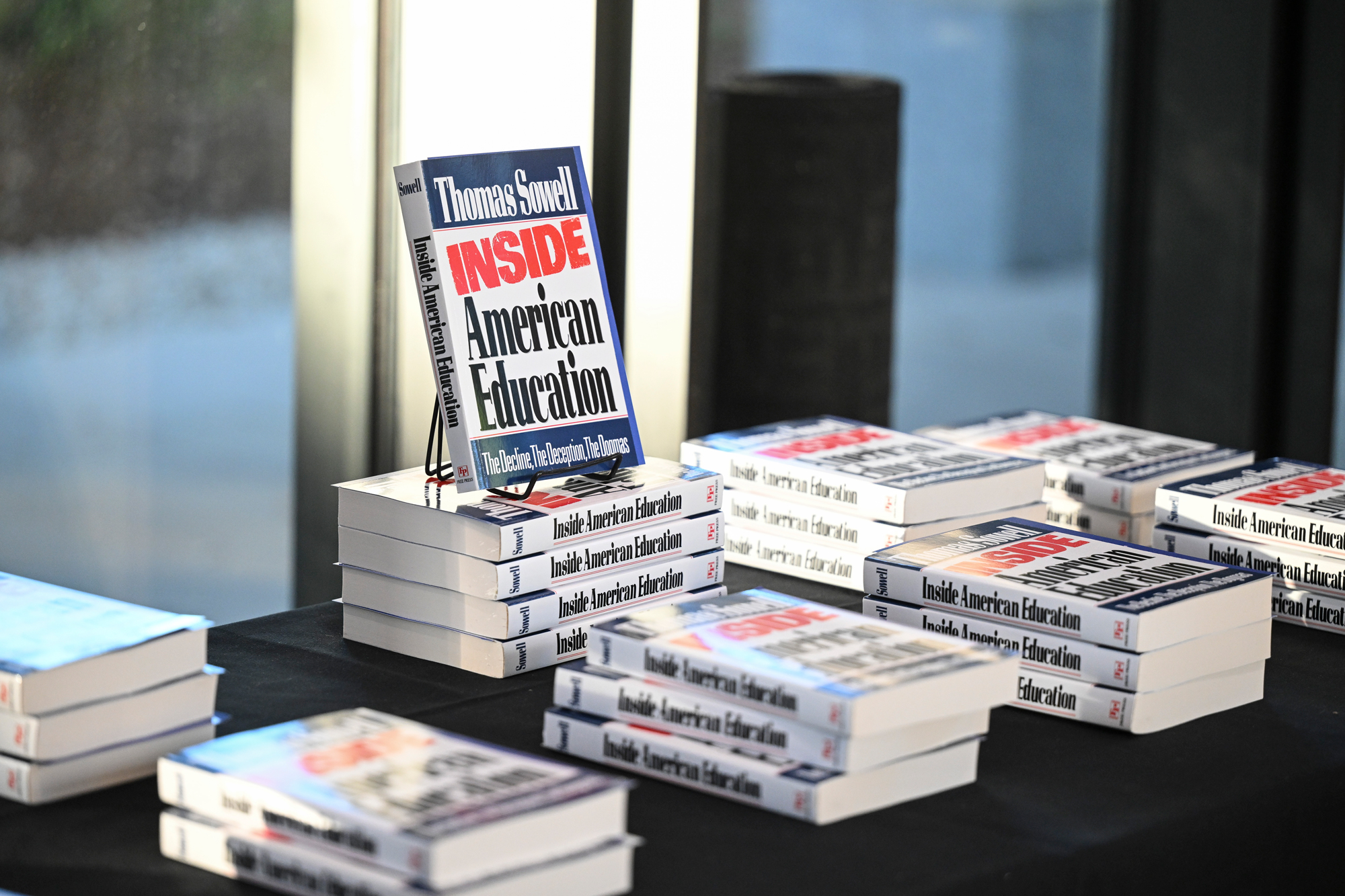
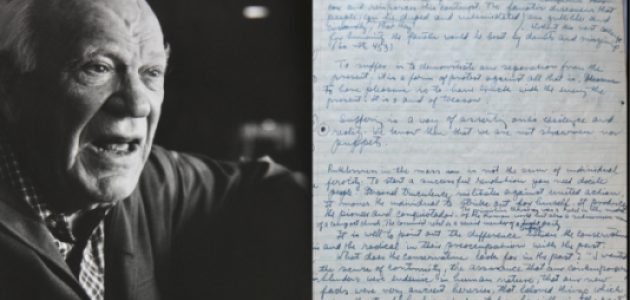
Recognized globally for his contributions to economics, social theory, and public policy across six decades, Sowell continues to inspire and influence scholars and thinkers through his work. Now the author of nearly fifty books, Sowell has written on a variety of topics throughout his career, ranging from economics, history, social policy, and ethnicity to the history of ideas. He won the National Humanities Medal in 2002.
Some of his most famous books include Social Justice Fallacies (2023); Discrimination and Disparities (2018); Intellectuals and Society (2010); Basic Economics: A Common Sense Guide to the Economy (2000), now in its fifth edition; The Vision of the Anointed: Self-Congratulation as a Basis for Social Policy (1995); and A Conflict of Visions: Ideological Origins of Political Struggles (1987).
Before exposure to Sowell’s early work, in the 1970s, Justice Thomas says he was nothing like he is now.
He was a Marxist. He supported George McGovern in the 1972 US presidential election.
“In 1970, I was part of a riot in Harvard Square to free political prisoners,” he said.
But just a few years later, after reading Sowell’s Race and Economics, he was hooked. As he says in his memoir, he felt “like a thirsty man gulping down a glass of cool water in the desert.”
Justice Thomas said Sowell gave him the confidence to oppose orthodoxies imposed on him in settings like Yale, where he was sometimes ostracized for his views on race, or economics, or the role of the state in society.
But Sowell was not prescriptive, Justice Thomas said, he merely empowered you to form your own beliefs, freeing you from concerns about offending others by merely expressing a contradictory view,
“He always says what he thinks, but he never tells you to say what he wants you to think,” Thomas said. “That is yours.”
“He’s more than a hero,” Justice Thomas said. “You say that he is an intellectual giant—he’s more than that.”
The Sum of Sowell’s Legacy
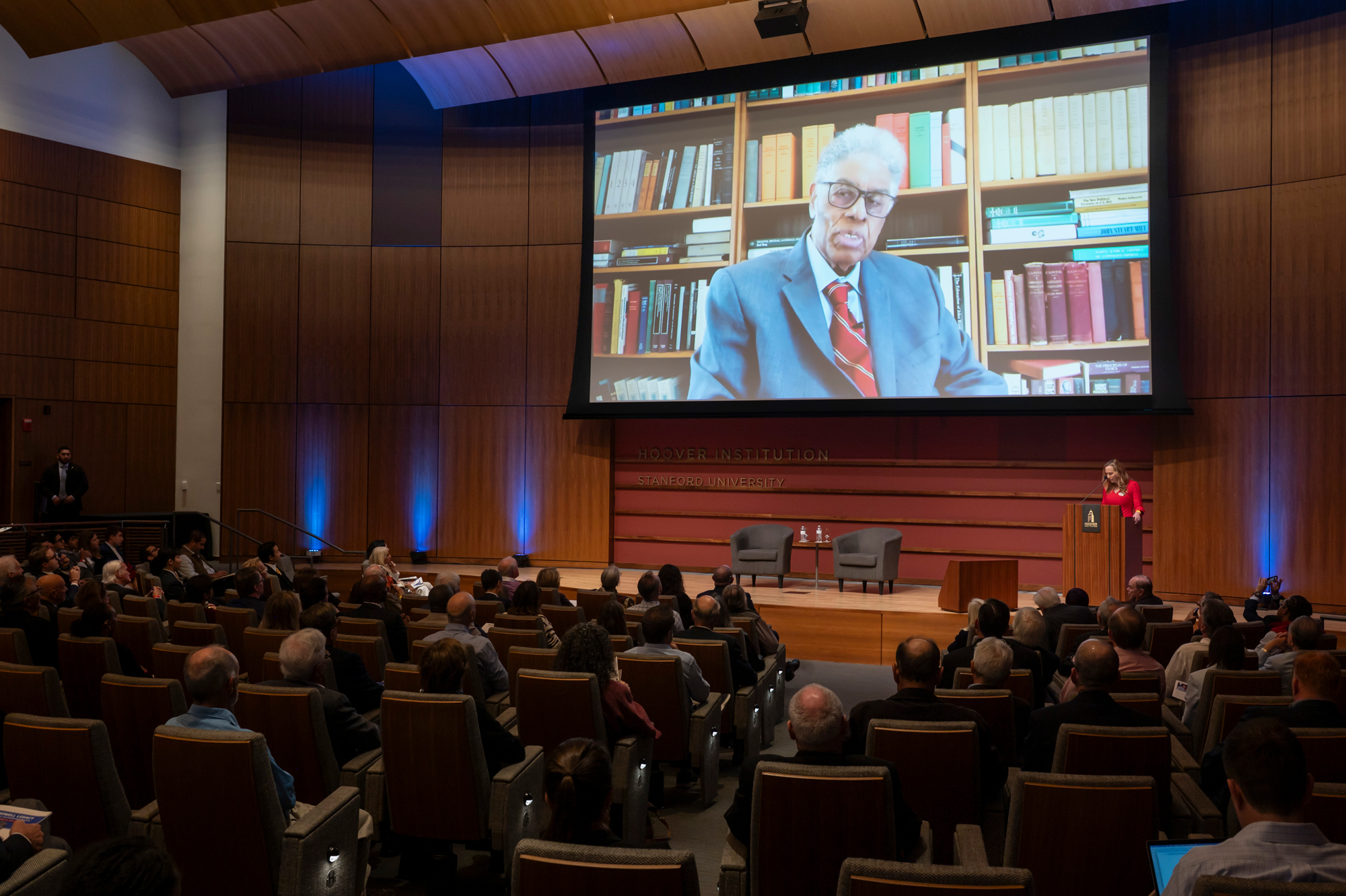
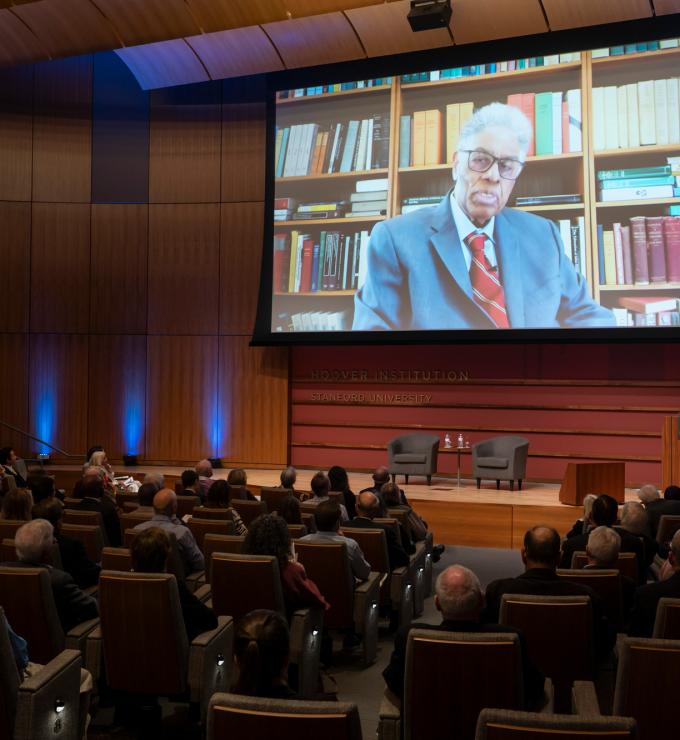
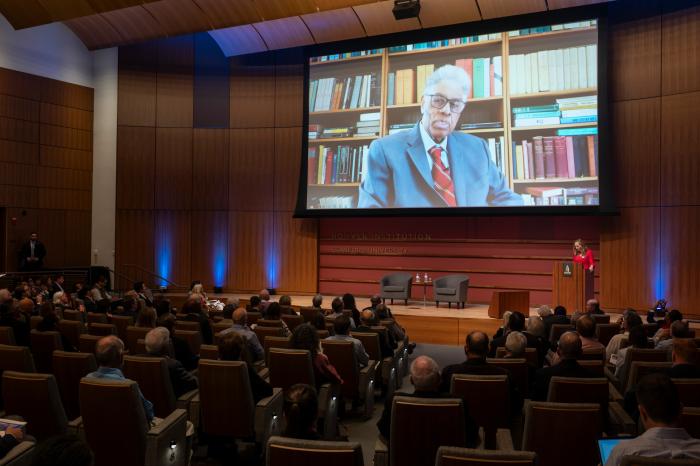
Sowell addressed the celebrants with a video message, thanking Hoover for the incredible freedom it granted him over his 48-year association with the institution.
“I’d like to thank the Hoover Institution for letting me have more than half a century of the kind of freedom that one can no longer have in most universities without ever trying to censor what I say or to make it comply with any political correctness.”
“I would not have had the gall to invite so many busy people to come out here for the sake of some old man who’s theoretically retired,” Sowell said in a recorded message played for attendees.
The day saw a host of cultural commentators and scholars pay tribute to Sowell’s work and its influence on their careers. Writers, economists and thought leaders within and outside Hoover each expressed an admiration for Sowell as someone who let fact along guide them in reaching conclusions about the nature of life and society.
The day also involved honoring the winners of an essay and content creator competition for students to reflect on the impact of Sowell’s work on their lives.
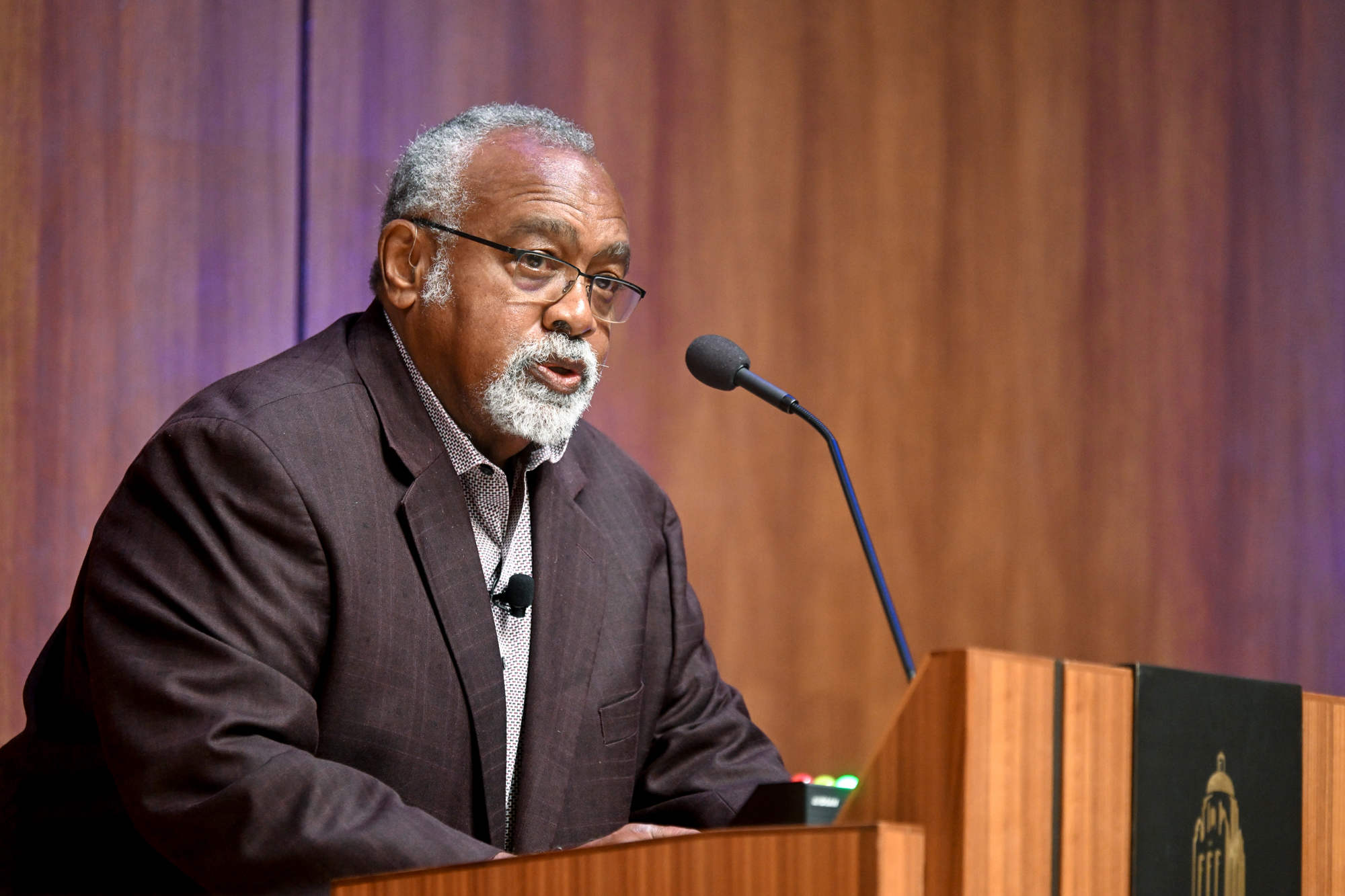
Like Thomas, Distinguished Visiting Fellow Glenn Loury told attendees he once thought Sowell’s ideas should be opposed at every opportunity.
“That was a long time ago, over a half a century” Loury said. “I’ve come around.”
“Thomas Sowell is by any reasonable standard, one of the most important social thinkers America has produced in the last 100 years,” Loury said. “And yet his greatness lies not only in his academic acclaim, but also in his consistent and unflinching application of reason to the most difficult public questions of our time; race, culture, inequality and human freedom.”
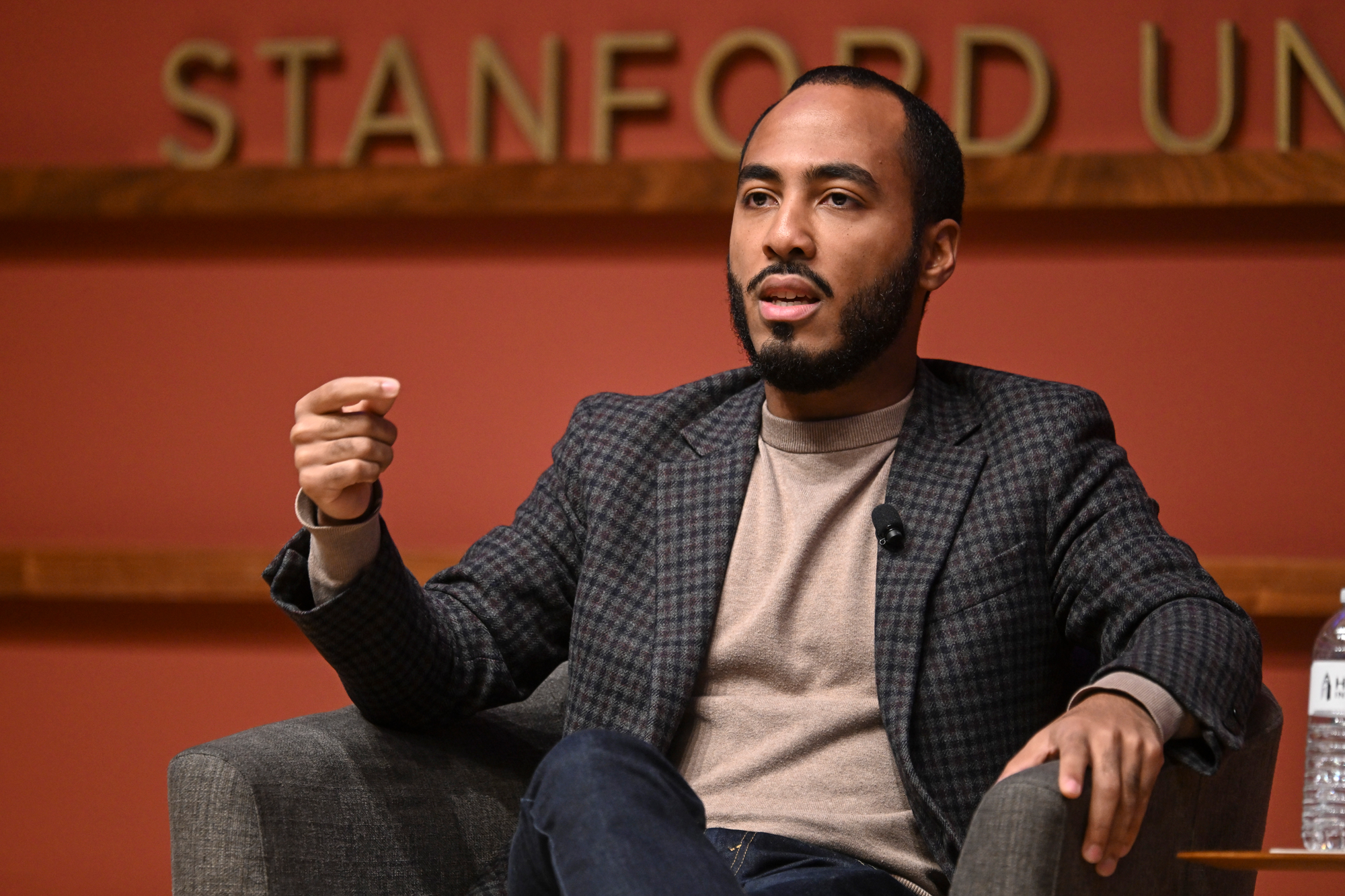
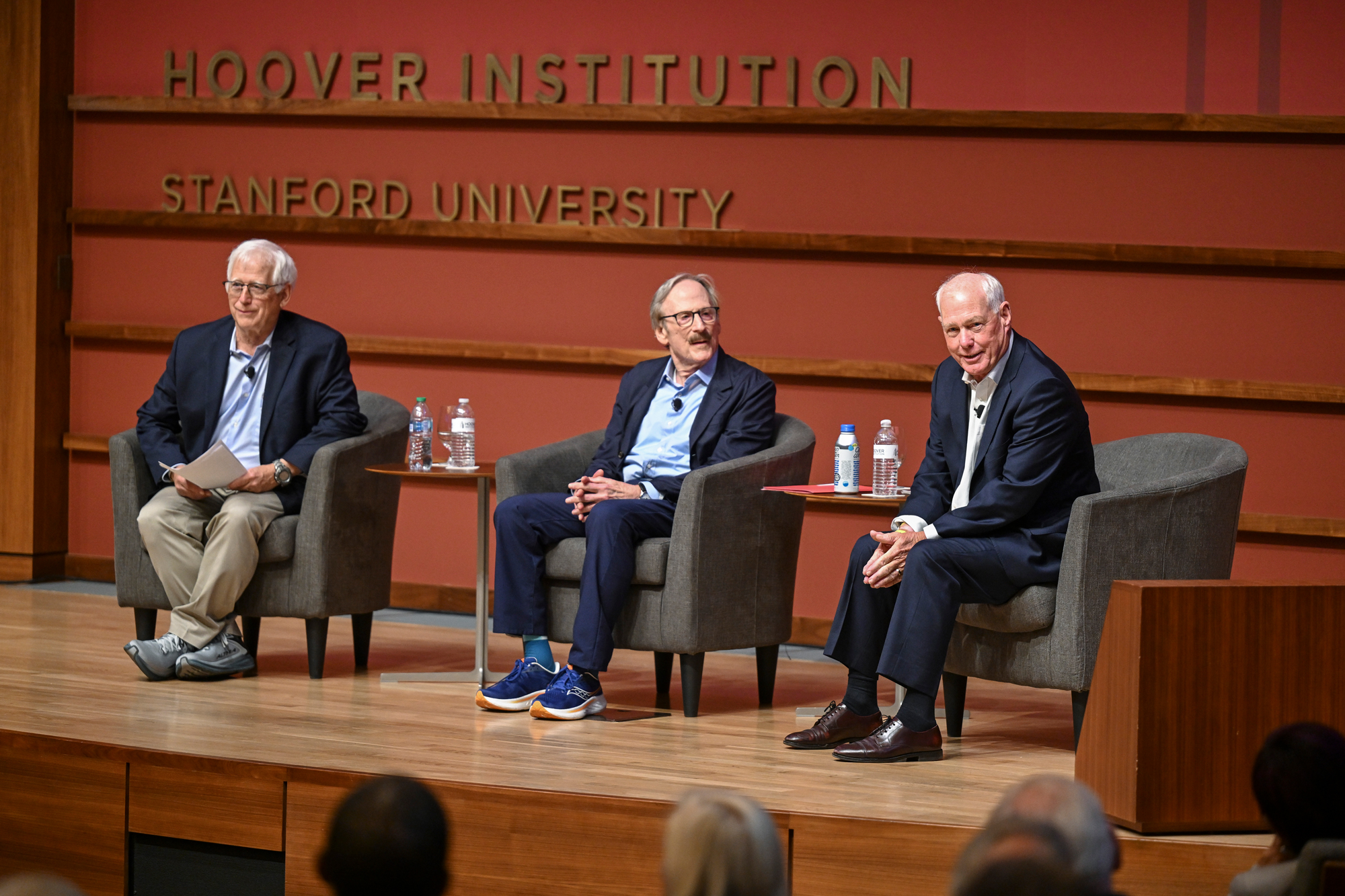
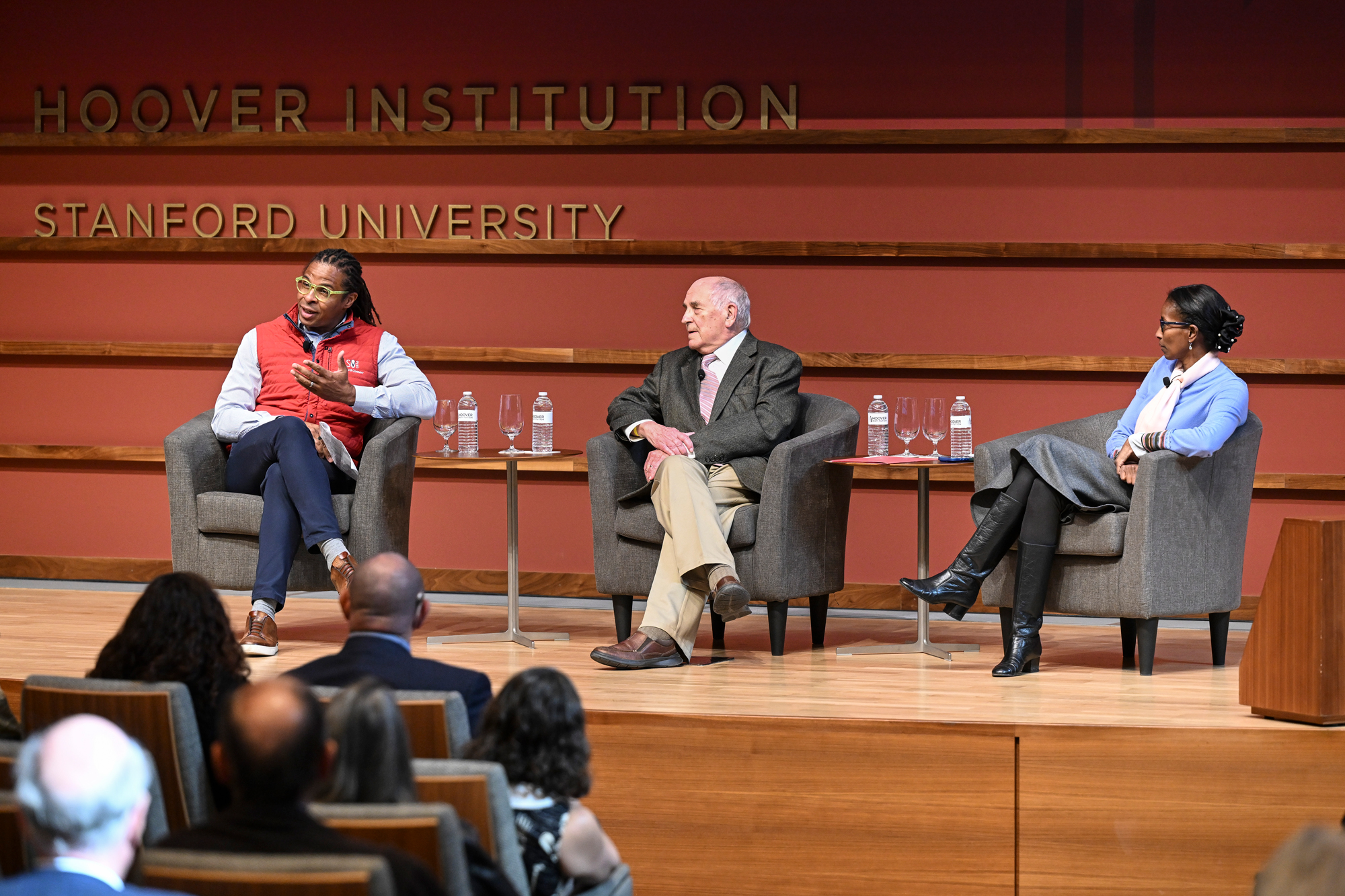
In a separate panel discussion, Hoover Senior Fellows Niall Ferguson and Victor Davis Hanson joined cultural commentator and podcaster Coleman Hughes to discuss Sowell’s legacy as a sort of cultural historian.
Hughes’ father attended Howard University and did his undergraduate economics thesis on the work of Sowell. As a child, Hughes came across one of Sowell’s books.
“I knew he was some sort of bad guy that you weren’t supposed to agree with,” Hughes said.
Ferguson said Sowell was able to make observations about the drivers and determinants of inequality; and how nationalities were able to overcome disadvantages, such as lack of natural resources or poor growing conditions, and prosper with the right ethic or leadership.
Over monthly lunches in Palo Alto with Sowell held over the span of 16 years, Hanson said he came to learn what Sowell thought drove some peoples to become prosperous and free and others to struggle under the constraints imposed on them by others.
During one lunch years ago. Hanson recalled discussing with Sowell: “Are those do-gooder white liberals just misguided, or are they actually pernicious people?”
“We debated that all the time.”
But what got in the way of sharing this truth and getting it to go mainstream was basic human nature.
Ideology and the desire “to gravitate to the common opinion” are the things that get in the way of truth, Hanson said.
Sowell’s Contributions to Child Developmental Psychology
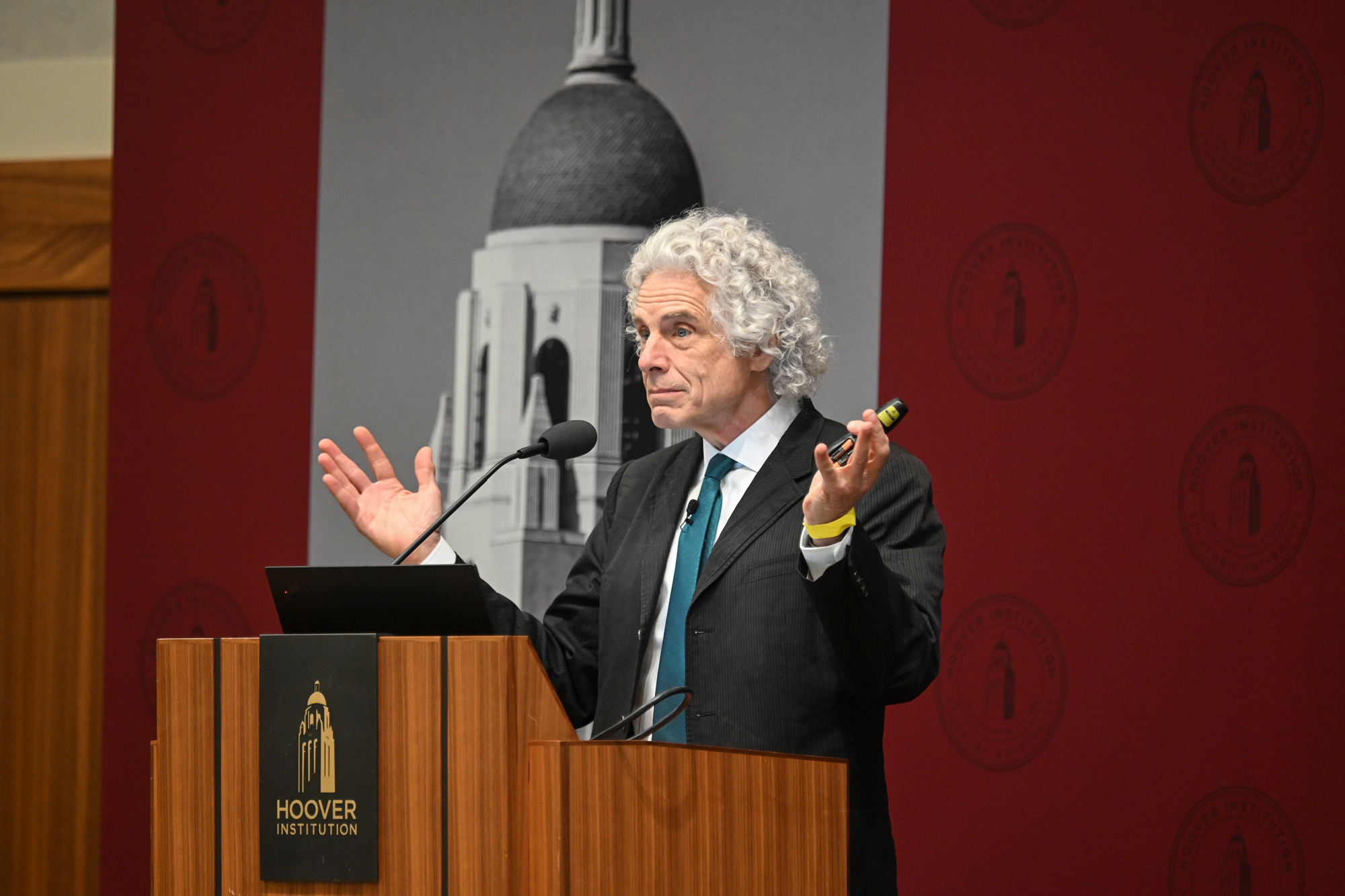
Over lunch, cognitive psychologist Steven Pinker spoke to attendees about Sowell’s observations about his own son, John, who did not begin speaking at the regular age and was therefore misdiagnosed as being on the autism spectrum.
Pinker said Sowell reached out to him via letter to work out what else could explain John’s late arrival at speech, as he was an otherwise attentive little boy.
For instance, Pinker said once at the age of two, John knocked over his father’s chess board in the middle of a game.
“The boy picked up the chess board and replaced every piece in its exact position,” Pinker recounted Sowell telling him, indicating John had incredible spatial ability and memory.
Their correspondence about John led Sowell to write a book, Late Talking Children in 1998, which ties Sowell’s own experiences with John to those of other families.
Their collaboration led Sowell to write a second book, The Einstein Syndrome: Bright Children Who Talk Late in 2002.
Pinker said the whole experience demonstrated how Sowell could apply his unique perspective and way of thinking to a scenario entirely outside of his own field of study and generate something positive and useful for others around him.
“It’s safe to say people in our own field had not studied this sufficiently,” Pinker said of the late-talking children phenomenon. “It really took Tom Sowell coming from left field to identify and to call attention to this syndrome.”
Sowell’s Impact Internationally
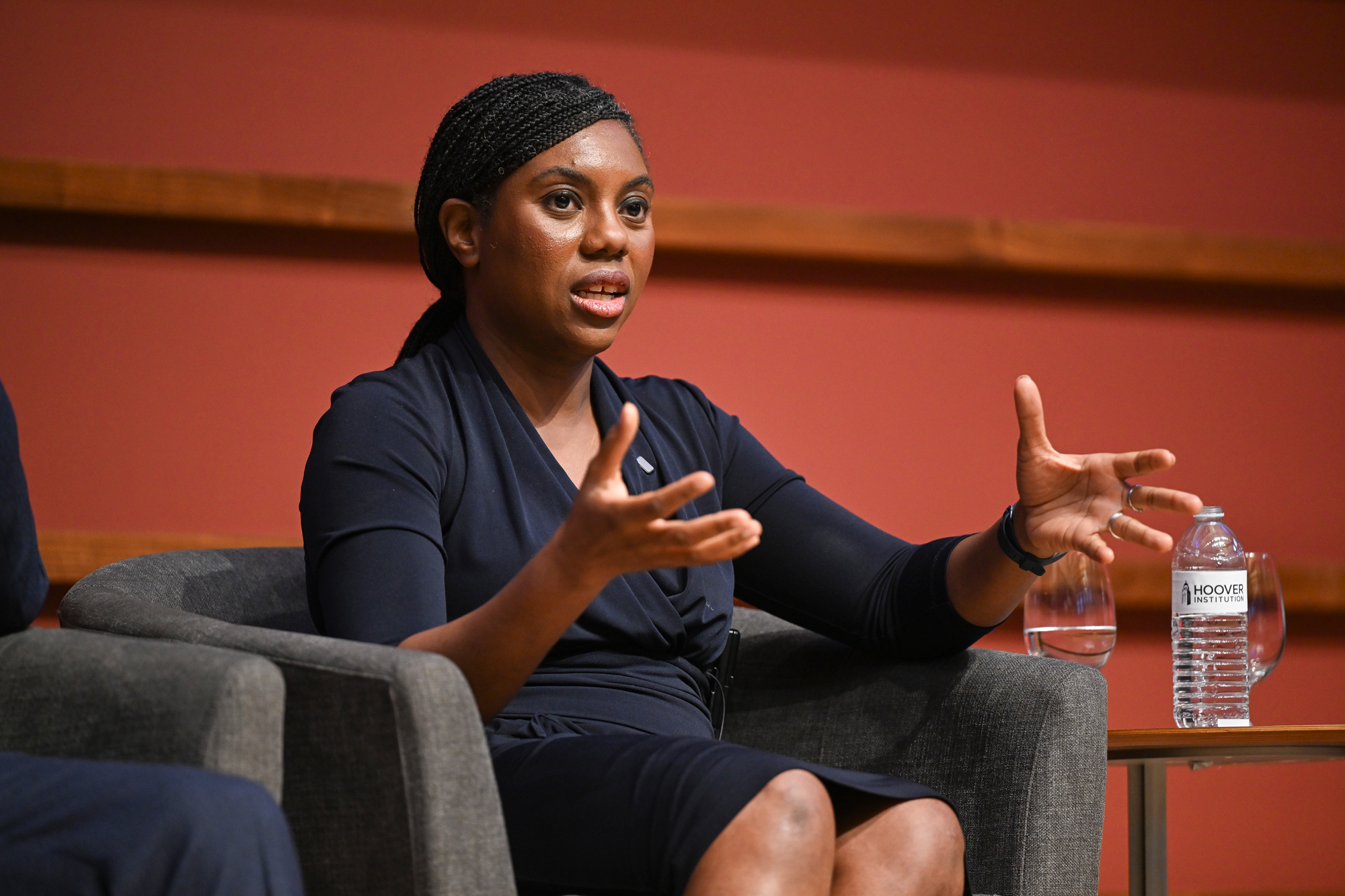
Speaking of her own introduction to Sowell, UK Conservative Party Leader Kemi Badenoch said she recalled coming across his work as a young software engineer.
“This is what I’ve been missing all of these years,” she recounted telling herself.
It wasn’t until she bought Sowell’s Vision of the Anointed that she saw a photo of him on the inside sleeve.
“He’s Black,” she recalled exclaiming. “I had no idea.”
She said Sowell’s work helped her realize that there was no “right” or “wrong” way for her to view her own race and identity, and that there is no “universal Black experience,” one must accept to be acknowledged by their peers.
She brought up an instance where a politician from another party called her “the Black face of white supremacy” because they disagreed with her policy positions, even though that opposition party has never had a female leader, let alone a person of color leading them.
Meanwhile, Badenoch is the fourth woman and second person of color to lead the UK Conservatives.
“Those are the contortions they have to believe in order to accept their own worldview,” she said.