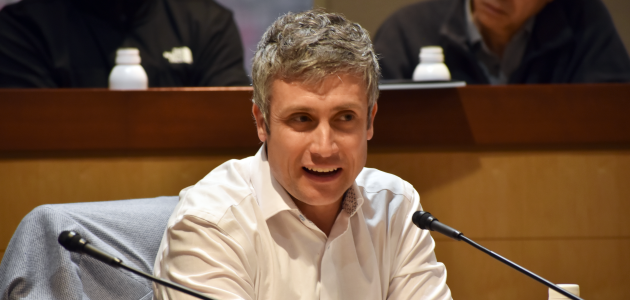


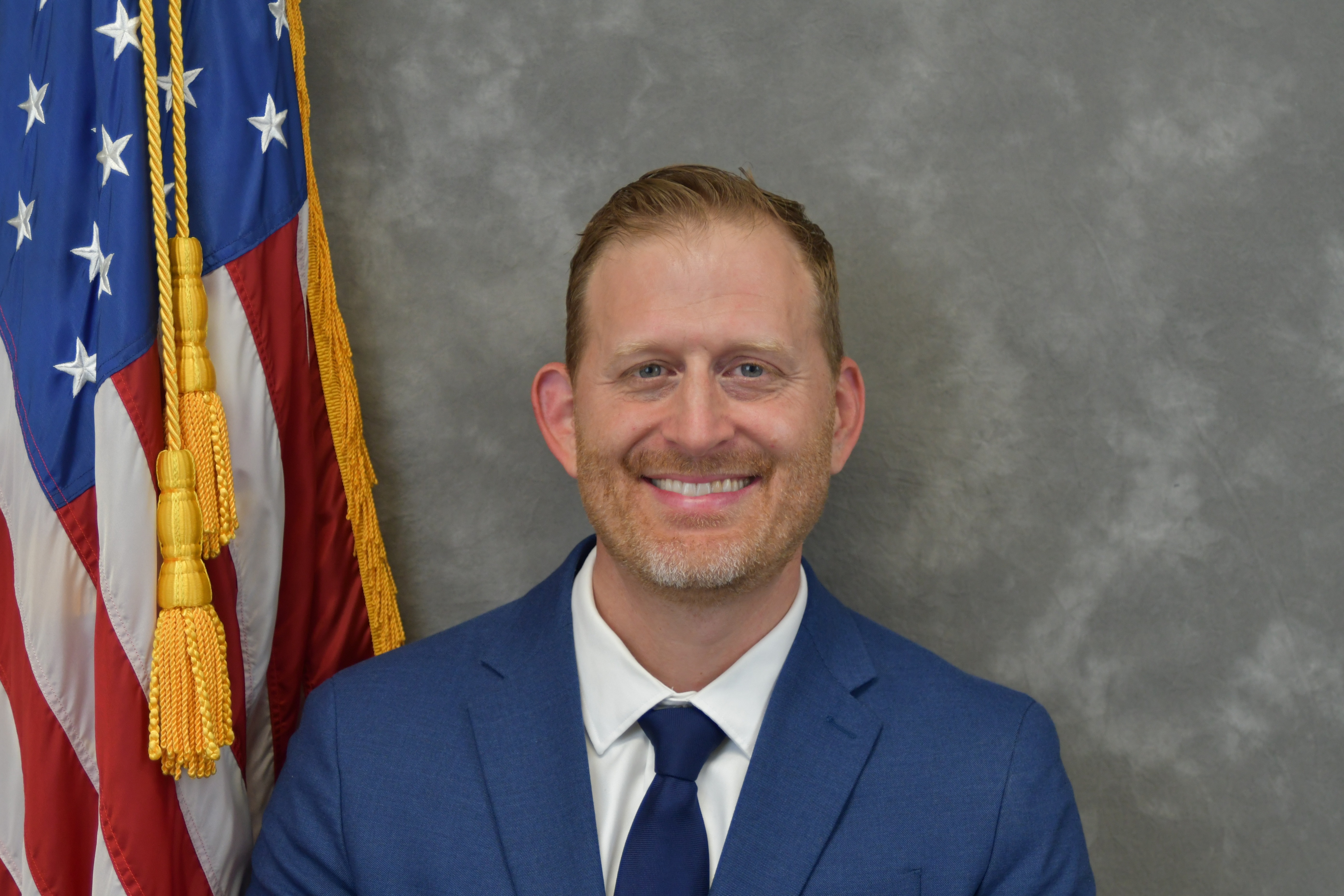
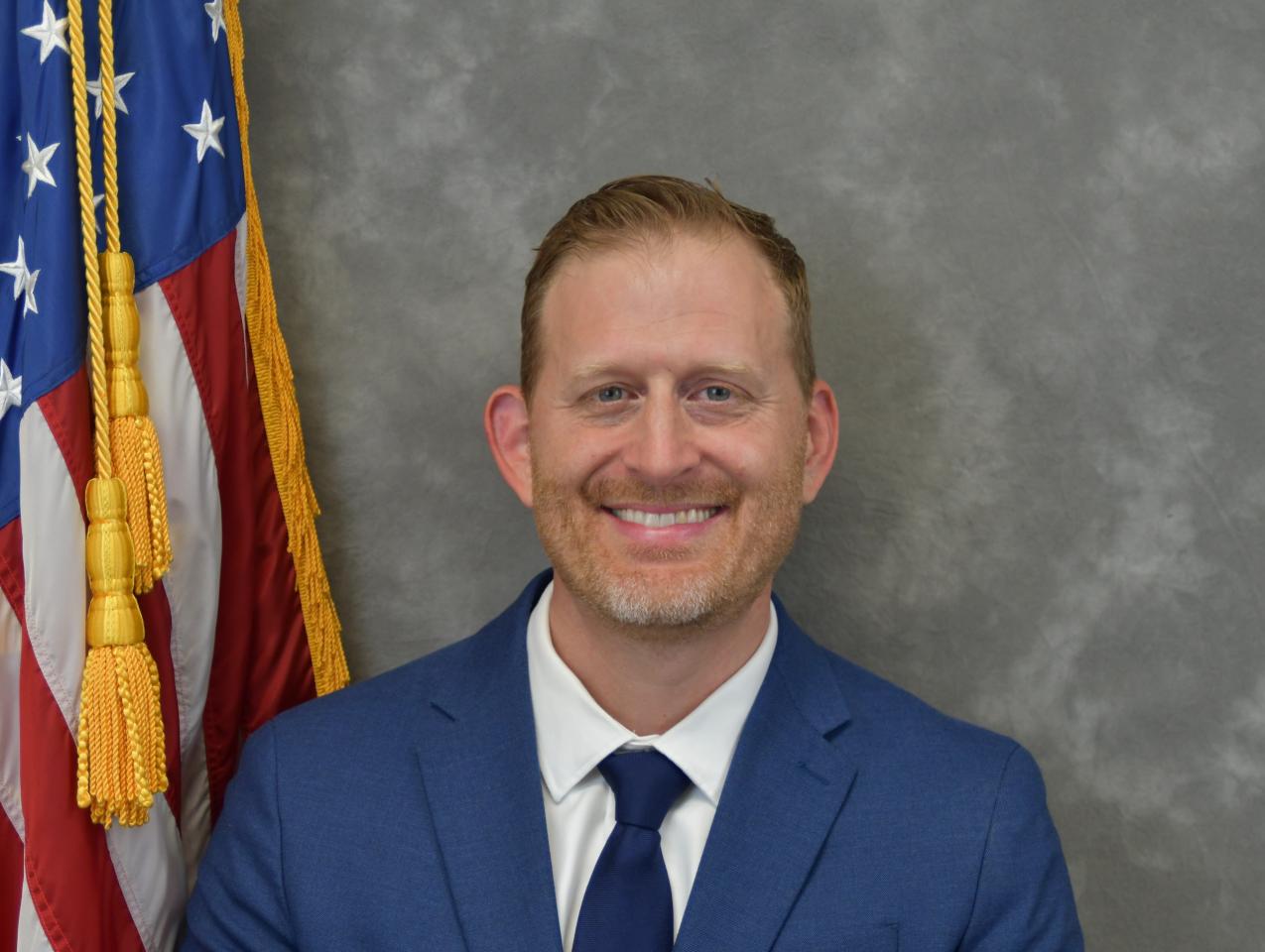
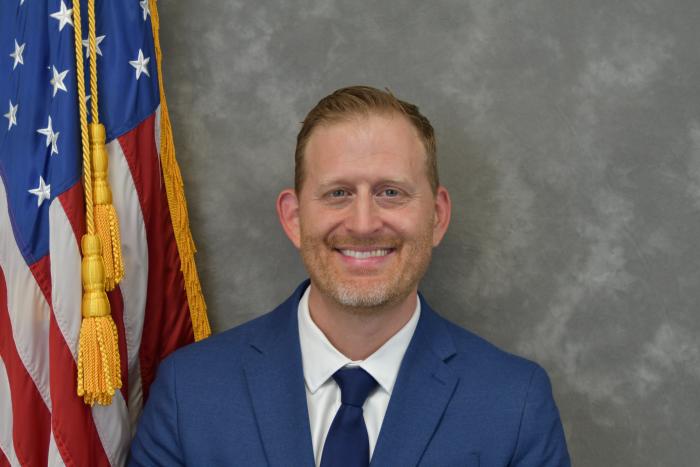
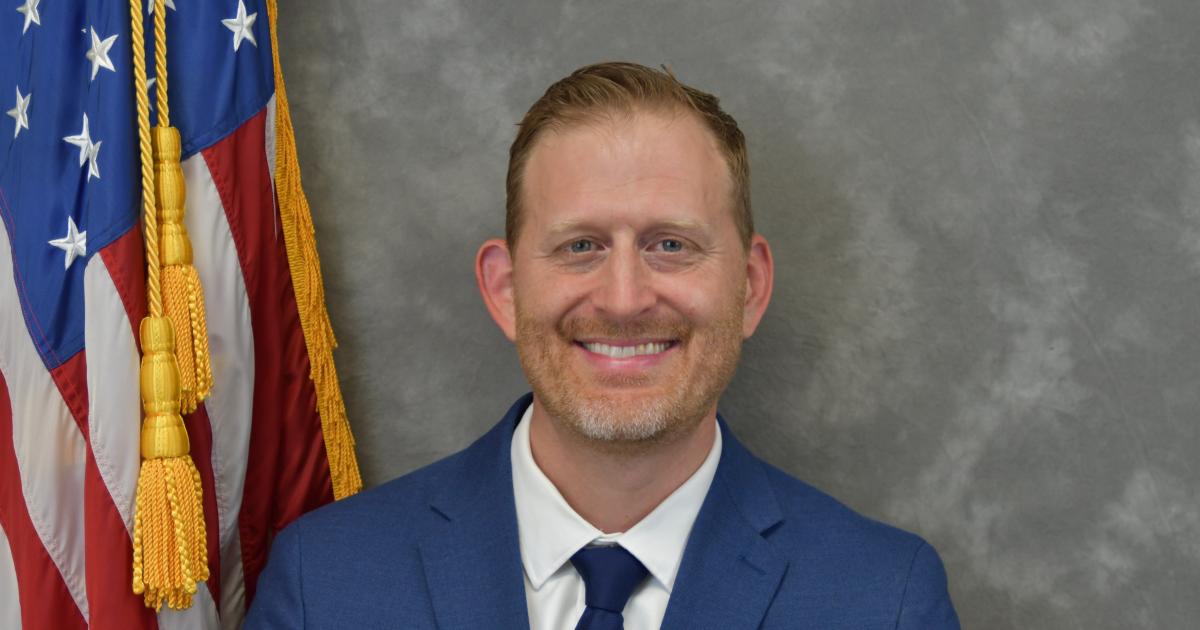
Kevin Caranna, a national security affairs fellow for the academic year 2025–26 at the Hoover Institution, is a special agent representing the Federal Bureau of Investigation. Since 2014, Special Agent Caranna has conducted complex investigations in counterintelligence, economic espionage, organized crime, and health care fraud. He spoke to Hoover.org about why he decided to become an NSAF.
What did you know about Hoover before you applied to become an NSAF?
I was aware that Hoover was a think tank on Stanford’s campus, and Condoleezza Rice was the director of the Hoover Institution. Once I saw the opportunity to become an NSAF for the upcoming academic year, I began reading more about what the Hoover Institution was and what work the fellows focused on. I could not be more impressed with the depth and breadth of experience and expertise on offer amongst the Hoover fellowship.
Have you met with your student mentees yet? What is the most interesting question they have asked you?
Yes, I’ve been able to meet in group settings and one-on-one meetings with my mentees. We’ve had interesting and thoughtful discussions on a variety of topics. One question I routinely get is if I’m a field agent or an agent that sits behind a desk. What I tell them is there’s only one kind of agent and that all FBI agents are required to be able to function in a variety of roles and environments. Sometimes we are in the field and sometimes we are at our desks. The job demands that you be flexible and adaptable.
In your view what is the biggest misconception the civilian public has about life in the security services?
One of the biggest misconceptions of life in the FBI is that you are moving around a lot like with the military or other civilian government agencies. Most FBI employees move once or twice at most throughout their career, and that includes the move they have for their first office assignment. The FBI is a bit more stable in that you can stay in one city your whole career.
Which Hoover fellow are you most looking forward to meeting/working with? Why?
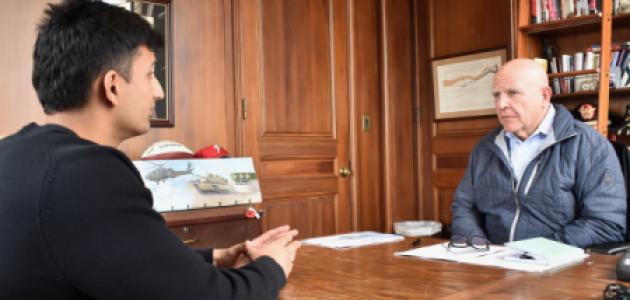
I’m looking forward to meeting and speaking with H.R. McMaster because of his incredible depth of knowledge on national security and foreign policy, his ability to clearly articulate his viewpoints, and his candidness when speaking about his views and ideas.
What is your capstone/focus project for the year going to be?
Having a better understanding of the effect that US export control laws and regulations have on US national security and the US semiconductor industry, and whether the costs incurred by the controls outweigh the impact the laws have on limiting the People’s Republic of China’s (PRC) advancement in the advanced semiconductor space [will be my focus].
What is America’s principal national security challenge today in your view? Why?
Great power competition with China over the next 10 years [is our main challenge]. There is no greater adversary to the United States now or in the foreseeable future. The Chinese Communist Party (CCP) looks to create a multipolar world, while closely aligning with Russia, North Korea, and Iran. The United States and its allies need to continue to work together to thwart the PRC’s continued pursuit of global economic and military dominance.