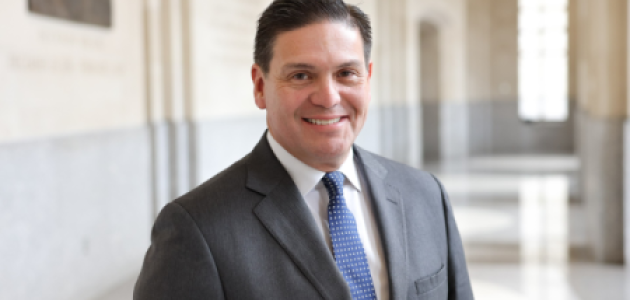
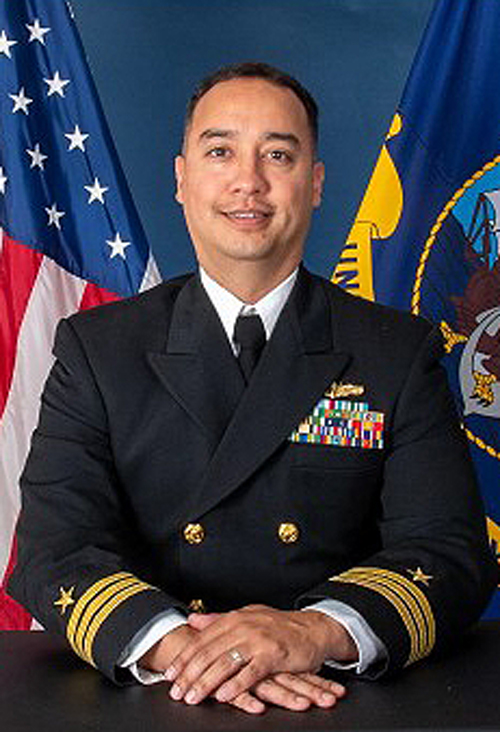
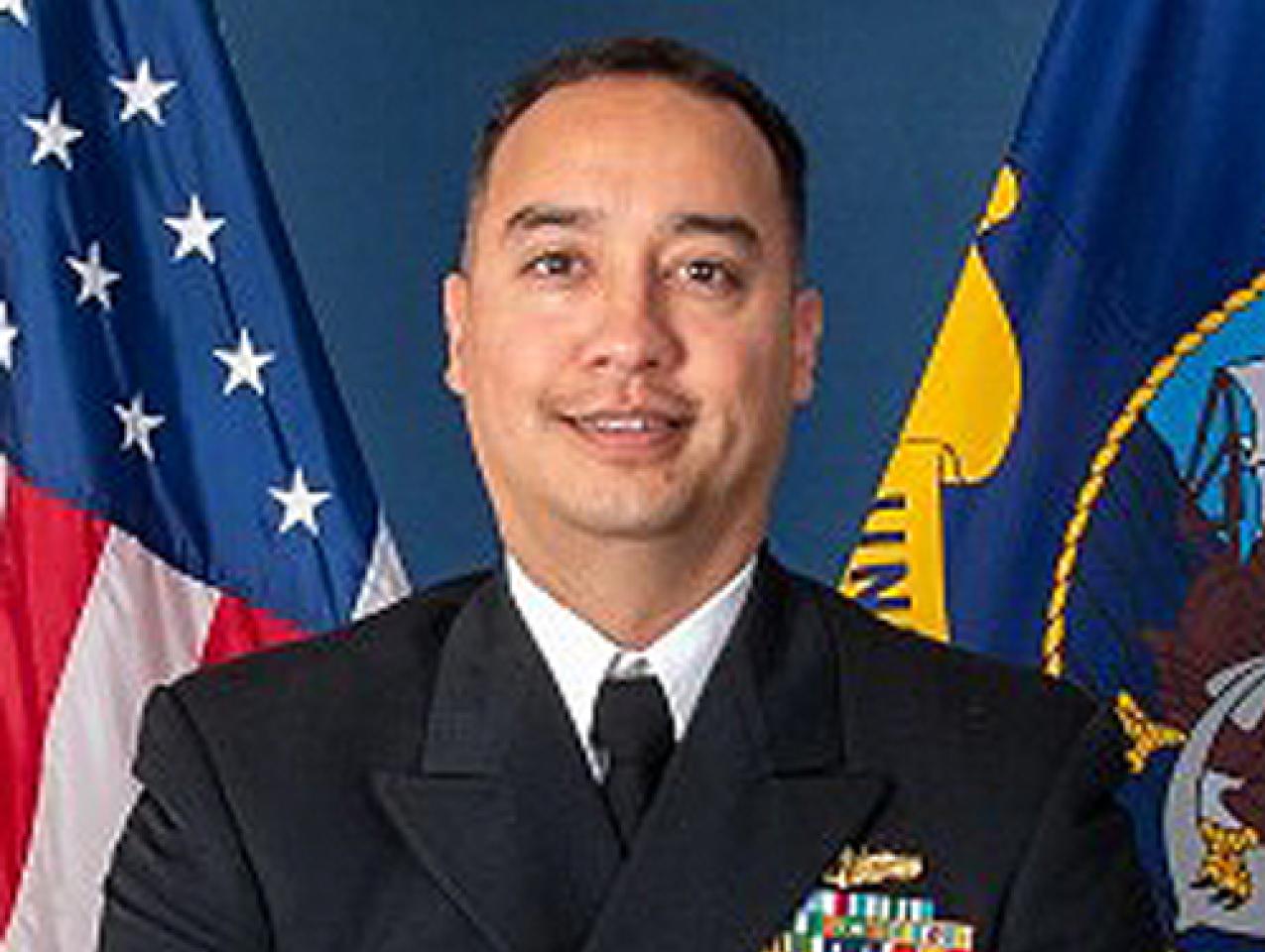
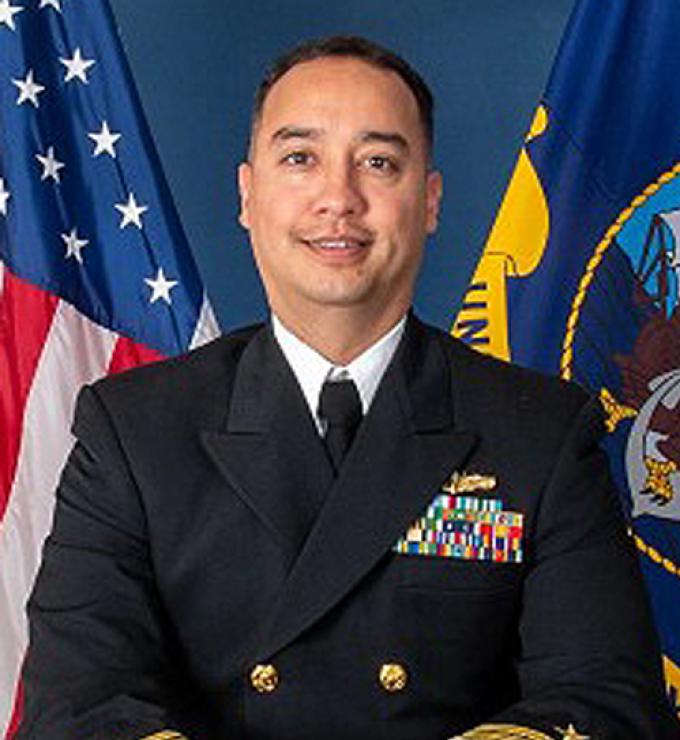
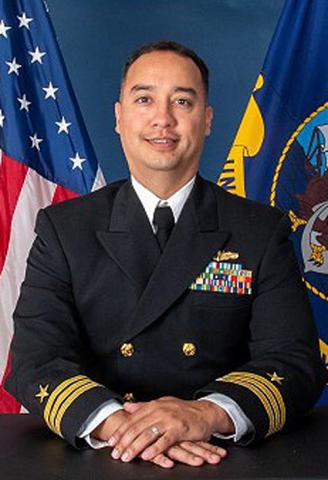
Commander Richard J. Coillot, USN, is a national security affairs fellow (NSAF) at the Hoover Institution for the 2025–26 academic year. Commissioned as a surface warfare officer, he served on various ships and staffs, participating in operations across US Indo-Pacific Command, Central Command, European Command, and Africa Command. He spoke to Hoover.org about why he applied to be part of the NSAF program.
What did you know about Hoover before you applied to become an NSAF?
I was introduced to the Hoover Institution during my time in Manila, Philippines, when I learned about the Institution’s Indo-Pacific Security Dialogue and its efforts to promote and enhance relations between the United States and its key allies and partners in the region. The initiative was instrumental in fostering deeper relations with our Philippine allies at a critical time, and I have since learned it represented but a fraction of the extensive range of expertise and research initiatives among the fellowship.
Have you met with your student mentees yet? What is the most interesting question they have asked you?
Yes, I’ve met with my student mentees, and they are individually and collectively impressive, with no shortage of thoughtful questions. What I have found most interesting are their questions about personal interactions and leadership—particularly, their ability to draw nuance from the stories we tell them about our service, and to understand how those insights might contribute to their development as future leaders in government or the private sector.
In your view what is the biggest misconception the civilian public has about life in the military?
One of the biggest misconceptions is that life in the military is limited to operational deployments and warfighting. While that is our core purpose and something we continuously prepare for, a significant aspect of military service is focused on preventing conflict, by working with our interagency colleagues to shape favorable conditions and to build and strengthen alliances and partnerships.
Which Hoover fellow are you most looking forward to meeting and working with? Why?
I recently met David Fedor and look forward to working with him moving forward. His research on energy security in the Indo-Pacific is particularly compelling given the challenges our allies and partners face in the region, and the importance of energy to our own national security interests and strategies in the region.
What is your capstone/focus project for the year going to be?
My focus this year centers on both alliance structure and resilience in the Indo-Pacific. While each comes with its own challenges and idiosyncrasies, I am interested in understanding how more routinized and structured interaction could be applied across these relationships with our allies, and whether this could generate greater synergy and institutional commonality among allies in Asia—especially in the face of Chinese coercion.
What is America’s principal national security challenge today in your view? Why?
I believe our principal national security challenge lies in maintaining and evolving our network of alliances amid sustained strategic competition. The absence of allies and partners does not render void our geostrategic interests, but their strength and relevance validate and underpin our ability to pursue our core, vital interests as outlined in the National Security Strategy. Sustaining our leadership within these alliances—while encouraging partners to expand their stake and military capabilities—is a delicate balance that may shape the outcome of this competition.