







- Middle East
- International Affairs
- US Foreign Policy
- Determining America's Role in the World
When the Bashar al-Assad regime collapsed in December 2024, his dictatorship controlled just 60 percent of Syrian territory. Since taking office in January 2025, Syria’s new leader Ahmed al-Sharaa has sought to extend the state’s writ and disarm militias that proliferated during the 14-year uprising. This past January, Syrian Government forces attacked the Kurdish-led Syrian Democratic Forces, which had served since 2013 as the US local counter-ISIS partner force. After weeks of fighting, the Government succeeded in capturing the vast majority of the SDF’s territory in northeast Syria, ending the region’s autonomy, and compelling the force to finally agree to integrate into the national army.
To be sure, targeting the SDF was controversial. But militias have long destabilized Middle Eastern states. Now, for the first time, the region is generally on the path of excising these militias. In May 2025, The Kurdish Workers Party (PKK) agreed to disarm. Since then, Washington has led a diplomatic push to create a post-Hamas reality in Gaza, supported Al Sharaa’s military campaign to integrate the SDF, and focused on demobilizing and disarming Iran’s proxy militias in Lebanon and Iraq. President Trump has repeatedly maligned US state-building initiatives in the Middle East. Ironically, his administration’s efforts to rollback militias across the region hold the promise of building stable, functional, and sovereign—if not democratic—states.
Some Progress in Lebanon
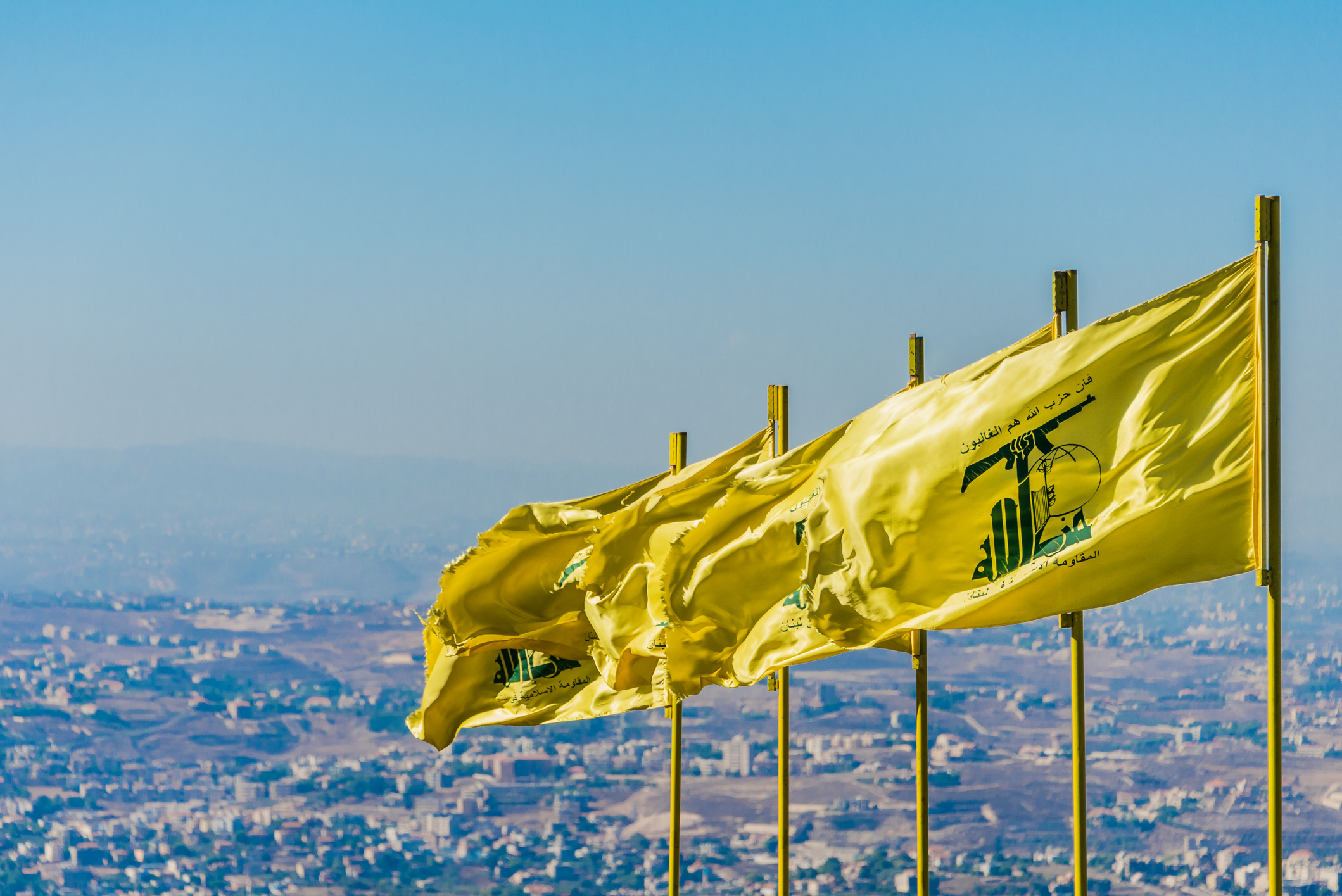
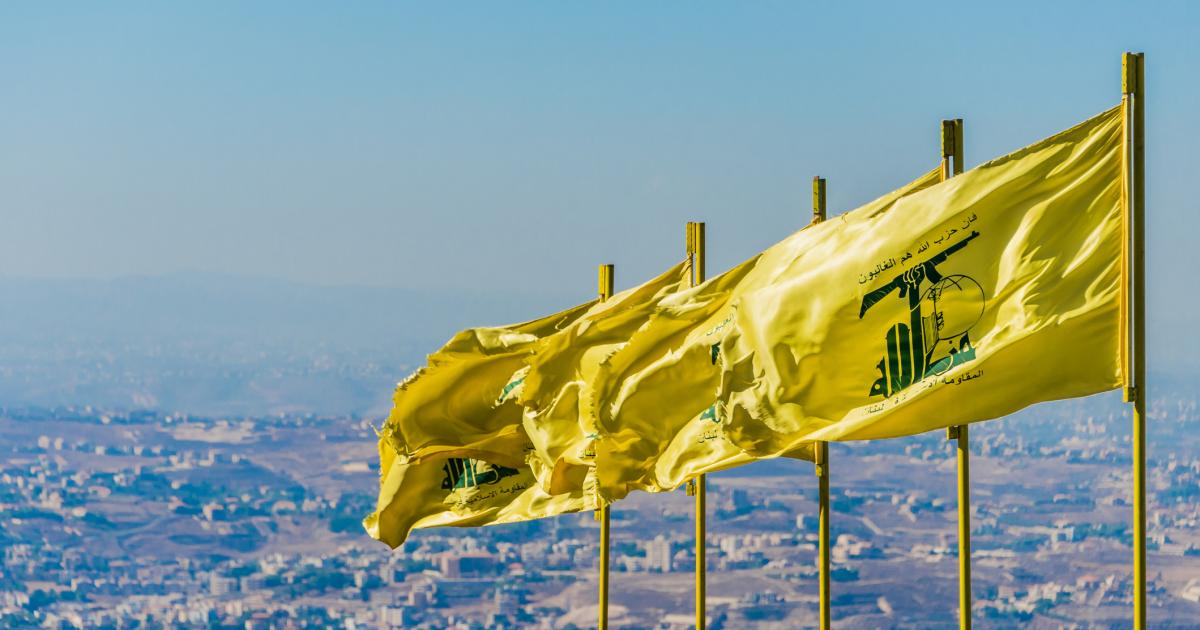
Hezbollah in Lebanon was first on the administration’s targeted list of Iranian proxies. After Israel’s devastating military campaign in late 2024, Hezbollah—which former Deputy Secretary of State Richard Armitage described in 2002 as “the A-Team” of terrorists—had seemingly become the region’s low-hanging fruit. Importantly, Lebanon had committed to its November 27, 2024 ceasefire agreement with Israel to disarm the militia throughout the entirety of the state. Meanwhile, the fall of the Assad regime eliminated a vital logistical route for Iranian arms. Finally, early 2025 saw the election of a new Lebanese president, the designation of a premier, and the seating of government—all ostensibly on-board with the disarmament agenda. For the first time, with President Joseph Aoun and Prime Minister Nawaf Salam, Washington had Lebanese partners in positions of authority willing to tackle the challenge of Hezbollah’s weapons.
The Trump Administration moved quickly to press Beirut to fulfill its disarmament ceasefire obligations, dispatching envoys Morgan Ortagus and later Tom Barrack to Beirut to cajole the government to move forward. Fearing a violent response from Hezbollah, however, President Aoun balked and announced that Beirut would try to convince Hezbollah to dispense with its arms through dialogue and negotiation—a strategy that had repeatedly failed over the last two decades. After seven months, frustrated with the vacillation, in August 2025 Barrack threatened to walk away from the process if the Lebanese Armed Forces didn’t present and implement a disarmament plan. In early September, the cabinet finally approved the LAF strategy, and the army began to deploy to the south.
Disarmament started late and hasn’t progressed quickly enough. Seeking to avoid confrontation with Hezbollah, the LAF has been less than proactive. To be sure, the LAF has collected a lot of Hezbollah weapons in its operations to date, reportedly including 10,000 rockets and 400 missiles. Yet according to Israel, these arms are a fraction of the arsenal still present in the south. To augment the LAF’s mission, Israel has continuously conducted air and ground operations targeting Hezbollah personnel, positions, and weapons caches. According to the Israeli Defense Forces, during the first year alone, Israel killed over 370 Hezbollah operatives in 1200 operations. Unlike Syria—where the Trump Administration has criticized Israeli strikes for undermining the Al Sharaa Government—Washington supports or at least tolerates these Israeli operations. This division of labor stymies Hezbollah’s purported efforts to rearm, encourages the LAF to continue to do the work and maintains the disarmament momentum.
A First Step in Syria
Lebanon has started the long process of disarming Hezbollah. Syria has made greater progress along these lines. By supporting the demobilization of the SDF and helping to broker the ceasefire/capitulation agreement, the Trump Administration has taken a first step to help Al Sharaa curtail militias and consolidate sovereignty. While the SDF played a critical role in the campaign to end the Islamic State caliphate in Syria, it did so in the absence of a viable US partner in Damascus. With the removal of the Assad regime and installation of the new government led by Al-Sharaa, the services of the SDF as an autonomous force were apparently no longer required.
The Trump Administration is invested in the success of post-Assad Syria and its Al Sharaa-led government. No doubt, Al Sharaa urged Washington to forsake the SDF. Ankara, too, likely pressed for the end of the SDF and Kurdish autonomy in northeast Syria. It remains unclear, however, whether the new Syrian Army is up to the task of supplanting the Kurdish-led force. (On this front, the release of thousands of ISIS-related detainees in the aftermath of the Syrian Army operation was especially concerning.) The SDF was an effective counterterrorism militia with battle-tested coherent units estimated to comprise more than 50,000 fighters. While some of these troops and officers may ultimately be integrated into the Syrian Army, the force today reportedly only has 100,000 men to secure the entire country. And ISIS clearly remains a challenge in Syria. In December 2025 and January 2026, even as US troops began to withdraw from Syria, CENTCOM captured or killed more than 50 ISIS terrorists.
Of course, the SDF is but one of several militias in Syria outside central government control. The Druze in Suwayda have their “national guard.” Alawites loyal to the former regime have their own militias as well, including the Coastal Shield Brigade and the Syrian Popular Resistance, which claimed responsibility for an attack on Government forces in November 2025. Still other units, ostensibly part of the Syrian Army, such as the Al Amshat division in Hama Governorate, reportedly maintain close ties with Ankara and are resisting integration into the new command structure. Iranian-backed Iraqi militias also continue to operate across the border on Syrian territory. Like Lebanon, much work will be required for Al Sharaa’s Syria to exercise sovereignty throughout the state.
A Topic of Discussion in Iraq
While little progress has been made to date, the Trump Administration has also consistently pressed Baghdad to disarm its Iran-backed militias. Established in 2014 to fight the Islamic State, today the Popular Mobilization Forces (PMF), known as the Hashd, encompass over 70 factions boasting 238,000 fighters with an annual government budget of $3.6 billion. These factions include a handful of US-designated terrorist groups loyal to Iran, which lead the organization. Last summer, the Administration strongly opposed—and eventually scuttled—legislative efforts in Iraq to institutionalize the Hashd’s military and political presence in Baghdad. In September 2025, the State Department designated four of these organizations as Foreign Terrorist Organizations. Then, a month later, Treasury sanctioned the Hashd’s Muhandis General Company for its IRGC ties and money laundering. Subsequently, Secretary of State Marco Rubio implored Iraqi Prime Minister Mohamed Shia al Sudani to “disarm[ing] Iran-backed militias that undermine Iraq’s sovereignty.”
In the aftermath of the November 2025 parliamentary elections, longtime PMF supporter Nouri al-Maliki appeared poised to retake Iraq’s premiership. In an unusual posting on social media, President Trump—who heretofore paid little attention to Iraq—issued a stark warning about Al Maliki’s potential return. “Because of his insane policies and ideologies, if elected, the United States of America will no longer help Iraq,” he wrote.
So far, all the Administration’s messaging and sanctions have not moved the needle. The Hashd persist, continue to receive substantial financial support from Baghdad, and are still menacing. As Washington deployed the Abraham Lincoln Carrier Strike Group to the region in January, one of these designated Hashd proxy militias—Kataib Hezbollah—threatened to attack US bases in Iraq. Regardless of the intimidation from Iran-aligned groups, Iraqis are openly starting to speak out against these militias. In January, Foreign Minister Fuad Hussein—a candidate to be Iraq’s next president—noted this new development: “Many political leaders, many political parties started to raise a discussion, and I hope that we can convince the leaders of these groups to lay down their arms, and then to be part of the armed forces under the responsibility of the government.”
PM Sudani, who is unlikely to return to the job, has talked about limiting militia arms. Improbably, so has Supreme Judicial Council head Faiq Zidan, who has a statue of former Hashd commander Abdul Mahdi Muhandis—who was killed along with Qods Force General Qassem Soleimani in January 2020—in the garden of his Baghdad home. In recent months, Zidan advised Hashd militias to “restrict weapons to state control, and transition to political action.” Remarkably, according to Zidan, most of the Hashd agreed. Given these militias’ ties to Tehran, voluntary demobilization seems implausible if not impossible, but the discussion itself marks progress.
Conclusion
While one can question Al Sharaa’s prioritization in targeting the SDF first, the Trump administration’s focus on rolling back militias in these states to encourage sovereignty and stability is sound policy. For much of recent memory, Lebanon, Syria, and Iraq have represented a belt of instability stretching across the region. In Syria, militia opposition to integration is largely driven by concerns with the new Sunni Islamist-leaning government, and its treatment of component minority communities. Washington can help the demobilization and integration process in Syria by holding the Al Sharaa government and its sometimes-undisciplined military forces to a high standard in its treatment of minorities. Human rights are not a priority in Washington these days, but unless communities feel secure, they will not put down their weapons.
In Lebanon and Iraq, the problem is different. There the presence of Iranian IRGC proxies who are ideologically and theologically committed to the Supreme Leader in Tehran is deeply destabilizing. Shiites in Iraq and Lebanon are respectively, a majority and a plurality, and hold commensurate political power and protections in their countries. But the militias forces serve the interests of a foreign power. Ultimately, to set back these groups, Washington is going to have to contend with Iran.

