














- Science & Technology
- Understanding the Effects of Technology on Economics and Governance
Materials science studies and manipulates the structure of matter, from atoms and molecules to large-scale objects, enabling breakthroughs across semiconductors, energy, robotics, space exploration, and biomedical technology. By understanding atomic structures, modeling their properties, synthesizing new materials, and scaling them for practical use, researchers are developing recyclable plastics, smart bandages that accelerate wound healing, lighter aircraft, improved batteries, flexible electronics, and biocompatible devices for brain-machine interfaces.
As artificial intelligence accelerates the discovery of new materials, the field raises important policy questions about safety, regulation, and long-term environmental impact. Materials that can change properties, shape, or size may open new frontiers in medicine and electronics, while nanoparticles’ ability to bypass biological barriers creates unresolved questions about biodegradability and public safety. Future progress will depend on policies that protect the public without slowing innovation, ensuring that advances in microscopic engineering translate into a safer, more sustainable macroscopic future.
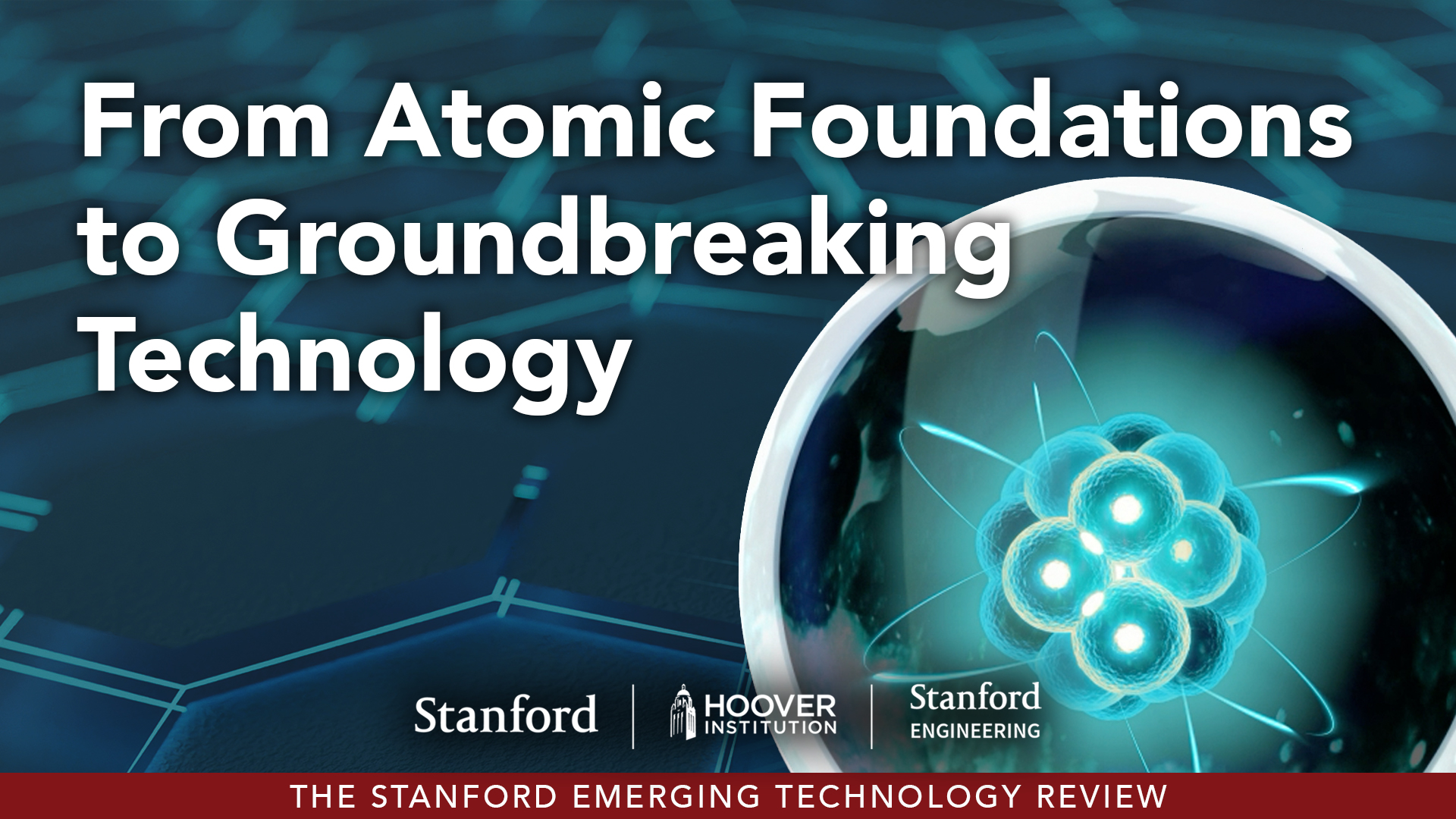
- Material science studies and manipulates the structure of matter from microscopic states to macroscopic states molecules and atoms to large objects. It enables groundbreaking advances in fields like semiconductors, energy, robotics, space exploration, and biomedical technology. Star Trek imagined the future of material science with the replicator, a limitless 3D printer that can assemble atomic structures on demand while science is catching up with science fiction. Today's material science focuses on the ability to manipulate properties and relationships between atoms and molecules to create new objects with specific strengths, weights, or electrical behaviors. Lighter aircraft, batteries that can be easily recycled and safer, more effective biomedical implants. Advances in material science require an understanding of atomic structures, prediction and modeling of their properties, synthesis of new and desirable material with those properties, and manufacturing enough of it for practical applications. With this approach, researchers are already developing sustainable and recyclable plastics and smart bandages that use integrated sensors and electrical stimulation to accelerate healing wounds. Electrical circuits woven into flexible conductive materials will allow for bendable electronics changing how we design all sorts of consumer goods, from foldable, rollable, and expandable screens to biocompatible probes. For brain machine interface. Artificial intelligence can help predict and create new materials based on existing ones regulating materials that can change properties shape or size, raises concerns about the balance between public safety and innovation. Nanoparticles could offer breakthroughs in medicine and electronics, but their small size allows them to bypass biological barriers, raising questions and concerns about their ability to biodegrade safely in the body or in the environment. Future advances in applications will depend on regulatory, legal, and policy considerations. Engineering matter at the atomic level may help define the next century. How it is defined requires both innovation and regulation to ensure that microscopic mastery leads to a safe and sustainable macroscopic future.

