







- US
- History
- Military
- Revitalizing History
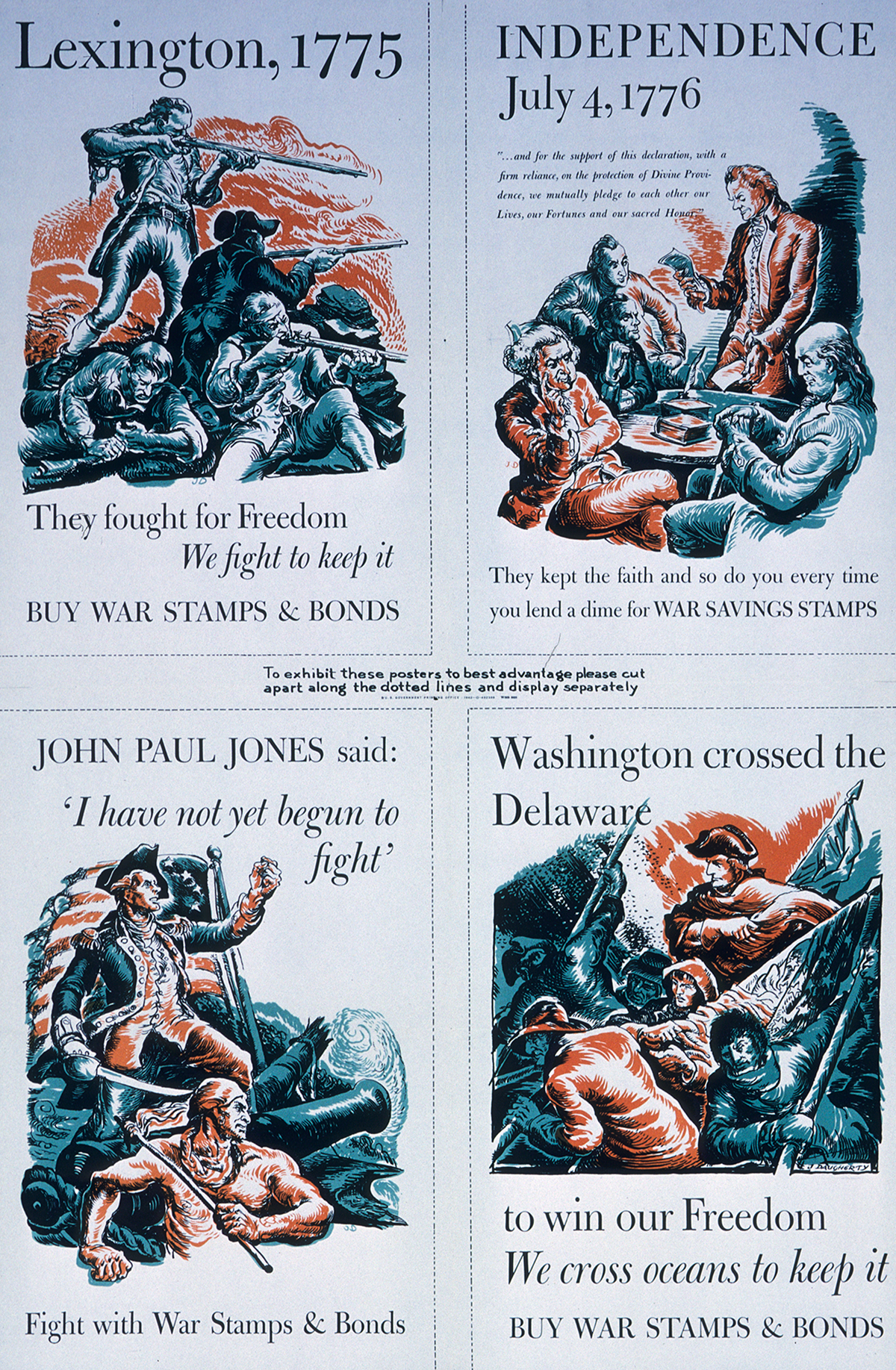
Resting serenely in the National Archives for decades, the Declaration of Independence does not look like a document that has been caught up in the chaos of war. The blame for it being faded and all but unreadable today is traditionally attributed to it being repeatedly rolled and unrolled for visitors when held in the State Department for half a century after 1789 and then being hung in the sunlight for decades when displayed in the Patent Office starting in 1841. Yet as we celebrate the 250th anniversary of the Declaration, recovering the little-known history of our founding charter at war reminds us of its more harrowing past, one far removed from Independence Day celebrations and the reverential treatment which it has received throughout much of our history.
The Declaration in the National Archives, the famous one on parchment, was not the first Declaration the colonists, newly-minted Americans, saw during the war. That first Declaration was a broadside printed on the night of July 4, 1776, by John Dunlap, at the order of the Continental Congress in Philadelphia. Starting on the morning of July 5, John Hancock, president of Congress, began dispatching copies of the Dunlap broadside throughout the new states. One of the first sent was to General George Washington, in New York City, where he was encamped with his troops, preparing for a British attack. Washington ordered the Declaration read at his headquarters on Manhattan, where City Hall now stands, at 6 p.m. on July 9. The troops cheered while the General sat on horseback.
Later that summer, Congress decided to “engross” its Declaration on calfskin parchment and have members add their signatures. This scroll became America’s first top secret document, for the names of the Signers were kept from the British and the public. The parchment was never displayed in public, but kept under the control of Charles Thomson, secretary of Congress.
Sending paper copies of the Declaration, without signatures, around the country was intended to inspire patriots to join the cause and fight for their new country. Whatever courage was fortified by the Declaration, however, did not translate into battlefield victories. Washington was driven from New York in September and retreated into New Jersey. The Redcoats pursued, drawing ever closer to Philadelphia, de facto capital of the new country and location of the Continental Congress. Congress put up a brave front, but fled to Baltimore, Maryland, on December 12.
Though Americans would come to revere the Declaration as our most valuable historical relic, it was likely manhandled in the rush to evacuate Philadelphia. In the chaos of retreat, Thomson and his clerks most likely put the Declaration it in a large bag or wooden chest with other papers and carted it quickly away in a light wagon. Along with secret correspondence, records, and other material, on that cold December morning, the Declaration began the first of its many journeys.
The Declaration now became a fugitive, following Congress over the next six years of war, moving whenever it was feared that the British might capture the delegates and all their records. It would have been a valuable war prize for the British, exhibited in London and used to depress American spirit. Keeping out of British hands was as important as preventing the capture of Washington, Hancock, and other leaders.
The fortunes of war kept the Declaration’s fate uncertain. After its months-long stay in Baltimore, the Declaration returned with Congress to Philadelphia in March 1777, only to be spirited away again when the British at last occupied the capital city in September of that year. For nine months, Congress stayed in York, Pennsylvania, before heading back to Philadelphia in mid-1778.
The end of the war, with Washington’s victory over Cornwallis at Yorktown in October 1781, should have meant the end of the Declaration’s travels, but just eighteen months later a domestic threat emerged. In June 1783, four hundred Continental Army soldiers mutinied over backpay and surrounded the State House. Congress hastily fled again, once again hastily carrying the Declaration and other state papers along. From then until December 1784 the Declaration was carted to Princeton, New Jersey; Annapolis, Maryland; and Trenton, New Jersey. These moves undoubtedly damaged the scroll, as it was packed up and put into some makeshift accommodation arranged for Thomson and his clerks in each city.
The war years had taken their toll on the records of the Continental Congress. Though never under direct attack, they repeated retreats and regular moves in all sorts of weather could not but have affected the fragile papers and equally fragile parchment Declaration. Jostled on rough country roads, rained on, moved in frigid winter and humid summer as the enemy closed in, the Declaration underwent rigors that are inconceivable today, when it is protected by James Bond-level security.
At last, on May 31, 1800, the Declaration arrived in the new capital city of Washington. The parchment Declaration of Independence had now reached its permanent home, but not yet a permanent place within it. Though the capital was never to move again from Washington, the Declaration was fated to endure more war, facing threats from foreign invaders and domestic rebels, even as it was becoming the supreme symbol of the American ethos.
The full story of the drafting of the Declaration, the dramatic vote to adopt it, and its printing and signing during the Revolutionary War is told in National Treasure: How the Declaration of Independence Made America, the first complete history of America’s founding document, which is released this week by Simon & Schuster’s Avid Reader Press.
Michael Auslin is the Payson J. Treat Distinguished Research Fellow at the Hoover Institution. He is the author of National Treasure: How the Declaration of Independence Made America, which is published this week and from which this essay is adapted.

