- China
- International Affairs
- Artificial Intelligence
- Innovation
- Higher Education
- Answering Challenges to Advanced Economies
- Confronting and Competing with China
- Understanding the Effects of Technology on Economics and Governance
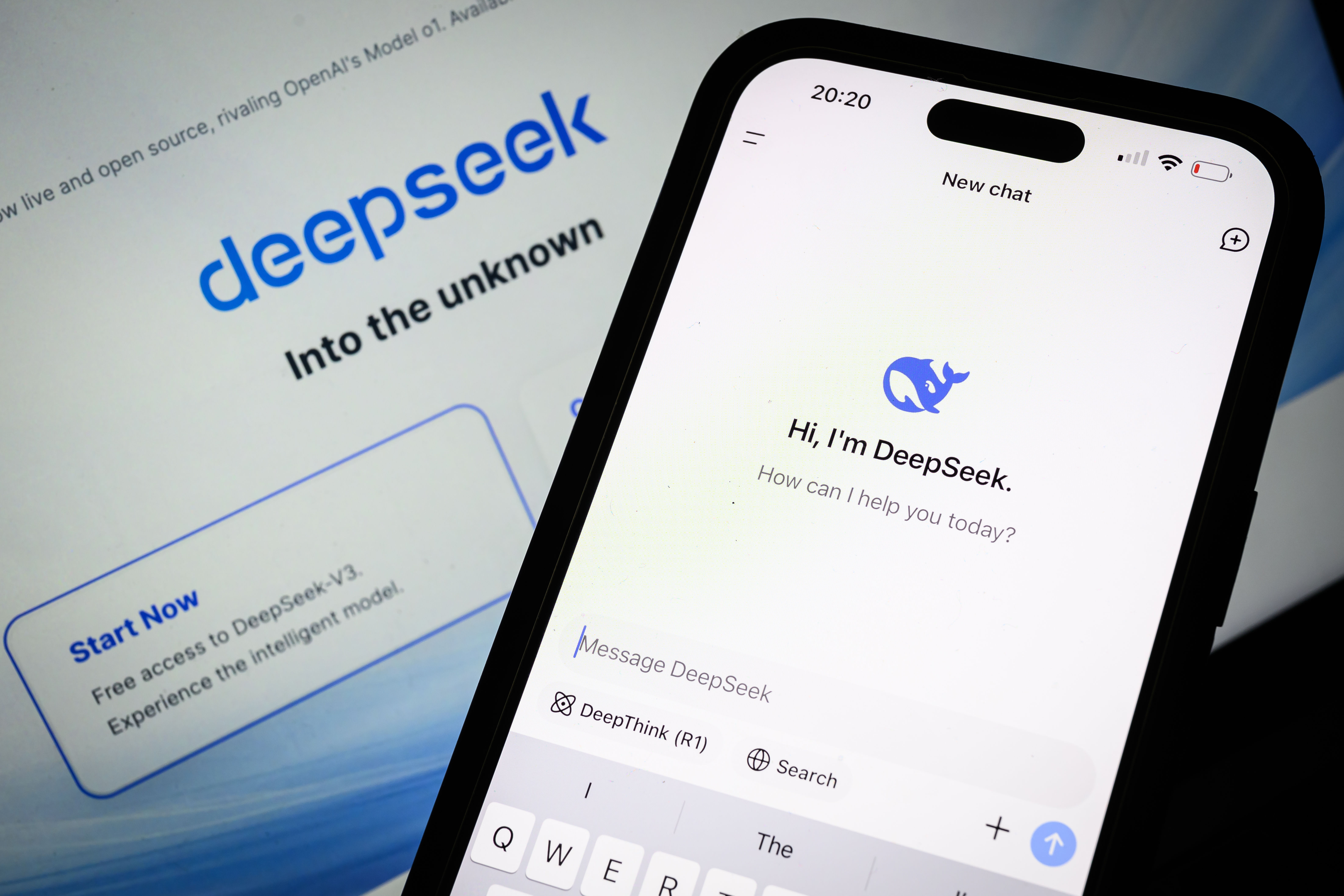
In April 2025, we analyzed the 223 researchers behind DeepSeek's first five papers and found that the company's talent ran deeper than the prevailing story allowed. This update extends the analysis to all seven of DeepSeek's foundational papers, adding V3.2 (December 2025) and V4 (April 2026). The author pool has grown to 356, but the findings from last year hold. More importantly, most have sharpened.
DeepSeek's researchers are more cited and more credentialed than they were a year ago, and still over half of them have never held an affiliation outside China. Among those who did train in the United States, most returned home, and the length of their stay did not meaningfully predict whether they returned. The data points to two distinct problems for U.S. policy. The first is retention. American institutions train researchers who leave. The second is independence. China now produces, at an unprecedented scale, frontier AI researchers who never pass through the United States at all.
Neither of these of these problems are likely to resolve without concerted policy changes. The question is no longer whether the United States can maintain a permanent talent advantage. The question is whether it can compete on the terms the data now describes, which means treating the comparative advantage of U.S. research institutions as something to be earned rather than assumed, and treating the domestic Chinese pipeline as a development to be acknowledged.
Key Takeaways:
- The author pool grew from 223 to 356 researchers in one year, even with a stricter inclusion criterion, while the 31-member Key Team that appears on all seven papers held steady in size.
- Of researchers with known affiliations, 53.5 percent (145 of 271) have spent their entire recorded careers at Chinese institutions, down slightly from 55.2 percent a year earlier. Ten of the 31 Key Team members are in this group.
- DeepSeek's researchers became more cited, not less. Median citations for the full pool more than doubled, from 249 to 681, and the Key Team's median rose from roughly 700 to 1,200, reflecting, in part, how quickly the field absorbed DeepSeek's 2025 output.
- Among internationally mobile contributors, 70.3 percent ended up in China. Of the 13 who spent five or more years in the United States, most returned, and length of U.S. exposure did not predict whether they stayed.
-
The 80 researchers with any U.S. affiliation are the most accomplished cohort in the pool, averaging 4,108 citations. Most are now in China, carrying methods and credentials built inside the U.S. research system.
Update: DeepSeek AI and the Great Talent Competition by Hoover Institution
How to cite this essay
Emerson Johnston and Amy Zegart, “Update: DeepSeek AI and the Great Talent Competition” Technology Policy Accelerator, Hoover Institution and the Stanford Institute for Human-Centered Artificial Intelligence, June 2026. https://doi.org/10.64576/0626