








Whether in strategic affairs or our personal lives, the occasional set-back can be a blessing, forcing us to pause, shake off the intoxication of a string of successes, and regain a sober perspective. On the other hand, a series of successes—especially, “walkover” wins—can blind us to our own vulnerabilities and limitations. Many of history’s most catastrophic defeats had their roots in a series of breathtaking victories that, inevitably, fostered blind over-confidence.
Whether that proves to be the case with the current administration’s attack on Iran, time will tell. Meanwhile, history abounds with instances of leaders who grew so accustomed to victory that they failed to apply hardnosed analysis to the realities of ambitious campaigns that foreshadowed or sealed their doom.
From Persian armies crossing the Hellespont to swat upstart Greeks to Lee’s unsustainable march into Pennsylvania, or Sultan Bayezit “the Thunderbolt” turning from the Balkans to teach Tamerlane a lesson and Napolean’s invasion of Russia, overconfidence bred by a line of unbroken successes made fools and losers out of those accustomed to conquest (or, in Bayezit’s case, “invincibility” led to the fallen sultan being exhibited in rags in a wagon-cage dragged along in Tamerlane’s wake).
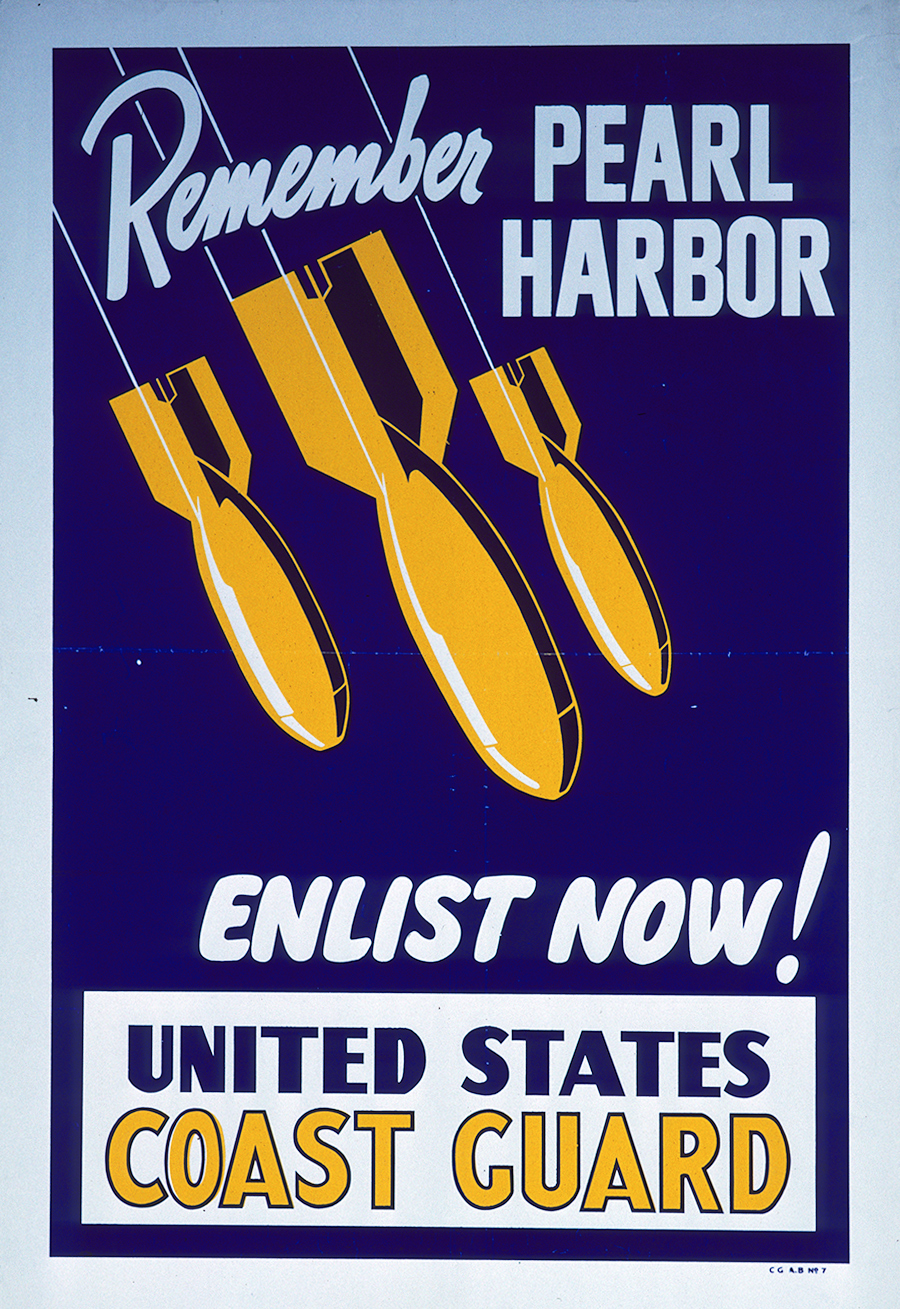
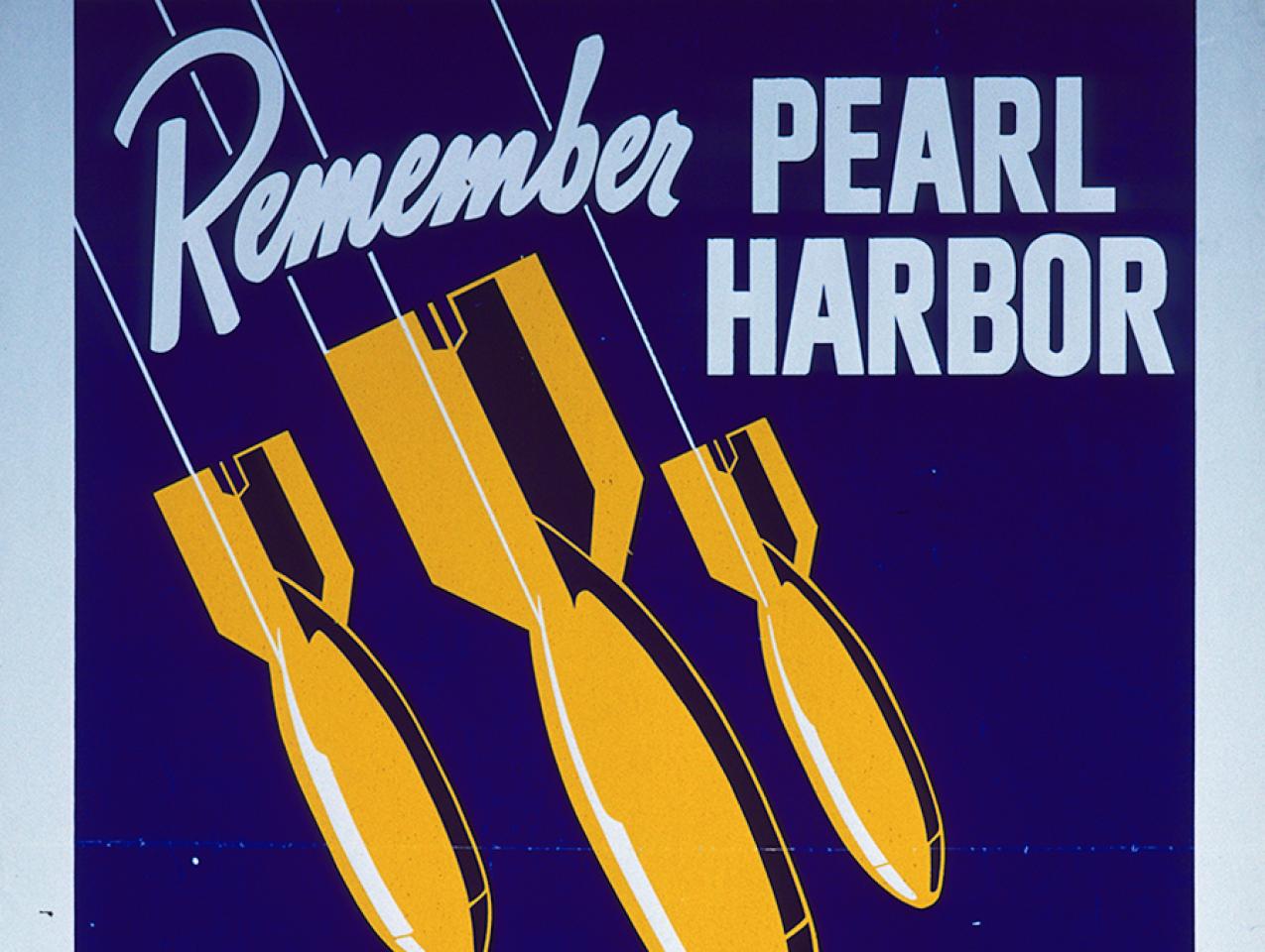
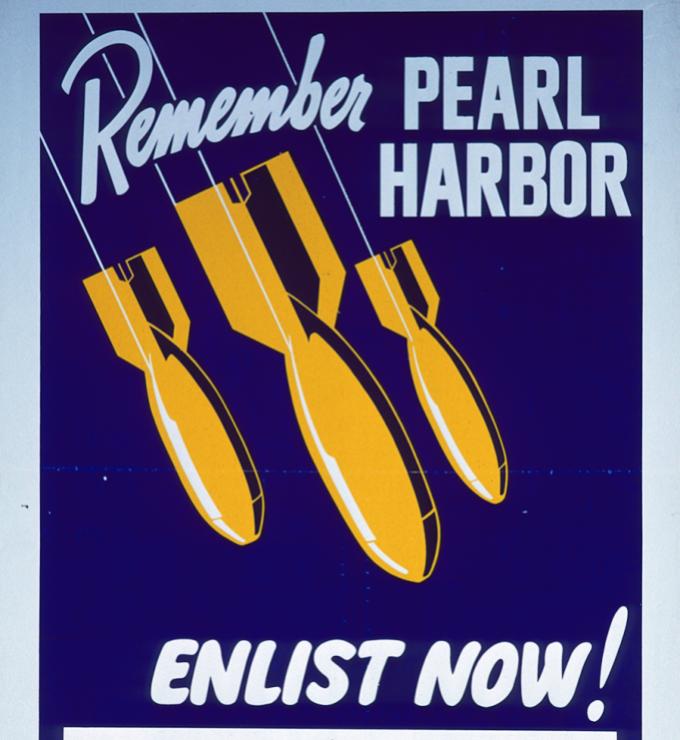
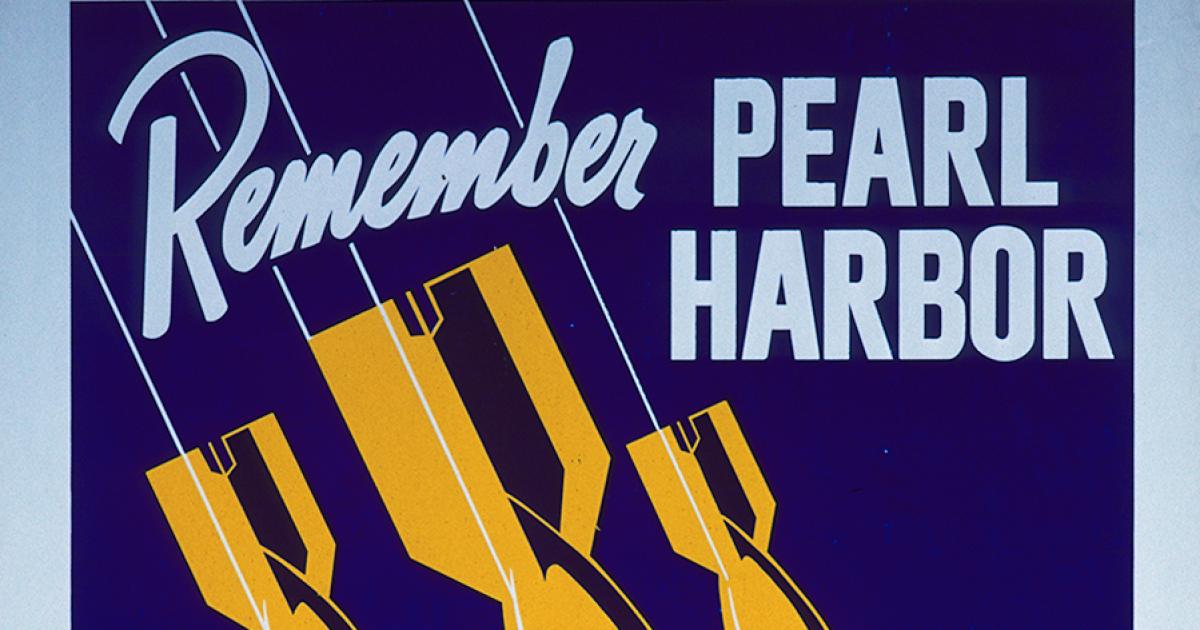
Had so much of Europe not succumbed easily to Hitler, had France not fallen with stunning speed to the Teutonic Blitzkrieg, would Hitler have been so blithe about marching eastward? Without their unmarred line of naval successes since Tsushima, would Japan have failed to “do the math” before attacking Pearl Harbor? Or without the lopsided victory along Battleship Row, would Tokyo’s admirals have blundered into defeat at Midway—perhaps the greatest naval ambush of all time?
Of more immediate interest, would Russian president and would-be czar, Vladimir Putin, have invaded Ukraine without so much as a staff wargame in preparation had he not spent two decades climbing a ladder of lesser successes? As with Hitler before him, Putin might have been blocked at any number of points, had Western democracies shown the least backbone early on and called his bluff.
Now we have the case of Trump’s unilateral decision (encouraged by Israel) to strike Iran in the expectation, even if unstated, of triggering regime change in Tehran. And the American president’s willfulness, his disregard for his own country’s laws and traditions of governance, may embarrass naysayers with an improbable success. We cannot know what the coming days, weeks, months and, yes, years will bring in Iran and its historical zone of preeminence. But the odds are that we shall witness, as a minimum, an unsettled period in Iran and its neighborhood. Even a complete success of the American military campaign will leave many a prickly and destabilizing issue unresolved.
As this is written, the U.S. Armed Forces are performing spectacularly, showing Putin and any other potential antagonists how it’s done. But it’s the wild range of potential aftermaths that pose the core strategic challenge. And there is no available evidence of planning for the aftermath of the current airstrikes. Encouraged by its ability to sink drug-runner speedboats and the brilliant military ballet that removed Venezuelan president Maduro not only from power but from his country, the administration has taken on a challenge of immeasurably greater dimensions.
But Iran is not Venezuela. Not only is a theocracy, however corrupt and corroded, inherently more deeply rooted in the psyche than any secular regime, and no matter how unpopular that regime may appear, those who claim divine legitimacy make for far more difficult interlocutors. Nor are they likely to just call it quits and cut a deal. Or if forced to cut a bargain, those who embrace a divine purpose will not feel obliged to honor it beyond its immediate convenience.
Toss in the core lesson the embattled Iranian regime drew from the fall of the shah—don’t fold in the clinch—and the likelihood of a clean outcome all but collapses.
We may hope for the best, but if we have not taken due stock of the potential worst, we are setting ourselves up for, at a minimum, embarrassment.
Iran needs change. And Iran is going to get change. But the change will not necessarily conform to our fantasies or our preferred timetable.
Meanwhile, we can expect the repetition of a twenty-first century American phenomenon: a premature presidential declaration of “Mission Accomplished.”

