






- History
- Military
- Revitalizing History
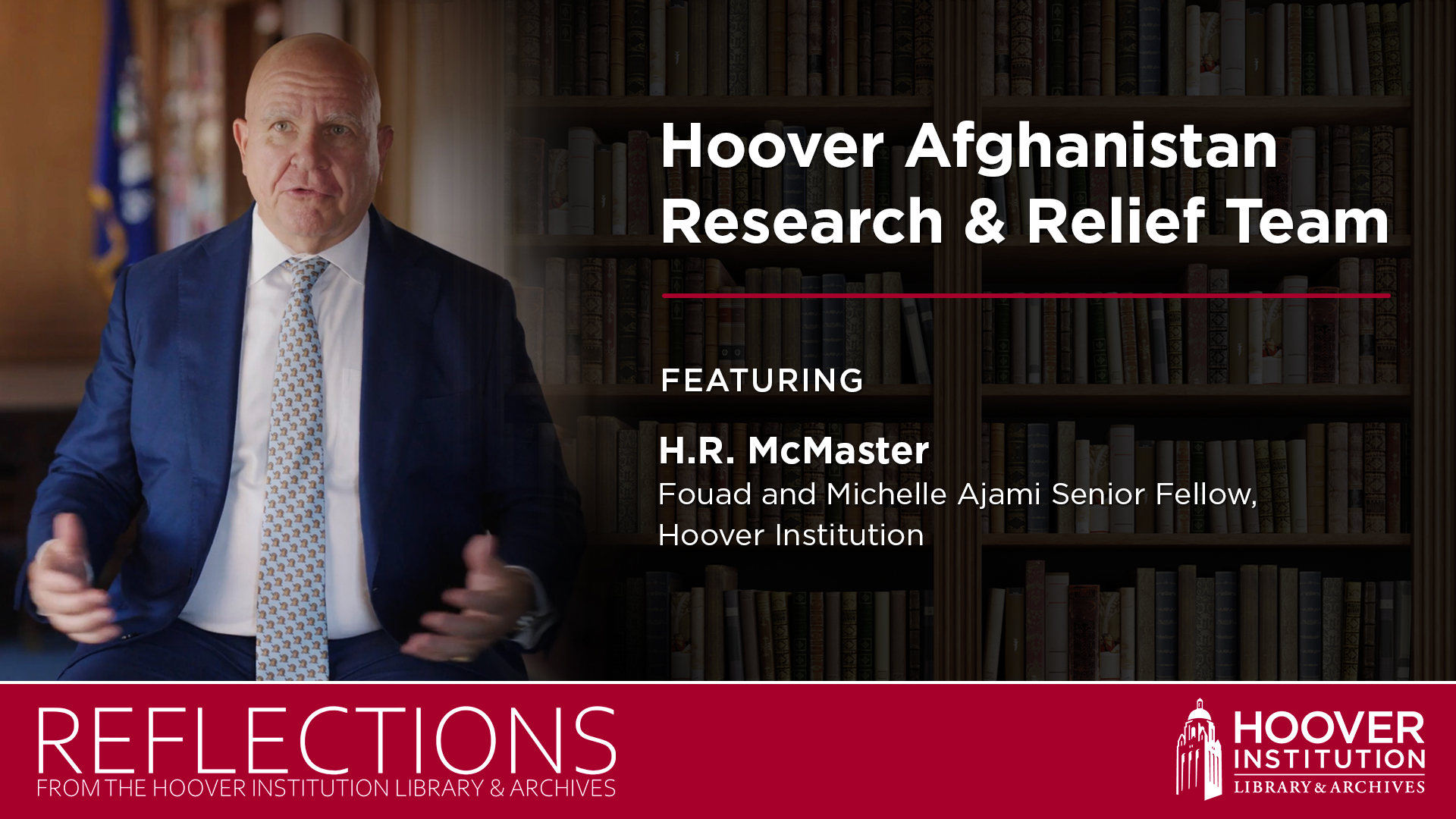
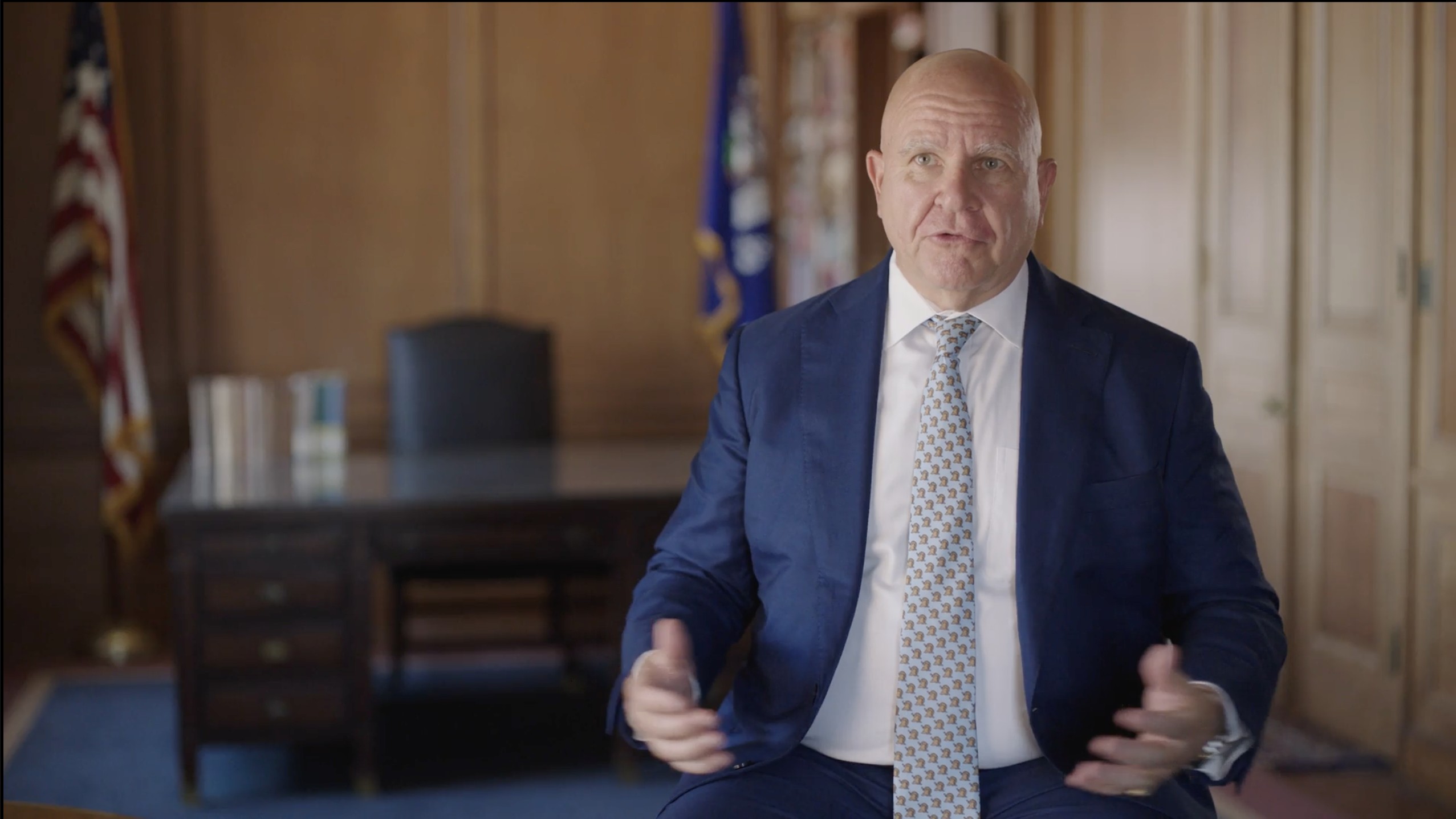
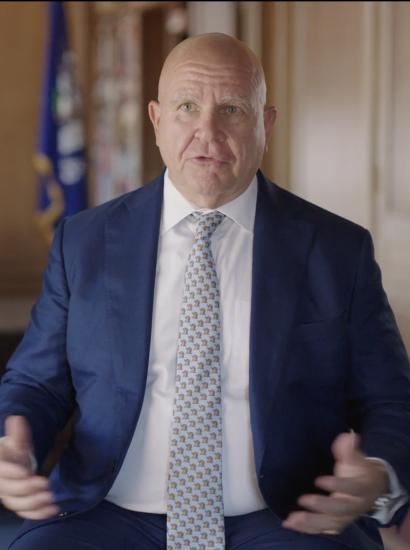
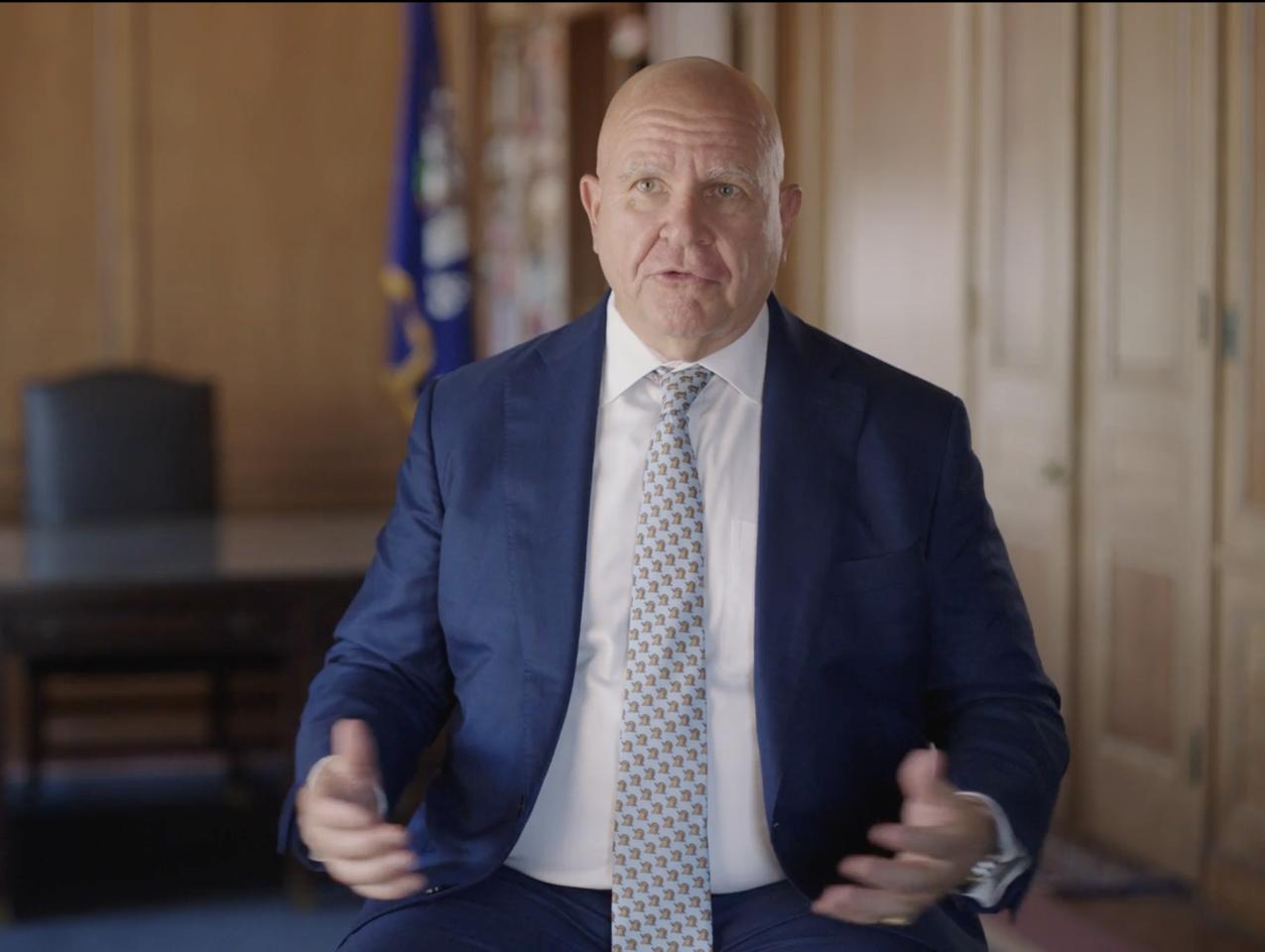
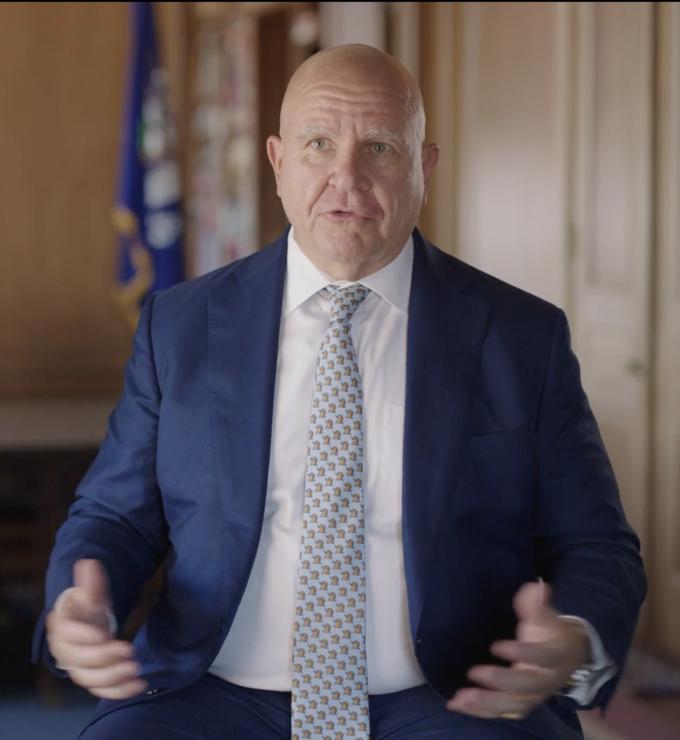
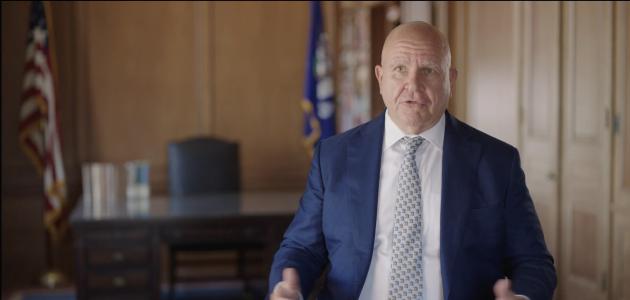
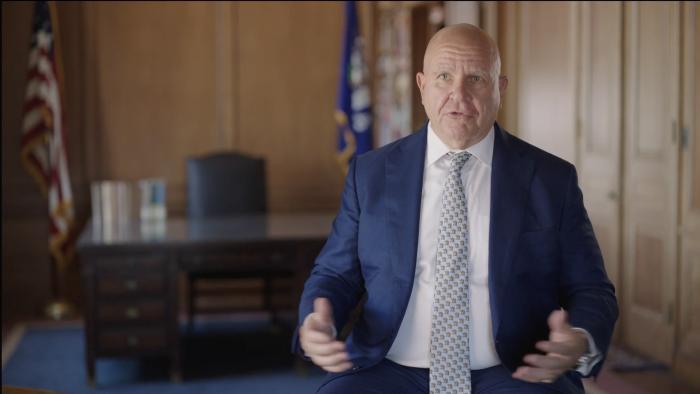
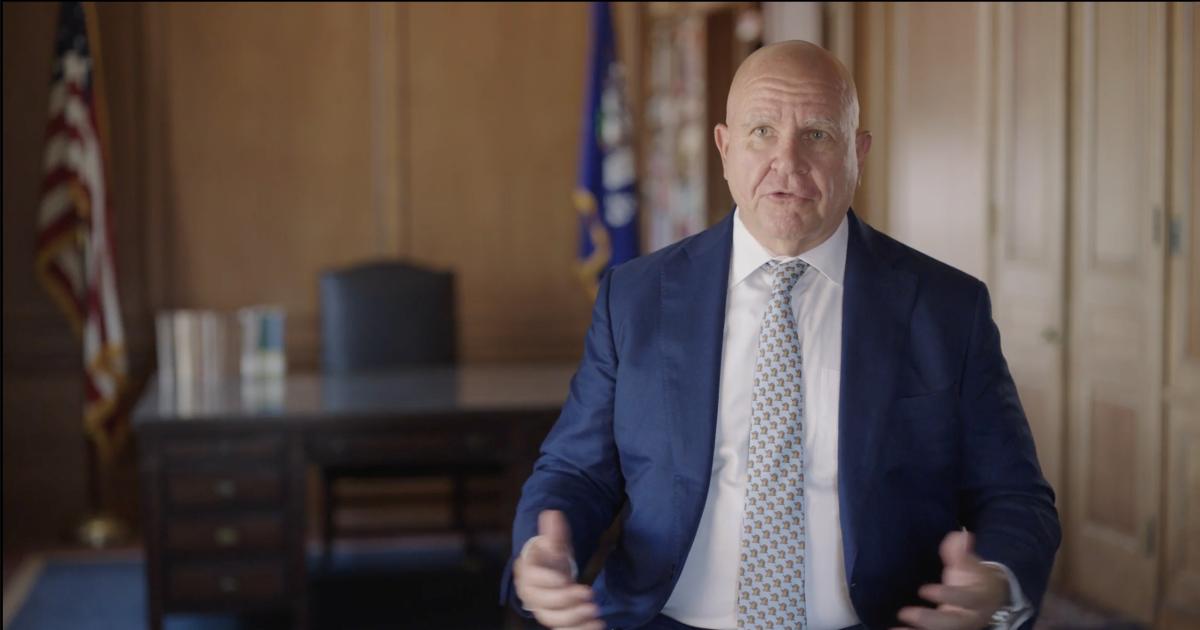
Senior Fellow and retired Lieutenant General H.R. McMaster discusses the origins and evolution of the Hoover Afghanistan Research & Relief Team (HART), established in the wake of the chaotic US military withdrawal from Afghanistan in 2021, when the Taliban swept to power. McMaster describes how a program that began as an emergency initiative to support and fill gaps in the US government’s efforts to evacuate refugees transitioned to collect and preserve historical materials on the war in Afghanistan, including oral histories, at the Hoover Institution Library & Archives.
- As the tragedy associated with what I would describe as America's self-defeat in Afghanistan was unfolding, I thought, Hey, what can we do? What can we do here at the Hoover Institution to help alleviate the suffering? So we put together the Hoover Afghanistan relief team, or heart team. Hart is the Hoover Afghanistan relief team. A team put together ad hoc of my research assistants, tremendous students and our research director. We looked at the tragedy of what was happening in Afghanistan and decided, Hey, we need to do something about this. And we really had three purposes. One was initially to help people evacuate who needed to be evacuated, those who had helped the United States, those who the Taliban would target. The second was to unburden refugees from, from that collapse of security, from all the paperwork associated with visas, you know, the special immigrant visas and what were called the P one and P two visas. And the third was to capture their experiences and to create an archive dedicated to the experiences of the Afghan people. We took inspiration from Herbert Hoover when we put together the Heart team. And, and Herbert Hoover was a great humanitarian. A lot of Americans don't realize the degree to which he alleviated human suffering, prevented starvation in the wake of the two most destructive wars in, in, in really history in, in World War I and, and World War ii. And so we, we wanted to, in the spirit of Hoover and the Hoover Institution, to, to alleviate human suffering and do the best we could for the Afghan people. After the, the major evacuation effort concluded, and after we had done the work on, on preparing applications for, for Afghan refugees and, and composing letters of recommendation and so forth, our, our mission evolved. It evolved from the Hoover Afghanistan relief team to the Hoover Afghanistan Research and Relief team. And that's, that's when we really began to put the emphasis on the oral history collection, which I, I think is going to be of just a fantastic collection for any citizens, but certainly for historians and, and researchers.
- Dr. Sheridan, thank you for joining me for this oral history interview for the Hoover Afghanistan Research and Relief team archive here at the Hoover Institution at Stanford University. It's great to have you joining us
- Within the, the Hoover Afghanistan Relief Team Oral History Project. You're gonna hear some really compelling stories. You'll hear stories about people who lived through the horrors of war across multiple decades, who, who understood what life, like under the Soviet occupation and the resistance to the Soviet occupation, and, and then the, the brutal civil war of 1992 to 1996, the hell of Taliban rule from 96 to 2001. And you'll hear stories of, of rising hope and, and aspiration after the liberation of Afghanistan from Taliban rule. And you'll hear stories that will challenge a lot of the conventional wisdom about Afghanistan. What this archive will contain are a lot of very positive stories about, about people who dedicated themselves to, to building a, a country based on fundamental or, or universal human rights or, or freedom. Herbert Hoover, when he confronted, you know, the, the horrors of war in, in the aftermath and the, the final months of, of World War, I was struck by the importance of preventing it from this kind of horror from ever happening again. So, while he was in Europe providing humanitarian assistance, he was acquiring documents and records that are now housed here in the, in the Hoover Tower and, and were made accessible to, to researchers to try to prevent future wars. It was the Hoover Institution on war revolution and peace. So most of what we have here in the Hoover Institution, the Hoover Archives are acquired collections. What's different about the Hoover Afghanistan relief team is this, is, is a curated collection that Hoover has created itself.
- I was born in a village in north of Kabul City, which is Kabul province.
- I think the heart oral histories will give access to historians, to Americans of, of really the lives and experiences of real Afghan people make accessible to Americans and others across the free world. Really, the stories of Afghans who were struggling to build a better future for themselves and their children and their grandchildren.
LEARN MORE
- Learn more about the Hoover Afghanistan Relief Team (HART), click here.
- For more about the Hoover Institution Library & Archives, visit our website.
- To learn how Hoover is prioritizing the research and understanding of history, explore here.

