James Goodby

Annenberg Distinguished Visiting Fellow
Research Team: 
Biography: 

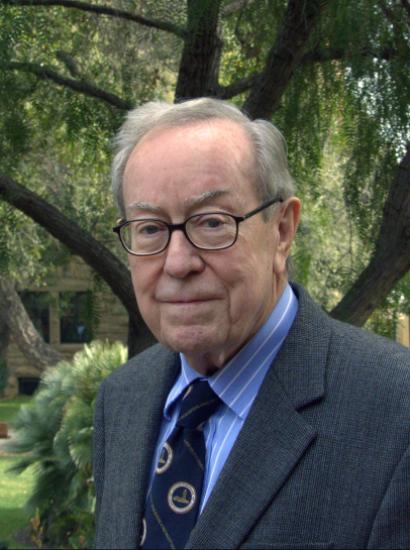
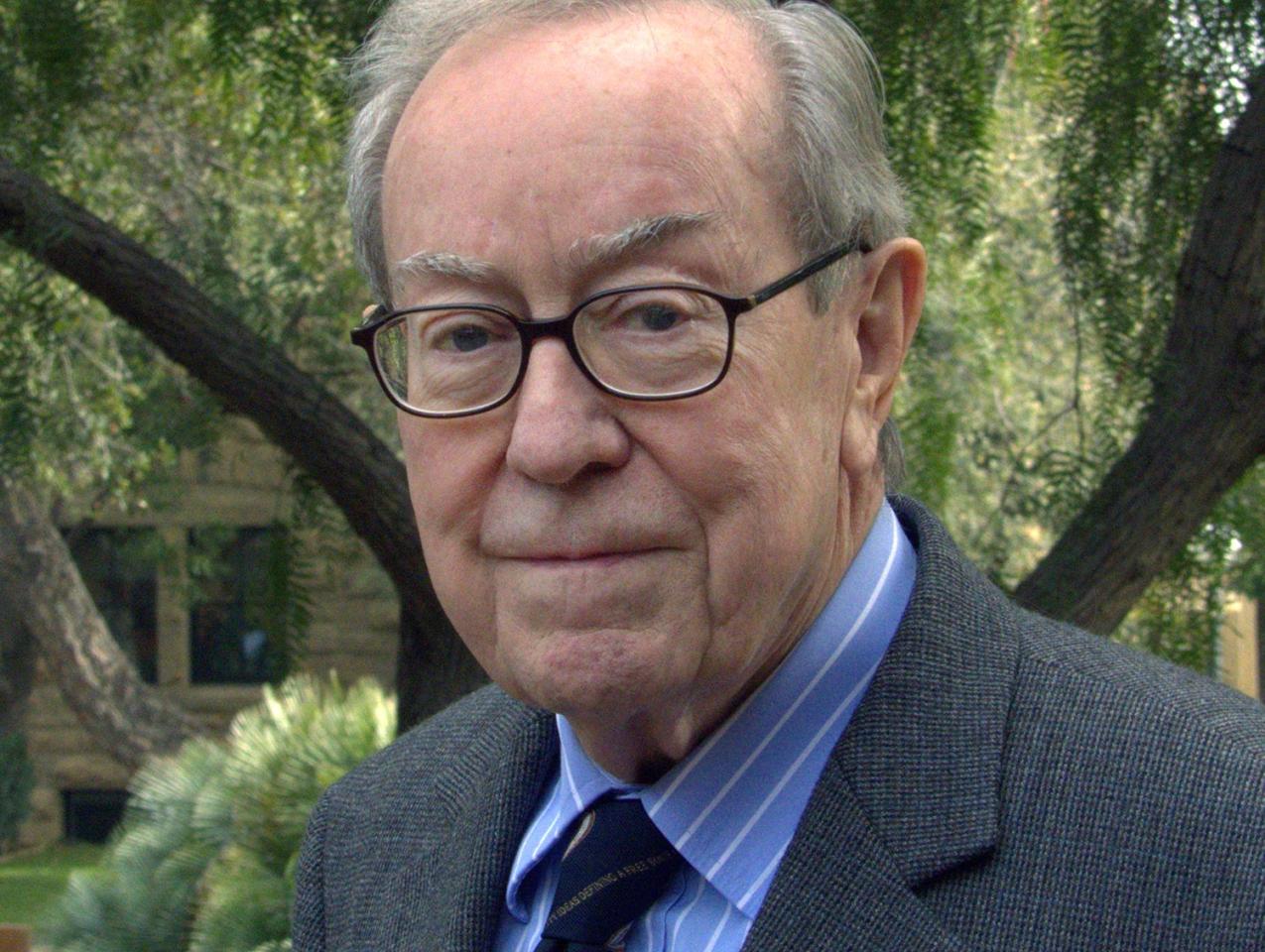
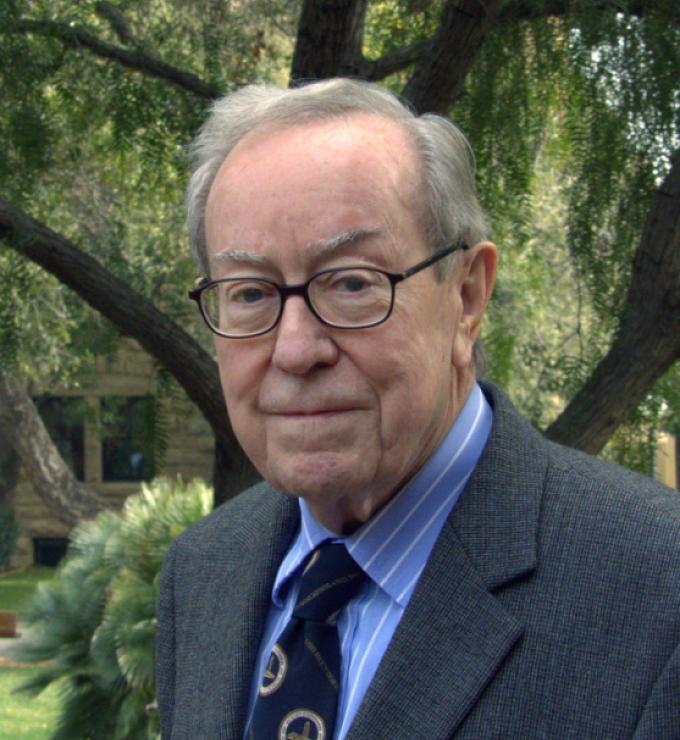
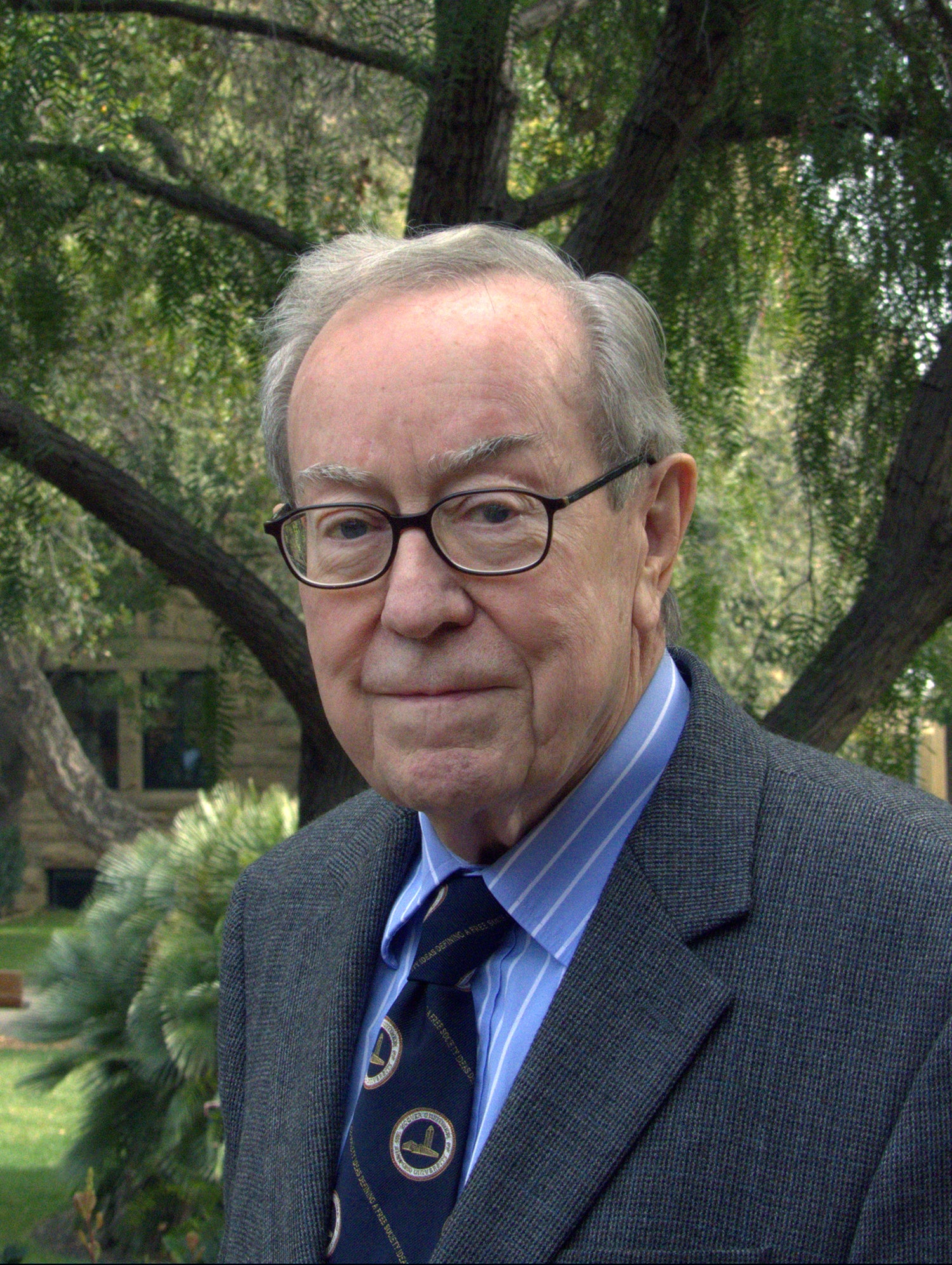
James E. Goodby has served in the US Foreign Service, achieving the rank of Career Minister, and was appointed to five ambassadorial-rank positions by Presidents Carter, Reagan, and Clinton, including ambassador to Finland. He taught at Georgetown, Syracuse, and Carnegie Mellon Universities and is Distinguished Service Professor Emeritus at Carnegie Mellon. Ambassador Goodby has worked with former Secretary of State George Shultz at Hoover since 2007. He is a research fellow at the Hoover Institution.

He was a Distinguished Service Professor at Carnegie Mellon University from 1989 to 1999 and is now a professor emeritus. Selected for the US Foreign Service through competitive examinations in 1952, Goodby rose to the rank of career minister in the Senior Foreign Service and was given five presidential appointments to ambassadorial rank, including ambassador to Finland (1980–81). During his Foreign Service career he was involved as a negotiator or as a policy adviser in the creation of the International Atomic Energy Agency, the negotiation of the limited nuclear test ban treaty, START, the Conference on Disarmament in Europe, and cooperative threat reduction (the Nunn-Lugar program).

Goodby is the author and editor of several books. His most recent publication is Deterrence: Its Past and Future—Papers Presented at Hoover Institution, November 2010 (Hoover Institution Press, 2011) edited with George P. Shultz and Sidney D. Drell. He also wrote At the Borderline of Armageddon: How American Presidents Managed the Atom Bomb (Rowman & Littlefield, 2006). With Sidney Drell he wrote The Gravest Danger: Nuclear Weapons (Hoover Institution Press, 2003) and the essay A World without Nuclear Weapons: End-State Issues (Hoover Institution Press, 2009). Goodby coedited Reykjavik Revisited: Steps toward a World Free of Nuclear Weapons (Hoover Institution Press, 2008) and contributed essays to Reykjavik Revisited and Implications of the Reykjavik Summit on Its Twentieth Anniversary (Hoover Institution Press, 2007).

Goodby’s awards include the Presidential Distinguished Service Award, the State Department’s Superior and Distinguished Honor Awards, and the Commander’s Cross of the Order of Merit of Germany. He was named a Distinguished Fellow of the US Institute of Peace in 1992. He was the recipient of the inaugural Heinz Award in Public Policy in 1995. In 1996, he was awarded an honorary doctor of laws degree by the Stetson University College of Law.

Filter By:

Topic

Type

Recent Commentary

Featured

The Odd Couple And The End Of An Era

by James Goodbyvia American Foreign Service Association
Wednesday, December 1, 2021

George Kennan made public his ideas about what became the American Cold War strategy of containment in 1947 in an essay published by Foreign Affairs under the pseudonym “X”. The article was based on the “Long Telegram,” a strategic analysis of the sources of Soviet conduct he had written and sent as a cable while posted in Moscow in 1946. One question that he obviously thought he had to address was: How does it all end?

At war with Donald Rumsfeld
Analysis and Commentary

Donald Rumsfeld’s Complicated Legacy

by James Goodbyvia The Washington Post
Monday, July 5, 2021

The July 1 front-page obituary on Donald H. Rumsfeld, “Divisive Pentagon chief oversaw two wars,” was a disappointing whitewash. It contained not a single word about Rumsfeld’s most significant use of his power in government: justifying the invasion of Iraq on a pretext he knew to be false. The obituary also lacked any mention of the devastating consequences: hundreds of thousands dead.

“Trying to Make a Difference”

by James Goodbyvia Hoover Digest
Monday, April 26, 2021

The retired statesman reflected on his most celebrated role: adviser and guide to America’s most powerful citizen.

Analysis and Commentary

An Ambitious Arms Control Agenda Requires A New Organization Equal To The Task

by James Goodby, David A. Koplowvia The Bulletin
Tuesday, January 12, 2021

An exceedingly challenging agenda of urgent, important, and diverse arms control issues awaits the incoming Biden administration. The New Strategic Arms Reduction Treaty (New START) will surely be a top priority, as the newly-installed leadership team undertakes to pursue promptly whatever interim steps the Trump administration takes in its waning days, including establishing a structure for future deeper, verifiable cuts in strategic and other nuclear weapons, as well as the possibility of engaging China. 

IntellectionsFeatured

Toward A World Free From Nuclear Weapons

by James Goodbyvia PolicyEd
Thursday, August 20, 2020

Achieving a nuclear-free world starts with a joint effort from nuclear-capable countries to mitigate the factors that drive nations to possess these weapons.

FeaturedNational Security

The Coming Age Of Diplomacy

by James Goodbyvia Berkley Center for Religion, Peace & World Affairs
Friday, February 7, 2020

Pope Francis has spoken of the need to abandon the threat of use of nuclear weapons, as well as their possession. This change in Church thinking comes at a time when new dangers that did not exist in the Cold War heighten the risk posed by more nuclear weapons in more hands. These new dangers include international terrorism, well-organized nuclear black markets, and the rise of cyber warfare, which will make the management of any future nuclear crisis even more difficult.

Practical Lessons from US Foreign Policy: The Itinerant Years

by James Goodby, Kenneth Weisbrodevia Books by Hoover Fellows
Tuesday, November 19, 2019

In foreign policy, the Trump administration has appeared to depart from long-standing norms of international behavior that have underwritten American primacy for decades in a more interdependent and prosperous world. In this book, a diplomat and a historian revisit that perception by examining and reproducing several of their own essays during the past twenty years.

IntellectionsFeatured

A New Nuclear Strategy For 21st Century Realities

by James Goodbyvia PolicyEd
Wednesday, May 29, 2019

Failing to move on from the Cold War mindset about nuclear weapons encourages their development and increases the risk that they will be used.

Blueprint for AmericaFeatured

Diplomacy In A Time Of Transition

by James Goodbyvia PolicyEd
Tuesday, April 2, 2019

The long-standing state system for bringing order to the world is under pressure. The American-led security and economic commons built up over several decades in the twentieth century is at risk everywhere and in many places no longer exists. In order to prepare for the new global arrangement, America needs to return diplomatic responsibility and accountability to the Department of State. It also needs to raise the stature of the Foreign Service Institute, which trains diplomats and foreign affairs professionals. Now more than ever, America needs to maintain its strong diplomatic presence to preserve and ensure stability and peace.

Analysis and Commentary

Let’s Talk About Nuclear Security — Informally

by James Goodby, Kenneth Weisbrode quoting George P. Shultzvia San Francisco Chronicle
Sunday, January 20, 2019

With the high-profile conclusion of Robert Mueller’s investigation, a U.S. threat to withdraw from a nuclear missile treaty, a worsening political situation in Ukraine, an ongoing conflict in Syria, not to mention recent reports that the FBI began a counterintelligence investigation of President Trump, the citizens of Russia and the United States should worry that their countries are soon reaching a point of no return.

Pages