Paul E. Peterson

Senior Fellow
Research Team: 
Awards and Honors:
American Academy of Arts and Sciences
National Academy of Education
Biography: 

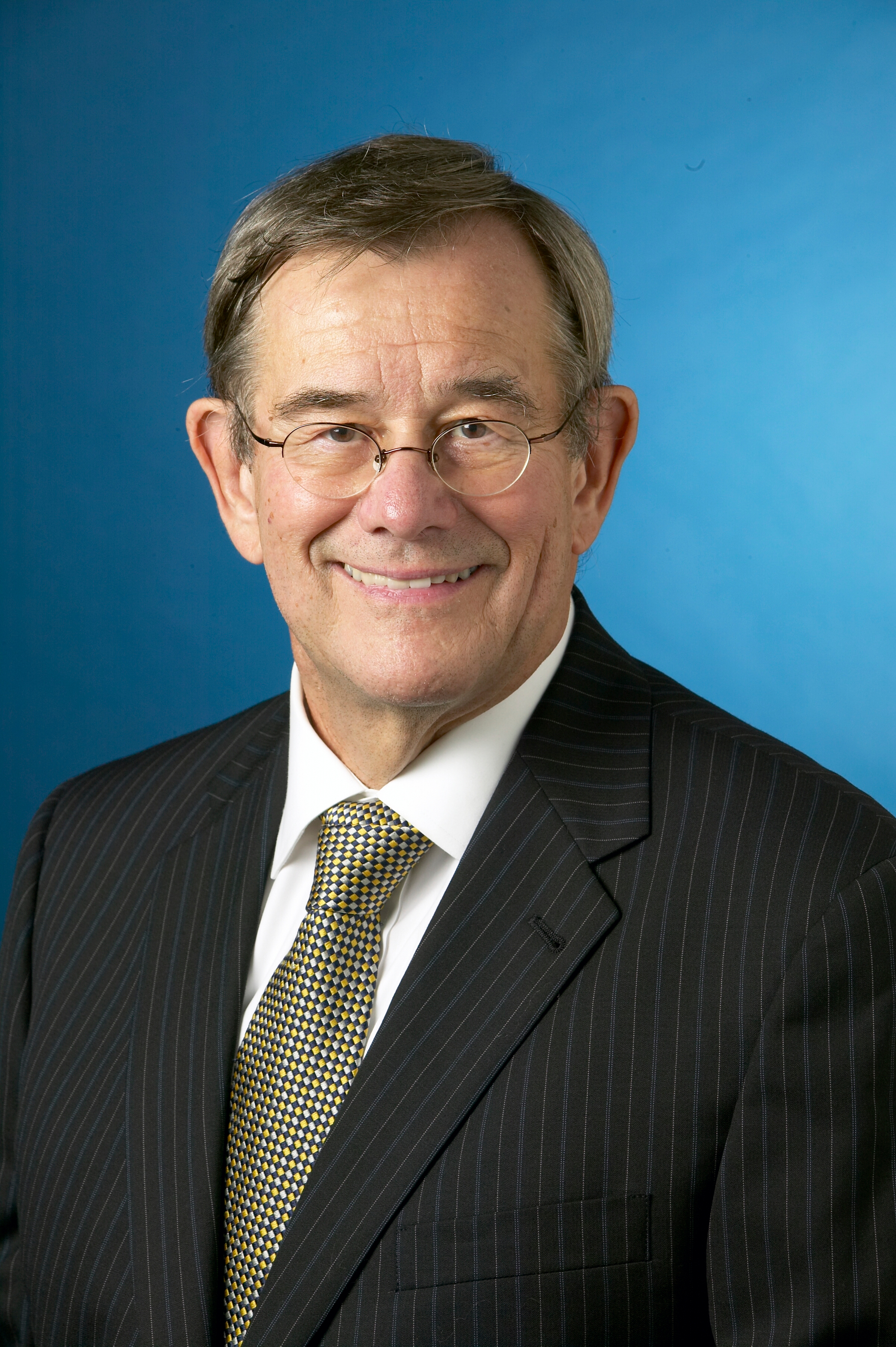
Paul E. Peterson is a senior fellow at the Hoover Institution, a member of the Koret Task Force on K–12 Education, and editor in chief of Education Next: A Journal of Opinion and Research. He is also the Henry Lee Shattuck Professor of Government and director of the Program on Education Policy and Governance at Harvard University. His research interests include educational policy, federalism, and urban policy. He has evaluated the effectiveness of school vouchers and other education reform initiatives.

In 2006, Peterson was appointed leader of the Florida state Education Citizen Review Group and is a member of the Department of Education’s independent review panel, which is evaluating No Child Left Behind. In 2003, he was awarded the Thomas B. Fordham Foundation Prize for Distinguished Scholarship. Among the many other honors and fellowships Peterson has received are a John Simon Guggenheim Fellowship, a German Marshall Fund of the United States Fellowship, and a Woodrow Wilson Foundation Award from the American Political Science Association for the best book published in politics, government, or international relations. The Editorial Projects in Education Research Center reported that Peterson’s studies on school choice and vouchers were among the country’s most influential studies of education policy.

Peterson is a former director of governmental studies at the Brookings Institution and has been elected to the National Academy of Education and the American Academy of Arts and Sciences.

His most recent book, with Michael Henderson and Martin R. West, Teachers versus the Public: What Americans Think about Schools and How to Fix Them, shows the comparison of the education policy views of both teachers and the public as a whole and reveals a deep, broad divide between the opinions held by citizens and those who teach in the public schools. Other works include Endangering Prosperity: A Global View of the American School (coauthor with Eric Hanushek and Ludger Woessmann), Saving Schools: From Horace Mann to Virtual Learning, School Money Trials: The Legal Pursuit of Educational Adequacy; The Education Gap: Vouchers and Urban Schools; Reforming Education in Florida: A Study Prepared by the Koret Task Force on K-12 Education; Generational Change: Closing the Test Score Gap; and Choice and Competition in American Education.

Filter By:

Topic

Type

Recent Commentary

Analysis and Commentary

Common Core and the War on Self-Deception

by Paul E. Petersonvia Education Next
Wednesday, January 15, 2014

Learning the truth about schools helps the school reform cause

Analysis and Commentary

America’s Schools Earn a ‘C’ on Their Report Card

by Eric Hanushek, Paul E. Petersonvia Education Next
Sunday, December 8, 2013

NCLB needs a variety of (obvious) fixes, but abandoning accountability is not among them.

Analysis and Commentary

Schools Improve When Leaders Stop Rationalizing Mediocrity

by Eric Hanushek, Paul E. Petersonvia Education Next
Friday, December 6, 2013

If the superintendents of failing school districts were as adept at fixing schools as they are at making excuses for their poor performance, America would have the best education system in the world.

Analysis and Commentary

Spinning America's Report Card

by Eric Hanushek, Paul E. Petersonvia Wall Street Journal
Friday, November 8, 2013

ObamaCare isn't the only thing the Obama administration is spinning these days. In education, too, accomplishments on the ground don't match the rhetoric coming out of Washington.

Analysis and Commentary

Playing in the Right League

by Eric Hanushek, Paul E. Petersonvia Education Next
Tuesday, October 29, 2013

Instead of being complacent about our international standings, we should focus on ways to get our students up to the top leagues.

American students - once the most competitive in the world - have fallen behind

Hoover senior fellows Hanushek and Peterson discuss the state of K–12 education on WGBH’s Innovation Hub

by Eric Hanushek, Paul E. Petersonvia WGBH (New England)
Friday, October 25, 2013

Hoover senior fellows Eric Hanushek and Paul Peterson, having studied the US education system for a long time, have observed a disturbing trend.

Analysis and Commentary

Upgrade U.S. Skills or Pay the Price

by Eric Hanushek, Paul E. Petersonvia Daily News (NY)
Wednesday, October 9, 2013

Hanushek & Peterson: As if we needed more evidence, new data released Tuesday shows the disheartening level of skills of the American worker compared with those in other developed countries.

Analysis and Commentary

U. S. Adults Perform Below International Average in Numeracy, Literacy and Problem Solving

by Paul E. Petersonvia Education Next
Tuesday, October 8, 2013

The United States once had the best educational system in the world, but that day seems to have faded away. Unfortunately, the United States can no longer live on the great educational system it once enjoyed.

Endangering Prosperity: A Global View of the American School

Part II: The United States can teach itself how to improve education

by Eric Hanushek, Paul E. Petersonvia Hoover Institution
Wednesday, September 25, 2013

In the second of two videos, Hoover senior fellows Eric Hanushek and Paul E. Peterson discuss their new book, Endangering Prosperity: A Global View of the American School. Topics include the rate of improvement in achievement gains across the United States and the world and the futility of increasing education investment to improve education achievement.

Endangering Prosperity

Part I: American students’ woeful math proficiency

by Eric Hanushek, Paul E. Petersonvia Hoover Institution
Wednesday, September 25, 2013

In the first of two videos, Hoover senior fellows Eric Hanushek and Paul E. Peterson discuss their new book, Endangering Prosperity: A Global View of the American School. Topics include US student proficiency and performance in mathematics compared to students in other countries; the relationship between math skills and economic growth; and the importance of math and science for future global jobs. Click here for further information.

Pages