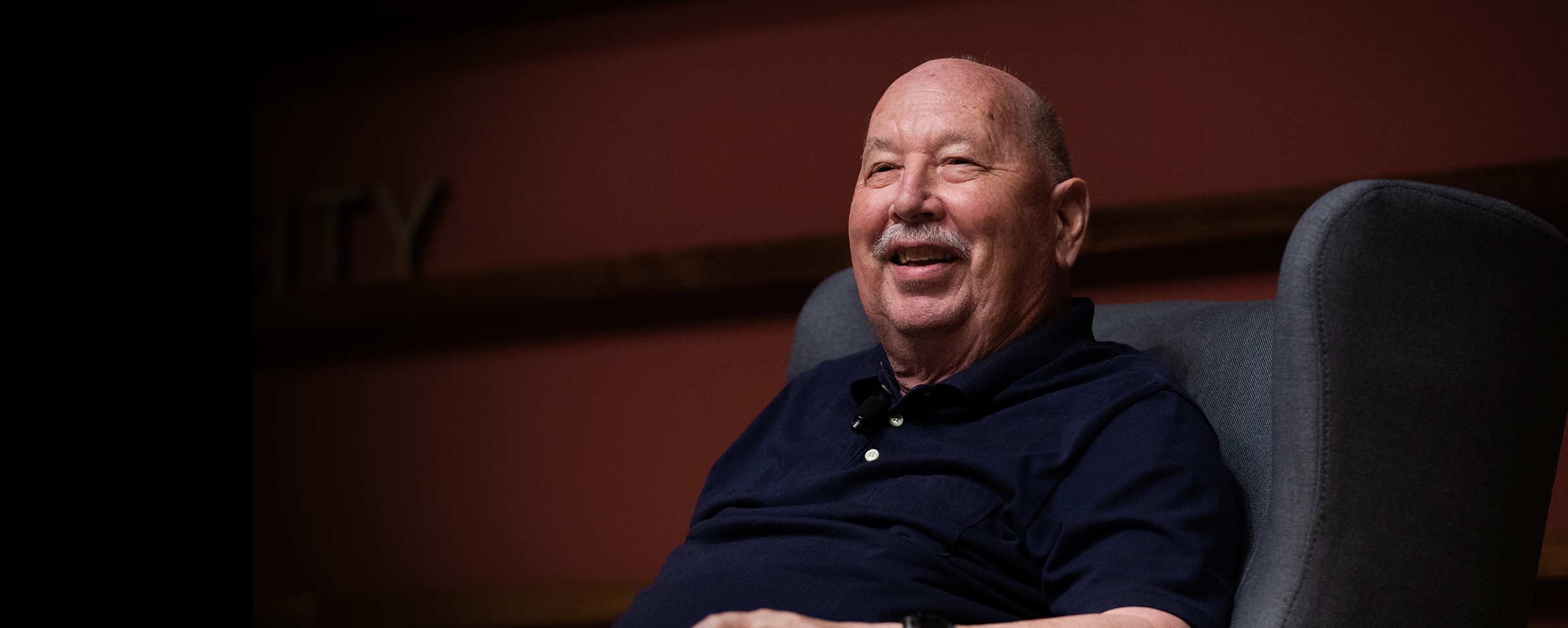
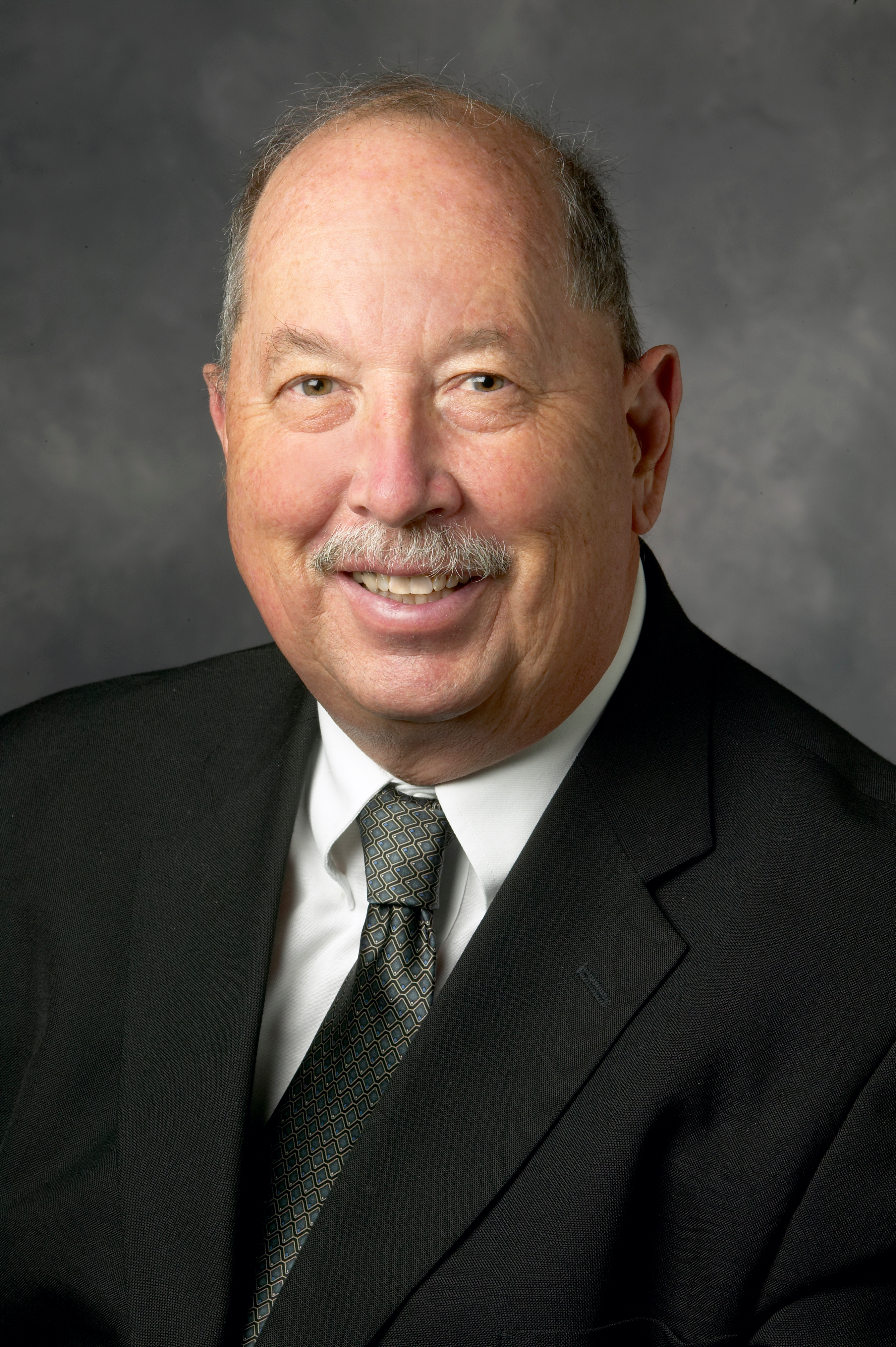
Paul R. Gregory

Research Fellow
Biography: 

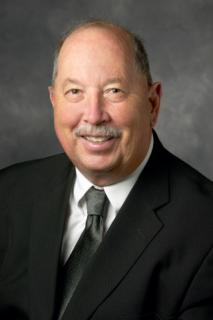
Paul Gregory is a research fellow at the Hoover Institution. He is Cullen Professor Emeritus in the Department of Economics at the University of Houston, a research fellow at the German Institute for Economic Research in Berlin, and emeritus chair of the International Advisory Board of the Kiev School of Economics. Gregory has held visiting teaching appointments at Moscow State University and the Free University of Berlin.

Gregory was the director of the Russian Petroleum Legislation Project of the University of Houston Law Center from 1992 to 1997 and has written broadly on Russian energy.

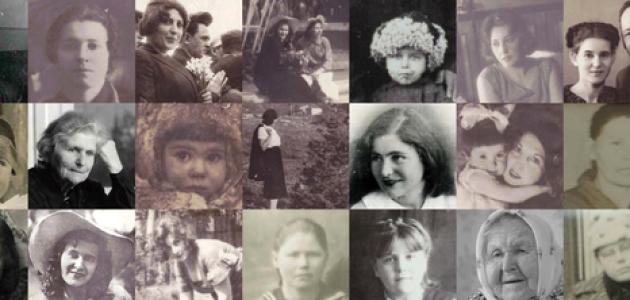
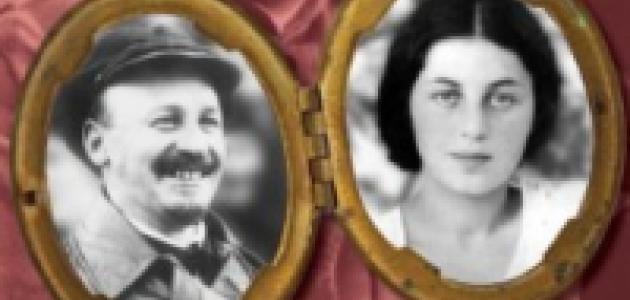
The holder of a PhD in economics from Harvard University, he is the author or coauthor of twelve books and more than one hundred articles on economic history, the Soviet economy, transition economies, comparative economics, and economic demography. His most recent books are Women of the Gulag: Portraits of Five Remarkable Lives (Hoover Institution Press, 2013), Politics, Murder, and Love in Stalin’s Kremlin: The Story of Nikolai Bukharin and Anna Larina (Hoover Institution Press, 2010), Lenin’s Brain and Other Tales from the Secret Soviet Archives (Hoover Institution Press, 2008), Terror by Quota (Yale, 2009), and The Political Economy of Stalinism (Cambridge, 2004), for which he received the Hewett Prize, awarded to works on the political economy of Russia, Eurasia, or Eastern Europe. He co-edited The Lost Transcripts of the Politburo (Yale, 2008). His archival work is summarized in “Allocation under Dictatorship: Research in Stalin’s Archive” (Journal of Economic Literature.) As a producer, Gregory worked with director Marianna Yarovskaya on the documentary film Women of the Gulag, which was short-listed for the 2019 Academy Awards.

Gregory blogs for Defining Ideas and The Hill and tweets at #PaulR_Gregory.

Filter By:

Topic

Type

Recent Commentary

A coal miner in Donetsk, Ukraine
Analysis and Commentary

Europe And U.S. Finally Declare That Russian Soldiers Are Fighting In Ukraine

by Paul R. Gregoryvia Forbes
Tuesday, February 17, 2015

In Minsk on February 12, Ukrainian President Petro Poroshenko waived passports of Russian soldiers caught or killed in Ukraine. Vladimir Putin’s propagandists immediately scoffed at such “political comedy,” but Poroshenko’s display showed that Russia is waging an undeclared war, using regular troops with regular Russian military equipment to destroy a weaker army, while claiming it doesn’t have any troops in Ukraine.

Putin
Analysis and Commentary

Putin Comes Out On Top In New Minsk Agreement

by Paul R. Gregoryvia Forbes
Friday, February 13, 2015

Vladimir Putin was the winner of the Minsk II peace accords. Territory gained by the rebels in violation of Minsk I appears to be conceded; there is no deadline for the pulling out of Russian regular troops and mercenary forces; Kiev must pay the costs of occupied territory; and the self-appointed stooges of the Kremlin, who call themselves the leaders of the self-proclaimed “people’s republics,” have gained recognition and a say in constitutional change.

Analysis and Commentary

Kerry Delivers Hot Air Speech To Ukraine While Putin Supplies Tanks, Missiles And Troops

by Paul R. Gregoryvia Forbes
Friday, February 6, 2015

Secretary of State John Kerry’s remarks in Kiev yesterday must have boosted spirits in the Kremlin. Ukraine expected to hear that the United States is stepping up to the plate to provide defensive weapons against the Russian-led offensive.

Analysis and Commentary

Putin Shrugs Off Oligarch Opposition To His 'Holy War' And Policies

by Paul R. Gregory mentioning Bruce Bueno de Mesquitavia Forbes
Tuesday, February 3, 2015

Russia’s oligarchs have let it be known they are not happy with Putin’s holy war against Ukraine and the West, which has cost them one quarter of their wealth. Putin is unimpressed. He knows he can destroy any one of them through his control of the power ministries. We shall see if Putin’s confidence is justified.

Russian Presidential Press Office

Fire Putin

by Paul R. Gregoryvia Hoover Digest
Wednesday, January 28, 2015

Memo to the Russian people: the great leader is actually a great liability.

Analysis and Commentary

The West Has Putin in a Box But Refuses to Pull the Trigger

by Paul R. Gregoryvia The Blaze
Wednesday, January 14, 2015

The Western world has yet to figure out what to do with Vladimir Putin.

Analysis and Commentary

New Study On The Shooting Down Of MH17 Points To Russian Forces

by Paul R. Gregoryvia Forbes
Monday, January 12, 2015

A new study on MH17 suggests that a trained crew of regular Russian forces operating on separatist territory shot down the aircraft. But doesn’t Putin tell us there are no such forces in Ukraine? The Kremlin can never tell the truth, and international investigators aren’t willing to interrogate separatists and Russian officials who allegedly pulled the trigger even though we know their names, addresses, and in some cases telephone numbers.

Putin
Analysis and Commentary

Will 2015 Be A Turning Point For Putin And His Regime?

by Paul R. Gregoryvia Forbes
Wednesday, January 7, 2015

This year will be a tough one for Vladimir Putin as the Russian people come to better understand the huge social and economic costs of his Ukraine venture. Putin has violated his pledge of growth and prosperity.

Analysis and Commentary

Russia's Natural Gas Sales Plummet: Is Russia Captive To European Buyers?

by Paul R. Gregoryvia Forbes
Wednesday, December 24, 2014

The received wisdom is that Europe cannot offend Russia because it depends so much on Russian natural gas. We have this backwards. It should be: Russia cannot offend Europe because it depends too much on sales of natural gas sales to Europe.

Analysis and Commentary

Ruble Hits New Low--Putin Can't Keep His Promise To Russian People

by Paul R. Gregoryvia Forbes
Tuesday, December 16, 2014

Russia’s central bank waited until the early morning hours to raise its interest rate from 10.5% to a whopping 17.5% to encourage citizens to hold rubles and foreigners to buy rubles. Rather than building confidence, markets interpreted the move as panic.

Pages