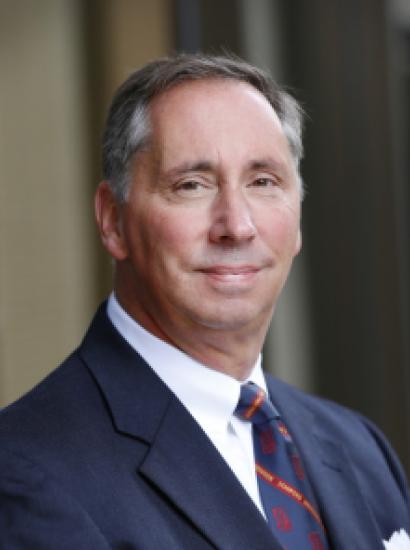
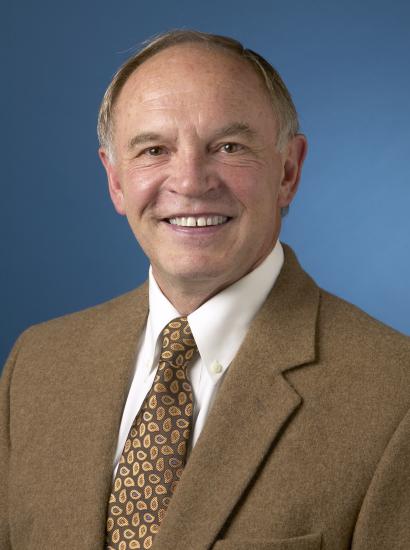
- Environmental regulation. Those are two words likely never spoken by Hamilton and Jefferson while they were clashing over federalism versus state's rights. Yet here we are, almost 240 years after the US Constitution was ratified and such regulation as a sticking point between bureaucrats and Washington and state lawmakers beyond the beltway. We're going to hear from a Hoover institutional economists on trade-offs involved in promoting prosperity and safeguarding the environment. The topic of an upcoming Markets versus mandates conference here at the Hoover Institution is coming up next on a new edition of Matters of Policy and Politics. It's Thursday, April 30th, 2026, and you're listening to Matters of Policy and Politics, a podcast devoted to the discussion of Hoover Institution policy research, as well as issues of local, national and geopolitical concern. I'm Bill Whalen. I'm the Hoover Institution's, Virginia Hobbs Carpenter distinguished policy fellow in journalism. I'm not the only fellow who spends time behind the microphone, if you don't believe me. If you wanna see it for yourself, go to our website, which is hoover.org. Actually go to hoover.org/podcast. And there you'll see it has a whole gamut of stuff that we have to offer on the audio side of things, including the audio version of Goodfellows, which I get to moderate on the company of Sir Neil Ferguson. John Cochran, HR McMaster. Now, by the time you've downloaded this podcast, the calendar is turned to May, and here it matters of policy and politics. We're going to turn our attention to economics, specifically the question of how free markets and environmental regulation coexist, or since they're kind of like oil and water, is it possible to strike a balance between the two? Joining us today is a fellow who studied this question. In fact, he's turned it into a springtime occurrence. Here at the Hoover Institution, I'm referring to Dr. Terry Anderson. Terry Anderson is the Hoover Institution's, John and Jean Alt senior fellow adjunct, as well as a past president of the Property and Environment Research Center in Bozeman, Montana, and a professor emeritus at Montana State University. Go Bobcats. Dr. Anderson is one of the founders of what he calls free market environmentalism, which is the idea of using markets and property rights to solve environmental problems. For the past four years, he has been part of, he spent part of his spring here at the Hoover Institution, taking part in a conference we call markets versus mandates, promoting environmental quality and economic prosperity. He joins us today to talk about this year's conference, which will be held on Tuesday, May 12th, and I'm gonna ask about a few other environmentally related matters in the news as well. Terry, it's great to see you.
- Great to see you, bill. Always a pleasure.
- So one thing our listeners should know about Dr. Terry Anderson is he is not a couch potato, he is a fly fisherman. He likes to hike, he likes to ski, he likes to ride horses. He is into archery hunting. I believe Terry are econom, are economists typically this outdoorsy?
- I I, I probably won't win a Nobel Prize, but I have more heads on my quiet zoo walls as a friend calls it. So, no, the answer is not usually that outdoorsy.
- Right. So the reason why you're outdoorsy is because you, your home is in the great state of Montana. Question, Terry, briefly tell us how you got into economics and how you ended up in, of all places Montana.
- Well, thank you, bill. I was born and raised in Montana, so that's how I started and ending up here was after I went to an undergraduate program at the University of Montana thinking I would be a forester and I would wander around the forest listening to birds and watching deer and elk, and found out that you had to take chemistry and physics and do things other than that. So, and I came across an economics course, took it, and then said, I'm getting a PhD studied under former senior fellow at Hoover Douglas North and a Nobel laureate. He was my great mentor. He was a little upset when I decided to come back to Montana, teach at Montana State rather than going to the University of Michigan. Took a while to smooth those feathers out, but we managed to do that because he liked to hunt and fish and he came out to Montana several times to do that.
- And our native Montanan's Terry, a dying breed. I watch a lot of te, I watch a lot of Taylor Sheridan. I know people who are flocking to Montana. I see Montana constantly included in conversation about luxury real estate in a great place to go. I see celebrities going there, Taylor, or So are you, are you on the downside of this?
- Well, definitely, if not a dying breed and, and I, I hope not yet for me anyway, but we're certainly a growing minority breed. The number of people that you can talk to who can say I was born and raised in Montana as a percentage of the population is definitely declining. Declining. And Bozeman is a perfect example. Yellowstone combined with the movie A River Runs Through it has definitely changed the culture of Bozeman, Montana and and the state in in general.
- Yeah, I think COVID probably be a factor as well. People, we be doing a good fellow show, for example, Neil Ton did it from Montana.
- Yeah. The whole revolution there has has brought lots of relatively high paying jobs for relatively young people and, and they drive their sprinter vans out into the wilds of Montana and spend weekends in campgrounds and hiking and skiing, and now even hunting. And it's, it's changed the complexion of Montana and, and, and I think culture is an important part of, of what's changing and, and creates real tensions in the state and, and in the west generally. There's a great book I'd recommend to the listeners, and it's called Billionaires Wilderness, and it's really about Jackson Hole and Teton County, Wyoming, but it applies throughout the west, and it's about how billionaires say, I want a piece of the action, and they come out and buy their little ranch, or they buy a place at the Yellowstone Club not far from where I'm sitting, and then say, well, I want more restaurants and I want this and that. And they aren't things that most Montanans ever heard of. So it's, it's changing the culture. Definitely.
- And I wanna talk about that in another book later in the podcast, because I know, especially the Wyoming book, another one's a Montana book, but the Wyoming book does get in the question about how these wealthy people view the environment and and their ideas on that. But Terry, let's talk about freemark environmentalism, and let's bring into play here, Thomas. So, and Dr. So's thinking is basically, there are not solutions to environmental problems, but there are only trade-offs and market transactions or adjustments to those trade-offs. So was so the first person to get this, Terry, and when we talk about this concept of free market environmentalism, how far back does it go? 'cause certainly, certainly Jefferson and Hamilton were not thinking about this back in the 17 hundreds.
- Well, Tom's quote is one I use all the time. I I have a hard time calling him Dr. So, because he, yeah, he feels like such a close friend, but you know, the, the, the whole notion of the trade-offs is what economics is built on. And it goes back to the classical economists. And while Jefferson Hamilton and the other founders might not have been using those words, they, they probably had come across the, the, the likes of John Stewart Mill and, and John Locke and others who, who thought that way. Dr. Sowell does a brilliant job of making that point. And and I would say my contribution to it is putting it in the context of environmental issues. Environmental issues aren't, aren't problems to be solved, but are, as Tom says, trade-offs. And so the question is, do we want to have a mine that produces copper in, in Montana, not far from where I have a home, or do we want to leave it as this pristine wilderness? Do we want to graze cattle on those lands or should we raise buffalo? And, and the they're, they're fought over as though they're solutions, but as to says they are trade-offs. If you want buffalo, you give up cattle. If you want cattle, you give up buffalo and the list goes on. How you, how you weigh those differences, those trade-offs and how you make those decisions difference between markets and mandates.
- Right? So when you talk trade offs, Terry, you're talking efficiency versus uniformity. You're talking flexibility versus control. You're talking innovation versus certainty. Let's get into three entities here and why don't you explain to me how free market environmentalism applies them. Number one, water.
- Water in a state like Montana is definitely an a perfect example. And, and because we had such a dry winter, it, it, it looked as though it was gonna be even more contentious than normally. It just, just today in fact, drove by a small stream that would, this time of year should be gushing water. But up at the head of that stream is a large dam that provides irrigation water. And so the trade off is the water in the stream so that fish habitat, wildlife habitat will be there or store it for summer use by farmers who own water rights. And so the trade-offs are always there and, and they exist in the context of irrigation versus wildlife in the context of irrigation versus domestic urban uses. And all of those end up to be very contentious if you treat them as a solution. Put more water in that, Dan, so I can irrigate, no, put it in my stream so I can drink it downstream or I can fish in it. And, and how those, those trade-offs get resolved is, and that creates a sort of solution. But how they get resolved is a, is a part of what free market environmentalism is about, and it, and growing in Montana as well as the west is the use of markets. You want water, you can buy mine,
- Right? Second entity Terry fishing, specifically overfishing. Now are we talking fishing in the bitterroot? Are we talking about fishing out in the oceans?
- Well, to a certain extent, both. The bitterroot is a little different in that the overfishing fishing is, is not decimating the trout populations, but is more a, a crowding of, of the stream banks with the, and the, the water that people float on. So it's a, it's a slightly different overfishing problem, namely the crowding problem reopen oceans. It truly is a matter of too many hooks, chasing too few fish, as I like to put it and thought of in that way. You imagine all these hooks down in the water and all these fish being pulled up and pretty soon there are none left. And and that's what what economists call the tragedy of the commons. And it, and the question is, do you pass laws? Do you have regulations that say you can't fish on these days, you can only fish on on the other days. You can't use these kinds of boats, you can't use these kinds of nets, or you create property rights to the fish. And that's, that's the market solution that's been tried, tested and working to reduce fishing pressure, give fishermen a cent an incentive to take better care of the oceans, to catch fewer fish and leave the stock to reproduce. And, and it's making a huge difference where those property rights are created.
- And a third policy concern, Terry, and that is the climate.
- Well, the climate, whenever I lecture on these topics, I start with easy ones like water, which wasn't easy when I first started doing research on it. And now there are multiple books and multiple environmental groups using markets to resolve these environmental trade-offs similarly with phishing. But then I usually in my lecture talking about the, the mother of the mall climate change. And the question there is, is how do we get people incentivized to treat the atmosphere differently, not just as a garbage dump, but as a, as something we breathe from and something that has a big effect on, on our climate that's harder to create property rights for, but cap and trade is the, is the solution preferred by most economists. You, you cap the amount of carbon that can be, or greenhouse gases that can be emitted. You allow trade in those, in those caps and that incentivizes people to find better ways to produce their products without emitting greenhouse gases. Furthermore, the other thing that I think is missed in so much of, of the discussion of climate change and is going to be a major focus of the conference, you mentioned the markets versus mandates conference coming up is, is the, the kind of ingenuity that's brought to bear as, as markets put, put signals out there. So as something is, the important in California for sure is grape production changes in climate effect where and how and when you produce grapes and there's a significant amount of data showing that grape producers are moving north in, in the, in the growing of grapes, in the production of wine. I saw a headline in a paper not that long ago where we'd be growing wine grapes in Montana and you know, that would be laughable in days gone by. But as our winter temperatures rise and we have the resources, the land resources and some of us are very good, those kinds of changes are occurring. People are moving back from oceans due to market signaling that ocean flooding is a problem. People are building different kinds of houses because we can make them more flood resistant.
- But Terry, a westerner, I know every time a new administration comes in, one of the first things you probably focus on is who is the new interior secretary. And I mentioned this because for all the talk we have about volatility and politics, remember, you and I have lived through an age when Congress was controlled by one party for the better part of about 40 years, and then the Republicans came into the mid nineties and then beginning in the mid two thousands, Congress just seems to be changing hands constantly, like a bad piece of real estate that nobody really wants to hold onto. Indeed, the house may flip again this year, who knows about the Senate? But Terry, I look at the interior department, I look at the Interior Secretary and, and our approach to the western United States outta Washington, and there's kind of a schizophrenic approach here. Maybe schizophrenic is not the white word, but we seem to have two different, very different extreme approaches here. I remember back in the early eighties, Ronald Reagan comes into office, Terry, who's more western than Ronald Reagan, a man who like to ride a horse in clear brush. And what did the Reagan administration talk about? Sustained yield management of forest and expanding energy leasing I the Bush 41 and 43 administrations talk the same. I wanna get your thoughts on Trump here to admit what Doug Burnham is doing and his roles. Interior secretary, then Terry put Democrats in charge. You put Barack Obama in charge, you put Joe Biden in charge, and what do you get? You get a war on greenhouse gases and you get a lot of land being taken off limits, you know, turn into monuments. And so, so you can't develop. Here is one of the problems here when we talk about trying to have this balanced approach and trade offs, Terry, is that we just seem to kind of be going from one extreme to the other. It just doesn't seem to be years and years of consistency coming outta Washington.
- Well, you, you failed to mention in the Reagan administration, the, the notion of privatizing some of those right lands was, was flown up the, raised up the flag pole by James Watt, the Secretary of Interior wasn't very well received. And, and yet it, it's the ki it it illustrates privatization illustrates the kinds of, of ways that we can solve problems. Ranchers owned land, they, they make decisions. Are they going to graze that land? Are they going to drill for oil on that land? They make those kinds of trade-offs. But as, as public lands or I I prefer to call them actually political lands, that that clarifies, I think why this back and forth occurs. Political lands are governed by politics and it's politics that makes those trade-offs. So right now there's a big controversy here in Montana aggravated by one group called American Prairie. Their goal is to set aside over 1 million acres in Central Montana as a preserve for bison to graze. And that involves both private and public lands. Against them are the cowboys, save the cowboys their theme. And these, these two are, are battled with one another. Not so much on the private lands. The American prairie has been purchasing lands and grazing buffalo on those lands, but now they want to change the way interior department lands Bureau of Land Management in particular, or the state of Montana uses its lands and they say, we want to just switch from cattle grazing to buffalo. And you can imagine that the, the save the cowboy people don't like that. And it's that kind of politics that governs public lands. And that's why I think just calling them what they are, they're political lands. They will always be a political football as long as, as we treat them that way.
- Right? If we agree that free market environmentalism, Terry calls for trade-offs, trade-offs suggest what nuance. But can the federal government do nuance?
- Not easily for sure. And it, and, and again, it's your man's in office and and your man wants this, my woman's in office and I want that. And we have these trade-offs that are weighted differently and one side or the other gets eventually to make the decision, whether it's made by Congress in some kind of a vote or made by a Secretary of the Interior or secretary of Agriculture. These, these trade-offs are often nuanced as you, as you put it. And, and when they're made, they're made as if they're all or nothing. We're all either going to have all buffalo or we're gonna have all ca we're gonna have all drilling for oil or we're going to have none of that. It's going to be wilderness. And those kind of all or nothing trade-offs, I think create even more tension because they don't, don't look at the nuances that are there. I would just use the example of, of fracking, which was, isn't quite as much of an issue today, but it it certainly was. Fracking has been done all over. It's, it's been one of the factors that have made us energy, oil energy independent. But fracking is done and it's done with little consequence to the people in the lands around them. And, and for Native Americans, it's been an imp a way to make lots of money. The the Mountain U tribe in southern Colorado has, has become self-sufficient. They've renewed their economies as we at Hoover like to talk about it. And they've done it not while raping and pillaging their, their, the mountains that are part of their reservation, but by doing oil and gas development in very careful ways, taking the revenues, investing them wisely, and now are becoming independent as they should and and want to be.
- Kerry, the current Aria secretary is Doug Burham. He's the former governor of North Dakota. He ran for president in 2000. I've always thought he is kind of an oppressive guy. He did very well in the private sector. He is an executive, brings a lot of skill to the table, I think. If you had a couple minutes alone with the secretary in his office, what would you convey to him? What, what would you suggest he should be doing these days?
- Well, two, two quick points. I was back at a Hoover seminar. We did a, in DC just a few weeks ago, and I, I met with the Deputy Secretary of Interior and we talked a little about the secretary and about what interior was doing. In that case, we were talking mostly about Native American issues and renewing indigenous economies. And the secretary has been very supportive, I think of the notion of, of of tribal sovereignty. But I think more importantly, interior overseas lands that most people don't even think about. Interior is where the national parks are located. It's the park services in the Department of Interior. Doug Bergham has been pushing for increasing prices to enter parks, to keep the money there to help finance them. And in particular raised the price for foreigners. I once was in Zimbabwe and, and went into a park and was a big sign at the entrance. This much if you're a citizen and quadruple or more that if you're a foreigner. So bergham in that sense is a, a real free marketeer, free market environmentalism. But he's also been much more willing to say, let's not lock lands up too quickly to other kinds of development. And he's, he's said, let's, let's keep lands open for cattle grazing. Let's, would they just reopened a this is in the, in a national forest, so it's in the Department of Agriculture, but just reopened an area in the Northern Great Lakes on the boundary waters to mining closed during the Biden administration. And it has vast amounts of precious metals, especially those that we don't have a lot of. And when we pick up our cell phone, if we don't have those metals, we're gonna have an empty case.
- Right. Let's talk about this year's mortgage versus mandates conference. Terry, the theme is technology, trade entrepreneurship. How did you land on those three nuggets?
- Well, I'll start with the, the last, the last of the three entrepreneurship. We've started a program at Hoover called the Enviro Preneur Program. Enviro preneur, environmentalists who are entrepreneurs who are, are, are seeking ways to harness markets to solve environmental problems. Water was a, an example that came out of the first class of these environ entrepreneurs. How we might trade water to improve water efficiency and, and reduce leaks in pipes, which at a, even at a place like Stanford, are enormous and there's not, not much incentive to fix them. So, so the enviro entrepreneur program is the entrepreneurship part, the trade-offs that that occur. And the, and the, the focus on finding ways to solve these trade-offs is, is particularly obvious when it comes to energy production and energy production and information production. So the, the kinds of trade offs that occur when we say, I want to be able to turn on my AI and ask any question I want and get an answer instantaneously. And that powers up a big set of computers that suck up energy and creates problems for anybody who, who's near any of those massive computer centers. So these are the kind of issues we'll be talking about. We have environmentalists, we have business people who are involved in these kinds of businesses. We'll be coming to Stanford to talk on a variety of topics including these two.
- One thing that I hadn't thought about that caught my attention, Terry, is the conference wants to delve into environmental effects on tariffs and trade bans.
- Well, you know, we, we may not think of them quite this way, but, but when we impose a tariff or a trade ban, right? We say, boy, that really helps 'cause we're gonna produce more of this thing here in the United States. And then somebody says, well wait, where are you gonna produce it? Not in my backyard. What kind of energy development will it take to produce that here? What kind of of resources are we going to need to, to, to produce those products here? So the the point of, of trade bans and, and tariffs is to examine how those things simply shift the production process as much as, as reduce our consumption. They'd certainly do that as well, but they shift the production process in ways that may be much more harmful to the environment, both at home as well as globally. So we'll be examining how, how tariffs and as obviously the, the soon as you say tariffs usually in front of them is the Trump tariffs. How are the Trump tariffs that have affected environmentalist environmental issues around the globe?
- Also on the agenda is successes and failures of American institutions in promoting effective environmentalism. Dr. Anderson, tell me how you define effective.
- Well, I define effective in terms of the ways in which markets reduce conflict and provide better information about what these trade-offs are. When we have back to political lands, when we have political lands, they're all about, do you get it or do I get it? And it's conflict that's generated and whether that conflict is over, we're gonna cut trees on the back of my property or turn it into a wilderness or whether that conflict is over the water we talked about earlier. So they generate conflict, but also what markets do is they generate information about what the value of these resources are. So in the case of water, an environmental group says we don't have enough water in our stream because it's being diverted for irrigation. We're going to lease water from irrigators to leave it in stream in low flow years. When they do that, there's a price. And the farmer who says, no way, I don't like you environmentalists, I don't like you out there fishing, has to say, but I'm giving up this income. Hmm, maybe I should consider that. I, I, I can't, can't resist an anecdote here. I was on the phone once with a rancher who was, had seen something I had written and he called me to, to really tell me how bad I was for thinking that that farmers should sell their water to recreationists or environmentalists and, and or energy for that matter. And I gave him an example that was on the table at the time of what the prices were for people who wanted to buy water. And after I gave him the numbers, there was a pause on the line and then he said, what were those numbers again? And he clearly was thinking, oh, maybe I'd sell some of my water if I got those kinds of prices.
- Terry, have you ever flown into Dulles airport?
- Yes, many, maybe many more times than I'd like to say.
- Alright, I ask because Dulles airport is in what's called the exurbs of the Washington DC metropolitan area. I am a native of Northern Virginia. So I remember a time when there was nothing out there. You would actually go beyond the Capitol Beltway Terry, you'd go into Manassas and you're in the heart of the south. Accents were thick. Life was just kind of not high paced. And that's all changed. Now my point of raising this is because if you go out in the exurbs, you end up in Loudoun County, Virginia. Loudoun County's nickname is Data Center Alley. And that's because the Northern Virginia region of that hosts about 250 active data centers. Terry, this is the highest concentration of data centers in the world. It handles roughly 70% of global internet traffic. And one thing about this, Terry, is this consumes a lot of energy. I was looking at the numbers of this, the data center industry in Virginia will require 11,000 mega megawatt hours by 2035. Terry, that's nearly quadruple what it needed in 2022. Of course, I raised to you, because we're talking about trade offs, you have these data centers, these data centers are obviously part of the future. And the Information society, the jaws pay very well. They're typically six figure jobs. So you love that. If you're a Virginian, you like the revenue, but the trade off is how are you gonna have all of this productivity, but how are you gonna power with, with electricity? Where's the energy gonna come from? So you look at this, Terry, what is the proper palace approach here? What are the trade-offs?
- Well, again, at the upcoming markets versus mandates conference, this will be one of the topics we'll take on. And it, it's, it's going to be a growing topic because everybody watching this, this podcast is likely to jump on the AI platform they use and ask was Bill right about those numbers? Right? And within seconds they'll be able to check what you said. We all want that. We all think AI is just so wonderful to be able to ask these questions and get immediate answers. And that, that says nothing about what AI can do for production and, and business strategies. But as, as that occurs, the trade-off is where do you put these data centers? And where you locate them depends a lot on where you can produce the electricity. If you have hydropower, as we have some of in Montana, that might be a place you'd do it. If you have coal as we do in Montana, you might say, well, there's a good way. We have some pretty big electric generating plants here that burn coal. Oh, but wait, those emit carbon into the atmosphere and that those greenhouse, so these trade-offs are the ones that are, are, are crucial to bring into the equation of where these are located. The, the problem I think is that all the things I've just talked about except say the market in coal or oil are, are not traded in markets. They're again, decided upon by governmental agencies that say, yes, you can burn coal. You can't burn coal, you can build a dam, you can't build a dam. And then as we look back at our recent history on a nuclear energy, what in my mind has to be a solution at some point because it, it doesn't have a lot of the other trade-offs. It certainly has trade-offs, but not some that, that coal and oil have. It, it, it, it won't come into the equation most likely very easily because the politics is what governs almost everything that goes into the data center issue. So like the public lands, it'll be a political football, it'll be deter determined by you get your data center and I lose my pristine environment in the, in near monasas, or I get my pristine environment and we have less a AI and, and, and we farm the AI out to other places.
- Well, Virginia's political leaders, Terry would tell you, we can have our cake and we can eat it too. We can have jobs, we can also have more clean energy. But I don't see quite how they're gonna deliver to clean energy. I know they've talked about doing very expensive wind projects off the shore, for example. But the one thing, and you mentioned a minute ago, nuclear energy, could, would that be part of the trade off here? That okay, you're gonna keep your AI centers and so forth, but we're gonna have to have a few small nuclear plants to f all this.
- I think, I think the last 10 years have shown that the likelihood of us being willing to move in the direction of clean energy as it's called, meaning wind and solar is, is nailed. We, we just, the technology isn't there. Improving, improving quickly and markets will help that along. But the technology isn't there to produce the kind of energy that these data centers need and therefore the pressure's going to have to come to something like nuclear. But boy, I wouldn't want to be running for a congressional seat saying I'm for nuclear power in, in the parts of Virginia you're talking about. I think it would be a kiss of death. But, but again, it's politics that'll determine it. And I think that our demand for AI is, is not something that's going to be halted, it's not gonna be turned around and nor should it be because it, it AI brings a lot of environmental benefits back to trade-offs. So I think, I think without some kind of energy revolution, and most likely that'll be something close to nuclear, it'll be difficult for these data centers to get cited.
- I wanna talk about life of Montana, Terry, but first I'm gonna punish you, my western friend by keeping you on the East Coast for a few more minutes. Terry, the US Geological Survey had a press release earlier this week. And I'm gonna read you what it said, quote, the Appalachian region of the Eastern United States contains an estimated 2.3 million metric, tons of undiscovered, economically recoverable lithium and not to replace 328 years of US imports at last year's level. So what we're talking about, Terry, 1.3 million metric tons of lithium oxide in the Carolinas and an estimated 900,000 metric tons, mostly in Maine and New Hampshire. Why are we talking about lithium? You can hold up your phone if you want to. Your phone has a battery, it has lithium. If you hop into your Tesla and drive from Montana to Palo Alto, good luck if you do that, Terry. But if you did, your battery has lithium. Lithium is part of our lives just like oil is. But Terry, I look at this debate about, okay, let's say, let's say we decide we're gonna go into the ground and get all the lithium we can. And it's great from a national security perspective, we're not reliant upon China and other countries for rare earth and so forth. It sounds very Terry, very much like a fracking debate.
- Well it's, it is like the fracking debate. It's a political debate. It's like the public land debate as we've been talking certainly a few years ago, if you'd said lithium, nobody would have a clue what you were talking about. But today you used the first word lithium and almost everybody, the next word would be battery. So we know what it's about. How can we get that? Well, we can export it to China and other countries around the world where their standards, if we care about the global environment, their standards for the environmental quality are far lower than ours. You could produce, you can mine almost anywhere and not have big concerns about the environment because there are mandates. And those mandates say, make sure the water quality remains the same. Those mandates say make sure we we retain the, the vegetation that's there. I I, my best example of that, and I have photos of it, was a visit to the in crow reservation, Indian reservation in South central Montana. They have huge reserves, some of the biggest reserves of coal in the United States. They've mined a lot of that coal. They have a, a generating that's not the crow, but there's a generating plant nearby. They ship that coal there. They produced electricity much less now with the climate change debate. But I went to a place where they had dug this enormous pit of coal and reclaimed it and it was way better as they measured it for grazing. It had more trees growing on it. They did it right. Why? Because it was theirs. And they got to decide. And that takes us back to property rights. The, the essence of, of what markets and free market environmentalism is all about. So combined mandates that, that, that help help us take care of, of the downstream effects of mining along with the property rights for the immediate place where mining takes. And I don't get much concern.
- Alright, let's talk Montana, Terry. So this topic is a little personal for me. I have a very dear friend who lives in the Pacific Northwest for years and years. Terry, she's been trying to buy land around Hamilton, Montana. Her mother lives in Hamilton. She'd like to have a place nearby. And here's the problem, Terry, every time a piece of land comes up, you know what happens? She ends up getting caught in a bidding war. There's always somebody who has more money than her and she loses out. And for years she was railing and screaming at me about California's being the root of the problem here. Now she's on the Taylor Sheridan bandwagon, she thinks because of Yellowstone, Montana is very chic and it's driving it. But you know, let's talk about Mr. Sheridan and about Montana for a minute here. If you look at, if you look at Yellowstone, if you look at his other show about oil in Texas called land band, there's kind of a pattern here to what he does. Terry, what do you see in these shows? Well, one thing is traditional ways of life are under assault. The cowboy, the oil man, they're just under assault by changing society, changing sensibilities. Second government's basically a bunch of prying bureaucrats and idiots who don't have any common sense, which leads us to get, let industry do the job. 'cause they're the ones who have the most common sense. They know what they're doing. Just Taylor shared and have it right.
- I don't think that those shows have it right in terms of depicting the, the cultures that are here. They may have it right in terms of depicting the cultures that are moving in. I remember one of the scenes from Yellowstone showing some Japanese tourists driving along and getting into a conflict with a rancher because they wanted to take pictures of the cattle and, and you know, those, those sort of images of, of conflict ridden the wild, wild west, if you will. I don't think, say paint a very accurate picture of, of what where I live is about. And I, I I I watch landman and I I watch that and see the same thing depicted in Texas. So I don't, I don't think they do any service to, to the existing culture. They do point out though I, and I think this is an accurate part, it's why I don't watch Yellowstone. They do do point out that, that we live in a beautiful place. I sometimes drive down the driveway outta my house here and look at mountains and say, damn, I wish they weren't so pretty. But they are pretty and people want to come and live near them and they want to be by them. And when they do, they bring different values and that changes culture. And therein is, is the battle for the West, I think. And we have not dealt with it well on either side of the fence. The the Cowboys have said, no, we're gonna stop you and the, the immigrants, if you will have said, we're coming in blazing. And I think that that has to somehow be softened. And I, I've just been talking to one of the environmental groups locally, the American Prairie that wants to set aside this large swath of land in Montana for Buffalo. They understand now. They came in and said, we're going to purchase and get control of over 1 million acres and we're gonna turn it into Buffalo territory. And they set it in one big announcement. They had some money raised and they went full force. The, the, the people with American Prairie, I think now would do it differently. They'd say, you know, we don't have to come in to take it all over and if, if we work with the local people, we may be able to do it with some semblance of peace rather than war and, and still end up with the environment that all of us want to preserve.
- Terry, I know a book you've been reading is about life of Montana. The book is called The Crazies, the Cattlemen, the Wind Prospector, and a War Out West. This is a book written by Amy Gaman. She's a Wall Street Journal contributor, crazies in the book title refers to Montana's crazy mountains, which I think are in the south central part of the state here. Weren't they also ones called, did the Native Americans call in the crazy woman mountain or
- They did, yes, because a, a crow Indian woman went into the mountains and, and they said went crazy. I don't know the whole story, but yeah, that, that's the source.
- I don't think crazy would a mountain would be PC these days. I'm not sure that would fly or not, but
- No, I've been there and people might say it affected me, but they're, they're a spec. They're, they're quintessential example of, of, of what we're talking about. Montana has several island chains of mountains and the Raz one, they just pop up out of the prairie and they, they stand there at 10,000 plus feet with snow on them year round and, and beautiful lakes and, and they're, you look at 'em and you just say, man, I want to go out and live there. And so the conflict and the crazies, the book is, is between a rancher who says, I can't make it on cattle at going prices of, of feed and energy and so on. So I'm gonna put up wind chargers, I mean, put up wind towers. And the neighbors say, oh my God, I don't wanna look at those. And some of those neighbors are the ones we talked about earlier. They moved here or, or visit here. In many cases, they have the money to buy the ranches that your mother-in-law can't buy. And they then say, not in my backyard. I want it left the way it is. I want it to be a snapshot, just like I saw it when I bought it from the realtor, but life ain't that way. The environment is a, a moving picture. And that moving picture includes changes in the way we use the land. If I just quickly on the, on the crazies, there's a big controversy there over water again. And the water has been used for irrigation. The farmers in that valley knew how to irrigate. They knew how much they had a right to, and along came people from the Yellowstone Club, a ski, private ski resort near Big Sky Montana and said, we wanna start another resort this time for golf. We're gonna change the use of water from hay to greens. And the ranchers went crazy. It's the same water, roughly the same amounts, but we don't want greens for golf courses. We want hay fields. And therein is the, is the battle for the west.
- So what is the trade off then, Terry, between people who've paid seven and eight figures for land with auto obstructive views and locals who wanna put turbines on their land?
- Well, let me, let me use the easier of the two. And that is the, the, the water issue. The, the, the way that trade off is going to be resolved is the state has adjudicated who has what rights. And then said to the, to the wannabes, the people who want the water, buy it if you want it. But this is the amount you get and you can't divert it at certain times of the year. And there are lots of regulations, there are lots of mandates on it. Markets work very well. The wind turbine issues different because we don't own the view shed, we don't own that nice picture that the real estate agent handed us when we bought the ranch. We don't own that view. And therein, I think is the conflict. And I I don't think it's gonna be easily resolved except that I, I I don't think that wind, wind energy is going to take over Montana, even though that part of Montana has significant winds. So I I I think it'll be a political decision because it's one that isn't easily put into the marketplace. It, it'll reflect, if it goes in the direction of wind turbines on the lands, it'll be reflected in neighboring land values. And your mother, mother-in-law may be able to come out and buy some land near the crazies.
- I remember a couple decades ago, Terry, there was actually a schism inside the Kennedy family and the schism was over of all things wind power, wind power in Nantucket sound. There was a project that was gonna build something like 130 turbines about five miles offshore. And the lion, the patriarch of the family, Ted Kennedy, thought this was a terrible idea. And he knew who thought it was a great idea. Congressman Joseph Kennedy iii, who saw, who saw jobs,
- A family feud. Well, not far from the, the area that is the book the Crazies is written about is a fairly large wind charger farm. And I drive by there fairly often going to a, a place that we have up on the end of the craz, the north end of the crazies. And every time I drive by there, I think, geez, those are ugly. I blink my eyes and I'm past them. And then I say, oh, this is a beautiful drive. A lot of this is, is just wanting to be in a fight, I think. And I, I'm, I'm willing to say we need that energy and if this is the way to produce it, produce it, and, and we can cite those things so they're not right in the, this one happens to be right along on a fairly major highway. They wouldn't have to put it there, there are other places that they'd be farther away. But I think that, that we'll find ways to resolve some of the view shed issues. And, and I go back to my point about meeting with a local environmental group saying, you know, we need, maybe if we come in and and massage this a little bit, it'll, it'll look out better. And I, I think that's something that, that the people who watch Yellowstone have to take into account when they watch the part that says, you know, let's go and fight with those people.
- You mentioned the book Billionaire Wilderness earlier in the podcast, Terry, I think they came out about five and a half, six years ago. I think it came out during the pandemic. I'm not mistaken. It's written by Justin Farrell. He's a Yale sociologist. What he is doing, he's looking at life inside Teon County, Wyoming, which then as of now is the world, is the nation's richest county. I looked up some stats on this. The per capital income in Teon County, Wyoming is about $532,000 ahead. That's six times the national average. Terry, I've been to Hoover events in Jackson Hole. I can attest to this personal, I don't, you don't see a lot of poverty on display, but one thing which he likes to talk about in the book is how the locals approach climate investment.
- Well, first let me just talk about the author in that and that he, he was able to gather the information that's in that book because he started the conversation by I grew up in Wyoming, and that that sort of softened the, the people that he wanted to write about to say, eh, this guy can't be all bad. At least he was, he he spent a little time in our culture, right? And, and so I I think that's an interesting, a part of this, this cultural conflict and how it gets resolved. Local people getting involved as to people who want to live in Teton County or in the Yellowstone Club in Montana. They don't wanna ruin the environment. They don't, they, they want to, they want to keep the environment as they see it in that, in that photograph, they want to keep it like it is because that's what's of value to them. Doing that sometimes means you have to put up with something that isn't quite the whole enchilada, but gives you enough of a bite that, that it tastes pretty good. And I think that, that in the case of alternative energy, places like Montana and Wyoming are, are going to have to face the fact that there are gonna be some wind farms. There are gonna be some solar farms. I don't think they're gonna be the be all and end all to, to data centers we were talking about earlier. But, but they are crucial. Let me, let me maybe get it by, by taking a quote from a a a, an ad currently on, on every station in Montana, an ad by a person who's running for Congress and he says, I want to tape back Montana from the rich people who are burning down the forest so they can buy it. And every time I hear that ad, I just think what rich people don't wanna buy burned down forest. They want to keep the forest and billionaire wilderness people are people who want to keep the environment clean. Pristi. It may mean that you and I who can't afford the, to be in those wildernesses, actually I kind of feel like I live in one, but it, it, it, it may be that we'll pay a little more for electricity produced somewhere somehow else. But these are people who do deeply care about the environment when we think of what Yellowstone is or what what Grand Teton is. And, and I I, I think without that kind of wealth, we wouldn't even be caring about it. So I I have a lot of faith in, in that side of the, of the Yellowstone bad guys,
- Right? So Terry, Wyoming later this year is launching what it calls an energy dominance fund that'll support its oil and gas sector. And if you look at the portfolio, Terry, it's coal, it's natural gas, it's enhanced oil recovery, uranium enrichment. Wyoming has a nuclear side maybe we could talk about for a minute, but two things which get short shrift here are wind and solar.
- Well, I think there's good reason they get short shrift. I'll, I'll do my, my cynical version. Well, maybe both are cynical, but one cynical version is this is politics. And in Wyoming, the politics is not in favor of, of wind and solar. It's simply still a commodity based culture. It's still a case where the, the people who live there believe that, that the Montana's nickname used to be the treasure state. And right now it's big sky country. Well, the treasure state is what this place was built on. And Wyoming's no different. So I think, I think it's gets short, those things get short shrift because they aren't part of that culture. Also, it, you look at it and the economics just don't favor these alternative energy source, especially wind and solar. And, and as a result, without politics, again, without politicians being willing to put up the subsidies necessary to make these a realistic alternative for the people who make the investments, they aren't gonna happen. And I think Wyoming is, is, is, is playing the right car in that sense. They have resources that do pay the bills, coal, gas, oil, all pay the bills. Yes, they have effects on climate. But again, I'm, I'm a real believer in human ingenuity and adaptation. And I think that we haven't yet seen how we will adapt to climate change and how we will use our ingenuity to continue living a, a life built mostly off, off, off of fossil fossil fuels, but done in a way that doesn't mean we have to destroy the, the climate of the earth.
- I have a question for you, Dr. Anderson. The Hoover Institution has many, many conferences each year, one of which is a monetary policy conference. And I like to go to this each year because I like to gauge the temperature of the economist in the room. And I find this to be both very informative but also wildly inconsistent in this regard. Terry, one year the economist are up in arms against the Federal Reserve the next year they like what the Federal Reserve is doing. It just kind of yo-yos from year to year to year. My question to you, Terry, you've now done the Mandates Markets conference for several years now. Are you seeing progress in this front or like the monetary policy thing? Does it just sort of swing back and forth depending on what's happening?
- Well, first to the monetary conference, that's one of my favorite programs. The Hoover, I'll, I'll put in a big plug for it. It won't feature Kevin Walsh because he's gonna be sitting at a different chair than his office at Hoover. But I think that the markets versus mandates conferences as manifested itself, especially in the program I discussed earlier, that's part of it. The en entrepreneurship program. We have a growing number of people wanting to come to Hoover, spend a couple of weeks talking about their projects, and we say, what's your business plan? And invariably they start out, I want to save the environment. I wanna stop climate change, whatever. I stop 'em right in their tracks and say, what product are you producing and who is gonna buy it? And, and, and that sort of message, I think is resonating more and more with practical environmentalists, people who don't think they can get the hands of hands, their hands on the levers of political power. And as a result, they're, they're really interested in market approaches. And, and I, I love that program. It inspires me every time I get around these people.
- It makes all the sense to the world. Terry, we are in the northern end of Silicon Valley. The Hoover Institution is five minutes away from the Stanford Business School. And we are a five minute drive away from Santel Road in venture capital in the middle of this very imaginative society. I think this is a great concept.
- Well, I, that's why it's at Hoover because it's a great concept, I think, and because it, it sits where you just described and what better place to talk about environmental entrepreneurship than Silicon Valley and the Hoover Institution.
- Right. Terry Anderson enjoyed the conversation.
- Oh Bill, always a pleasure.
- You've been listening to matters of Policy and Politics, a podcast devoted to the discussion of policy research from the Hoover Institution, as well as issues of local, national, and geopolitical concern. If you've enjoyed this podcast, please don't forget to rate, review, and subscribe to our show. And if you wouldn't mind, please spread the word, tell your friends about us. The Hoover Institution has Facebook, Instagram, and X speeds. Our X handle is at Hoover. Its, that's spelled h double O-V-E-R-I-N-S-T. I also encourage you to go back to the Hoover Institution website, which is hoover.org signup for the Hoover Daily report, which keeps you updated on what Terry Anderson and his Hoover colleagues are up to. And that's delivered to your inbox, weekdays for the Hoover Institution. This is Bill Whalen. Till next time, take care. Thanks for listening.
- This podcast is a production of the Hoover Institution, where we generate and promote ideas advancing freedom. For more information about our work, to hear more of our podcasts or view our video content, please visit hoover.org.