












- History
- Military
- Comparative Politics
- Political Philosophy
- Revitalizing History

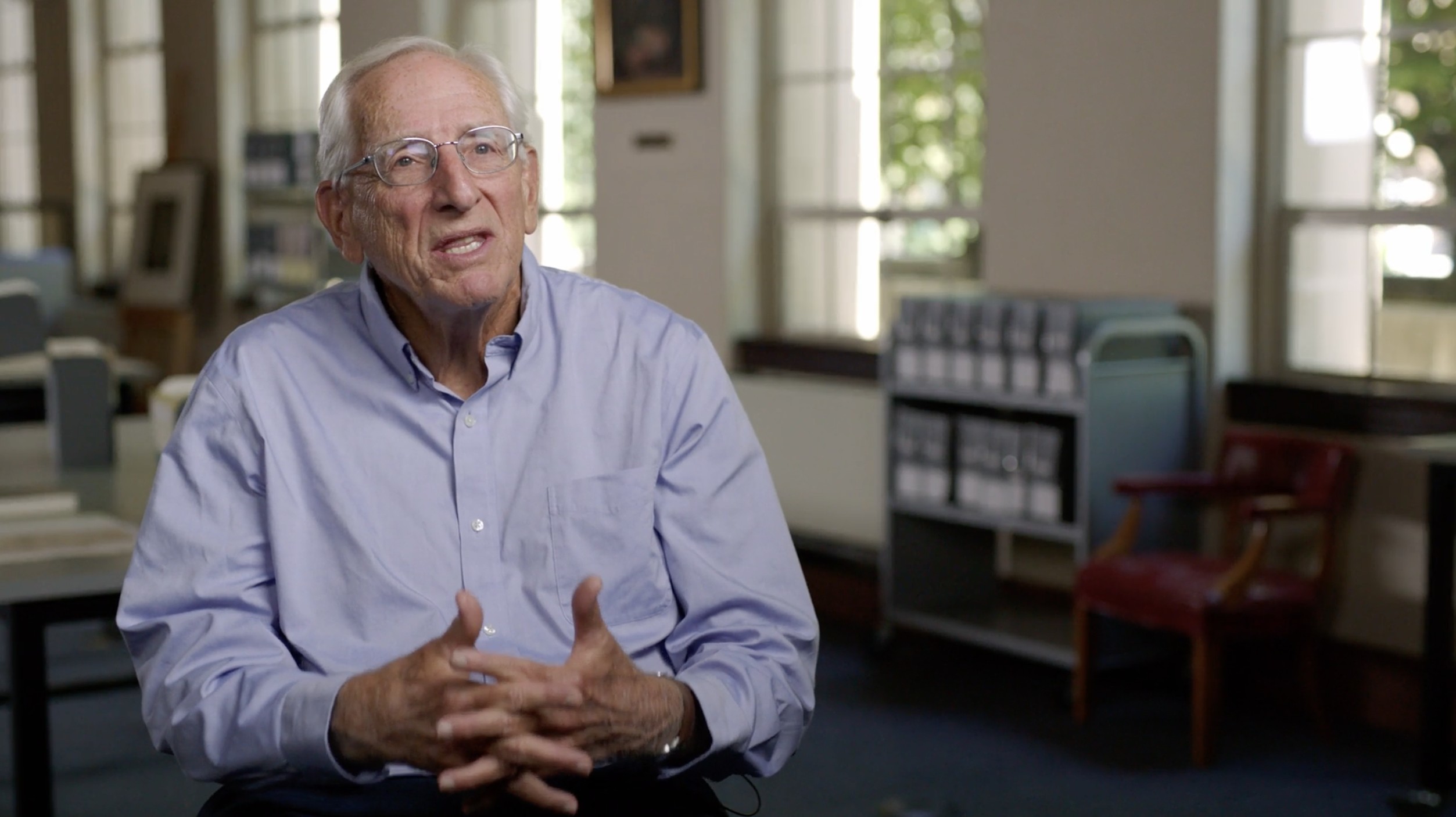
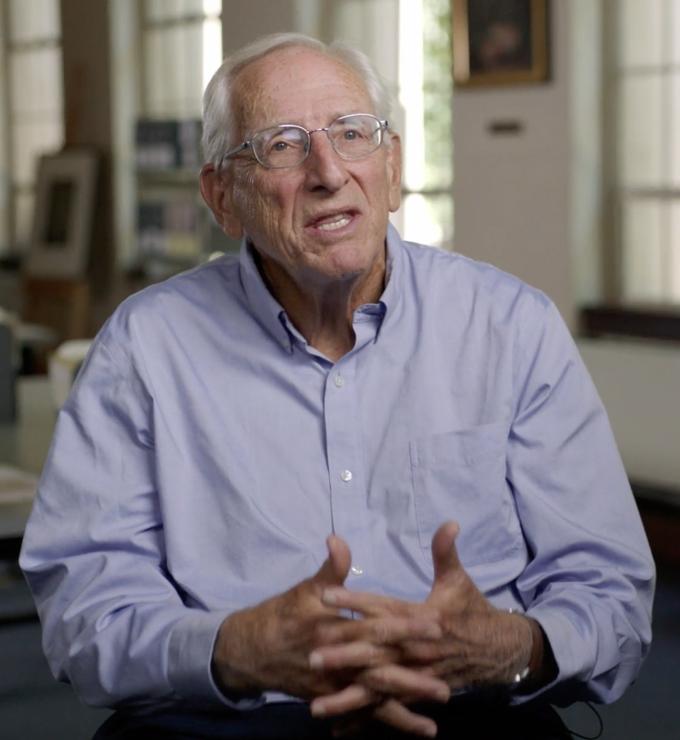
Hoover Fellow Norman Naimark discusses the fate of Poles seized and deported by Soviet occupation forces in 1939, and their subsequent release and journey out of the Gulag. Based on the Hoover Institution Library & Archives outstanding Polish collections. Testimonies of Poles after release and release certificates issued by the Soviet secret police. Thousands of them.
- The testimonies of thousands of polls who were arrested and deported to the Soviet Union at the start of World War II are powerful and moving documents here at the Hoover Institution Library and Archives in Eastern Poland, the Red Army and the NKVD Soviet Secret Police arrested, seized and deported many hundreds of thousands of poles sent in box cars and freight cars into the depths of the Soviet Union. After June 22nd, 1941, when the Nazis invaded the Soviet Union, the situation changed dramatically. All of a sudden, the Polish government in exile in London and the Soviet Union became allies. In July, they reestablished relations, formal relations, and in August there was an amnesty about 115,000, did manage to get out over the Caspian Sea to Iran where they were under British rule. And that's where they wrote many of the depositions and, and questionnaires. The certificates were issued by the NKVD, which was in charge. This was again, the Soviet Secret Police, which was in charge of these camps and settlements. And the certificates then identified the person where they were born, what their date of birth was. The deportees had to use these certificates then to exchange for Polish papers, which would allow them then to leave the Soviet Union. Well, they end up in the hands of the Polish government in exile, and then in the hands of the Hoover Institution. We have about about 10,000 of these certificates in the Hoover Archives, and they're very valuable parts of this Polish collection. These testimonies, depositions, answers to questionnaires, there are 20,000 of them for, for me, are really the jewel in the crown of this London government collection. The reason is it gives us the kind of firsthand testimony about what it means for these polls to have gone through this experience. So we know, we know, for example, how they were dragged outta their homes in the middle of the night, given very little time, you know, to pack up or take anything with them. We know how they were put into these box cars and freight cars and cattle cars. We know the terrible conditions under which they were transported. I mean, the transport itself was part, you know, of the Polish Gha really in the sense that there was no food, there was no water. They traveled for weeks on end to get to their final destination. Many, many thousands died. It was a hell on earth also in those, in those box cars. So, and then they get to where they're going and we see what the experience is, again, firsthand of Polish men, women, children as they experience the Gulag and, and, and they experience, you know, forced labor and they experience, you know, this terrible hunger and deprivation. So we're getting a kind of firsthand view of the, of the, of the really vicious brutality of that system. So you, you feel, once again, you know, the, the man's brutality to man, the man's inhumanity to man and, and how awful this gulag in particular was and, and the Soviet system was when dealing with individual human beings. It's a terrible, awful piece of human history that one needs to keep in mind to, to warn us against the potential of this happening again.
LEARN MORE
- For more about the Hoover Institution Library & Archives, visit our website.
- To learn how Hoover is prioritizing the research and understanding of history, explore here.

