Articles
Tokenization Of Real-World Assets: A Market Taking Shape
Managing the profound change demands harnessing advantages, mitigating risks, and creating careful legislation.
October 21, 2026

Recorded on Zoom on March 27, 2020.
Dr. Jay Bhattacharya is a professor of medicine at Stanford University. He is a research associate at the National Bureau of Economic Research and a senior fellow at both the Stanford Institute for Economic Policy Research and the Stanford Freeman Spogli Institute. His March 24, 2020, article in the Wall Street Journal questions the premise that “coronavirus would kill millions without shelter-in-place orders and quarantines.” In the article he suggests that “there’s little evidence to confirm that premise—and projections of the death toll could plausibly be orders of magnitude too high.” In this edition of Uncommon Knowledge with Peter Robinson we asked Dr. Bhattacharya to defend that statement and describe to us how he arrived at this conclusion. We get into the details of his research, which used data collected from hotspots around the world and his background as a doctor, a medical researcher, and an economist. It’s not popular right now to question conventional wisdom on sheltering in place, but Dr. Bhattacharya makes a strong case for challenging it, based in economics and science.
To view the transcript of this conversation, click here.
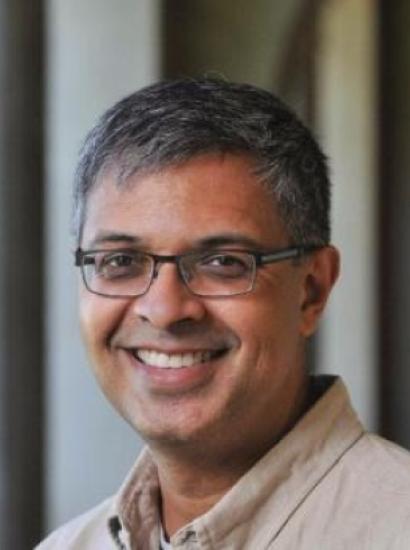
Jay Bhattacharya
Articles
Managing the profound change demands harnessing advantages, mitigating risks, and creating careful legislation.
October 21, 2026
Articles
We asked Medicare policy experts to write up proposals that save taxpayers ~$100 billion over ten years. Here’s what they came up with.
October 20, 2026
Videos
The Fed, inflation, and the economic case for long-term price stability.
October 20, 2026