







Clausewitz famously wrote that “In war, all things are simple, but the simplest task is very hard.” We instinctively apply that maxim to the tactical and operational levels of warfare but ignore it when we face the prospect of strategic action: The fundamental questions that demand crisp answers go largely—when not totally—unasked. In the twenty-first century, the United States has gone to war in fits of pique or moody whimsy. We embrace the first clause of von Clausewitz but brush off the qualifying caution. Faced with grave matters of war or peace, we blithely assume that things will just work out the way we want them to.
Reality rarely cooperates.
For the most-powerful military in history, we bake failure into the pie by declining to pose, let alone answer, questions so basic that the average citizen would assume the answers had been examined in fine detail through war-games, intelligence assessments and common sense. Our leadership at the national level assumes that our military will simply bomb our way to victory (ignoring even recent evidence to the contrary)—and so our decision-makers bash on ahead with whatever it is they desire to do.
We cannot identify the holes in our method because we have no method. Our operationally adept military has gotten out of the strategy business, content to admire its deadly toys and wait on events. But the scorning of serious strategic thought by today’s military leadership—the grumpy anti-intellectualism—abdicates the role of strategic analysis and planning to Washington insiders with little or, more often, no military experience. Nor do those civilians wish to be contradicted in their assumptions by men or women in uniform, further decreasing the likelihood that the most fundamental questions will be asked before the live bombs are loaded onto our warplanes.
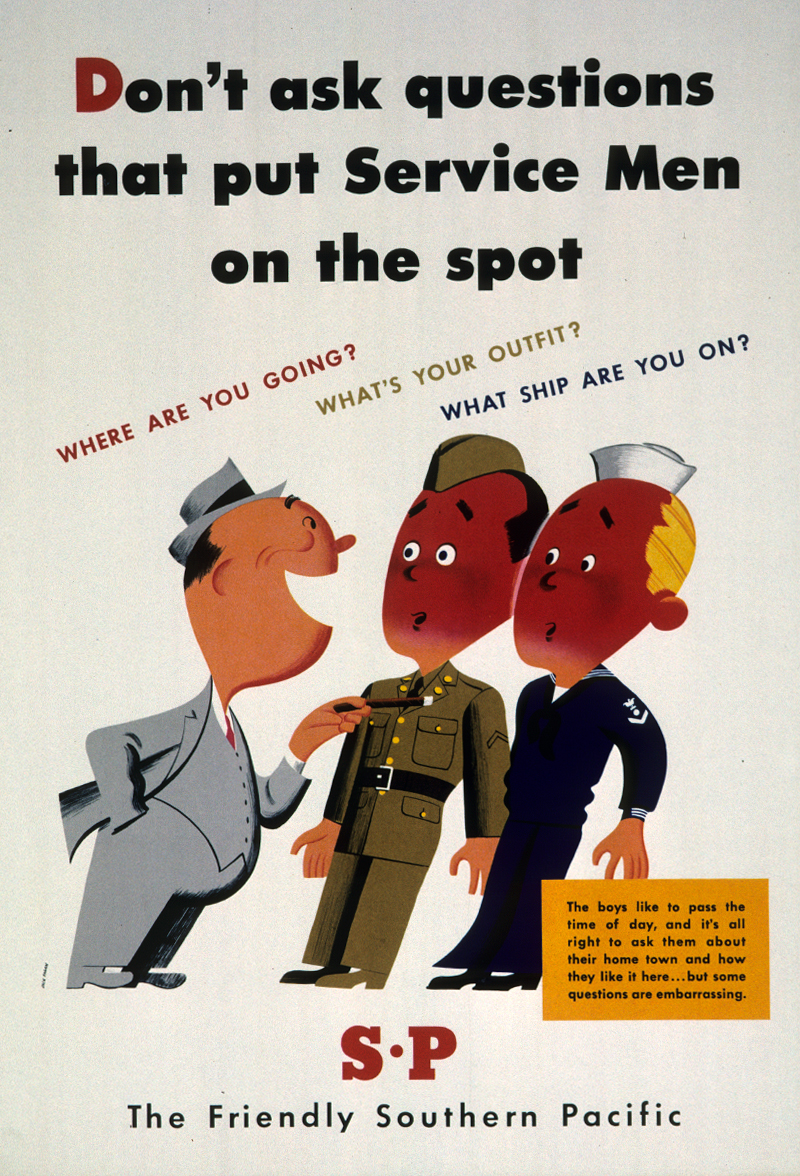
Yet, much pain could be avoided if, prior to launch, we asked and satisfactorily answered three straightforward questions:
- What is the specific outcome we hope to achieve?
- Can it be achieved?
- If it can be achieved, is the result likely to be worth the cost?
In the last century, Desert Storm came close to timely, coherent answers, but in this already tarnished century we’ve blown it every time we’ve gone looking for a fight.
Has anyone in the current administration given any justification for striking Iran that has not been contradicted by the next news cycle?
How on earth can we expect to achieve our goals when we cannot express them? This is, indeed, the crucial test. While the prospective war will always be a complex proposition with a multitude of variables when implemented, we should be able to express our ultimate goal in a single short paragraph—better yet, in one sentence. If we cannot do that, we are not prepared for the twists and turns of fortune war will bring.
And calculated with a cold eye, will our resources—military, economic, demographic, cultural, and metaphysical, provide us with a probability of success?
If we can answer that second question with sober confidence, is the price we are apt to pay in blood, wealth, and geopolitical status likely to be costlier than living with the status quo?
For all of war’s immeasurable complexity, we must be able—and willing—to answer those three questions as honestly as our human failings permit. If we decline even to pose them, we set ourselves up for agony and humiliation. Elective wars are rarely a wise enterprise in any case, but if we reduce our decision-making process to temper tantrums, we—and our put-upon allies—are apt to lose far more than we gain.

