


Events
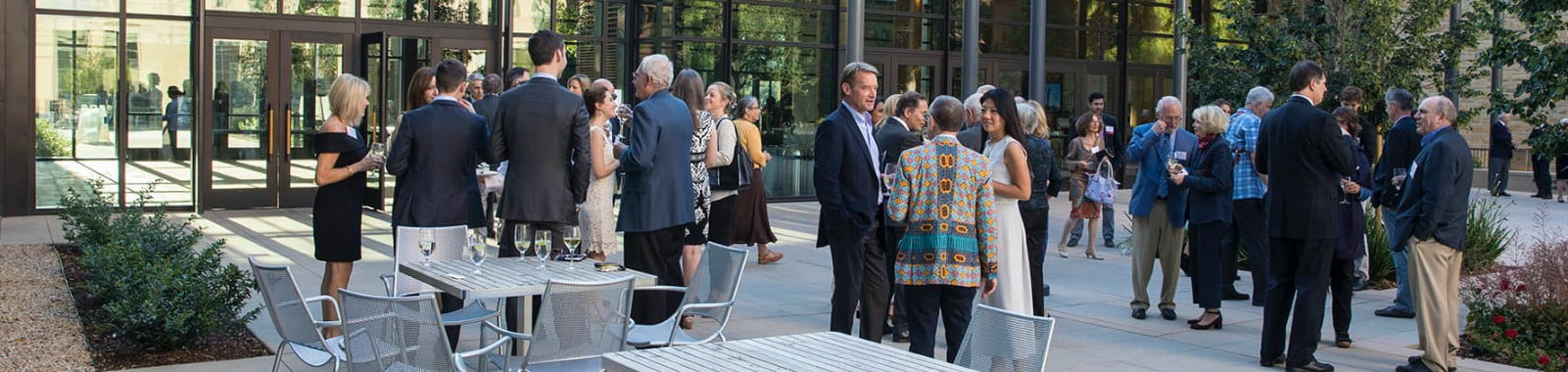
Hoover hosts academic conferences and gatherings featuring talks by our fellows. Policy leaders also visit and interact with the fellows in the Leadership Forum.
/featured/carousel/events
/featured/carousel/events
Upcoming Events
Eastern Europe And Beyond: Photographic Albums Revealed

Tuesday, September 9, 2025
10:00 AM - 4:00 PM PT
Eastern Europe And Beyond: Photographic Albums Revealed
Discover the rich tapestry of Eastern Europe and beyond in a new photographic album exhibition from the Hoover Institution Library & Archives Lou Henry Hoover Gallery, Hoover Tower
Historical Thinking And Democratic Citizenship

Wednesday, April 22, 2026
Historical Thinking And Democratic Citizenship
The Alliance for Civics in the Academy hosts "Historical Thinking and Democratic Citizenship" with Mary Clark, Suzanne Marchand, Jeffrey Collins, and… Hoover Institution, Stanford University
GoodFellows Live | The Constitution: America's Greatest Design

Wednesday, April 22, 2026
GoodFellows Live | The Constitution: America's Greatest Design
Join us in-person on the campus of Stanford University for a live audience edition of GoodFellows, the Hoover Institution’s premier broadcast series… Hauck Auditorium, Hoover Institution
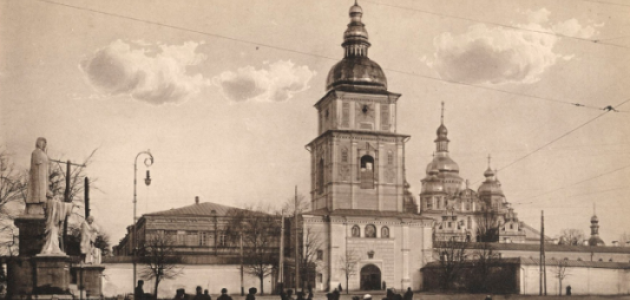
Hoover’s “Photographic Albums Revealed”: Looking Back And Ahead
Thursday, April 30, 2026
12:00 PM Pacific Time
Hoover’s “Photographic Albums Revealed”: Looking Back And Ahead
In conjunction with Eastern Europe and Beyond: Photographic Albums Revealed, the Hoover Institution Library & Archives invites you to a webinar… Zoom
Understanding The Civilian-Military Relationship In American Democracy

Wednesday, May 6, 2026
Understanding The Civilian-Military Relationship In American Democracy
The Hoover Institution's Center for Revitalizing American Institutions invites you to join us for an engaging conversation on Understanding the… Hoover Institution, Stanford University
Powering Global Cooperation: Innovation, Security, & Geopolitics In A Changing Energy Landscape

Monday, May 11, 2026
Powering Global Cooperation: Innovation, Security, & Geopolitics In A Changing Energy Landscape
The Hoover Institution invites you to attend Powering Global Cooperation: Innovation, Security, & Geopolitics in a Changing Energy Landscape on… Shultz Auditorium, George P. Shultz Building
Markets Vs. Mandates: Promoting Environmental Quality And Economic Prosperity
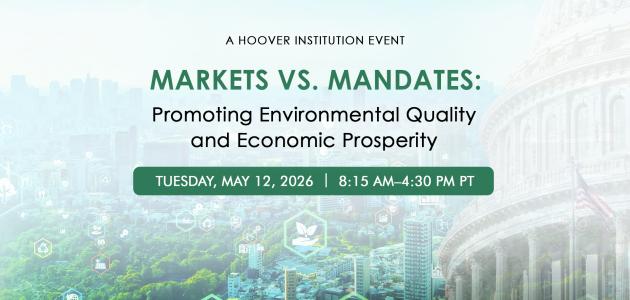
Tuesday, May 12, 2026
Markets Vs. Mandates: Promoting Environmental Quality And Economic Prosperity
On May 12, 2026, the Hoover Institution will host its fourth annual one-day conference on Markets vs. Mandates: Promoting Environmental Quality and… Shultz Auditorium, George P. Shultz Building
第4 回ジャパニーズ・ディアスポラ国際ワークショップ
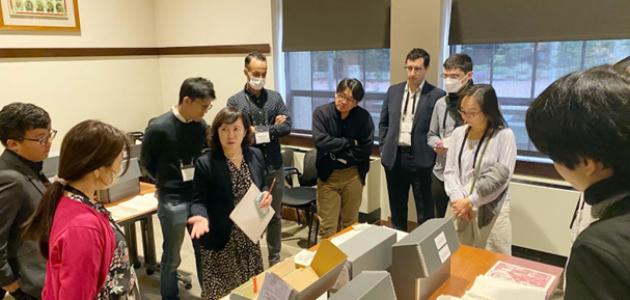
Wednesday, September 23, 2026
第4 回ジャパニーズ・ディアスポラ国際ワークショップ
Hoover Institution Library & Archives, Stanford University
Fourth International Workshop on Japanese Diaspora
Wednesday, September 23, 2026
Fourth International Workshop on Japanese Diaspora
The call for papers is now open. Submissions are due May 18, 2026. Hoover Institution Library & Archives, Stanford UniversityPast Events
Filter by:
BY TOPIC
Date Range
BY RESEARCH TEAM
Additional Filters
Showing