Africa’s Evolving Role In A New International Order
Courted by China and Russia, and dissatisfied with America’s attentions, the continent awaits clarity from Washington.
October 7, 2026
Dr. Elizabeth Economy sits down with Dr. Miles Yu, who served as Secretary of State Mike Pompeo's principal China policy advisor during the first Trump administration, discussing his journey from experiencing China's Cultural Revolution to shaping US policy at the State Department. Yu explains his role in shifting American policy during the first Trump administration from transactional engagement toward addressing ideological differences between the two systems, including elevating human rights and supporting Taiwan. The two then debate whether the second Trump administration represents continuity or departure from the first term's approach, particularly regarding democracy promotion and alliance-building.
Recorded on March 4, 2026.
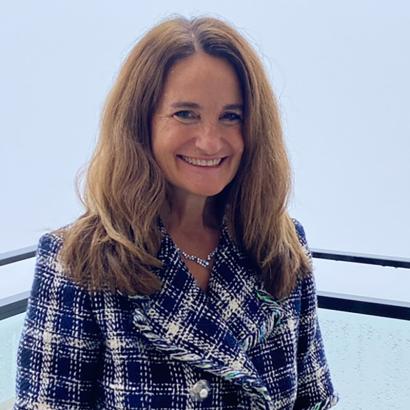
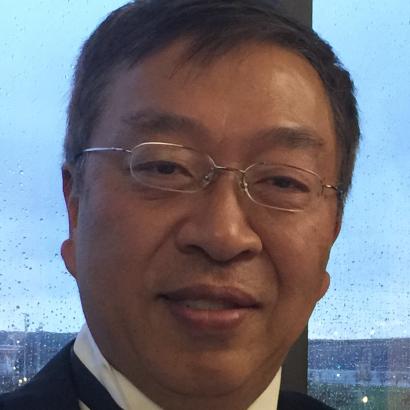
- Welcome to China. Considered a podcast that brings fresh insight and informed discussion to one of the most consequential issues of our time, how China's changing and changing the world. Today, I'm delighted to welcome Dr. Miles. Yu Miles is a senior fellow at the Hudson Institute, where he also directs the China Center. In addition, he's a professor at the US Naval Academy, and most interestingly, perhaps he was Secretary Pompeo's top China advisor during the first Trump administration. Welcome Miles.
- Hi, Liz. Thank you for inviting me and glad to be able to share my thoughts with you in this very unique and modern forum.
- It's really great to have you, miles. So let me start off with a little bit of a personal note or question. You grew up in China in the 1960s and 1970s, and then came to the United States in the 1980s. But you know, in the course of your sort of 20 odd years in China, you experienced the cultural revolution, which certainly is one of contemporary China's most tumultuous periods. How did the cultural revolution, recognizing of course, that you were still, you know, very little, how did it shape your thinking about China, if, if at all?
- Well, actually it's, it's pretty profound. I'm, I'm sure you know, this is not like a Oprah Winfrey level, but the childhood does really affect people's opinion when they grow up and how they look at the world, how, how this childhood memory actually guide their behavior in a way. So you're, you're right, I was quite young during the cultural version, but my parents went through all those sort of, you know, pretty extraordinary periods in China since in the 1950s and and sixties. So from then, I really had the probable sense of this very unique period of, in China's history, it's like somebody went through the French Revolution, right? You see all the violence, you see all this rhetoric, and, and then when the dust settled down and you realize what we have done, what we have seen. So, cultural erosion means a lot of things to me. And I think one of the things that when I, well actually I became quite aware of in a very intellectual level toward the end of the cultural erosion when I was a teenager. So I did witness a lot of things, which is a very fundamentally shocking, in retrospect, prisoners being executed as, as almost as a sign of entertainment for, for teenagers. So those kind of shocking memory also, the, the brutal practice of, of family planning, right? So one child policy, those things actually come back to haunt you when, once you are on a free soil. So, and I think, you know, basically the excess of the state is actually unbelievable when you come to the United States, the government, yes, the, they tax you, but they're so far away, you can do a lot of things that really, freedom means something very concrete to me. So when I first got an inkling come to the United States was when I heard the Ronald Reagan debating Jimmy Carter in 1980 during the presidential election when, when Reagan says something like, you know, evil freedom is lost here in the, in the United States. There is no escape, nowhere to escape to, and this is the last chance on earth. And I wa that was very, very shocking to me. So I came here during the Reagan years and exactly second that kind of, you know, detachment from the excess of the state. And I think, you know, over the years, obviously I did have a very comparative perspective because I live in the United States. Actually, my experience in the United States is much longer than my life in China now, almost double. So I come to appreciate the, the meaning, two meaning of being American, and not just the convenience of the passport for travel, but a model of governance different from China's. So that draw that drew me to not just to live as an American, but also to study what means and my scholarly interest and my research and my fascination with American history, culture, accessories, et cetera. So I might say, you know, without, you know, something like, you know, self-promoting i I, my scholarly life devoted to sort of a not only China study, but also to American study too, that giving a very interesting and I think useful perspective.
- Yeah, I mean, I think it's interesting because some people from China come here and you came, what year did you come actually?
- 1985.
- 1985. So you, you were coming then as a college student or a graduate
- Student, you know, God, you mentioned Yo, I study U2 Liz, because we went to the same school. I came to Swarthmore. Oh, that's your alma mater. So I had a very, very fond memory of my two years at Swarthmore. Very extraordinary, very painful by the way, because it's not like, you know, I originally watched a Robin Williams fascinating movie called The Moscow on the Hudson. Oh yeah. I think he deserved the, definitely deserved the Oscar for some reason. It is about the Russian sort musician defected to New York City. I mean, it's not all about the hunky dory. All of a sudden you become free man and you become free because you upbringing your way of thinking was so motivated in the communist system. When I enter Swarthmore, I sort of in classroom discuss some issues with my American colleagues or college students, and there are free thinkers no matter how incomplete their thinking are, but their own. And I was so formatted over there, that was a very painful realization that basically prompted me to go through two years of very painful, deep programming of myself.
- Wow. And then what did you do after that? So you were there from, that was 84 to 86?
- Well, I was 85.
- 85,
- Okay. So after that I went to this wonderful institution called the University of California at Berkeley, where I, I really, really did gain a new birth of freedom to, to quote Lincoln. So it was, it was amazing experience. I spent seven years there getting my doctorate in, in history. And after that I came to this great institution called the United States Naval Academy, and I've been teaching here ever since. So it's, my life is, is very, very exciting to some, but also it's very boring to me because I just went through with just a very small institutions. Yeah,
- Right. Well, you went from one very liberal institution, Swarthmore to a, to another, I have to say, interesting choices given, given where you landed, which, you know, was in the first Trump administration as Secretary of Pompeo's, sort of top China advisor. So talk to us a little bit about what a day that, you know, I think you were there for how many years? Two years?
- A little over over two years, yes.
- Two years. Right. So talk to us a little bit about what a day in the life of Miles was at the State Department. Yeah, what
- Was, well, I was naturally what
- Was the nature of the position then I wanna talk about some of the substance of it, but I, I, I think people would be interested in just understanding what is it that you would do in that position. And Secretary Pompeo was very, very high profile, of course, and very vocal on China. So talk to us about, you know, what you did, how you shaped his perspective.
- Well, I'm not sure I shaped his perspective. I mean, it's just like two minds just clicked. I was unlike most of the political appointees or even public servants, I was detailed from the US Navy. In other words, Navy still owned me. So, and I was detailed to the office of Secretary of State EO as the, the principle of China policy advisor in the Office of Policy Planning. Policy planning is the sort of a private think tank for the secretary. He can use whatever he want. So it's function of free thinking. Intellectuals basically provide policy advice. But that was not really important to me because my relationship with Secretary Pompeo is based upon some kind of really sort of a intellectual understanding of the same thing. And I was just, you know, bureaucratically housed in the policy planning called sp. But what really is influential, impactful to me is that I represent Secretary of State, Mike Pompeo in the critical chain of clearances. You know, you work in the government, you know, every single major individual goes to the, the, the, this, the leader would have to be clear by a whole bunch of people. So my clearance, I represent, I'm a sp so I represent anything with the s department, represents the secretary. So my required clearance, my okay, is required of everything that goes to the desk of my Pompeo. So that give me impact, influence. And I, I didn't shy away from that, that utility. So basically, you know, I use that also as a several Pompeo is very close advisor on China things. I basically travel with him all the time, unlike most of my colleagues in sp. So, so I know some of my colleagues are getting a little jealous of, of me on that, but, you know, hey, life is not entirely fair.
- Yeah. So what would you say were some of your major intellectual contributions? So you were, let, let's say you, you basically, you were, you controlled the paper, you held the pen for everything on China that went to the secretary. That is enormously powerful and you travel with him, which means that you had his ear, you know, sitting next to him in the car as you're walking from one meeting to the next, you know, I understand exactly what that is, what that is like. So what would you say were some of your, your most important contributions to his thinking or to policy during the time that you were there?
- I think I, my job is not to just teach him something. I mean, he was a CIA director before he came to this state department, and he had a lot of access to a lot of very good analysis about China. So I think one of the major problems in the US policy toward China is perception that work policy. So we deal with China and, and all, but our relationship as if this is just like another policy issue. Policy means how to manage the relationship, how to make things that make sure that things are carried out, executed correctly. So that's why policy varies, depends on different administrations. So the China problem we have had is not a policy issue, it's a doctrinal issue. We do not understand the fundamental intentions of, of the CCP. We don't understand how the Chinese way of conducting geopolitical policies from their point of view. And so those kind of things that I think we're lacking, you know, one of the first thing I did was to compile a quotation. You know, I grew up in the, in the period of the German chairman quotation, so that's all I
- Know. You own little
- Red book, what's called 300 Quotations of Chinese Leaders. Oh, all from open sources by reading Miles star selected works bin works, John Hu works. And for some reason, you know, the, the bureaucrats basically classify, I mean it's, it's all open sources. So, but that 300 quotations all about Chinese leaders since Mao, their views about the United States. You can see there is an ideological doctrinal consistency of treating United States as the arch enemy. Not just because whether we have China friendly part of president or not, not just because United States sometimes have good friendly China friendly president like George W. Bush, like, you know, bill Clinton or has some hostile president, right? Like John F. Kennedy, like Eisenhower like Trump. None of this really, really matters because China, as the very existence view, the very existence of United States as a fundamental threat to this region survival, because America has an enormous inspiration of power upon these people. So that's one reason why it's trying to demonize America. They demonize the system. So we're thinking about basically to change that approach of dealing with China from the policy perspective to one that really about doctrines, about the models of DA of governance. And so this actually is a very effective, and I think, you know, one of things, as a professor in the higher education institution, I, I cannot do anything except that just the teaching courses, teaching seminars, that's what I did. So I had about seven seminars, state department basically for all those people with China PFO portfolios. Some of them even do not have China portfolios. I asked them to read George Kenon to read, you know, mouse Works to read Xi Jinping's works to read doc document number nine. So those kind of, you know, theoretical intellectual understanding of the regime of China and also China's pository United States actually is one of the things that I think I, you know, I'm very proud of. I did another way I think, you know, I can, I helped the State Department was to, to basically, you know, clarify some of the, some of the very specific implementations, for example, on Hong Kong, on Taiwan. And I think, you know, I help Secretary State to implement some of things. For example, I was the person chosen to actually dismantle our special treatment with Hong Kong. So I went to the treaty office and I found out there were 12 treaties with Hong Kong that make Hong Kong very different policy wide vis-a-vis and other part of China. So, and I was the guy who basically dismantled some of them, not all of them, but so, so policy planning is very flexible and a very powerful unit. Small but very meaningful.
- Yeah, I don't think that many people that I know certainly who've served in policy planning played quite the role that, that you played. I maybe you created something perhaps a little bit unique. Maybe the person who heads policy planning sometimes can play that kind of role. But I think for a single person within policy planning to shape things the way that you did, I think is, is actually fairly unusual now. You know, you talked about educating, you know, people, the state department on sort of the underlying doctrine of the Communist Party. How do you think, just then thinking through the Trump administration's strategy toward China, how do you think Secretary Pompeo, you know, you shaped or influenced, you know, what came back at China, you know, from the United States. So you've educated now people about what China's intentions are, presumably what their capabilities are. Then what does that do to us? Policy in response?
- Okay, so we have an excellent dramatic core. Many my colleagues, the dedicated to our entire life to conducting American foreign policy. Those are very good efforts. The problem is that I think they always try to fix things. They try to fix all the problems with the US China relationship. There are a lot of problems. Every time there's a problem, those crisis diplomats always try to fix it. So they try to do the things right. So several poel approach is encouraging that, that's fine, but he's more concerned about how to do the right thing. And so he go back to, to review some of the first principle issues. Like why is that we have to really confine the US Taiwan relationship in the framework of US China relationship. Why can't we just develop a relationship with Taiwan separately, like we develop with any, any other countries. Also on issues of, on issues of governance differences, secretary Pompeo basically deviated away from the transactional approach. He elevated, for example, the religious freedom to the highest level of US diplomacy, creating this religious freedom forum. And this is truly a amazing headed by former governor of Kansas. Simon Brownback did a fantastic job, and also he developed this approach to US China relationship, basically US China relationship under Trump first term, completely reverse the, the US policy with China since Richard Nixon, that is engagement first and forever without really sort of a, a, a result. So Senator Pompeo basically said, we're gonna engage with China, but it's not just a bilateral engagement. US-China relationship fundamentally is a t trilateral engagement that is, we're gonna engage with Chinese government, we're also gonna engage with Chinese people. So that really get Chinese government really mad at him. So, and he doesn't shy away from the fundamental issues of China's human rights. For example, human rights really, really was at the top agenda of State Department under Mike Pompeo. You know, he, he made virtually every distant group in his office, a seventh floor, which has never happened before in the history of the US government. So he met with activist dissident from Tibet, from from Xinjiang, right, from Ong and, and massacre survivors. And on the 30th anniversary of Ian Massacre in 2019. And he, and he asked me to help him draft some kind statement. And that was amazingly moving and long statement. He linked, he saluted the, the heroes of T Square and he linked the, the coming down the Berlin wall to the heroes in Emmen Square both happened in 1989. And it, it's a very courageous statement, and I think, you know, you made the White House a little bit nervous. So because that's, that was at the height of the negotiation for sort of trade agreement phase one. So President Trump did make a call to him and say, Mike, could you tie, tie down a little bit, dial down a little bit. And he probably stopped for about day or two. So go back to a day or two prior policy.
- Yeah, you, you, you preempted my, my question, which was, I think it's clear what came out of the State department was very strong on human rights and democracy, even sort of the more technical stuff, the, you know, was clean networks that was
- Yes. Pushed
- Out, you know, sort of trying to compete with China's digital Silk Road going after Huawei. So with all of that sort of forward leaning momentum on those issues, how did that intersect with the rest of the administration? Did you find pockets of support? Were you out, you know, leagues ahead of everybody else? I think Congress was probably pretty supportive, as I recall, of what you were trying to do. But what was the mix of perspectives and views, you know, coming at it from USTR and, and treasury and other agencies, the NSC and the president himself?
- Well, we have, Andrea, you asked a question, Liz, you know, when I went to the State Department, I was overwhelmed by the realization that I'll be working in the hostile re environment because, you know, the State Department was assumed to be a overwhelming democratic ba you know, in the 20 15, 20 16 election cycle, something like 97% of the donations from state went to Hillary Clinton, not Trump. So I was very mindful of that. However, just after a few weeks, I realized when, when it comes down China, pretty much everybody I encounter was, was on board. There was no qu whatsoever from a State department point of view. So I think, you know, it has something to do with the leadership when the nation was publicly consumed by Russia, Russia, Russia, state Department, you know, it's all China, China, China. That's, that's a message very clear from Pompeo, from Secretary of Pompeo. As far as the other government section concerned, I, I've been to several, many like White House PCCs, the policy coordination committees. I think, you know, it's overwhelmingly on board. There's a very few dissonance except treasury. I'm not sure USTR is actually against us. I think USTR is pretty much on board. Their concern is about, is not to derail the, the trade talk. Other than that, you know, intellectually they're with us. Treasury has a very different role to play, as you know, their job is to, to maintain the stability of the dollar. So they're worried about the, any kind of a rocking boat between China and United States might really have negative, negative impact on the stability of the dollar. I don't think that's necessary. But in the end, let me just frame this in a larger perspective. The predominant geopolitical strategy of Trump administration is deterrence, deterrence, deterrence. So that's why you have to make deterrence is a matter of perception. That perception has to come from your consistency, a credibility of deterrence. So when China, when Trump President Trump says something, he carried out that deterrence. So that's one reason why China really sort of internalized the American's deterrence resolve. This is the reason why there is a virtually no provocation, cantankerous action by China, either over Taiwan Street or in the South China Sea. So this is why that is very stable. So I don't think there is a really a, a problem of split government in the Trump administration. Number one, there are a few people who would disagree with Trump policy, but mostly that's right after, to the very end, very end. That's like after January 6th, a few senior officials sort of resign, right? But on China policy, as you mentioned, as you mentioned, and the Congress, Congress support is almost a hundred percent. You know, don't forget that the overwhelming mood of the nation since like 2017 until this very moment, almost 10 years later, has always been very negative on China. I, I, I've seen p polls and, you know, gala polls on China, the popular sentiment negative of polling on China is around 80%. That's very, very high for Americans to agree on one country that is to that degree, that was pretty amazing. So I don't think there is any kind of a dissonance in a very meaningful way as far as I experienced.
- So talk to us about what's going on with the Trump administration today, because the policy seems to be quite different. I think the administration has said outright that it has a quote, non-ideological foreign policy. The sort of idea of an alliance of democracies is not discussed at all as far as I can tell. Even sort of stalwart supporters, traditional supporters of democracy, and I would say strong China hawks like Secretary of State Rubio, you know, are much quieter than I think many people would have anticipated. What, what's different this time from last time, would you say? Or, or do you reject my characterization that there is a significant difference when it comes to the priority placed on human rights and democracy by the second Trump administration from the first Trump administration?
- Yeah, I don't think there is kind of a disruption or even reversal of China policy during the first and second. You know, there is a larger strategic outlook and there is a specific implementation of the out outlook. I think the, the United States fundamental shift of our strategic focus took breath in Trump's first term. That is basically codified in two documents published in December 27th, 2017, and also January, 2018. One is the national security strategy and other one is national defense strategy. In those two historic documents, United States redefine China's role in American's a threat priority list. We are designated China as a number one threat to American's national security. That is a fundamental shift in American's geopolitical strategy since time of nut Nixon you might say. So, you know, if you, I'm a historian by training, so I might even want to go back to like the time of Pearl Harbor when Japan bombed the United States, United Pearl Harbor, think Americans, you know, battleship of flee ever since that moment. United States policy, oddly enough, has always been your first Asia second. So with the nato, with the, you know, cold War later on, there's a Middle Eastern, you know, in, in Brazil, all that, despite Americans war in Vietnam and in Korea, American strategic focus has always been outside of the Indo-Pacific, outside of China until Trump's first turn. So I think that's historic. Now, we have said enough about ideological differences during first term. We have said, en said enough about all those, the, the value based differences between us and China. The second term, however, is very different. I think that strategic focus, China being the number one national security threat has never changed. It is just how to approach, how to deal with that. I think this is basically, I would characterize a second term from the Trump, Trump administration's approach to China. That is, they reduced the amount of rhetorical hostility toward China because this is no longer necessary. You know, structure said, if you wanna change the nation, you must win the argument first, and then you implement the policy. And I think the first term was about winning the argument. We already won the argument, China was the American number one enemy. Second term is how to implement those. And I think the second term, the Trump administration overwhelmingly focused on specific actions. For example, kick the US Chinese inference out of Latin Western Hemisphere and to deal with Greenland and Panama Canal and also imbalance of trade, right? Tariffs. And I think, you know, and also debilitating and mitigating China's proxies in Latin America, Venezuela in particular, and Cuba and now in Iran. So all the things were specific implementation of China's of Trump administration. The first strategic shift, first on the first term. So I don't see any kind of a fundamental reversal of anything. It's just approach different, it is regrettable that we voluntarily dismantle our tools of soft power radio, free Asia, voice of America, national do democracy. But I think, you know, it's coming back, it's coming back. I mean, I just regarded that that move unfortunately as a malign inference from Silicon Valley, from Wall Street. And I think gradually the congress is, is is giving the money to those institutions gradually the America as a country with the enormous civil society resilience is coming back. So I I, I'm not terribly worried about that, but I think, you know, there is a intrinsic connection between the Trump first term and Trump's second term in when it comes to China policy.
- Yeah, I mean, I, I guess I would say first of all, they, they didn't dismantle the National Endowment for Democracy. So the, the funding is supposed to be there. They're just actually Aren releasing the, the money, but they didn't dismantle it. But radio free Asia, you know, and radio free Europe and Voice of America, all have, have suffered, have suffered more, and I think have even maybe at least one of them has been sort of fully almost dismantled. But I, I think, I mean, I don't wanna push back a little bit here, miles. I do think that there are some pretty fundamental difference. I think saying that there is a non, we have a non-ideological foreign policy is fundamentally different. The fact that there is no effort to find common ground among democratic allies on the basis of our being democratic allies, I think is also different, right? There's very little, we're not working together, for example, with other countries to deal with China's export of its over capacity, right? Europe has come to us and said, will you do that with us? And we've basically said, no, you know, we've told Europe, you know, certain European countries not to mess around in the Indo-Pacific, you know, focus on your own backyard. I don't think that that would've been the case in the first Trump administration, right? Greenland, I mean, I think you and I both know that if we're looking for areas of real Chinese influence, Greenland is not really at the top of the list and Venezuela is not a proxy for China. It, you know, does, you know, China gets some oil, China does infrastructure investment. It is an important for know creditor, but it's not, Venezuela is not a proxy for China. So maybe I take a little bit of issue with the, the lines of continuity that I think you're, you're drawing. I think there's much more of a, of a, of a, of a rupture than, than not. But let me, let me say, I, I could, I would say that where I agree with you, I think is that I think this Trump administration continues to see China as, as a maybe the number one competitor to the United States when it comes to technology, when it comes to security, when it comes to our economy. So I think that remains the case, and you're right, that the rhetoric around it has, has changed pretty dramatically. But I also think the way that we're approaching China has changed because we're not doing it in the same way.
- Okay. So I I, you know, I I take your point. I, I take your point, but I'm not sure I'm comfortable with the idea that Venezuela is China, not China's proxy. I'm not sure if Greenland is not, China's is not the China focused, you know, Trump tweeted about Greenland in 2019, and he said this is about China and not to pay attention to, to to that, that's because of this, this calculation about, you know, China's, you know, if you look at the China's ICBMs, they're gonna hit the west coast. They mostly the launch West coast, they're gonna, their, their missiles will, will fly over Alaska. That's where our, our interceptors are concentrated in. If you don't want to, to hit the East coast from Boston to Washington DC or New York City, so they would have to fly over the Arctic region. That's where agreed, that's where, that's where you have to have the early warning systems installed. So, I mean, this, this, this, this is why, this is the argument Venezuela is, you know, Venezuela is totally in China's pockets. And Venezuela, you know, you know, there, there's only country in the world that's trying, is talking about Monroe doctrine. It's not the United States, it's China. China wants to talk about Monroe doctrine because China wants the United States is inference limited to West Hemisphere. The, and that's why saying,
- Oh, miles, come on. Before the election, before the election, there was an enormous amount of talk by members of the administration, soon to be administration about spheres of influence, that the United States is gonna have a sphere of influence, sort of orientation. Yeah. So
- Yes, that's, I I agree, right? That's, that's, that's because China has established their spheres of influence in Westminster already. So, I mean, yes, okay, so Maduro owned, Chi owned China about fif $150 billion of debt. So Maduro's son is study in Beijing, and La Venezuela is the only country, the the Chinese military has a footprint. They provide not just the minority
- Small project, a small
- Project, not to give the, no, they, they're training ral jungles every year. They provide the jets over there. So, because Venezuela wants to have, you know, basic of China wants to, to prop up Venezuela as the, as the sort of the Iran of the Western hemisphere. So this is, this was understanding, I, I don't think, I don't think, you know, the, the connection between Venezuela and, and, and China could be discounted. And I think that's, you know, oil, yes, oil is not risk significant. Venezuela's import oil import to China, 4%, 4%, 4%
- Of China's oil. I know. Got it.
- But, but, but Venezuela's oil, overwhelming majority of them goes to one country. That's China. So that's, that's basically it is the issue. I don't think, you know, the inference is really the main focus of this administration. They want to keep this control of Western Hemisphere out of Chinese inference, definitely. But I don't think United States is really confined to be the most influential country in western hemisphere, United States basically is global power. They want to keep West Hemisphere free of Maah influence, so the US can lead globally. That's my take.
- Okay. I mean, I, I I will, I will say it, it was reassuring to me that, you know, in the national security strategy, the Indo-Pacific did, did come in number two. Now, you know, in terms of the sort of order of importance after the
- Western, what, what's number one?
- Western Hemisphere was number one.
- Yeah, well, what I'm saying is China has a market in the Western hemisphere, they'll capture so many.
- If you really wanna look where China has the, the deepest sort of tentacles you would and, and the reach, you would look to Southeast Asia and Africa before you would look to Latin America, and you know, Brazil plays, you know, anyway, miles, we can get into a big discussion of this,
- Lindsay. I don't, I don't think this is probably, we're gonna have this argument for a long time. Yeah, I don't think, I don't think national security establishment in intelligence defense establishment even, I don't think, you know, Latin America is really secondary to China. I mean, you look at our, our efforts in Indo-Pacific, our entire approach to global issues from Ukraine to, to Iran, to, to Venezuela, all China related. So western hemisphere is important because the Western hemisphere in American backyard, that's where we have to deal with the first starting with Panama
- Canal. Yeah, I'll just say last point I'll make is that Western Hemisphere is also important to this administration, I think because of immigration and because of drugs, right? So I think if you had to ask them what the top two issues were for, for the Western hemisphere, I think they would say those two before, you know, proxy concerns in
- Latin. Yeah. Also, also in Latin
- America, China proxy concerns,
- Who's a, who's a descendant of, of Western hemisphere ancestry. Yeah.
- Okay. So let me, let me just switch gears a little bit here. And you know, one of the things that has happened as a result of your sort of tough policy, your outspokenness, is that China has placed personal sanctions on you, right? So you cannot travel to China anymore. Were you surprised by that? Have you tried to, you know, talk to the Chinese embassy or the Chinese consulate about this? Is it problematic for you, or does it not matter?
- No, not at all. It has zero impact on me and on the way I behave, on the way how I think. No, I think the, it is typical Chinese intimidation campaign, and it is not working on me because it truly is a badge of honor. You know, Liz, as you know, I have many friends who are, who hold the same view. I'm not a really extremist by any chance. I mean, I have so many people who, who are mad at me because I, I'm just as radical. Well, not as radical, as outspoken as you are. How come you got a sanction? I'm not. So I want that honor. So this is a, this is truly an honor. Another thing is, you know, this is a very interesting side story here. The Chinese government has sanctioned me twice. The first time is right after the, the, the, the Trump administration ended. Biden King came in, and I was not named, but there are 28 of them are named, and or 20 of them were sanctioned by only 10 of them named publicly. Second time around, they sanctioned about three years ago by name. And, and because it's a counter sanction against American sanction on the, the Tibetan party chief, the gentleman by the name of, ah, You know, the funny thing is that party secretary last year was convicted of corruption. He's now spending in jail for a life term. So sentence. So I think the Chinese government owes me an apology.
- I wouldn't hold my breath, but
- Either, either way, you know what, I don't give a damn.
- Okay. Okay, fair, fair, fair, fair enough. So I wanna talk a little bit about Taiwan, because you've been very strong on this issue, very vocal. And you've talked about, talked about the importance of Taiwan. How, how do you think about the importance of Taiwan? Why do you think it matters for the United States? And how do you think about sort of the Trump administration, this Trump administration's approach to Taiwan? What do you see as the strengths and the weaknesses of how it's approaching Taiwan? So first, your own perspective on why Taiwan matters, and then how you see this administration's approach.
- Taiwan matters not only to the United States, but to China too, and to Chinese. I think a lot of theatrical side of that, because China always needed a permanent enemy. They need a crisis. And every time there is an internal problem, they, they sort of problem the Taiwan crisis. So one after another. So this was basically open state, the by Mao, and then by then, and they've been all, all along. You know, it's been all along. Taiwan also is a real issue, though Geog is a geopolitical reality because China perceived itself as besieged contained by a imperialist imperialistic conspiracy related by the United States. So that's why it is unfinished revolution for China. You know, people keep saying, oh, this is a civil war, you know, result of civil war, it's nonsense. In China, nobody called that war, civil war, and they call war of liberation. So Chinese communist party still has this mentality of liberation. Taiwan, they now sugarcoated as a reunification, which is also is a funny because Taiwan has never been ruled by, by, by the PRC. So there's no unity in the first place. How Kong you reuni reunify. So another thing is, you know, Taiwan is a very different now than say 1970s and 1980s. Taiwan is a fullblown democracy with a very successful governance model of democratic capitalism. Taiwan's, you know, personal GDP has suppressed that of Japan and South Korea. It is doing enormously well. And it commands the key sectors, the key links of global economy. Without semiconductor, you know, industry, the world economy will come to the halt. So different. Taiwan now also is definitely the defense of United States, a self-interest. So I think, you know, there's enough Taiwan, US economic technological integration now. And I think, you know, this is a, a very important thing. Now, Taiwan is never just about Taiwan from the grand strategy point of view. Taiwan is just the first of the chain of aggression for China. You know, if we give up Taiwan, China may go after Japan, India, Vietnam, Philippines, and South Korea even. So, there is no end for this. So that's why you have to stop the aggression from the beginning, the first step. So that's why defense of Taiwan is very, very important. And I think, you know, that's just having said all that, of course values, alliance confidence is all important. And I think, you know, China knows this. And you know, the, that's why US policy toward Taiwan has firm, I'm glad it's firm and I don't think anybody is, is willing to, to give up on Taiwan's defense. And, you know, I'm defending Taiwan not just as somebody who, who chair, who cherish liberty and freedom, but also as American, I think is in American's fundamental interest to have a pro Taiwan policy.
- And what about how this administration is approaching Taiwan? What have you heard that reassures you? What have you heard that concerns you? What do you think they're getting right, or maybe not quite so? Right.
- I think they're doing, doing the right thing. I mean, I think, you know, we have this, we have, you know, even though it's an unofficial relationship, but I think we have given Taiwan really substantive essential self-defense weapons, you know, from high Mars to parties to, you know, you know, standard missiles and a lot of naval and intelligence and long range radar. So all the things Taiwan needs for self-defense, it's, that's lawfully compliant weapons we have given Taiwan. So in addition to, to that, and I think, you know, we have a very robust economic and technological integration, you know, during the first term of Trump administration, the Congress, and also I do the, the, the Biden administration. A lot of credit too, because that kind of trend continued. The Congress have passed so many Taiwan related acts, almost unanimously, every single one of them. Taiwan Travel Act, Taiwan Insurance Act. And the President Trump and President Biden sign almost immediately without any qum. So that's actually a very good com show of Americans commitment to Taiwan's defense. And I think right now you have a, you know, Taiwan Americans in Taiwan, you know, this is what a IT you have a very good team there. I mean, you know, director Ray Graham is friend of mine. He's doing a fantastic job, very proactive. And I think, you know, Taiwan's democracy, Taiwan's, a future is of course in the hands of, of Taiwanese people themselves. But to a larger degree is also the, the obligation I would say of the United States because we have a very long standing relationship with Taiwan, you know, since 1949 for during good times and bad times, regardless, you know, we want Taiwan not to be taken by communist China. So that policy has sustained and, and has flourished. And I think, you know, the, the, the, the, it has full back in American people as well. I mean, I was, I was reading a, a recent poll by the, by the Reagan Institute saying, in the case of China, military takeover of Taiwan, would you support Americans American recognize recognition of Taiwan immediately, something like 67 to 70% say yes. And I think, you know, I originally participated in a debate hosted by TBS in New York City, and the argument they, the, the, the, the, this, the question was it, is it worthwhile for Americans to, to fight in Taiwan against China? Well, it actually is worthwhile to sacrifice American lives, to defend, to defend Taiwan. And I think, you know, my view of course was yes. And I think, you know, 57% of the audience in the immediate poll agree with me. So, and I think you can see that America, you know, they are, this is democracy and I think the public awareness is there, which comes to the issue, I think in probably we should have said a few words about strategic ambiguity. This is such a stupid idea. It's not only stupid, it's also very dangerous. This strategic ambiguity came out of the 1990s. The, the height of engagement. It's basically a soothing, self kidding scenario that basically says, if we don't tell the Chinese what, what we're gonna do are we're gonna get involved militarily in case of Chinese military in much of Taiwan. And then that will serve as determines, determines factor. There's a total nonsense. There's a zero, there has been zero deterrence factor. Nobody in Chinese high command has ever believed for a second the American will be ambiguous about the defending Taiwan. Whether this is true or not, but that's what they mean, you know, deterrence really is a matter of perception, as I said earlier. So there's no deterrence fact, you know, if effect whatsoever. This, and plus the, this, I said the strategic ambiguity is dangerous because it constantly provoke China to do this very dangerous, cantankerous dangerous moves just to test American's bottom line. Because they want to make sure America is really, really ambiguous or not. That's why I see this very dangerous and pernicious Chinese reaction in the aftermath of Pelosi visit is the unfortunate result of the strategic ambiguity practitioner.
- But miles, miles, I have to stop you. I mean, there's been one president who's been unambiguous, and that's President Biden, who four times said that the United States would come to the defense of Taiwan. So the, I'm not sure that the strategic ambiguity was the, the least amount of strategic ambiguity that's existed in the past few
- Decades
- Yes, yes. Has been during the Biden administration.
- Yes, yes, yes, yes. But I totally agree with you. But Biden administration wants China's corporation. Many issues are vital to the interest of democratic party climate, right? All the things China knows, this is, this is the leverage they have. So that's one reason I think you're absolutely right. I give President Biden enormous credit for saying on four occasions that we're gonna get this. But that is no surprise for the Chinese, every president either openly said or not, they know this. So that's why I'm saying this, you should not give any ambiguity to China. Taiwan must be defended by America, period.
- You know, so miles, I mean, I think if, if, you know, if there's a, a president that has been the most ambiguous, I would say it's President Trump in his second term. And the fact that they, they, the administration didn't permit the transit, that they hit the pause button on the arm sales, they never, ever talk about the importance of democracy with regard to Taiwan. In fact, I had a senior Trump administration official say to me explicitly, you know, well, it's nice that Taiwan's democracy, but that's not what is important to us. So I think, I think there's maybe a little bit more of a shift in this administration than maybe you're acknowledging when it comes to Taiwan. I think ambiguity has increased. Again, I don't disagree. I think Secretary Hegseth has been pretty direct. I think Secretary Rubio has been as direct as he can be, but I think the president has not, and other people around the president have also not.
- Yeah, that's right. That's right. You know, the president has said, you know, he's friendly with the Ner Putin, he's a red with the Kim Jong, he's friendly with Xi j Pxi jining. Yeah. I mean, nobody should take that as, as face value. That's his approach, right? So, and, and I think, I think, you know, it's a, it's a very interesting to notice that while or we're saying all these things, the Chinese knows that we're business, we're mean business. Look at the buildup in Indu, Paycom, a OR look at the, you know, the alliance building along Chinese periphery. And look at the, the weapons we sold Taiwan, it is really substantive, is
- We haven't sold the weapons, we've sold them, but we haven't provided them. And we hit the pause button on the most recent ones and we hit the pause button. We
- Provided them, well, they bought, they bought, you know, har missiles. We deliver an unprecedented rate recently. Americans manufacturer weapons manufacturing is, is in high demand. So that's one reason why, but we're speeding up. I, I think, you know, not only that the Congress has given Taiwan free money. They give Congress on a yearly basis. They give free money for self-defense for to three countries, Israel, Ukraine, and Taiwan, even though Taiwan is smaller. But that shows that, you know, there's national result. President Trump has never vetoed any of this stuff. So what I'm saying is there are different leaders play a different role, you know, diplomats and defense officials, they are for real. And I think they're doing really, really good things. And the president as a leader, his job is to avoid ev at all possible at a minimum cost for the United States Connecticut direct conflict. You know, if you can, now I'm also want to say one more thing. Wait, wait a minute, miles, seriously,
- President, the, the president's top job, the president's top
- Job is to employ conflict. I know it's top job. I'm not defending anybody. I'm just saying what I, what I know.
- I'm just saying it's a little ironic given that we are, you know, bombing, you know, Iran right now. So I'm not sure that's the, the president's top, this president's top job, but yeah,
- Well, I, well I think the Iranians connection with China is, is absolutely essential. So I think that's all China related. President Trump has a, has a very different approach than most president that is, he is gonna negotiate, but he is also is perfectly willing to walk away from any negotiating table if the deal is not to his. Like, so, you know, he deal with the Kim Jon for three years and he didn't like it fi finally he walk away. So in other words, you don't want your, your, your adversary to know you are told psychological depending on them. So that's one reason I think that President Trump is playing that game. I've seen this again and again and again. So I've given him some, some, some, some, you know, some, some space because he's elected leader. I mean, whether right or not, I mean, he's commander in chief. So I think, you know, some of the things that I would prefer a different approach. But, you know, I'm not the president, so I'm just,
- Okay, so let me, let me actually push you on that last point there and then, we'll,
- I knew you would Liz
- Tie things up. You gave me the opening finally. I've been trying to get you to say something that, that you might disagree with with the administration's approach. So maybe you could just say a couple of things that you would maybe do differently with regard.
- Yeah, I said already, I mean I regret that the administration's stance on dismantling the tools of soft power.
- Okay.
- So secondly, I also believe right now, you know, one of the things that during my time at the State Department is that we almost completely get rid of all the lobby inference, particularly from, from people like Henry Kissinger, you know, all these lobbyists. They are so harmful to America's policy making process. So we get rid all of that. I think now the inference of Silicon Valley lobbyist and the inference of Wall Street lobbyists is creeping in to the demonstration. That's very unfortunate. I would really, really warning if I had the chance you, the President Trump, to be, to be careful because those were profit minded people. They are like either, either the Silicon Valley geeks engineers, they view the whole US China relationship as a matter of just pure science. In other words, there is no border, there is no systemic restraint. So that's a mistake because you are dealing with adversary can who can use your technology to destroy you. So we're trying, if if we continue this, this, this, this road and I think it is, is a Silicon Valley engineers and Wall Street, you know, hedge fund managers, they're going to basically lay the foundation for our own demise because we are creating the Frankenstein of our own making if we are not careful.
- Yeah, I mean I think the, the last point is a good one. I think we probably wanna acknowledge that there are differences among and within these communities. So you do have, you know, the difference between, you know, the head of Anthropic Dario Am right? And, and some of the other AI people I think is quite substantial when it comes to talking about the sort of security challenge that China presents. I think some people in AI and tech are much more national security focused. And that's also true with hedge funds ma managers. 'cause some of them actually have developed, in fact, what is the Deputy Secretary of Defense, right? Because I refuse to call diversity Secretary of War, deputy Secretary of Defense, I believe, you know, is, is a, a hedge fund manager who had a, a fund that was specifically targeted to assisting in sort of US national security endeavors like investing in bases in the Philippines. So I think there are people in both communities who do have sort of the national security of the United States at heart. But I agree with you, we've seen a lot of other influences that have been driven primarily by profit with less of a, a concern or less of an understanding of the implications for us economic and national security and, and that that has been detrimental. So, okay. Let's, let's wind up with the last couple of, of quick questions. You know, you've, I think you've kind of given me a sense of, of what you might advise the Trump administration to do. But if you had the president's ear, you know, for an hour, what would you say, I'd really love to see you do this? President Trump.
- I think he should insulate himself from this, you know, Twitter experts on China, particularly people like Tucker Carson, people like, you know, Jeffrey Sachs, all those guys, they were just very dangerous people to America's national security and they have some influence over there. So that's one thing I would say. Secondly, I would hope Trump would make some very speech strong speeches. I mean, I mean, in my lifetime, at the first term, my time in the first term, I think there are two speeches that really stood out that was tremendously popular in the influential one is given by President Trump when he went to the parliament of South Korea. He gave a very passionate speech about the meaning of liberty and democracy that really redefine what North Korea, what South Korea is. And that was a very powerful speech. So at every state of the Union speech during the Trump first term, he brought up North Korean dissonant. So those are very inspiring. My second speech, of course, was given by p by Secretary Pompeo in July, 2020. And I was directly involved in Na speech. He delivered that the Nixon library in California. So, and na speech was very monumental in sort of defining what the, the real meaning of us China rivalry was all about. It's about freedom, it's about, you know, fundamental difference of, to governments. I I would think that Trump definitely has the capacity to, to do that. Unfortunately, I think Americans are partisan bickering is so strong that the administration is, is sort of consumed by that. And I hope they're gonna get out of that and to focus more on the larger issue dealing with China. And also I think, you know, even though he, he already has so many jobs, I think Marco Rubio should be the director of President Trump's speech writing team.
- Yeah. He does have so many jobs. Poor man. Yes, yes. If, if Marco Rubio could be the director of his speechwriting team and actually say what Mark Marco Rubio believes, I think that would be great. So, okay. And, and what about a book or an article that you think is particularly important for our viewers to, to read sort of really informative about sort of China or US-China relationship in this moment?
- Well, none of the, yeah, that's a very good question. So, you know, you know, you are like, you recommend one of your own, you, you both, both in the very deeply in the China watching business. You know, I normally, I have a healthy, healthy dose of disrespect for people who write China books, to be honest with you. I read them and, but I don't take them seriously because they don't not have this kind of perspective that I would prefer some of them terrific. Some of them terrific. I mean, because, you know, as you, as you see, you know, this American intelligent is deeply sort of specialized. People are anthropologists, economists and historian. Each one of them carry this sort of disciplinary perspective, which is very limited. So, so let me just recommend the two books, one book and one article that have related to China, but also is intrinsically related to China. One is a book called The Witness by Whitaker Chambers.
- Mm.
- So, and it was amazing book about his transformation, his, you know, he was a Soviet agent.
- Yeah.
- And he saw the light and he became the key witness to alter his betrayal. And it was very controversial book, but he wrote the book for his, for his children. It was really, really amazingly powerful and, and intellectually honest and also intellectually very powerful. So that book, I would like to recommend anybody who try to understand the true meaning of communism, true meanings of America. And that's really important. An article I would recommend, again, it's not about China, but it's also related to China, is George Ken's famous article. It's called Source Sources of Soviet Conduct. We are really wi witness the exactly same kind of situation right now. In 1947, the nation was befuddled by the reason why the Soviet was so aggressive. They were in the, the central, central Europe. They were in the Mediterranean and everybody said, eh, Soviet Union had the legitimate concern because they wanted to build the sort of buffer zone to prevent another ba rosa operating bar Rosa. And also they want to have their own sphere of inference. And, you know, George Kenon came out and said, no, this is all nonsense. The reason Soviet Union has to conquer, has to invade others because its ideology demands. So, because communist ideology requires constant thrill of Congress and success and triumphs to sustain the myth that communist party is invincible and infallible, that's exactly what Chinese Communist party is. Now it's driven by communist ideology. It's try to instill to the hearts and minds of Chinese people that the Chinese Communist Party is infallible and is invincible is. And so this is why China is very aggressive and very, very provocative. It's a challenge to not only to the neighborhood, but also to the globe. And this has everything to do with the Chinese commons ideology. So I recommend that everybody read that the George Ken's sources of Soviet conduct. So we cannot just be consumed by studying the conduct itself. Of Chinese Communist Party, but also to understand the sources of it. So that's why I make these two recommendations.
- I think those are great and, and, and very unusual recommendations. I just can't resist asking you, do you think that the Chinese Communist Party is persuasive when it comes to its ideological campaign with the Chinese people?
- No, I mean, but the, the party has a key to the prison, so you cannot really escape that without the key being sort of using, used to unlock the, the gate. I think, you know, there is enough power to persuade portions of the society to believe in the party. You know, the old Ladies of neighborhood committee, you know, those guys, they believe in that because they have no access to other information source. And I think one of the most amazingly successful Chinese Communist Party information control is not to control the access to information. It's really to control the interpretive frame of information. So every single piece of news, even though it's a factory presented to China, Chinese Communist Party has successfully convinced people to use one singular interpretation to understand those things. So, so that's why, to change the mindset, to change the conceptual framework of Chinese narrative is so, so crucial. So to answer your question, I don't think anybody who is affected by China's economic policy, which is lousy by, by China's human rights policy, which is terrible, would really believe in the re rhetoric of Chinese communist parties of propaganda, you know, but for reasons of survival, I believe a lot of people will join the party. Sometimes you may just say, you know, I'm joined the party not believing what they say, but gradually, you know, fantasy becomes reality and the rhetoric become propaganda becomes your own language. So, so that's one of the reasons very, very interesting to see. I don't think, you know, instinctively given the choice, I don't, nobody in China would believe communism, but the question is they have no choice.
- And I just can't resist for the very last question. We are just about to have the first, well, I guess the first summit meeting, real summit meeting between President Trump and, and presidency of President Trump's second term. You know, any big expectations for the meeting? Any big breakthrough? Do you think that might happen? Or do you think it's likely to be some more soybeans, some airplanes, some energy? You know,
- No, I don't think there, we should have, we should have any high expectation. Both sides. Were basically, you know, using negotiations to buy time, and we are, we have all sort of work to do. China knows, you know, we, it's running out time. So, and I think both sides is going to do their maximum to smile at each other, but deep inside, you know, they just, you know, they have a different plan. So I think, you know, the issues right now is, is a death of trust because China, you know, for all these tariffs, all the agreements were, China, by the way, has never signed anything, you know, right now. So they just agree to think about it. So that's why President Trump wants to go to Beijing to make sure know anything is, is signing, and also it is gonna be some kind of achievement. So it can come back and say, Hey, listen, listen, I, I, I solved the problem with the Chinese unfair trading practice with the United States, but also say one last thing that Donald Trump is carrying on a noble dream of American presidents since the time William McKinley, you know, it was during William McKinney's time when the US major foreign policy was announced. That is open door policy. Open door policy basically contain two very essential elements. Number one, to preserve China's territorial integrity so that no European powers can cover up China to establish selfish sphere of inference. That's American's sort of a policy number two, equal opportunity for commerce that is open up China markets. So it is Donald Trump's dream, I think, to open up China markets, and that has the dream that the American president has been pursuing for over 120 some years. To that, I will say good luck, Mr. President.
- Yeah. Good luck, Mr. President. And, and by the way, preserving Chinese sovereignty is, is president is part of President Trump's dream?
- I think so. I don't think China, I, I don't think, I don't think, well, that actually the urgency has gone because remember at the time of box rebellion, you know, when open door policy were announced, every European council wants to cover up China, right? And in the twenties, Japan jumped in and everybody also wants to try again. So that's why we had the Washington Conference in the 19 22, 19 23. One of the most important accomplishment, the purpose of that is to force countries to sign nine power treaties to promise that they're not gonna cover up China to preserve China territory integrity. Nowadays, of course, you don't have that kind of continu, nobody's talking about covering up China, so that's why it's totally unnecessary. So even brings up, but trade closed market is the problem. That's why this remaining issue now, president Trump is in that way. He is not only a should businessman, a very unpredictable politician, he's also idealist.
- Well, miles, I think this has been one of the most provocative discussions that we've had to date on, on China considered. And I really wanna thank you for that. I think you've introduced a, a whole range of, of new ways of, of thinking about the US-China relationship and in particular about Trump administration policy and, and, and strategy. So thank you for bringing your ideas to the podcast. It's been a real treat to have you with us.
- Well, thank you Liz, and more power to Hoover.
- If you enjoyed this discussion and want more informed insight on China, please subscribe to China. Considered on the Hoover YouTube chum or your favorite platform of choice.
Courted by China and Russia, and dissatisfied with America’s attentions, the continent awaits clarity from Washington.
October 7, 2026
Elizabeth Economy and Martin Chorzempa discuss the US-China AI race and what’s at stake.
October 9, 2026
H.R. McMaster and Francisco Sagasti discuss the lessons of Sagasti's presidency, political and economic trends in Latin America, and his new book, Knowledge is Power, which explores the life and legacy of Sir Francis Bacon.
October 7, 2026