

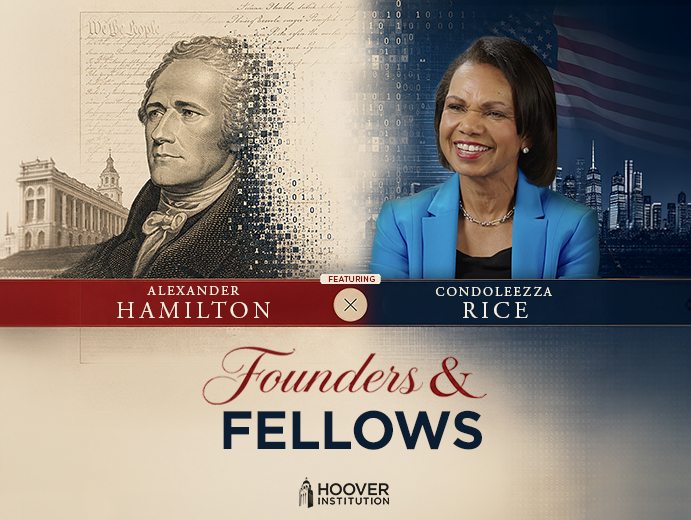
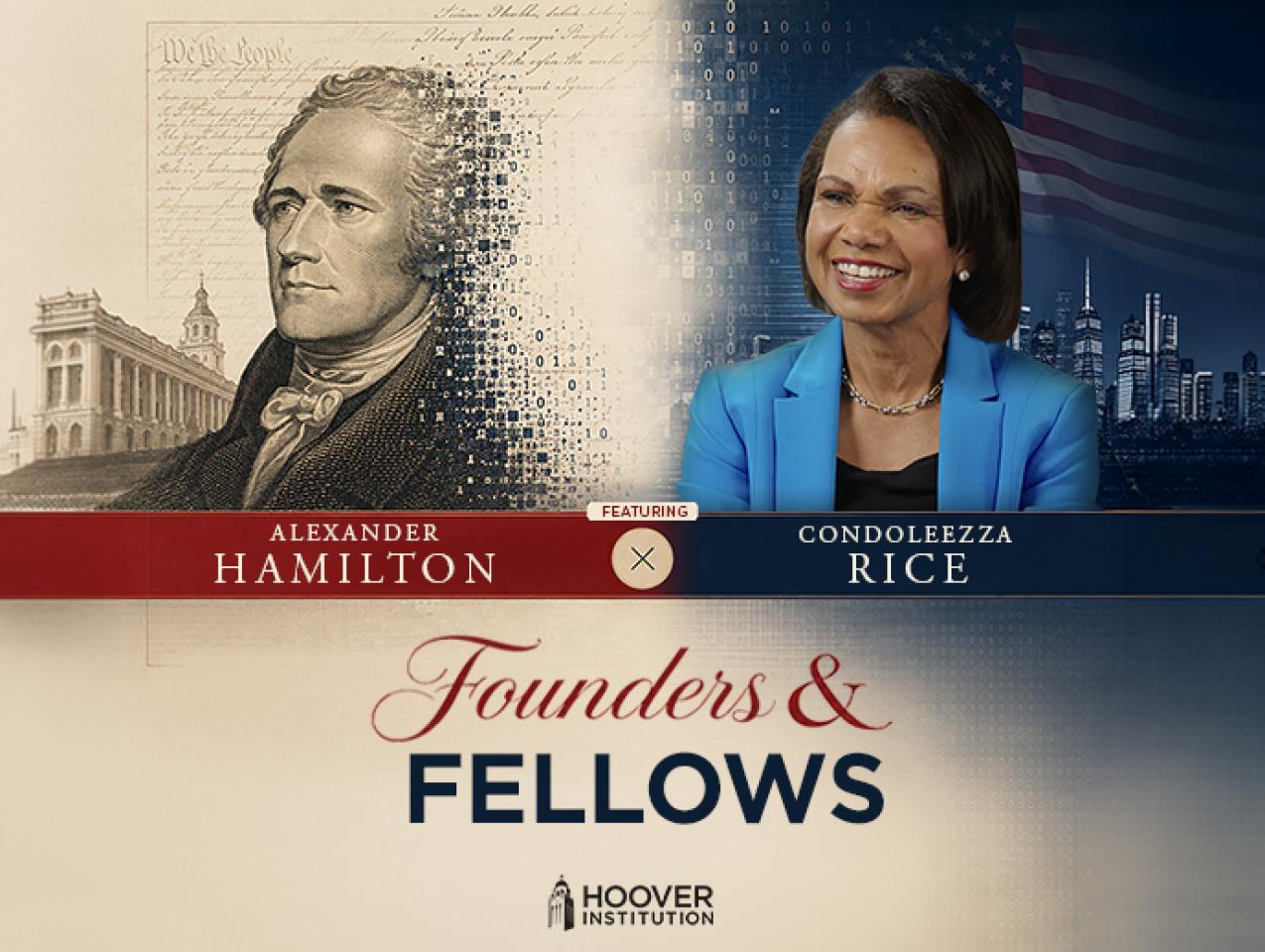
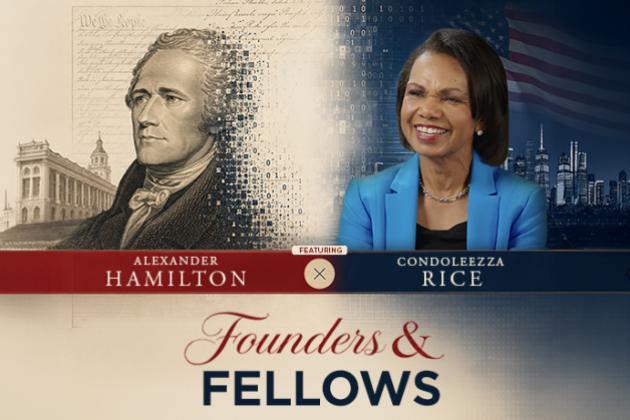
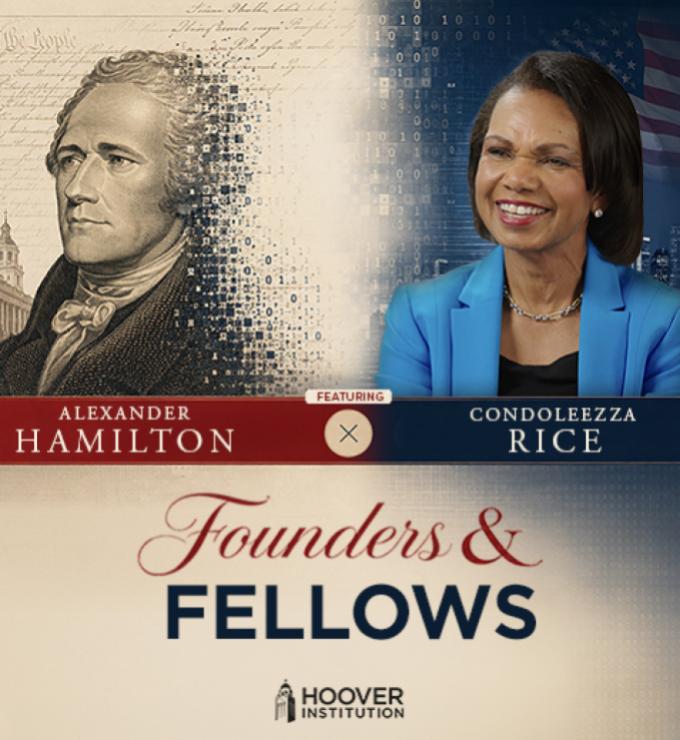
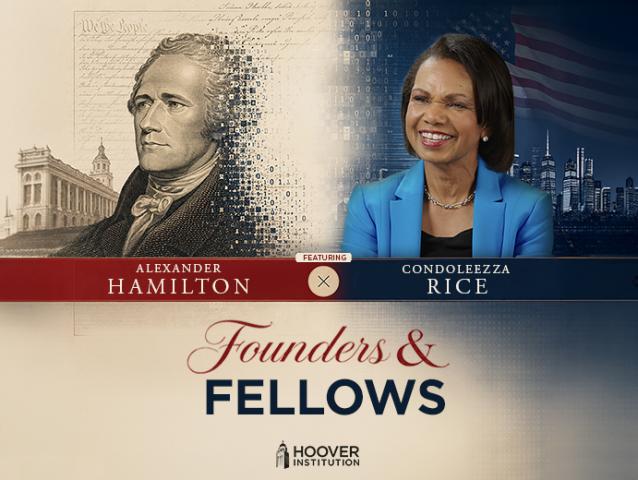
Hoover Institution (Stanford, CA)—This week, the Hoover Institution launches Founders & Fellows, a new collection of essays on Hoover’s Freedom Frequency Substack platform, where Hoover scholars explore the enduring relevance of the Founding Era and examine how the principles that animated the nation’s creation continue to inform contemporary policy challenges.
As part of Hoover’s ongoing commemoration of the 250th anniversary of America’s founding, Founders & Fellows brings Hoover scholars into direct conversation with the ideas, statesmen, and debates that shaped the American experiment.
The series celebrates the nation’s intellectual foundations while reminding readers that many of the questions confronting the Founders—including those surrounding liberty, constitutional government, citizenship, and self-rule—continue to resonate today. By connecting historical understanding with contemporary scholarship, Founders & Fellows underscores Hoover’s role as a steward of the principles and institutions that sustain free societies and self-government.
Contributors have each selected a Founder whose legacy speaks to their personal thinking or whose reputation deserves new consideration or special recognition. Rather than offering conventional historical profiles, the essays draw lessons from these figures to illuminate contemporary debates over governance, liberty, economic development, foreign policy, and the future of the American republic.
Director Condoleezza Rice opens the series today, June 23, with an essay on Alexander Hamilton, the nation’s first secretary of the Treasury and the principal architect of America’s financial system.
Other contributors include, H.R. McMaster and Amy Zegart on George Washington, Stephen Kotkin on Benjamin Franklin, Larry Diamond on James Madison, Gen. Jim Mattis on Continental Army Lt. Col. John Laurens, Victor Davis Hanson on Thomas Jefferson, and many more. Together these essays demonstrate the enduring relevance of America’s founding ideas and institutions.
While some contributors will focus on these central figures, others will explore the lives and ideas of influential but lesser-known Americans whose contributions illuminate overlooked dimensions of the American founding. Among them are Michael Auslin on Gershom Mendes Seixas, America’s first native-born Jewish religious leader and an early advocate for religious liberty; Eyck Freymann on Tench Coxe, Hamilton’s deputy at the Treasury and a leading proponent of American technological innovation and manufacturing; Russell Berman on Benjamin Rush, a signer of the Declaration of Independence, pioneering physician, and champion of civic education; and Glenn Loury on Gouverneur Morris, an outspoken critic of slavery and author of the Constitution’s enduring opening words, “We the People of the United States.”
The aim of the series is not to produce a retrospective or review of each founder’s achievements, but instead to provoke a conversation across centuries. Fellows unpack what each figure still has to say about the American experiment. They interrogate the Founders’ ideas and at times question whether they fall short in the modern era.
Founders & Fellows is the latest of many efforts underway at Hoover in 2026 to mark USA@250, including a student spoken-word competition, a new long-form video interview series called Only in America, and major public-facing lectures entitled Ideas That Made U.S.: Dialogues on Freedom.
To learn more, click here.
For more information about Fellows & Founders, please contact Jeffrey Marschner, assistant director of media and government relations, at jmarsch@stanford.edu or 202-760-3200.