



In their service defending the nation, the men and women who serve in America’s military are no strangers to confronting challenges.
So, when these soldiers, sailors, marines, and aircrew exit the military to reenter civilian life, many of them identify new missions to help serve their home communities.
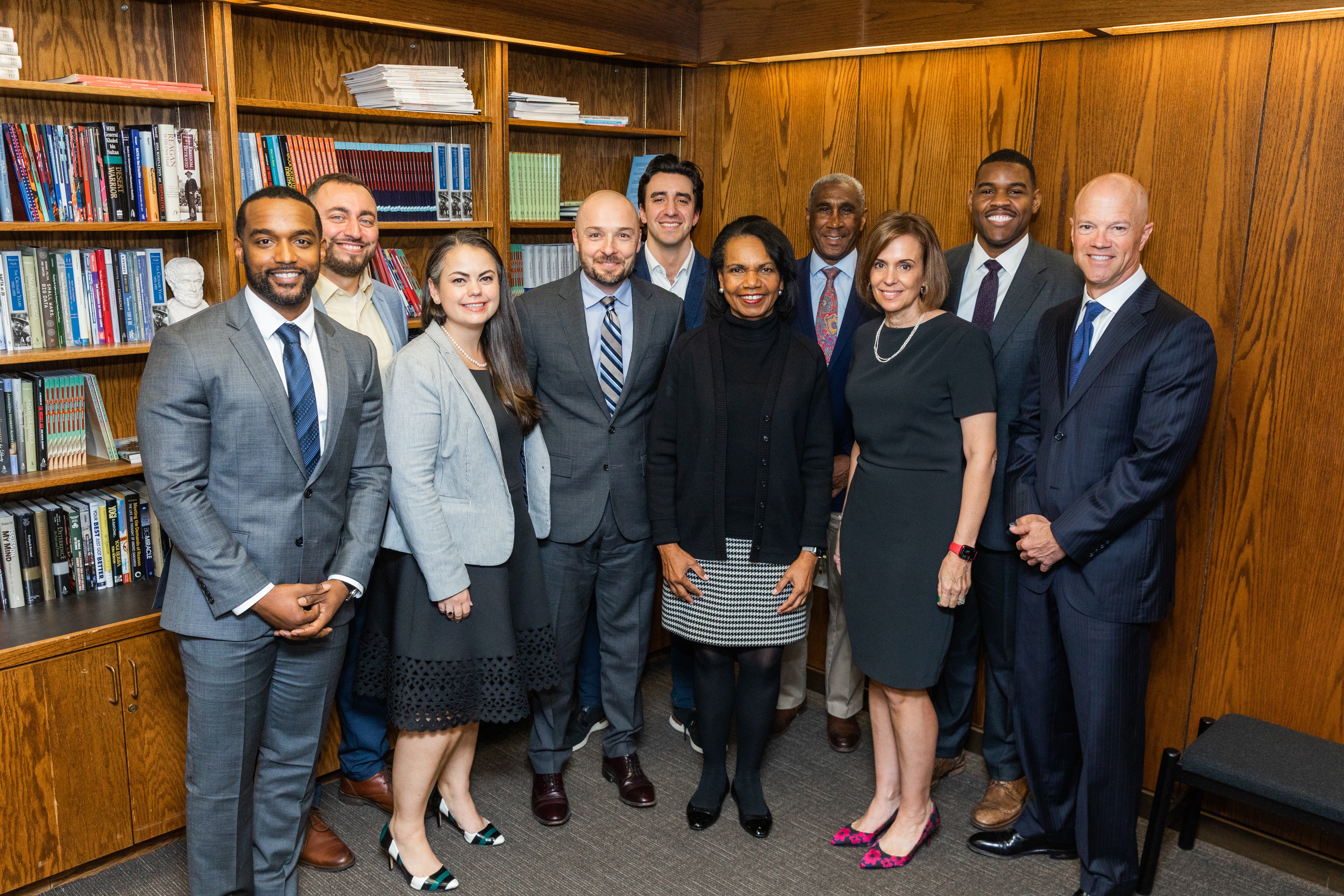
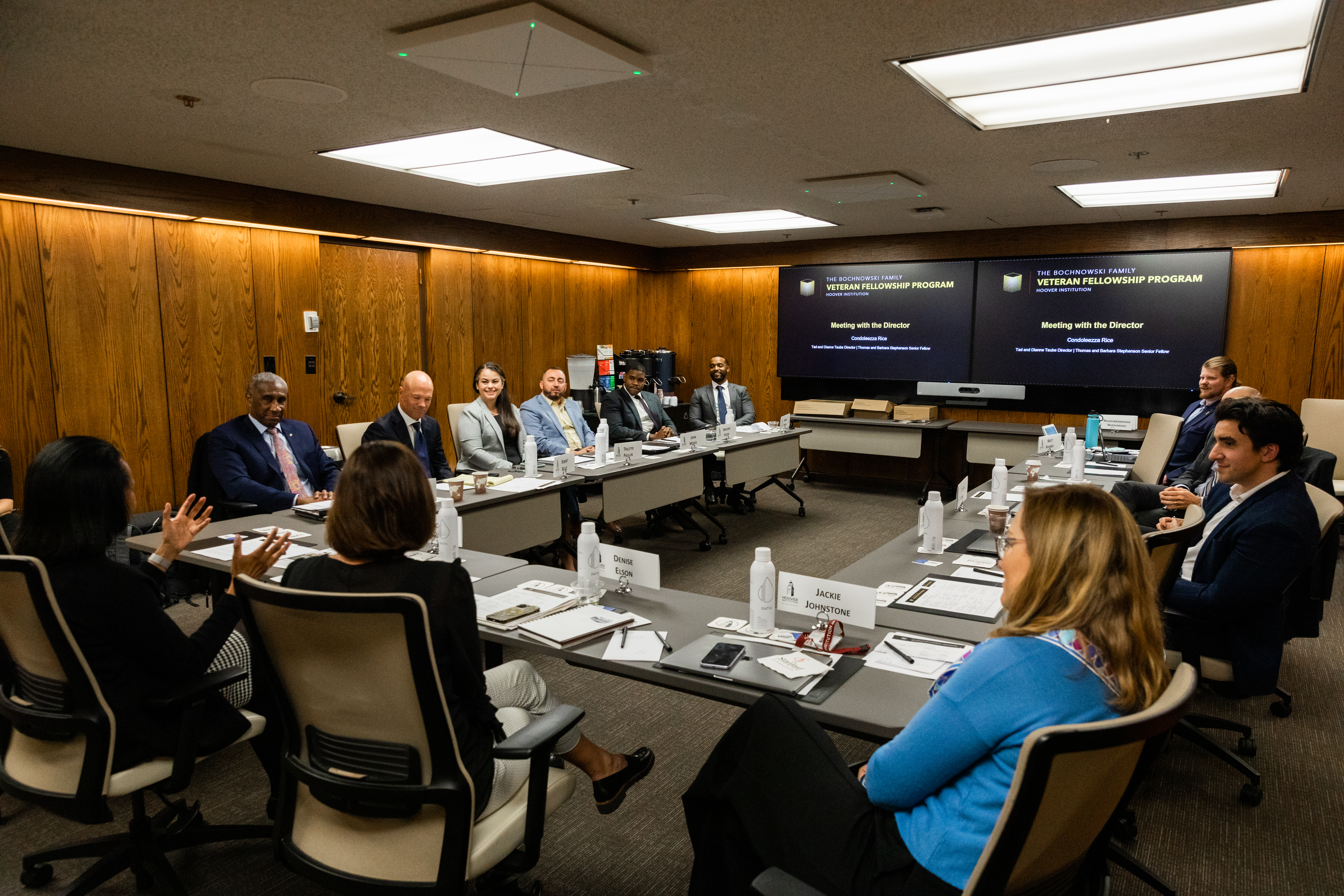
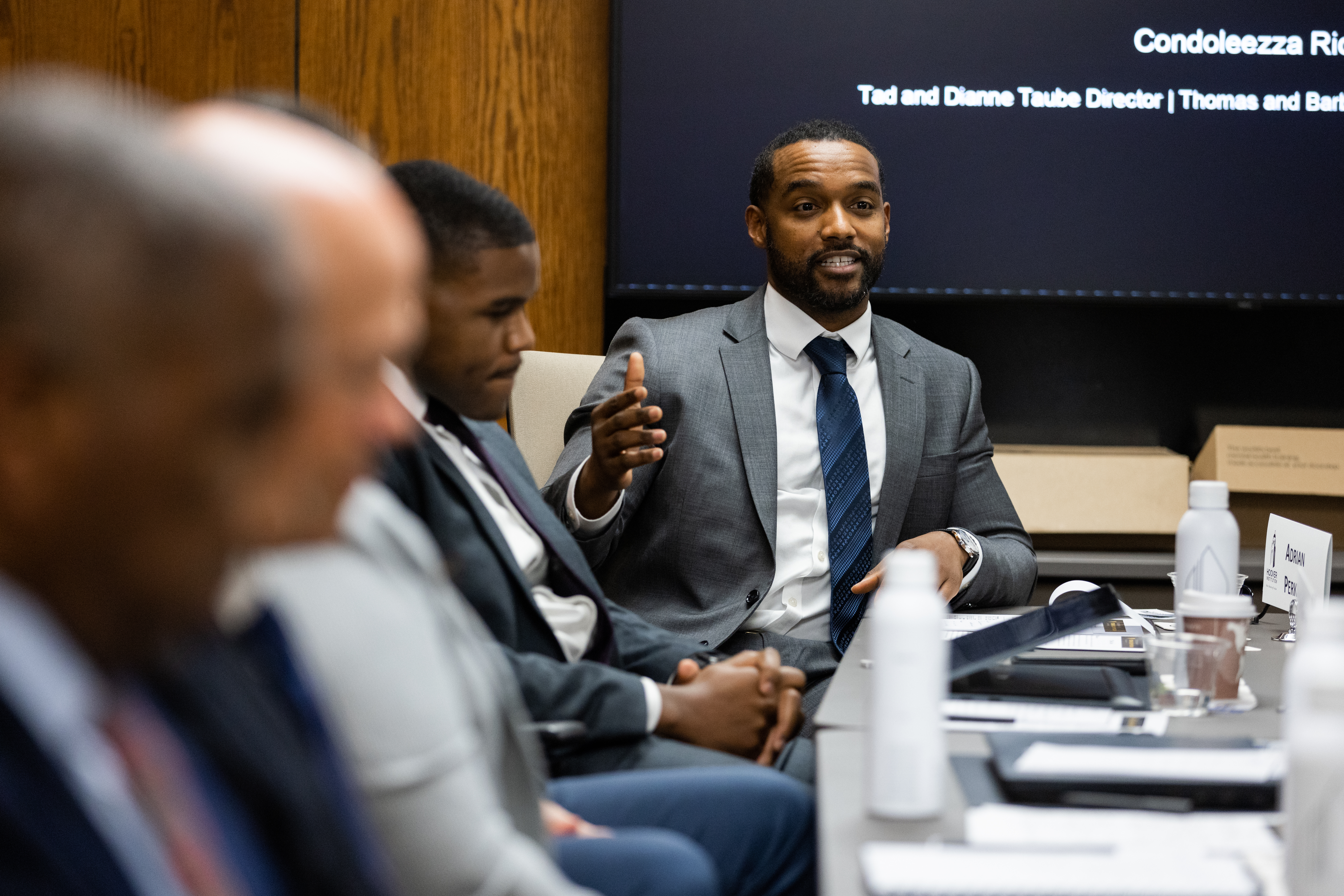
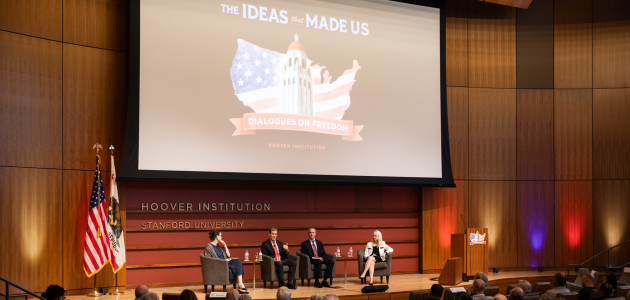
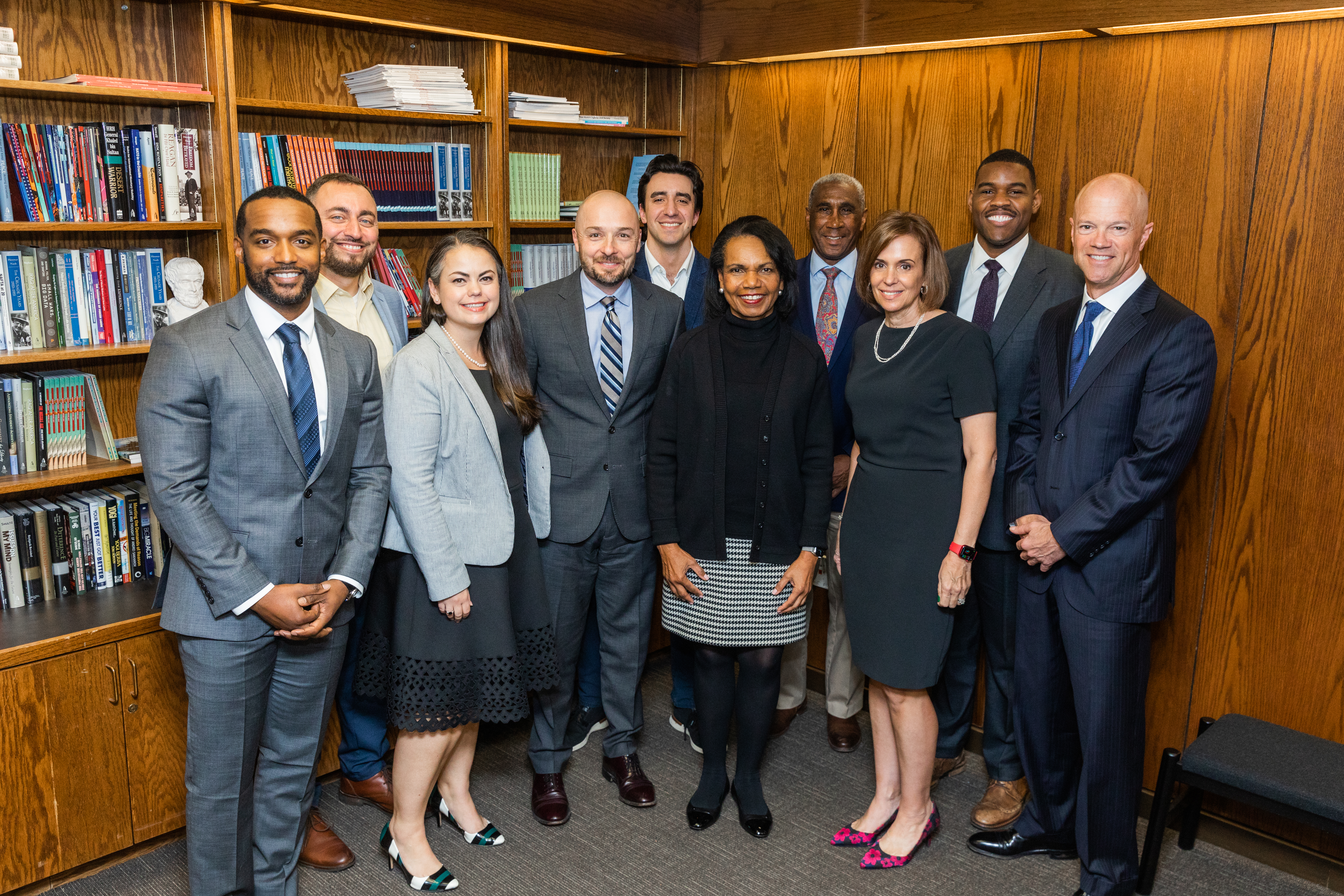
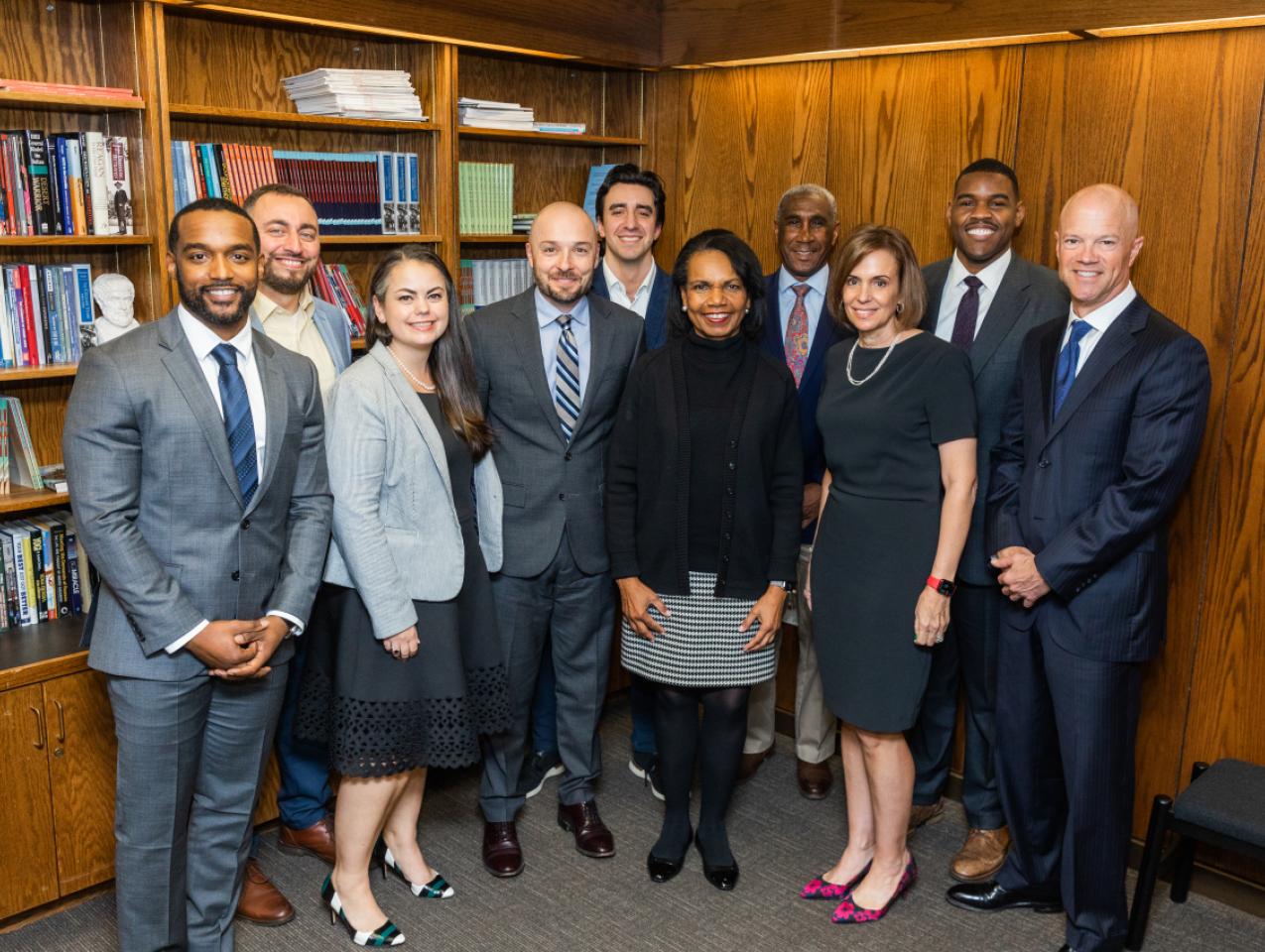
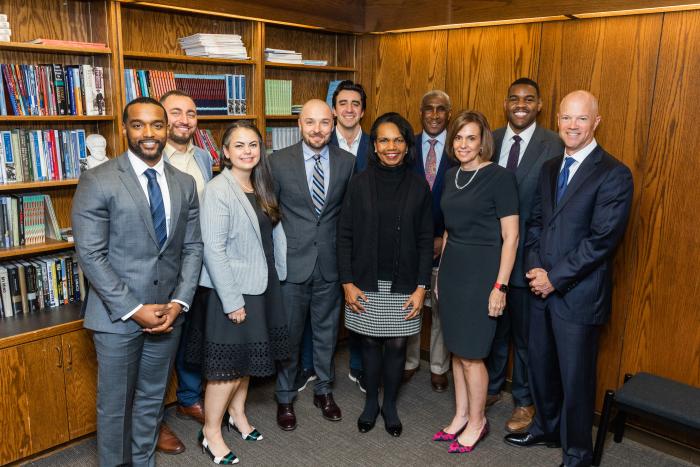
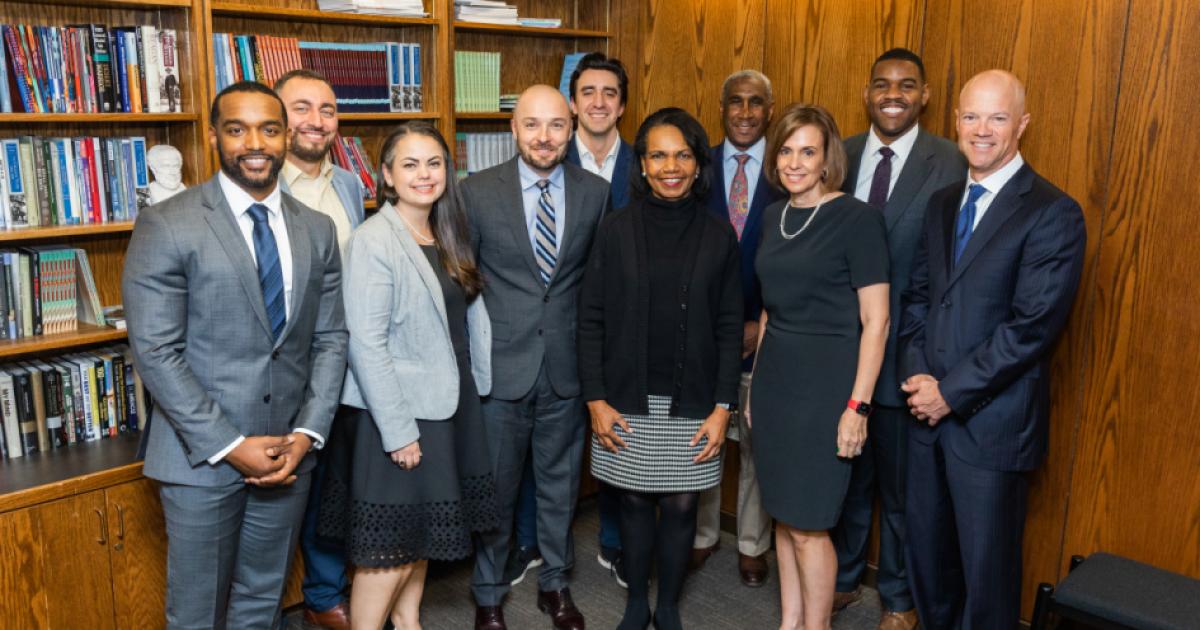
And the Hoover Institution is helping them do just that, with the Bochnowski Veteran Fellowship Program (VFP). The current class of veteran fellows presented and discussed their projects at a roundtable event at Hoover on January 31, 2024.
The VFP is a nonresidential, project-based program. Every year, 10 selected military veterans are required to complete a capstone project, whereby they generate and advance policy solutions to challenges in their communities. In their efforts, the veteran fellows may receive support and mentorship from Hoover fellows and faculty at Stanford University.
The veteran fellows are selected on the strength of their professional and military backgrounds, along with the viability of their projects. Anyone who has served in any branch of the US armed forces at any point in the previous 25 years is eligible to apply to the VFP.
This year’s cohort includes US Navy veteran Matthew Brown. During the discussion, Brown described losing a promising young crew member to suicide on the minesweeper he commanded during a tour in the Pacific.
The focus of his capstone is to institutionalize cognitive behavioral therapy within the US military as a standard preventive measure to relieve debilitating mental stress.
The event also featured remarks from retired US Army sergeant first class John Moses, also in the 2023–24 VFP cohort, who is working to improve humanitarian assistance to Afghan refugees who settled in his home state of Massachusetts following the most recent Taliban takeover in August 2021.
Another current VFP fellow, Claudia Flores, served as a US Navy cryptologist and intelligence officer. Now she’s working on a project to better “re-culturalize” military members reentering civilian life and the US domestic job market.
The capstone projects veteran fellows pursue extend beyond the affairs of the military.
During the roundtable, 2023–24 fellow Trillitye Paullin described her capstone, which centers on developing better food allergy care for children.
The fellows attend four in-person modules throughout the academic year, as well as collaborate virtually, to achieve milestones in their capstone projects.
Throughout the discussion, veteran fellows also described how they reaped enormous benefits through interactions with Hoover fellows and staff. Others expressed an appreciation for opportunities to discuss policy challenges and refine their capstone projects with peers in the program.
Former US Marines infantry officer and 2023–24 VFP fellow Christopher Bourne said he has appreciated receiving constructive feedback from the Hoover community about his idea to develop a one-stop-shopping smartphone app to help low-income families better navigate various poverty alleviation programs.
Meanwhile, 2023–24 VFP fellow Bob Bruce, a former US Marines infantry and artillery officer, is working to develop a policy framework for the use of drones by law enforcement and other emergency services.
To join the 2024–25 cohort of the Veteran Fellowship Program, applications will be accepted through March 4. Click here to apply.