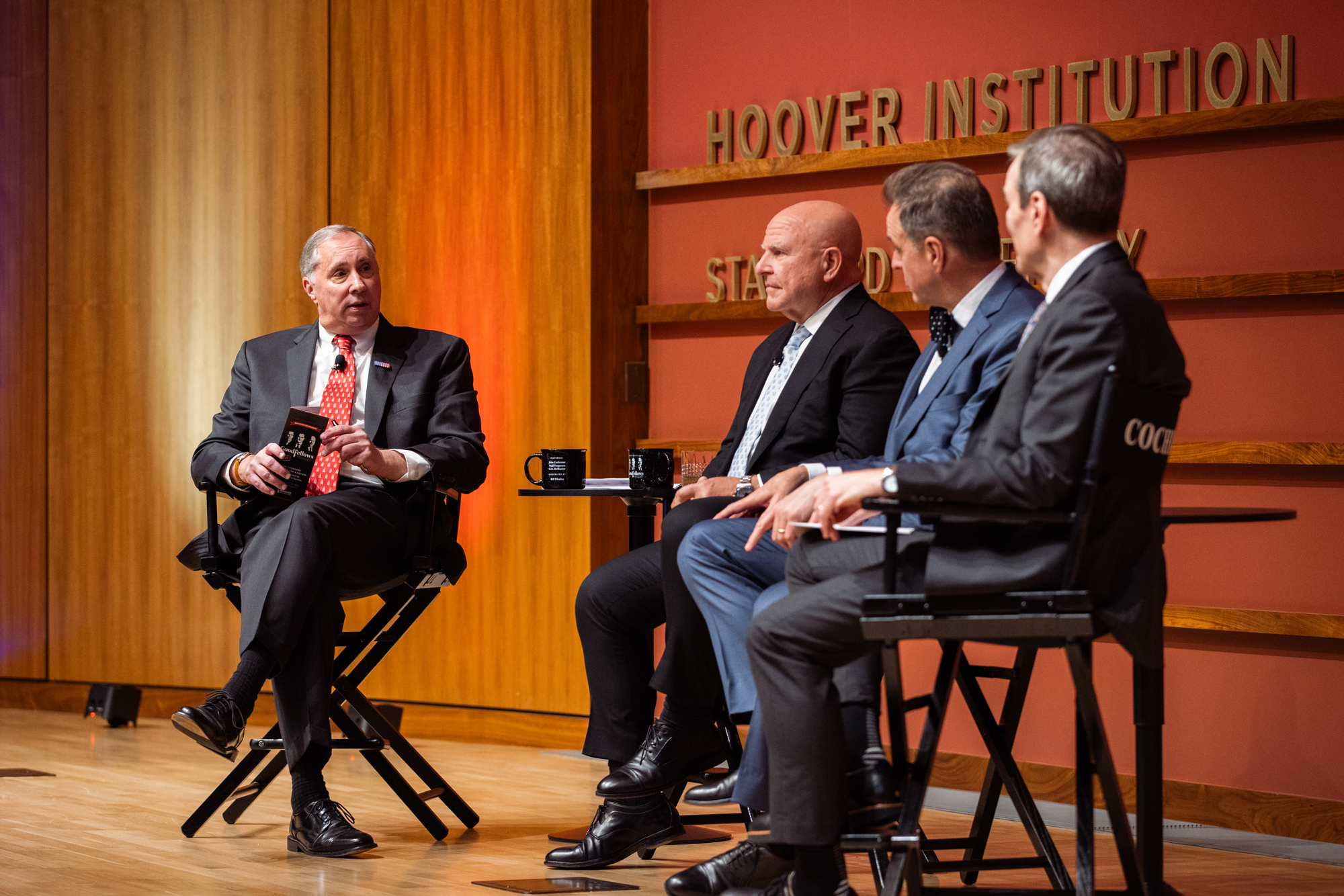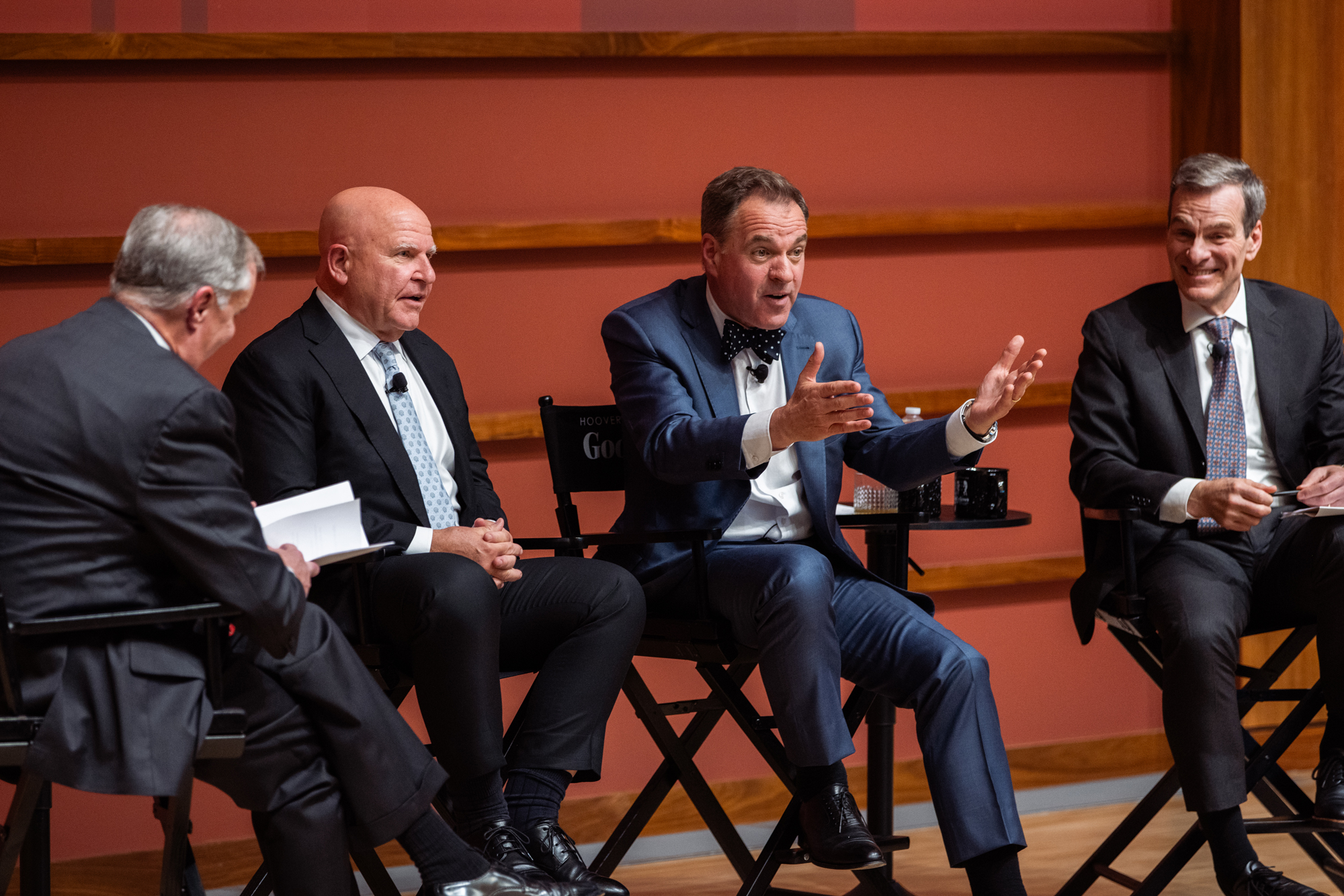


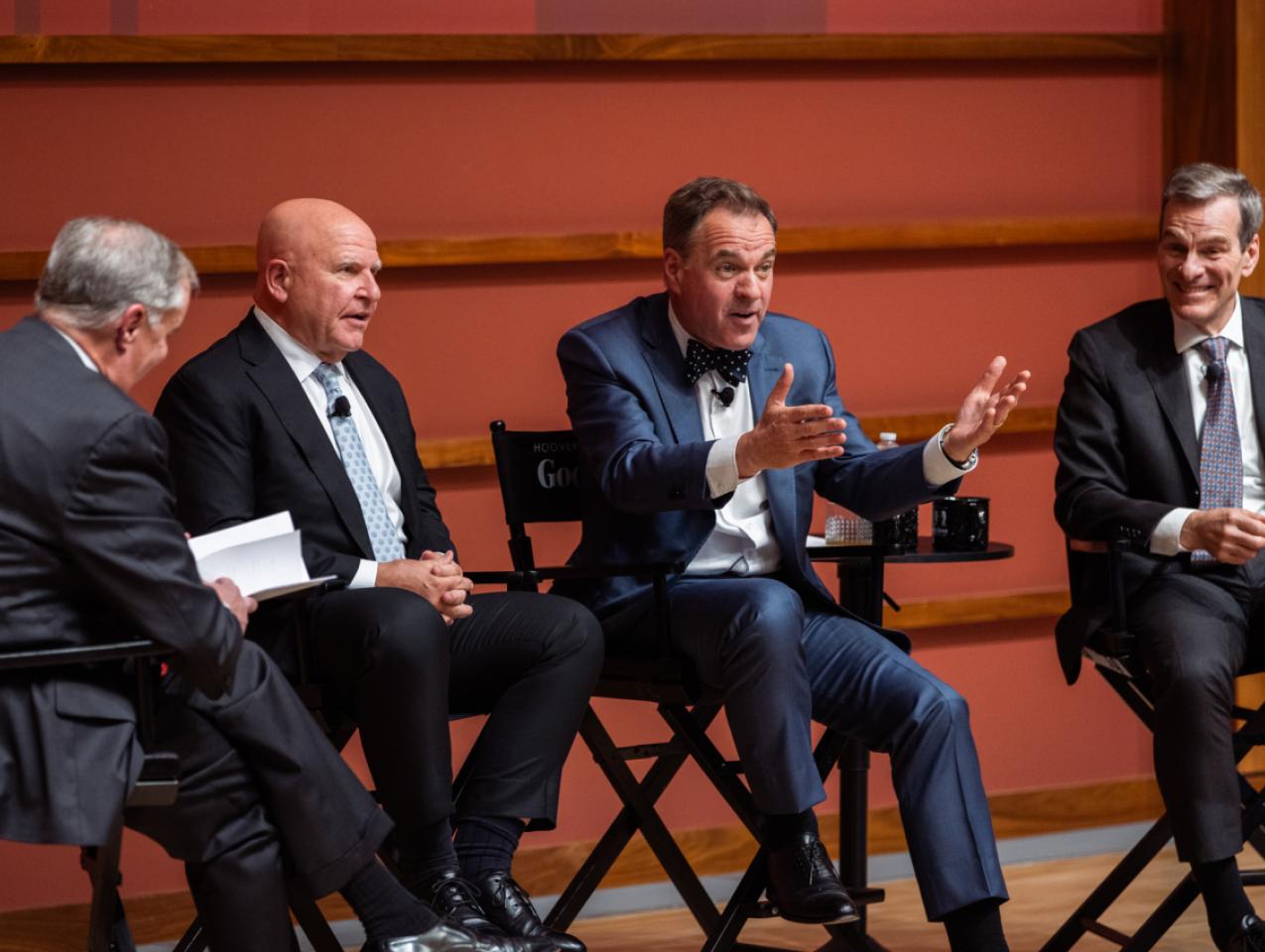
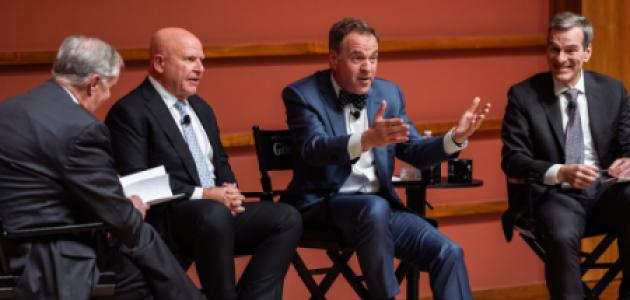
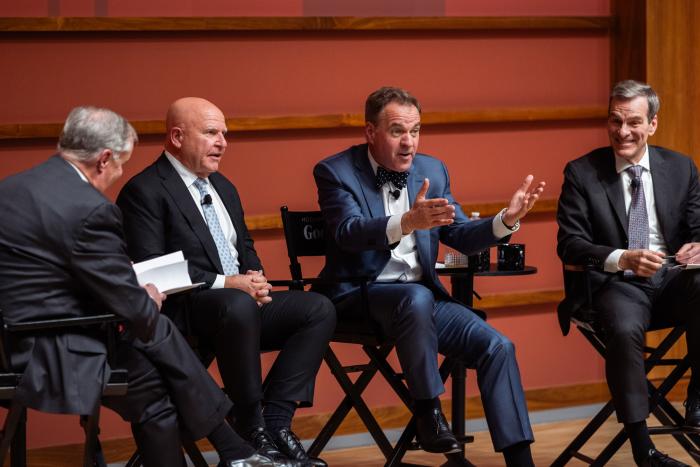
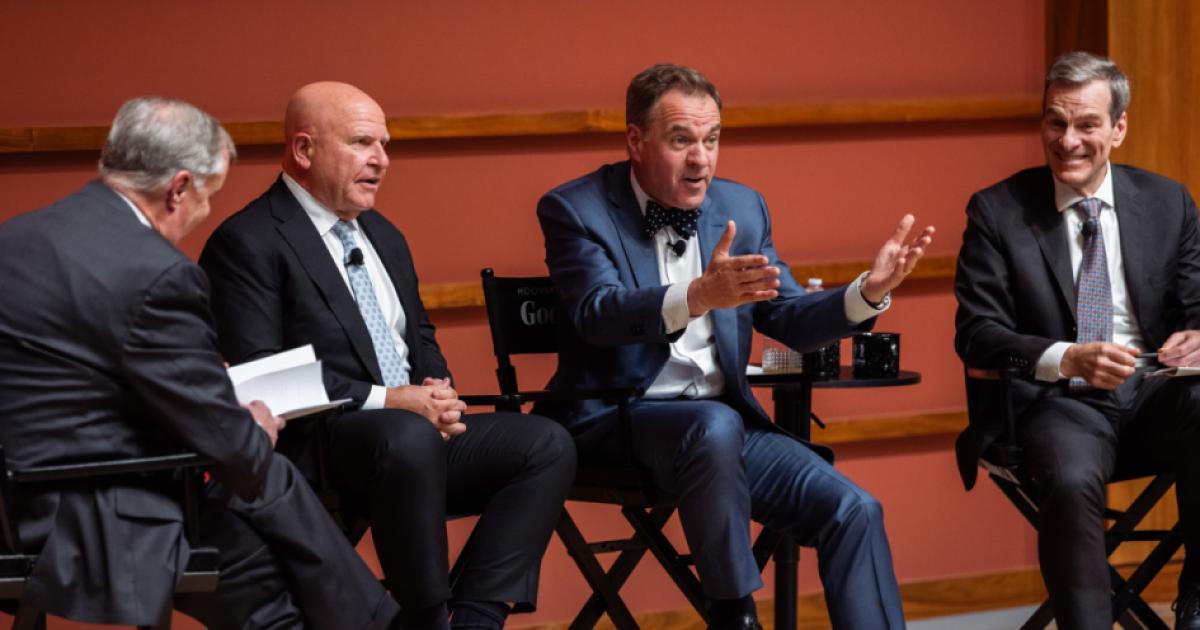
Hoover Institution (Stanford, CA) — A live GoodFellows show at the Hoover Institution put the US Constitution back in the spotlight, with the panel arguing that the Framers learned from history and built a system durable enough to outlast other republican experiments.
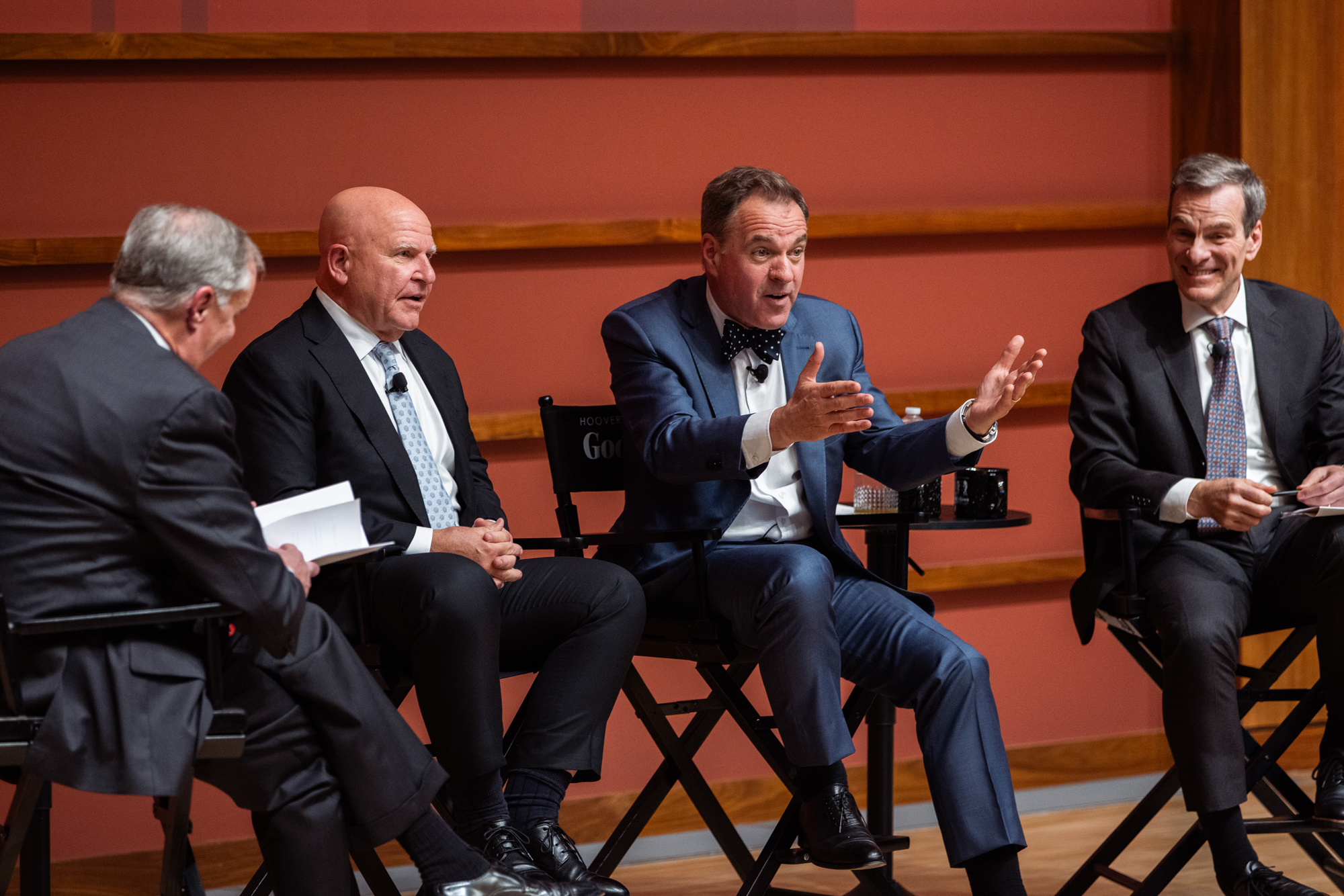
For the series’ 181st episode, H.R. McMaster, John Cochrane, and Niall Ferguson and moderator Bill Whalen spoke about the enduring value of the Constitution, how it succeeded in organizing a nation that eventually became the most powerful nation on earth, and what we can do today to sustain that success and make sure the three branches of government live up to their constitutional expectations.
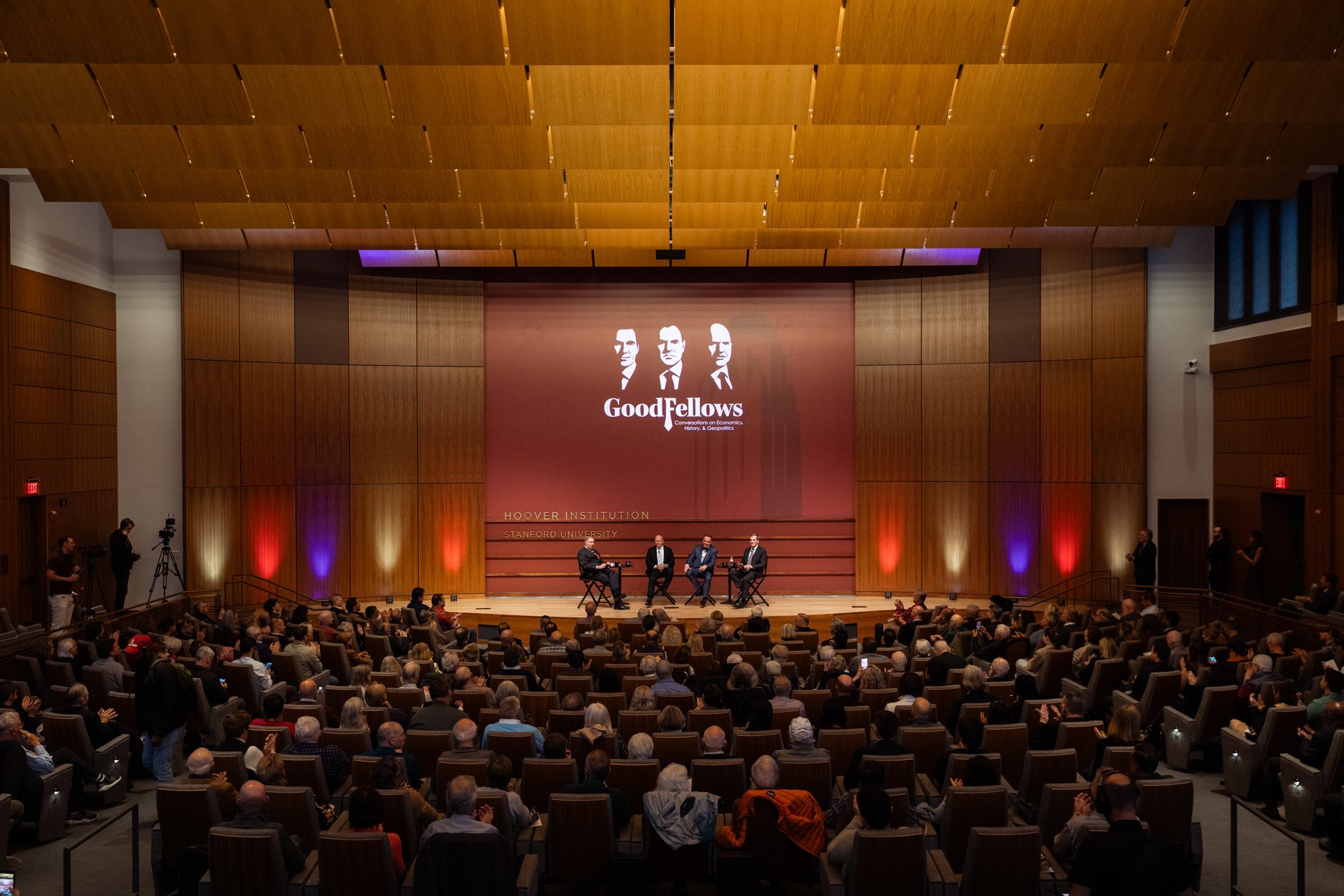
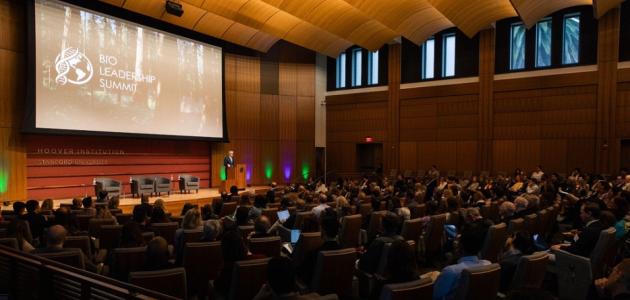
Captured in front of a packed house at Hoover’s Hauck auditorium on April 22, 2026, their discussion was the third event this year in Hoover’s Dialogues on Freedom lecture series, held with America’s 250th anniversary in mind, with this session focusing on the Constitution.
The Remarkable Durability of the American System
To start, Whalen asked the group why the US Constitution was so revolutionary in the history of how governments are established and organized.
A similar constitution is in place today in Liberia, in West Africa. Argentina has a similar founding document but has fallen to military coups, hyperinflation, and general economic malaise for large stretches of its postcolonial history.
“The project was a republic, if we can keep it, that would last 250 years, not 25 years or 2.5 years,” Ferguson said. “If you look at all the other republican experiments before and subsequently, the striking thing is the durability of this one.”
In short, the GoodFellows explained that the Constitutional system has succeeded because a spirit of self-governance has continuously guided and sustained American life. Meanwhile the founders, in designing an architecture for governing, did their homework –studying political philosophy, and the history of why some republics succeeded and others failed.
“The really striking thing about this is why is this republic so durable?” Ferguson asked rhetorically. “The answer to that is they had a brilliant scheme called the separation of powers,” adding, "The project was to make sure that the republic didn't do what republics nearly always did: either tip into anarchy because it was too democratic or tip over into tyranny because you gave too much power to the executive."
“I think there's a tendency to take the Constitution now as sort of a Bible, words written by God to be taken absolutely literally,” Cochrane added. “But what's really important is that the spirit of that constitution has remained with the American people,” noting that the Constitution appears to be part of America’s “cultural fabric” today.
The words of the Constitution and the earlier Declaration of Independence also imply a prevailing view toward property rights. Cochrane explained that although the founders set out to design a constitution to defend political liberty, economic prosperity was “a happy circumstance.”
Nevertheless, as Cochrane described, the founders did think a lot about property rights. In writing the Declaration of Independence, Thomas Jefferson adapted – with a slight turn of phrase— John Locke’s language in his Second Treatise of Government, “Life, liberty, and property” as natural rights that government must protect.
“You can see why he went for pursuit of happiness as an advertising slogan,” Ferguson quipped about Thomas Jefferson’s wordsmithing. “Life, liberty and property rights is just not going to work.”
McMaster stressed that the American Revolution was a “social revolution,” pointing out that colonists, who were not part of the British hierarchy, felt like second-class citizens under the crown. In fighting the war of independence, McMaster maintained, the colonists advanced principles of freedom and egalitarianism that shaped the character of the republic.
“What the revolution did is it unleashed this idea that you can be a self-made person. Now, of course, a large portion of the population was left behind (the enslaved population),” McMaster said. “And what happened is this contradiction between the ideals communicated in the Declaration and in the Constitution, we're going to contradict the institution of slavery, but we [later] fought the most destructive war in our entire history to emancipate six million of our fellow Americans.”
McMaster also argued that America’s political culture shapes how its citizens perceive the nation’s role in the world. He explained that the Constitution’s combination of republican principles—such as checks on concentrated political power—and liberal ideals, including protections for individual rights, has caused Americans to view international law differently from citizens of other democracies.
“You still see, I think, the radicalism of the American Revolution ever gives up in the differences between maybe the way America and Britain today —the UK today views international law— for example,” McMaster said. “Americans are more skeptical of international law, [while] some in the UK government today would defend it. We see that giving up our sovereignty to some sort of international body cuts against the very radical idea of the revolution.”
The Value of the First Amendment Today
Looking back on excesses of recent history, such as the anti–free speech behavior on some US college campuses, Whalen asked the group about the value of the First Amendment today.
Ferguson said the scope and scale of the protections granted by the First Amendment are a major reason he decided to become a US citizen in 2018.
“I don't think I fully appreciated how important the First Amendment was until I saw the drastic erosion of free speech in the country where I grew up [Britain], which has been one of the most shocking features of the last six years,” Ferguson said. “There can be policemen turning up on people's doorsteps because of things that they put on social media.”
Meanwhile in America, Cochrane said, “First Amendment freedom of speech pervades our culture,” so firings based on speech, or even immigration actions based on speech, immediately face a strong and broad public condemnation.
Wielding Power Responsibly
While impressing upon the audience the value of the Constitution’s separation of powers, the GoodFellows also pointed out that there are obvious cracks in the system today, starting with the growth in executive power over the past fifty years, aided by a Congress unwilling to push back.
Cochrane said that Congress is one institution that could do so much more to ensure power is wielded properly in Washington today. “In the constitutional order, [the Framers] imagined Congress would be supreme. Congress seems to have delegated a lot of its authorities, and pretty much the repair everybody needs is to bring Congress back—but nobody quite knows how to bring Congress back.”
Adding that the seeds of the imperial presidency date back to the Franklin D. Roosevelt administration, Ferguson said Congress needs to take back the power defined under Article I of the Constitution.
“I think we worry about the wrong things,” Ferguson said. “We worry all the time about the president's personality. We should worry much more about the degeneration of Congress and the failure of our elected representatives to assert their constitutional powers.”
Throughout the discussion, more than one hour long, the quartet elaborated on the war in Iran, the limits of American power, and even the Second Amendment.
Reflecting on his own work developing a constitution for the University of Austin (UATX), Ferguson said doing so was one of the most difficult tasks he ever completed.
“Think of the US Constitution as the operating system of the United States and you realize it is simply the most brilliant thing ever written.”
Viewers can watch the full discussion here.
The GoodFellows podcast has accumulated a significant following over its six-year run. Today, episodes reach several million viewers and listeners each week.
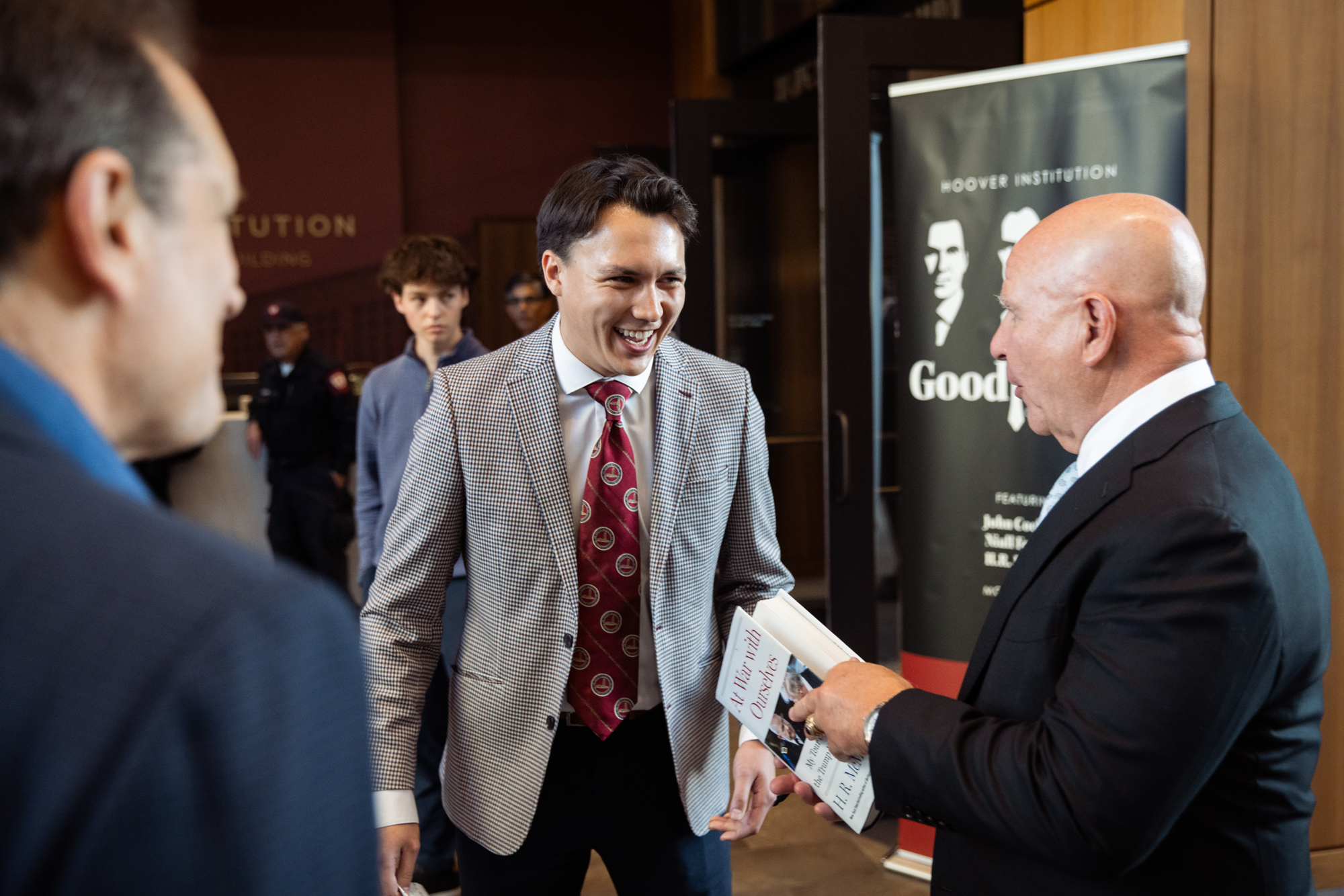
Attendees of the April 22 show got the rare opportunity to spend time with all four participants afterwards in Traitel Pavilion. Merchandise including Goodfellows-branded ties, coffee mugs, vests, socks, and posters were also made available for purchase.
The show was part of a new sustained effort by the Hoover Institution to bring fans and supporters of Hoover’s multimedia content right into the heart of the conversation, giving them new ways to express their support for Hoover’s mission and greater access to the scholars who make it possible.
“I absolutely loved the event today,” one attendee said, adding she’d been listening to the podcast for two or three years. “Just seeing the dynamic between the three GoodFellows live, onstage, that was absolutely wonderful.”
“They show us that it’s possible to stay friendly, but offer different points of view,” she said.
Watch all GoodFellows episodes here.